




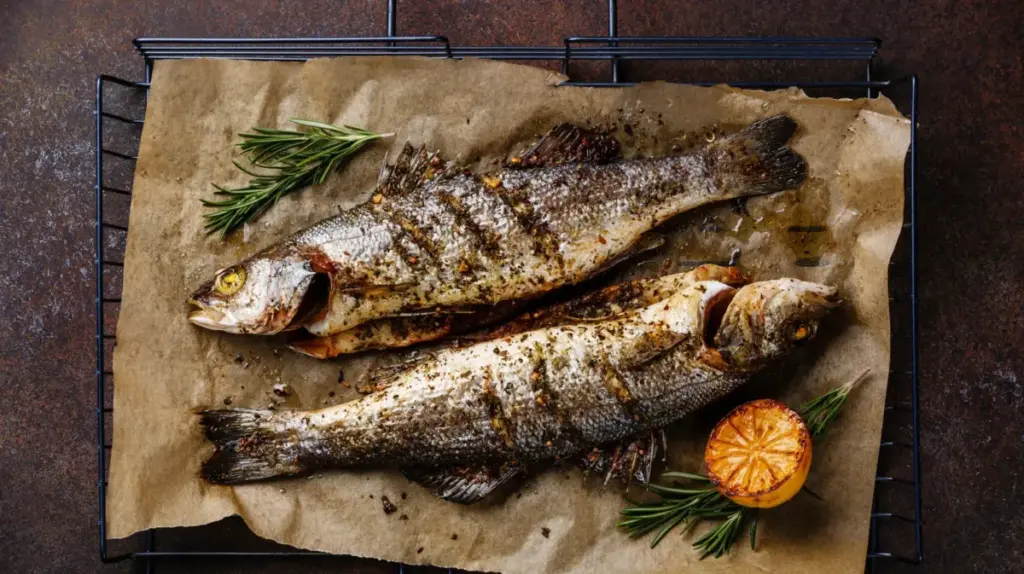
In the culinary landscape of the 1990s, Chilean sea bass emerged as an undisputed phenomenon. Ubiquitous on upscale menus and celebrated by home cooks and fine-dining chefs alike, it represented a golden era of luxury seafood trends. Yet, much like the rise and fall of the açaí berry or subsequent high-protein fads, the cultural cachet of Chilean sea bass eventually faced headwinds. While the fish never truly disappeared from the market, its popularity declined significantly over the decades. Much of that shift can be attributed to a combination of severe sustainability concerns and notoriously high price points—two issues inextricably linked within the global seafood trade. For consumers who adore the rich, decadent flavor profile of sea bass but find themselves priced out or hesitant about environmental impact, culinary experts and seafood distributors increasingly point toward a compelling alternative: sablefish.
Often marketed under the colloquial name black cod—despite not actually belonging to the cod family—sablefish possesses a distinct flavor and luxurious texture remarkably similar to Chilean sea bass. Both species are internationally prized for their exceptionally rich, buttery flesh and versatile culinary applications. However, nutritional analyses reveal that sablefish holds distinct advantages. It contains substantially more omega-3 fatty acids, delivering approximately 1,500 to 1,800 milligrams per 100-gram serving, making it exceptionally rich in these beneficial fats compared to almost any other white fish on the market. Furthermore, sablefish generally features lower mercury levels than many large predatory fish, meaning it can be consumed more frequently as part of a balanced diet. Its naturally high fat content yields a melt-in-your-mouth mouthfeel that consistently wins over diners and professional chefs. Beyond its nutritional and sensory merits, sablefish is managed under much more sustainable fishing practices along the Pacific coast. Perhaps most importantly for modern shoppers navigating economic pressures, it commands a considerably lower price tag than sea bass.
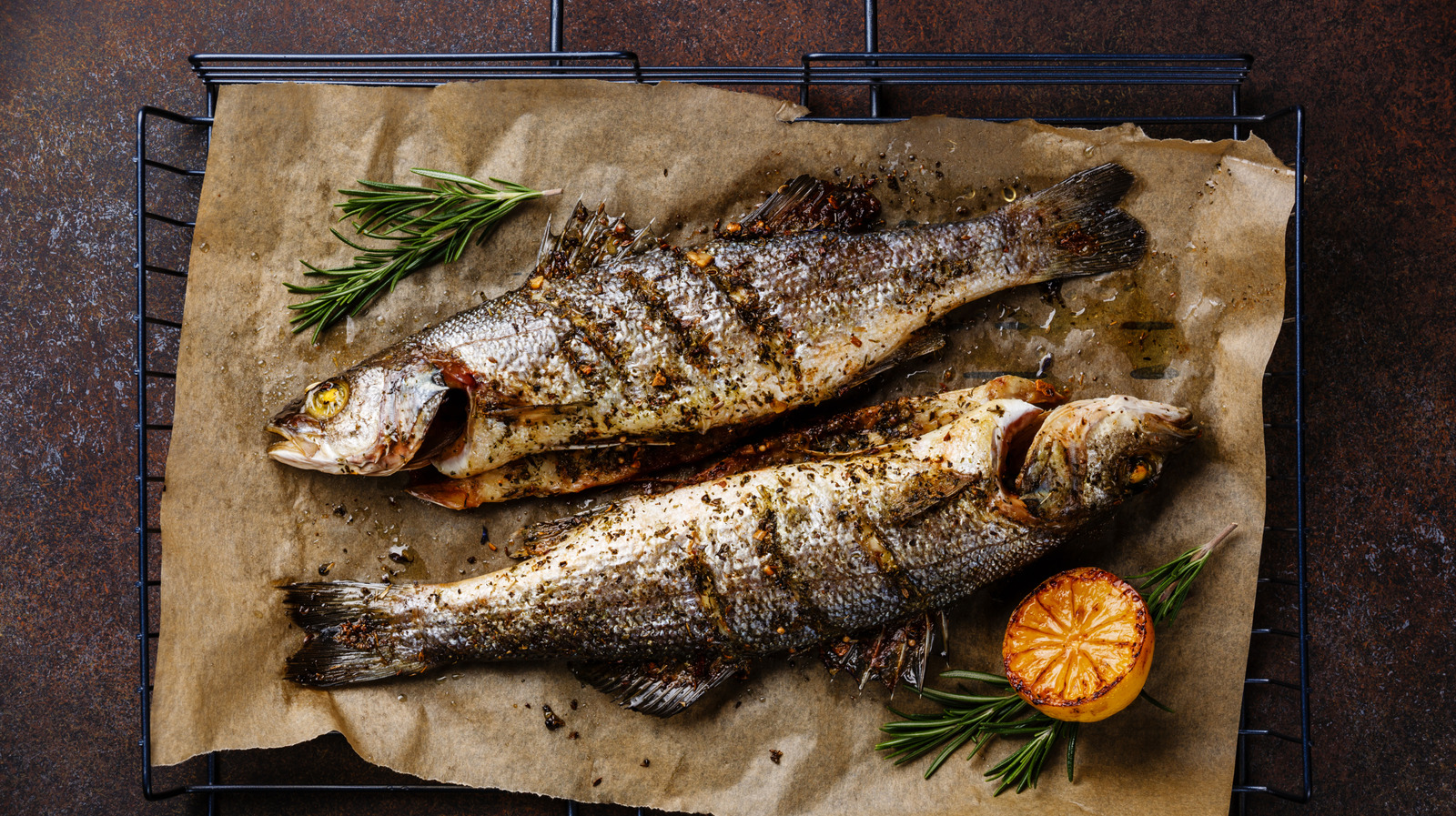
The history of the fish known today as Chilean sea bass offers crucial context for its current market standing. Originally named the Patagonian toothfish, the species underwent a strategic rebranding campaign to sound more palatable and appealing to international restaurant patrons. Biologically, the fish features a mild flavor profile coupled with light, large, and meaty flakes that appeal to a wide variety of palates. Additionally, it possesses unique structural qualities that make it remarkably resilient in commercial distribution channels. Seafood distributor Louis Rizzo noted to TASTE that it is uniquely resilient, describing it as "one of the only fish that thaws out and eats better than a fresh fish." Furthermore, it is renowned for handling intense culinary heat exceptionally well, making it a forgiving ingredient that is notoriously difficult to overcook. Unfortunately, rampant overfishing historically depleted wild populations in remote sub-Antarctic waters, a crisis that severely constrained supply and established the exceptionally high retail and restaurant prices seen today.
The cost of sablefish vs Chilean sea bass
While there are numerous compelling reasons to incorporate sablefish into regular meal rotations, economic realities dictate that price remains a primary consideration for most consumers. A direct market comparison highlights a staggering financial divide between the two species. Pre-marinated miso sablefish items available at major retailers like Costco can retail for just over $15 per pound, whereas Kirkland Signature frozen Chilean sea bass often commands prices approaching $45 per pound. Specialized seafood purveyors illustrate an even wider gap; the Browne Trading Company lists frozen sea bass fillets at prices translating to roughly $64 to $74 per pound, while fresh sablefish fillets from comparable high-end sources often start significantly lower. At Pacific Northwest institutions like the Pike Place Fish Market, sablefish regularly sells for around $23.75 per pound, whereas Chilean sea bass hovers just under $70 per pound.
Geography plays a significant role in this dramatic price disparity. Unlike Chilean sea bass, which is harvested in remote, perilous waters near the Antarctic convergence, black cod is fished much closer to domestic markets along the Pacific coast, ranging from the icy waters of Alaska down through California. This geographic proximity drastically reduces transportation hurdles, logistics costs, and carbon footprints, making it far easier and less expensive to obtain for North American consumers.
Despite these economic and ecological advantages, sablefish remains somewhat underrepresented in standard supermarket chains compared to mainstream species like salmon or tuna. However, availability is expanding as consumer awareness grows. Major regional and national grocery chains—including Wegmans, H-E-B, Publix, and Whole Foods—frequently stock sablefish at select locations. For shoppers whose local supermarket fails to carry it in the standard fresh seafood case, asking fishmongers specifically for black cod or butterfish often yields results, as local fish markets can frequently source and special-order the item upon request.
The defining characteristic that makes sablefish so intensely coveted by professional chefs is the very same high fat content that boosts its nutritional profile. This dense internal fat allows the fish to stand up remarkably well to high cooking temperatures without drying out, rendering it virtually foolproof for home cooks. These resilient qualities make sablefish an ideal candidate for traditional smoking techniques, high-heat pan-searing, roasting, or grilling methods that would typically leave leaner white fish varieties dry and unappealing. For home cooks inspired to explore this versatile ingredient, culinary applications range from complex preparations featuring pan-seared black cod paired with seasonal accompaniments like morel mushrooms, asparagus, and bright citrus reductions to simple preparations highlighting its natural richness.