




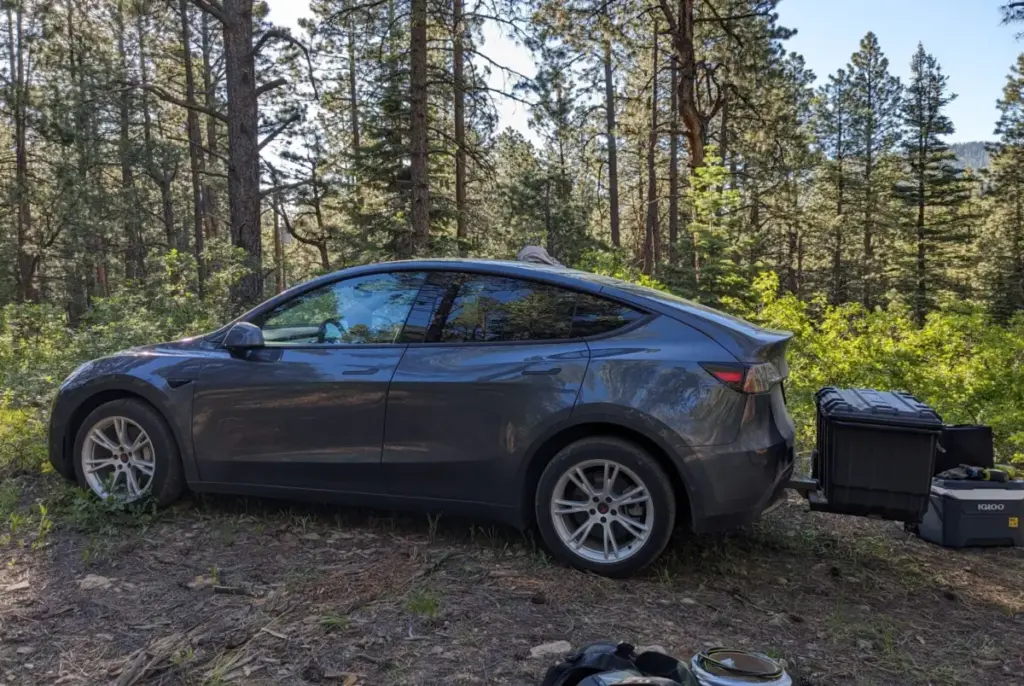
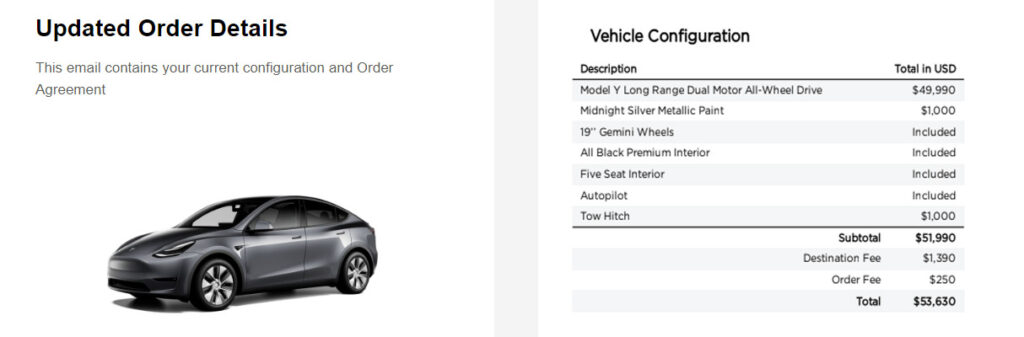
The prominent financial blogger and early-retirement advocate known as Mr. Money Mustache is breaking his own long-held rules. After nearly two decades of championing extreme frugality, anti-car culture, and deliberate minimalism, he is jumping through the bureaucratic hoops required to purchase a brand-new, luxury 2023 Tesla Model Y.
The vehicle is a stark departure from the ethos that made him famous. Loaded with all-wheel drive, lightning-fast acceleration, seven-passenger seating, and enough onboard computing power to rival a small data center, the Model Y carries a net cost of approximately $52,000 after accounting for taxes and federal tax credits. For a man who built his brand on squeezing maximum utility out of dirt-cheap assets, the price tag represents a staggering leap from the 1999 Honda Odyssey van it is replacing—a vehicle he purchased off Craigslist twelve years ago for just $4,500.
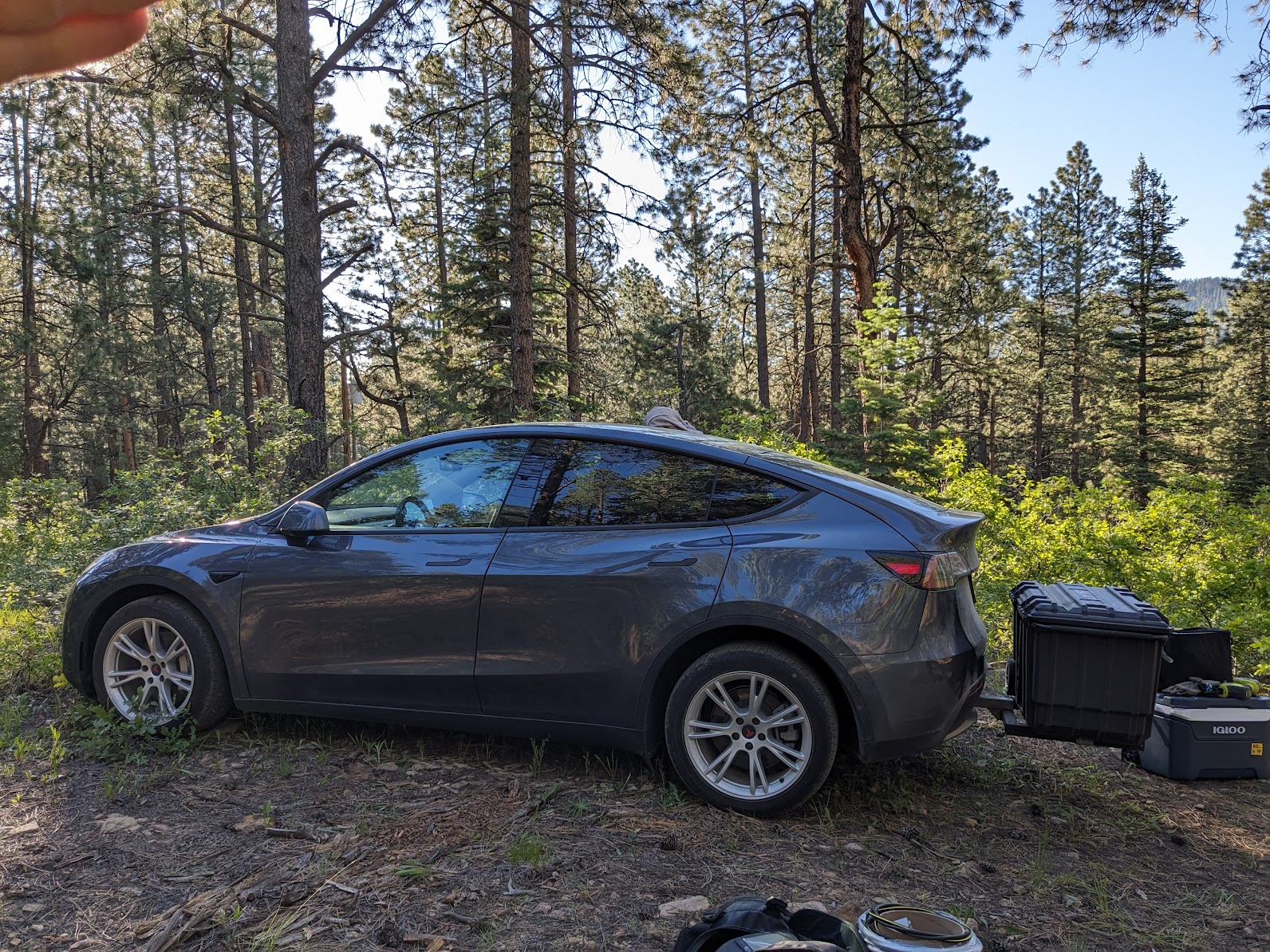
That humble Honda, affectionately dubbed "Vanna," served its owner dutifully until recently, crisscrossing mountains and deserts while hauling materials to help rebuild houses in his neighborhood. Yet, following a final, hot and smelly transmission failure on a mountain pass outside Salida, Colorado, the vehicle’s run came to an end. Rather than repairing or replacing it with another cheap beater, the blogger decided to cross a psychological Rubicon.
For a figurehead of the financial independence movement who has spent years railing against car culture and arguing that most people drive vehicles they cannot afford, the purchase has invited inevitable self-mockery. Naturally frugal readers might view the move as heretical, but the author remains firmly on board with the foundational philosophies that allowed him to retire early 18 years ago. That exact mindset was also what enabled him to procrastinate on buying an expensive electric vehicle for four years, even as friends and internet commentators urged him to loosen up.
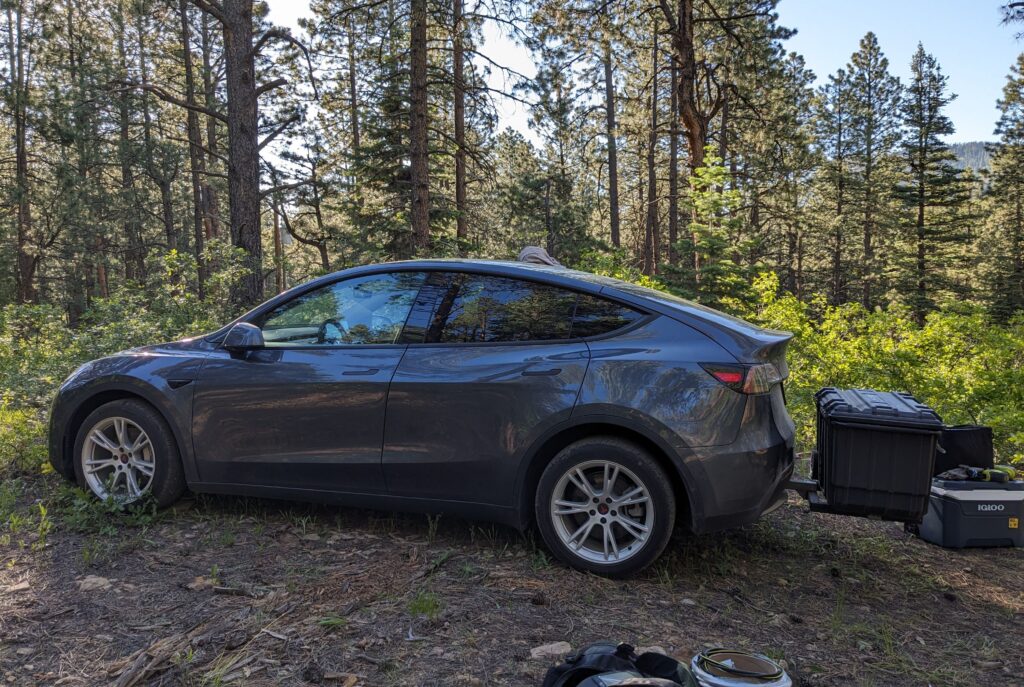
However, life philosophies must evolve. As the old adage reminds us: "What got you here, won’t get you where you’re going."
This evolution in thinking was crystallized during a recent, mundane grocery store run. While attempting to buy a loaf of Dave’s Killer Bread for breakfast with visiting friends at a standard supermarket, he was stopped cold by an eye-watering price tag of $6.99—nearly double what he was accustomed to paying at discount warehouse stores. His initial reaction was indignation, triggering a mental battle over whether to boycott the store, hunt for alternative brands, or find a substitute. Ultimately, he arrived at a realization that applies just as neatly to a $52,000 car as it does to a seven-dollar loaf of bread: he would never wake up in the future and look at his bank account wishing he had an extra $2.49.
That evening, he shared the anecdote with a visiting friend—a fellow early retiree with a net worth several times larger than his own—who admitted to facing the exact same psychological barriers when attempting to spend money on himself. Despite giving generously to charity, supporting local schools, and funding friends in need, both men realized they were suffering from a lingering scarcity mindset.
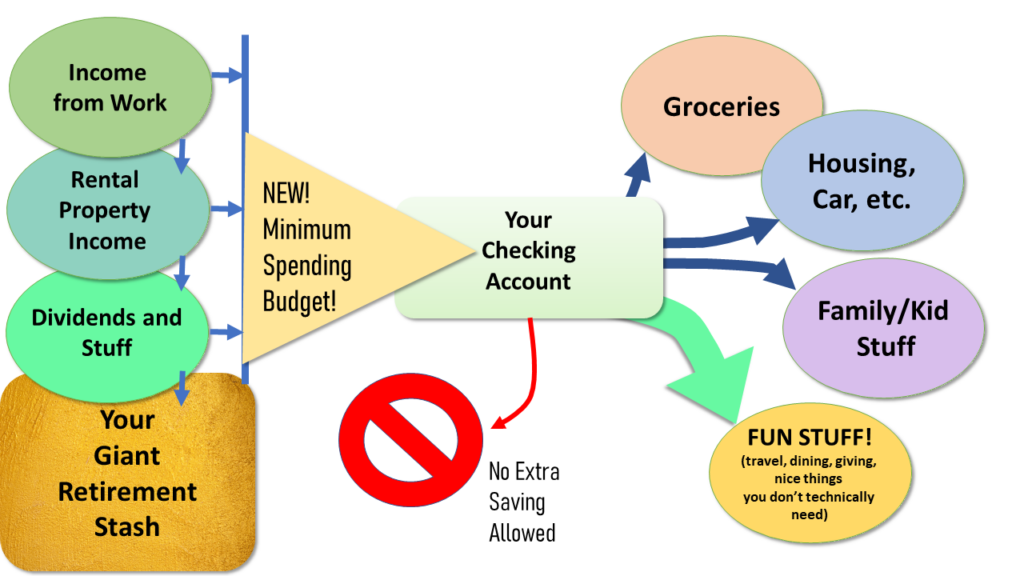
To combat this residual sting of unnecessary thrift, the group began formulating strategies to enjoy their life savings while they are still alive, rather than continuing to relentlessly pile money into an already massive nest egg. The first concept involves defining a realistic minimum spending budget. For instance, a person with a two-million-dollar investment portfolio who lives on $40,000 a year is operating far below safe withdrawal rates. Under the traditional four percent rule, such an individual could safely spend up to $80,000 annually without ever earning another dime, leaving ample room for a higher baseline of comfort without endangering their financial security.
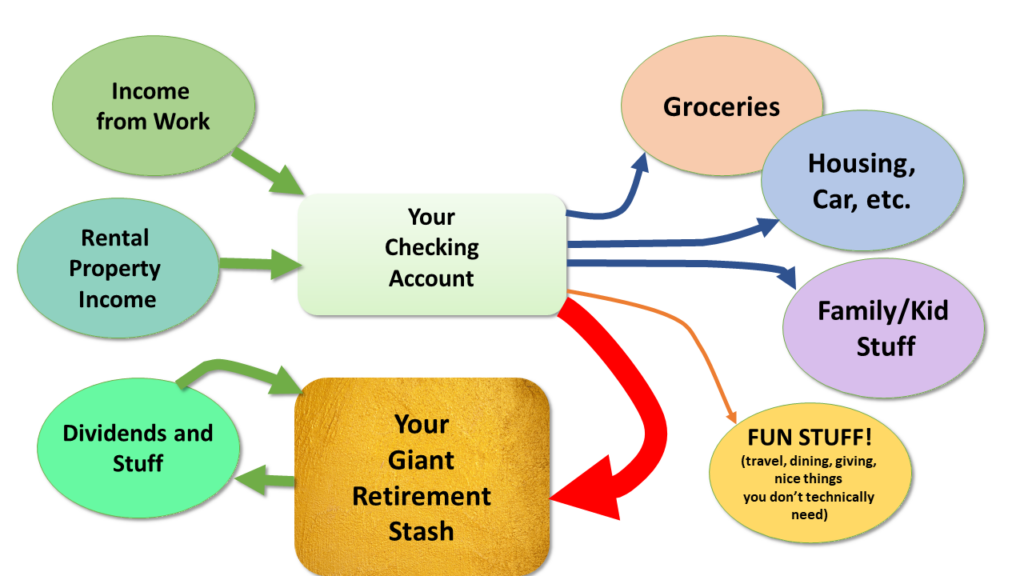
The second strategy involves shifting psychological framing through a dedicated spending account. Lifelong habits are hard to break, and spending accumulated wealth on personal luxuries can feel genuinely uncomfortable. However, just as people easily spend corporate money on business trips without agonizing over restaurant bills, segregating a designated pool of funds for guilt-free enjoyment can trick the brain into letting go of over-optimization.
Finally, the group emphasizes the value of a splurge accountability buddy. Frugal individuals tend to cluster together, often reinforcing each other’s hesitations. By teaming up with peers who are actively trying to dismantle similar mental blocks, they can call out unnecessary cheapness and validate meaningful splurges that genuinely improve their quality of life. Other prominent figures in the financial independence community, such as Carl from 1500 Days, have similarly made the leap to modern electric vehicles, replacing their aging minivans with Chevrolet Bolts.
For Mr. Money Mustache, the shift toward a more modern vehicle is tied directly to a renewed passion for travel. A recent lifestyle change—becoming the co-owner of a fixer-upper vacation rental compound in Salida, Colorado—reignited a love for road trips, mountain biking, and gathering with friends. Realistically, a $50,000 car will increase annual transportation costs by about $10,000 compared to the old van, factoring in depreciation, insurance, and charging. But because his spending deficit was already wide enough to absorb the difference, and because the vehicle’s primary purpose is facilitating long adventures and outdoor excursions, the expenditure aligns with a broader goal of investing in experiences.
This pivot inevitably draws criticism from corners of the internet where observers argue that such sums should instead be directed toward charity. While the author acknowledges that the wealthy have a moral obligation to give generously—having personally donated over $500,000 to various causes during his years of blogging—he pushes back against the shame-driven culture of online finger-wagging. He notes that obsessive frugality can become a trap, where even minor personal indulgences trigger irrational fears of financial ruin simply because they are weighed against massive philanthropic totals.

Ultimately, the philosophy championed in this new chapter is one of balance. It is entirely possible to remain a responsible steward of life savings and give generously to charity while simultaneously setting aside funds for frivolous, joyful spending on oneself and loved ones. Whether that means paying extra for a better airline seat to avoid airport bottlenecks or finally embracing the silent, smooth efficiency of an electric vehicle over a sputtering internal combustion engine, the goal is to eliminate low-level daily stress rather than blindly optimize every penny.
With the old Honda van safely hauled away by an online car salvage service called Peddle—which netted $715 in cash that was immediately reinvested into celebratory dinners out—the era of the wheezing, gear-shifting gasoline clunker has officially ended. A new online tracker, "The Model Y Experiment," has been launched to document the ongoing realities of Tesla ownership, customer service experiences, and future vehicle modifications, marking a definitive, electrified step into the future.