



Financial markets have undergone a profound shift. After roughly fourteen years of relative stability characterized by rock-bottom borrowing costs, the economic landscape has changed dramatically. Interest rates, which hovered near zero for over a decade following the post-financial crisis era, have climbed sharply to reach their highest levels in twenty years.
This dramatic pivot by central bankers has sparked widespread debate among economists, financial commentators, and everyday consumers. While daily financial news reports have closely tracked each incremental rate hike, many observers overlook the most pressing question for individuals trying to manage their personal finances: What practical steps should people take in response to this new reality? Understanding the broader strategy requires examining how the economy reached this juncture, how these changes affect core financial pillars like stocks and housing, and what historical trends suggest about the road ahead.

Why Is This Happening, and What Got Us Here?
To understand the current economic environment, it helps to view interest rates as a massive gas pedal controlling the speed of the broader economy, with Federal Reserve Chairman Jerome Powell at the wheel. For the better part of two decades, the central bank maintained an aggressive monetary policy stance, injecting a steady stream of low-cost capital into the financial system through near-zero interest rates.
This extended period of cheap money catalyzed massive economic activity. Mortgages became exceptionally affordable, encouraging consumers to purchase homes and driving robust demand across both existing housing stock and new construction. Similarly, businesses and venture-backed entrepreneurs capitalized on inexpensive borrowing to launch enterprises, lease office spaces, construct manufacturing facilities, and hire personnel. These newly employed workers subsequently participated in the broader consumer economy, purchasing automobiles, household appliances, and other goods.
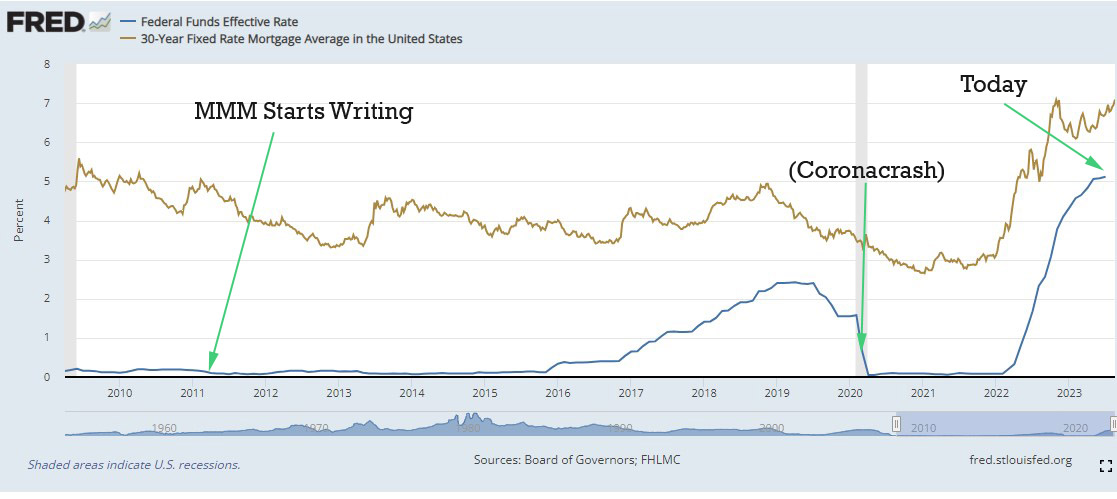
This sustained stimulus supported a long cycle of economic growth, innovation, and prosperity. However, the prolonged easy-money environment eventually overshot equilibrium, resulting in an imbalance where excessive capital chased a limited supply of goods and services, most notably real estate. This dynamic fueled a surge in inflation, prompting the Federal Reserve to alter course.
By stepping back on the monetary gas pedal and raising benchmark interest rates, the central bank intentionally slowed economic momentum. The effects quickly rippled across multiple sectors. Mortgages became considerably more expensive, prompting prospective homebuyers to pause their purchasing plans. Corporations faced higher costs for capital, leading them to curtail factory expansions and slow hiring initiatives, with major technology firms executing substantial workforce reductions. The tightened monetary conditions also triggered isolated stress within the banking sector, culminating in the high-profile failures of several mid-sized financial institutions and fueling broader market anxiety.

Despite the pessimistic narratives frequently amplified by various political and media factions—with diverse groups characterizing the current climate as a period of acute economic distress—underlying economic indicators paint a different picture. Unemployment rates have hovered near historic lows, and broad economic output remains resilient, defying expectations from numerous traditional forecasters. Rather than a sign of systemic failure, the current adjustment functions as a necessary cooling period designed to absorb the excess liquidity that accumulated over the previous decade.
Evaluating the Stock Market Amid Market Volatility
A common anxiety among retail investors during periods of rising rates is whether to liquidate equity holdings to avert a potential market crash. Financial history and long-term data suggest a consistent answer: attempting to time the market by moving in and out based on short-term macroeconomic shifts is rarely effective.

While the U.S. stock market experienced a pullback of roughly ten percent from its early 2022 peak through mid-2023, and remained largely flat over a two-year horizon aside from steady dividend yields, long-term investors generally view these fluctuations through a different lens. Market corrections effectively create discounted pricing conditions for broad-based index funds. Because future market performance remains inherently unpredictable, acquiring equities during a downturn allows investors to purchase shares at lower valuations relative to previous highs, positioning portfolios to benefit when the market eventually resumes its historical upward trajectory.
At the same time, rising yields on cash equivalents, money market funds, and short-term debt instruments have introduced new considerations for savers. With risk-free savings vehicles offering substantially higher returns than in previous years, investors face a theoretical choice between the stability of guaranteed yields and the long-term growth potential of equities. However, because equities historically deliver superior annualized returns over extended periods—and because current market valuations reflect a significant correction—maintaining a disciplined, long-term investment strategy remains the primary approach for navigating the current environment.

The Impact on the Housing Market and Affordability
For most households, the most direct and tangible impact of higher interest rates is felt in the real estate market. The rapid escalation of benchmark rates pushed average mortgage rates up significantly over a two-year span, transforming the economics of homeownership.
When mortgage rates double from historical lows near three percent to over seven percent, the monthly financing costs associated with purchasing a home rise dramatically. Assuming a standard down payment, a median-priced home requires a substantially larger monthly commitment than it did just a few years prior. This dynamic also shifts incentives for existing homeowners, many of whom are reluctant to sell properties secured by low, fixed-rate mortgages, thereby constraining the inventory of available housing.
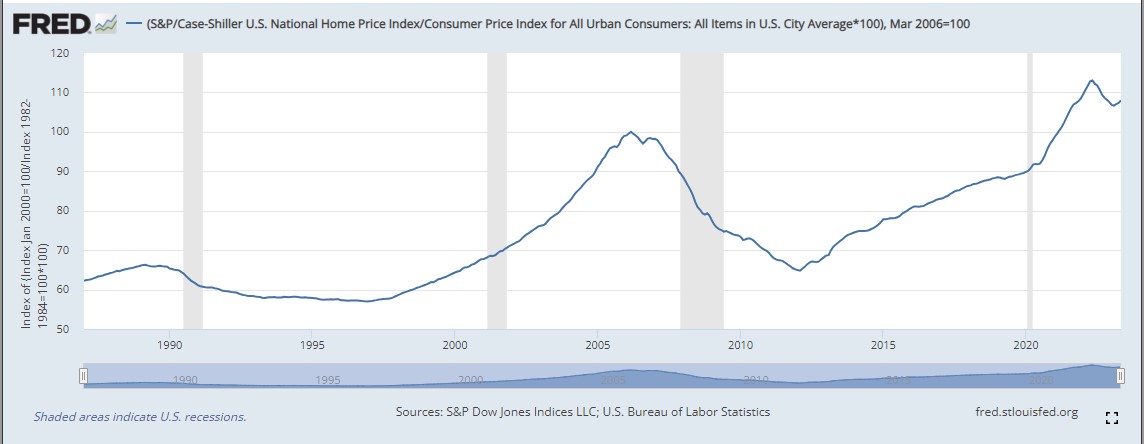
This cooling effect is precisely the mechanism central bank policy aims to induce. Higher borrowing costs are designed to moderate runaway demand, relieve upward pressure on property valuations, and ultimately stabilize or reduce home prices in overextended markets.
However, the trajectory of future home prices depends heavily on fundamental supply and demand dynamics, as well as broader structural factors influencing housing construction. On one hand, technological advancements and modern construction techniques—such as standardized manufacturing efficiencies and innovative building materials—tend to reduce building costs over time. On the other hand, regulatory hurdles, restrictive zoning laws, and complex municipal approval processes have historically restricted new supply, exacerbating housing shortages in many metropolitan regions.
While some markets have seen price adjustments, others continue to grapple with structural supply deficits. Whether housing prices experience a significant nominal decline or simply remain flat relative to future wage growth and inflation, the overarching reality is that the real estate market is undergoing a fundamental re-pricing to align with higher cost-of-capital realities.
Examining the Future of Interest Rates and Economic Indicators
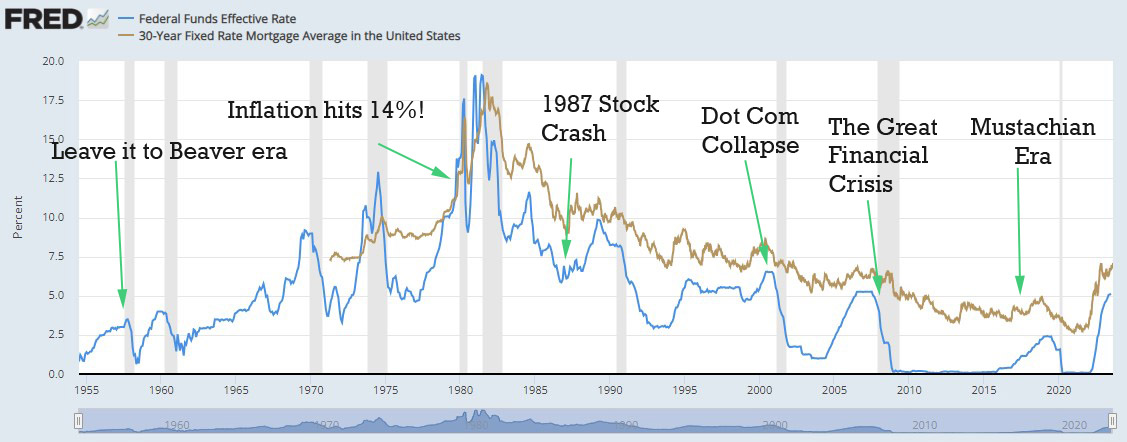
A frequent point of discussion among financial observers is when benchmark interest rates might begin to recede. Context is essential: while current rates feel elevated compared to the anomalous decade of near-zero policy that followed the 2008 financial crisis, they align closely with historical averages over the past several decades. Consequently, a rapid return to ultra-low rates is far from guaranteed.
Monetary policy adjustments are closely tied to macroeconomic indicators, specifically inflation, employment trends, and overall economic growth. Central bankers will typically maintain or increase rates until inflationary pressures are fully contained, and are unlikely to pivot toward monetary easing unless clear signs of an economic slowdown or recession emerge.
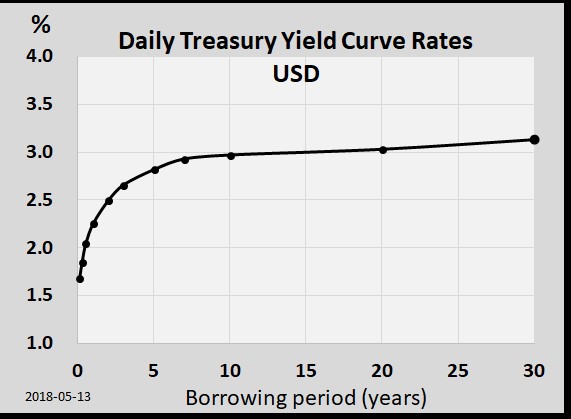
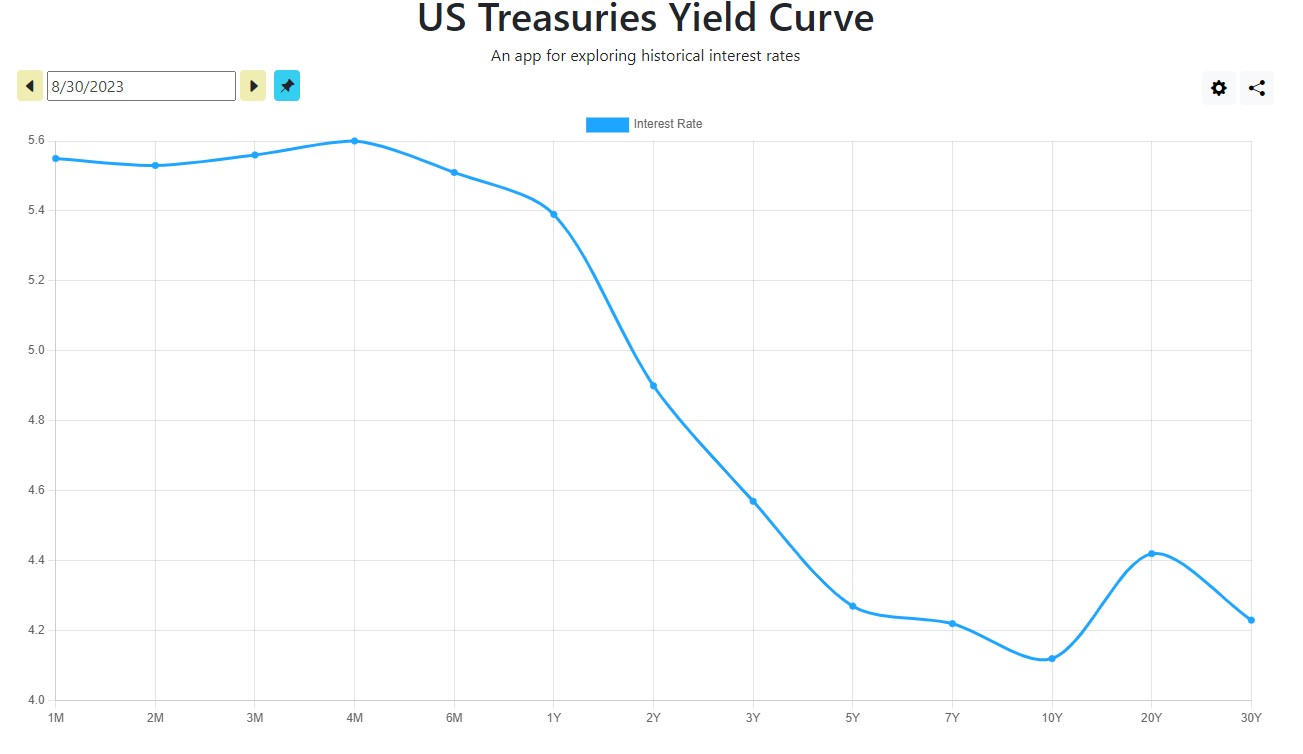
One closely watched indicator of future interest rate trends is the U.S. Treasury yield curve. In a normal economic environment, investors demand a higher yield for locking up capital over longer durations, resulting in an upward-sloping yield curve. However, current financial conditions have produced an inverted yield curve, where short-term debt instruments offer substantially higher yields than long-term bonds. This inversion reflects market expectations that the central bank will be forced to lower interest rates in the future to stimulate a slowing economy. Historically, an inverted yield curve has served as a reliable precursor to economic recessions, suggesting that an adjustment in monetary policy could materialize within the coming years as economic growth moderates.
Ultimately, while macroeconomic variables such as interest rates, inflation, and housing market fluctuations command considerable attention in financial news headlines, they remain largely outside individual control. Maintaining a disciplined focus on personal financial fundamentals—such as managing debt, building resilient savings, and aligning living expenses with long-term goals—remains the most effective strategy for weathering cyclical economic shifts.