




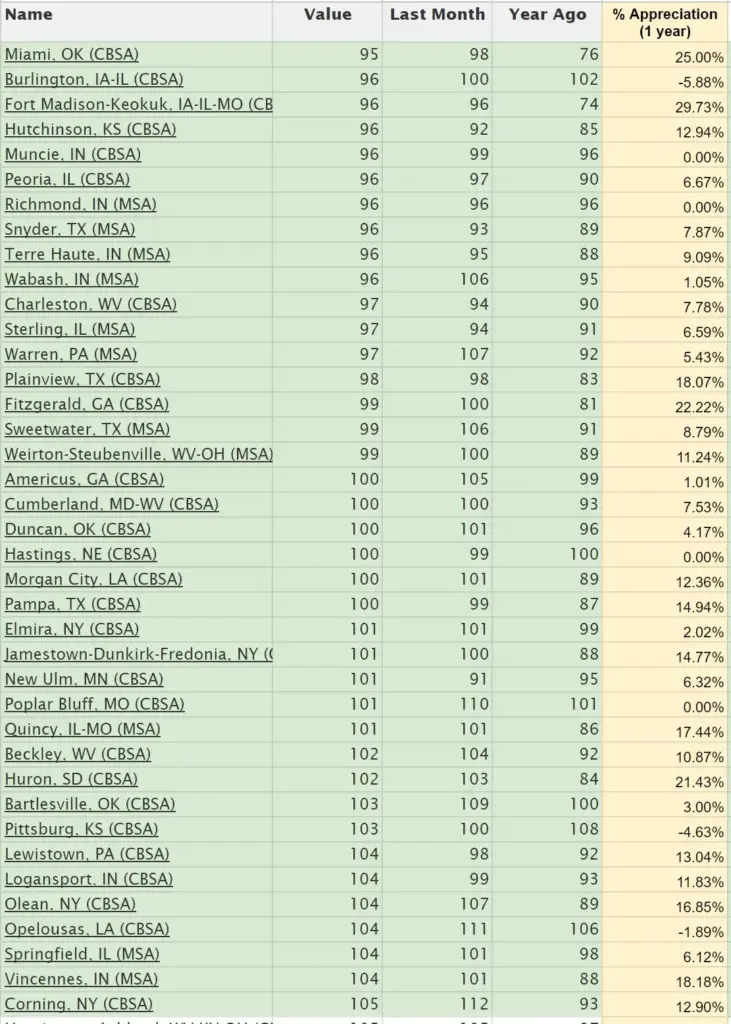
The debate reignited following a critical comment left on a prominent FIRE blog by a reader arguing that the foundational advice of the movement no longer applies to today’s economic climate. According to the reader, the early proponents of financial independence largely benefited from working in the technology sector two decades ago, commanding six-figure salaries, and acquiring real estate at bargain-bin prices well before the dramatic market shifts of 2019.
The commenter pointed out that for young adults entering a post-pandemic world without a six-figure salary or an existing home, traditional strategies like "house hacking" or purchasing a fixer-upper have grown increasingly complex and often out of reach. High interest rates, elevated home prices, and strict local zoning laws that prohibit accessory dwelling units (ADUs) or multi-unit conversions have created formidable roadblocks. The reader voiced a sentiment shared by many aspiring savers: wondering whether the next generation of financial independence advocates will offer solutions tailored to modern economic struggles.

Veterans of the early retirement movement acknowledge that criticisms of this nature are nothing new. Over the years, the philosophy has faced numerous declarations of obsolescence, weathering various economic cycles, recessions, and shifting monetary policies. Yet, proponents argue that many modern frustrations stem less from structural impossibility and more from enduring psychological hurdles—what financial commentators often term excuse-itis and lifestyle inflation.
Examining the core components of the critique reveals two distinct pillars: general income disparities and the dramatic surge in housing costs over the past four years. While high-earning professions in tech and medicine certainly offer a financial advantage, focusing solely on income overlooks a fundamental mathematical reality. Proponents argue that it is virtually impossible to earn a substantial salary for nearly three decades without accumulating significant savings, unless spending scales upward in tandem with earnings. Financial stress frequently plagues high earners and average earners alike when consumption matches or exceeds income.
Consequently, the core philosophy of financial independence has long emphasized streamlining spending and eliminating waste rather than relying exclusively on astronomical incomes. Cultivating efficiency and intentionality with money remains a critical skill set, regardless of where an individual sits on the salary spectrum.
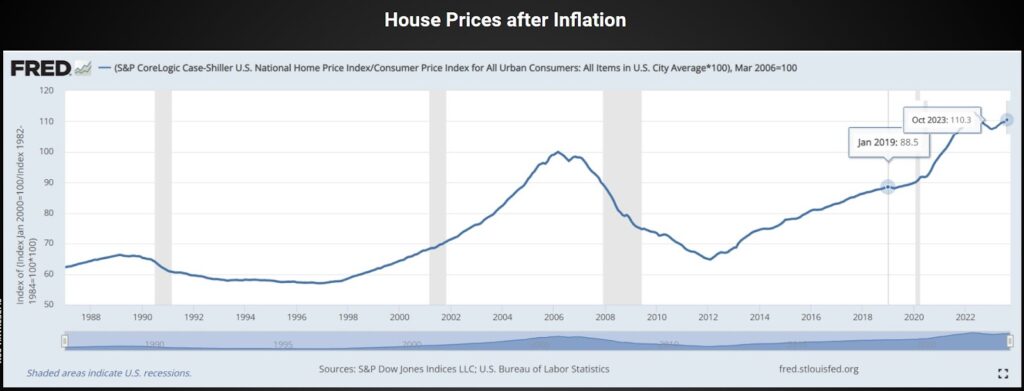
The more pressing challenge raised by modern critics involves the state of the housing market. Data provided by the St. Louis Federal Reserve offers an objective look at this landscape, showing how home prices have adjusted for inflation relative to average wages and overall consumer goods since 2019. Statistically, housing feels roughly 25 percent more expensive than it did at the start of 2019. Interestingly, however, prices stand only about 10 percent higher than their previous peak in early 2006, marking an eighteen-year plateau in real inflation-adjusted terms. While the recent surge is undeniably a blow to first-time buyers, historical data indicates it is not a complete extinguisher of financial independence strategies.
Nevertheless, nationwide averages mask extreme localized disparities, particularly in popular migration hubs. In regions like Longmont, Colorado, median home prices have climbed dramatically since the early 2010s, vastly outpacing local wage growth and leaving standard housing options seemingly out of reach for average earners.
To overcome these regional bottlenecks, financial independence advocates suggest shifting away from a mindset of external victimhood and returning to fundamental consumer choice. Real estate is fundamentally a manufactured product subject to supply and demand. Being born and raised in a specific municipality does not guarantee lifelong affordability, just as residing near a major corporate headquarters does not entitle a resident to luxury consumer goods.
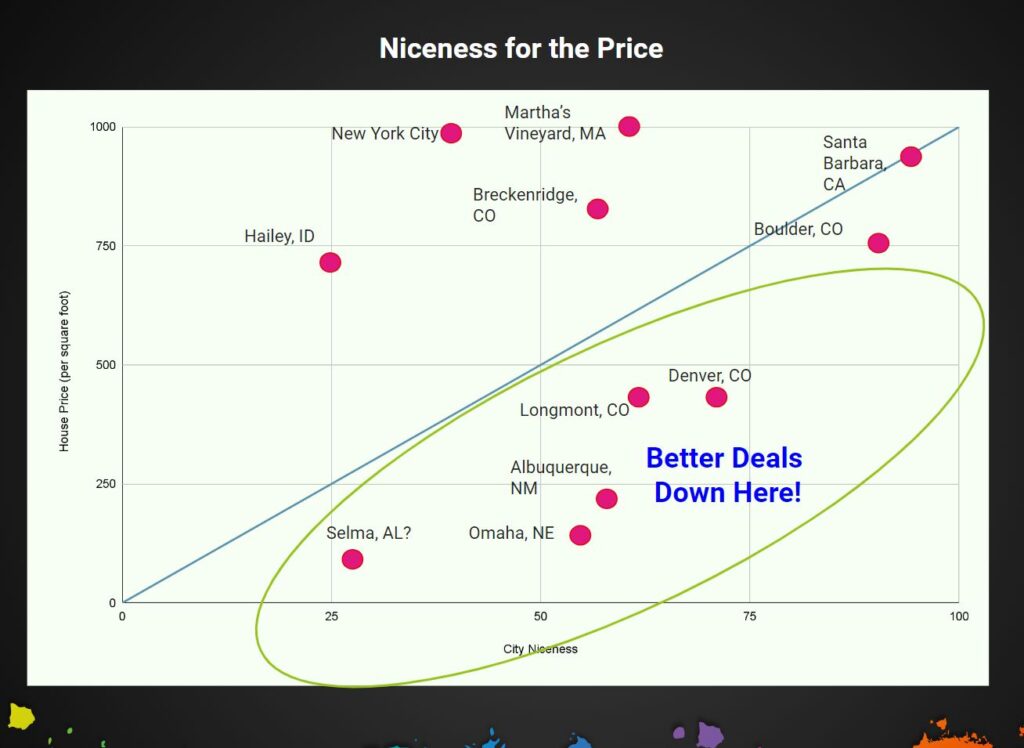
Evaluating housing requires treating location as a variable rather than a fixed constraint. When local markets become prohibitively expensive, prospective buyers and renters can analyze cost-of-living metrics across broader geographic areas. Federal Reserve data cataloging metro areas by price per square foot reveals vast discrepancies across the United States. While coastal hubs and trendy mountain towns command top dollar, numerous mid-sized metropolitan areas offer significantly lower housing costs per square foot while maintaining high quality-of-life amenities.
Geographic flexibility remains one of the most powerful, yet underutilized, tools for accelerating savings. Fear of change often binds individuals to high-cost areas, creating irrational housing pricing patterns where certain cities become exponentially expensive while others remain remarkably affordable. By expanding the search radius beyond immediate hometown ties, individuals can uncover regions that align more closely with their financial targets.
Digital tools created within the financial independence community, such as specialized cost-of-living calculators that factor in climate, regional population size, and monthly budgets, allow prospective movers to explore alternative domestic and international locations. These platforms demonstrate that comfortable living standards and robust outdoor recreation are accessible across a wide spectrum of price points, from mid-sized American cities to global destinations.
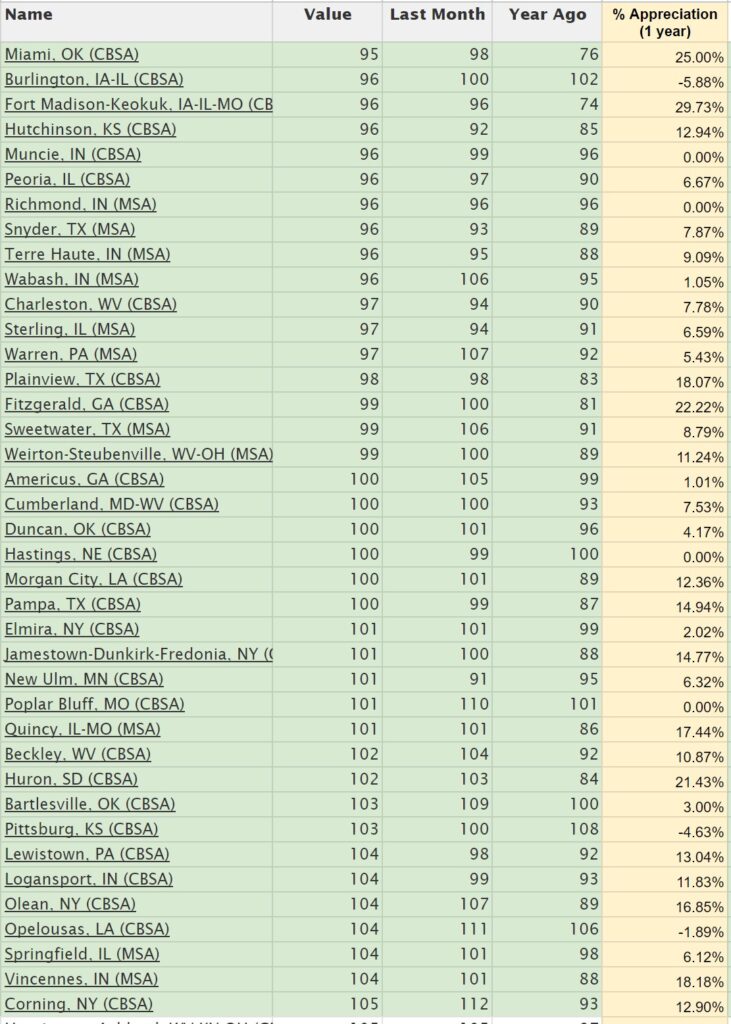
Transitioning to a new region, whether domestically or internationally, inevitably involves navigating administrative hurdles, legal frameworks, and logistical puzzles. Yet advocates argue that viewing these tasks as insurmountable barriers rather than routine administrative steps prevents individuals from making life-altering improvements. Choosing to remain in an unfavorable economic environment or extending a career by over a decade simply to finance a high-cost locality often represents a far greater burden than executing a carefully planned relocation.
Ultimately, the evolving conversation surrounding financial independence in the modern era emphasizes that housing and lifestyle choices remain within individual control. By critically assessing geographic assumptions, leveraging available economic data, and prioritizing personal values over cultural defaults, a new generation of savers can continue to chart a viable path toward financial independence.