


For more than a decade, the man behind the popular personal finance persona Mr. Money Mustache has occupied a unique space in the digital landscape, advocating for radical self-reliance, active transportation, and mindful spending. Yet, as his net worth has naturally compounded over the years alongside his readership, a familiar refrain has begun to circulate among critics and online commentators.
"I used to read Mr. Money Mustache," some critics now argue, suggesting that he has grown too wealthy and fancy to understand the common person’s struggles, or that he has long since abandoned the money-saving principles he famously preaches.
For the author, such critiques are met with amusement rather than defensiveness. Putting a significant volume of personal life details online naturally invites misunderstanding as part of the package. However, the underlying reality—shared not just by the author, but by a broad community of like-minded individuals known as Mustachians—is that these foundational financial principles continue to function precisely as designed, regardless of how a person’s net worth scales over time.
When examining the core philosophy, very little has shifted regarding the basics. Much like numerous long-term readers over the past twelve years, the author’s total wealth has increased steadily. Yet, just like many members of this community, he has felt little impetus to fundamentally alter his spending habits, primarily because his approach was anchored from the start in maximizing an enjoyable life rather than enduring temporary deprivation for a distant reward.
This distinction highlights what proponents view as a core divergence between standard financial guidance and Mustachianism. Conventional advice typically encourages individuals to slash spending and make sacrifices until they hit a specific savings percentage, after which further thrift becomes a matter of personal choice, opening the door to increased income funding a lifestyle of relative abundance. In contrast, the Mustachian framework cultivates an ongoing appreciation for efficiency, creativity, self-awareness, and personal improvement. This mindset is deployed to enhance daily life across all domains, naturally driving monthly expense rates downward over time while simultaneously elevating living standards.
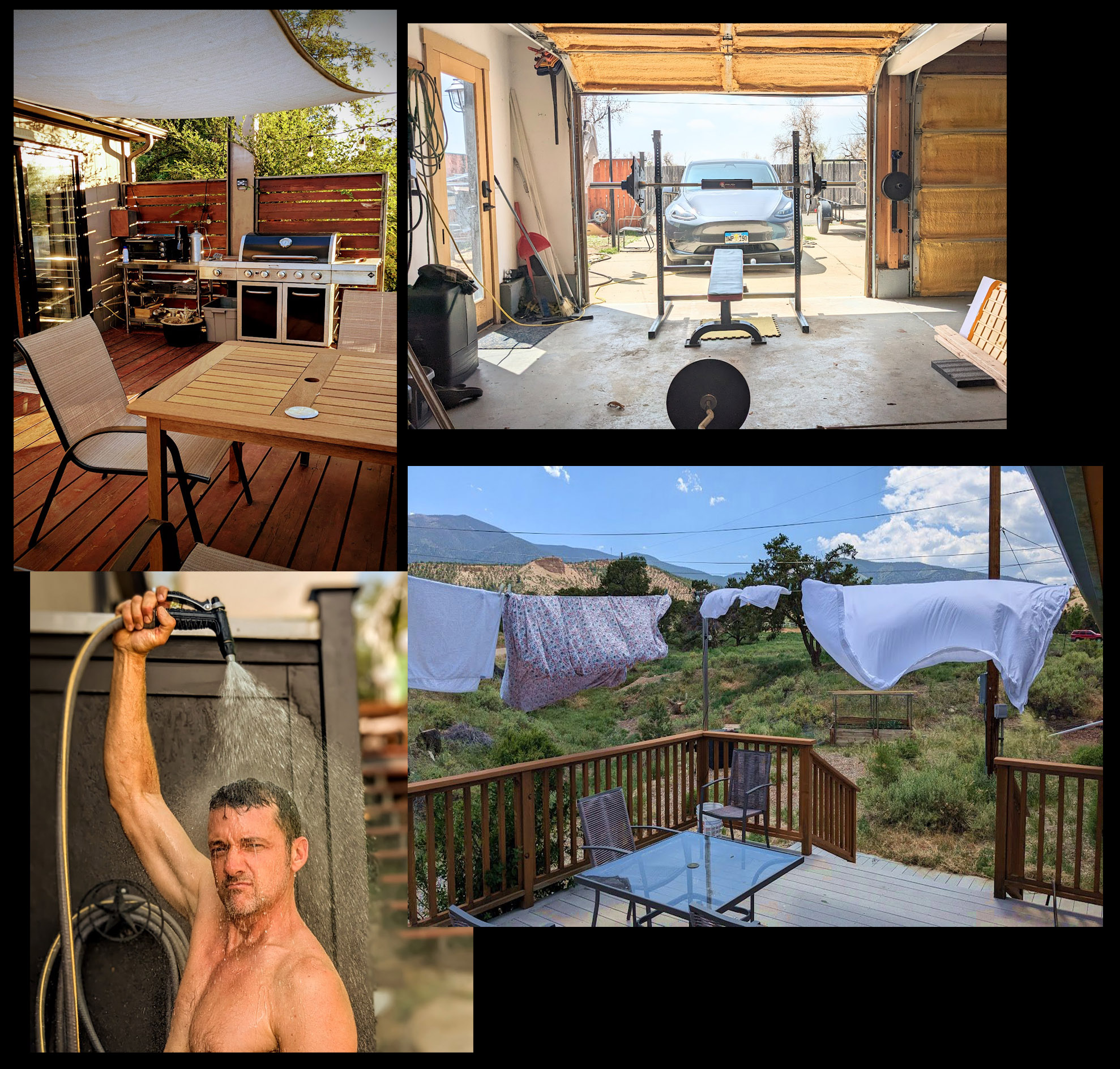
In practice, this philosophy translates into everyday routines that happen to be deeply enjoyable while serendipitously preserving financial resources. Using a metric that evaluates financial impact across decades—utilizing the compound investment formula of multiplying a monthly savings figure by 172—the author highlights several concrete examples from his current lifestyle that demonstrate how these habits persist long after financial independence has been achieved.
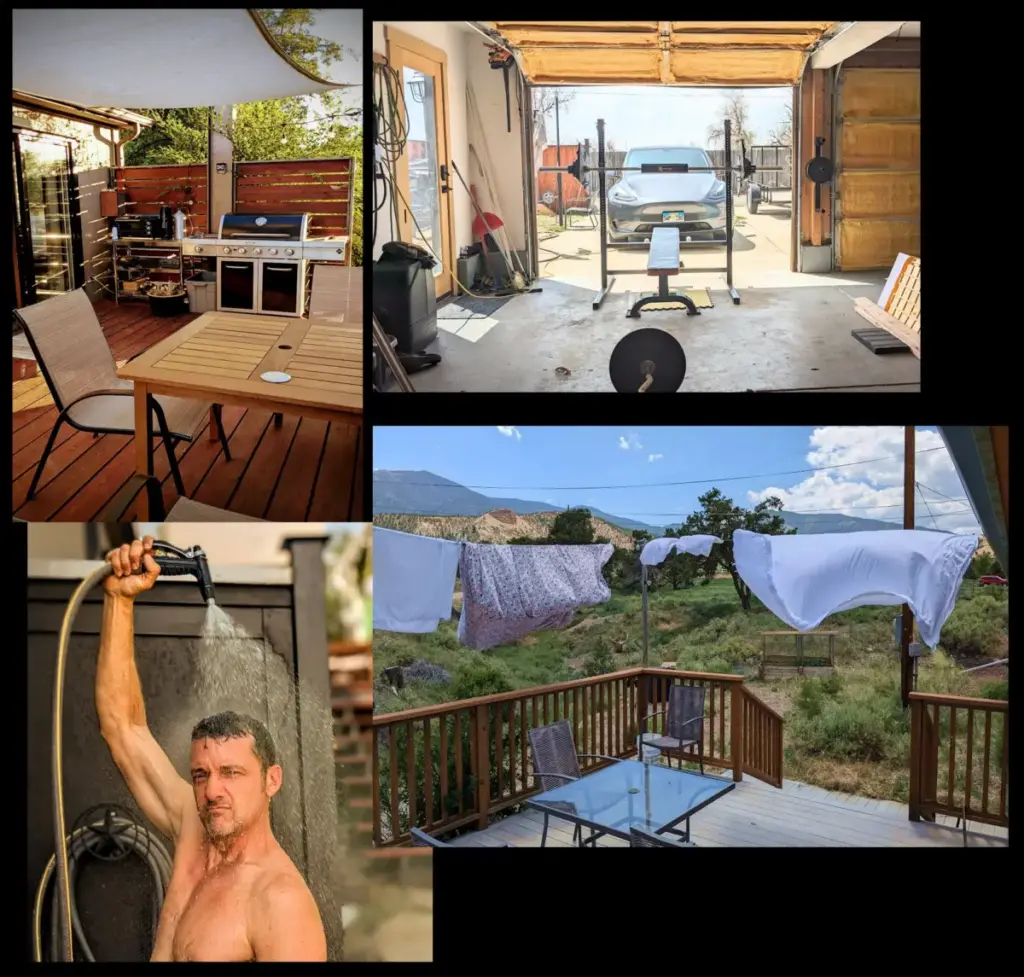
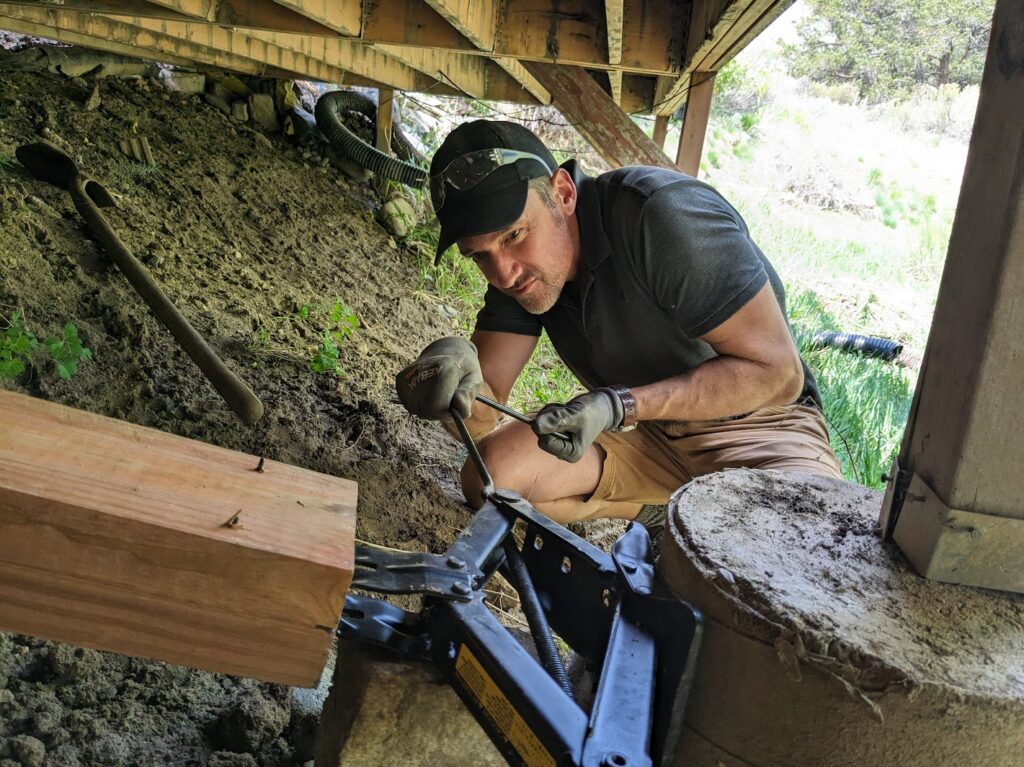
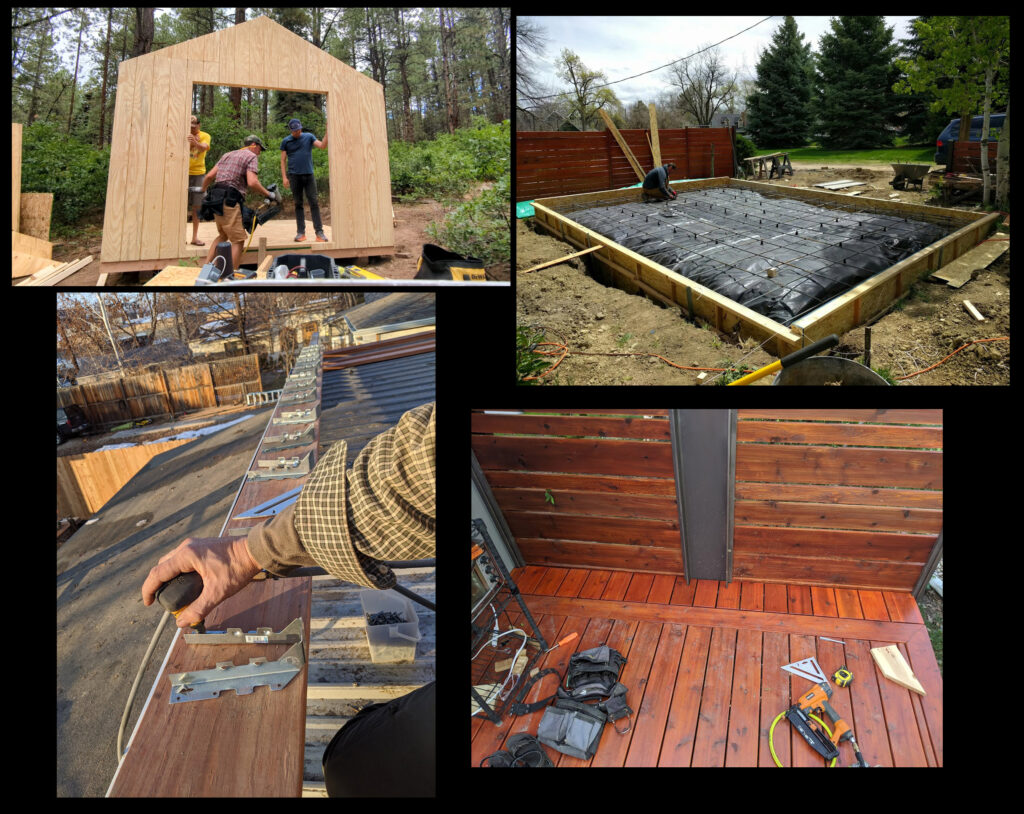
The first major pillar of this lifestyle is comprehensive self-sufficiency, particularly regarding home maintenance and construction. Operating on the premise that a key ingredient to a happy life is becoming a producer of the things one most enjoys consuming, the author directs his enthusiasm toward architecture and remodeling. Rather than depending heavily on outside contractors and external supply chains, he channels his free time into redesigning old buildings, both for his own properties and for friends, while teaching others to shed their reliance on external service providers. Estimated at an average savings of $20,000 per year, this hands-on approach compounds to roughly $287,000 per decade.
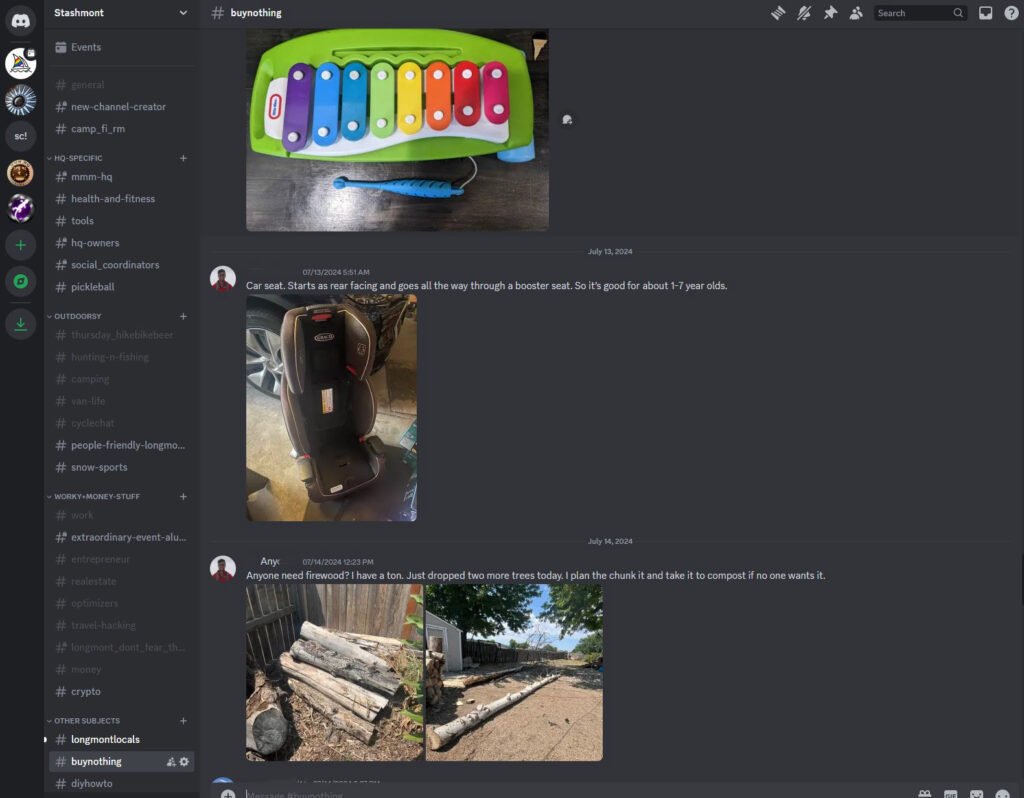
A similar ethos of resourcefulness governs material possessions and community engagement. While the financial security to purchase brand-new retail goods delivered instantly to one’s doorstep is a hallmark of affluence, the author argues that finding alternative methods to share, repurpose, and acquire high-quality items from neighbors offers a superior route. Utilizing online platforms such as Craigslist, Facebook Marketplace, and specialized local Discord servers—such as the roughly 200-member local community group associated with the author’s headquarters—participants regularly exchange goods, tools, and expertise. This community-driven exchange yields an estimated savings of approximately $42,000 per decade.
Transportation choices remain another cornerstone of the philosophy. Insisting that active transportation is the most effective way to navigate daily life, the author continues to rely primarily on bicycles and walking for the vast majority of his local trips. While automotive expenses often average fifty cents or more per mile due to rapid depreciation and ongoing maintenance, relying on human-powered transit within a localized small-city environment reduces vehicular mileage significantly. Even restricted to a modest two thousand miles per year of avoided driving, the practice generates tangible savings of around $14,000 per decade. Beyond the balance sheet, however, active transportation fundamentally alters physical and mental health outcomes.
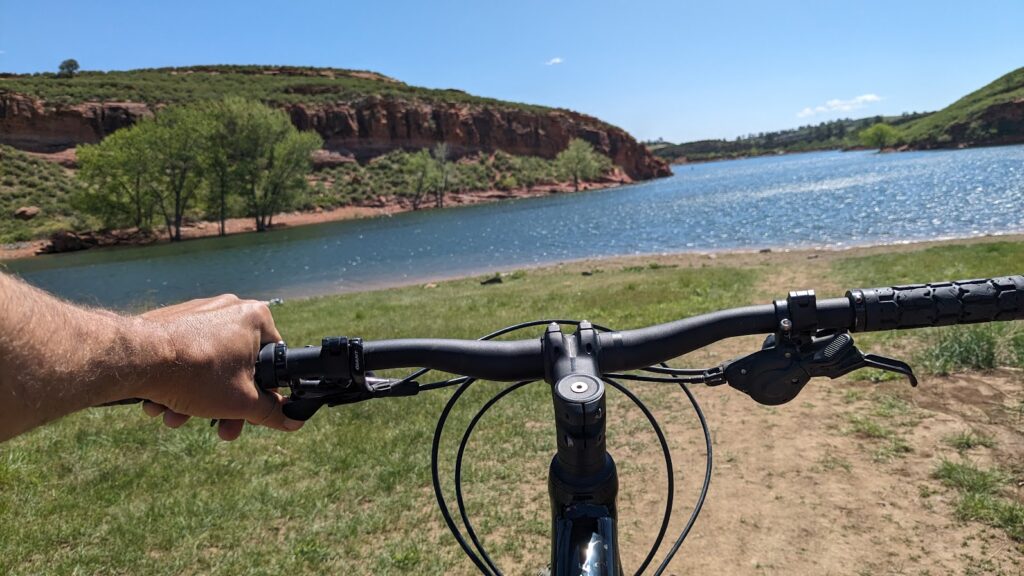
This preference for human exertion over motorized convenience extends to physical labor around the property. Whether choosing stairs over elevators, running golf courses instead of riding in carts, moving heavy furniture independently, or shoveling snow and raking leaves without mechanical assistance, the underlying philosophy prioritizes bodily engagement. Framed around the basic biological principle of use-it-or-lose-it, these physical choices contribute to sustained health and vitality. While precise financial calculations for personal health are complex, contrasting individual habits against broader national healthcare spending averages suggests a conservative estimated benefit and savings profile reaching roughly $140,000 per decade.
Energy efficiency within the household offers another avenue where engineering curiosity intersects with frugal living. Rather than maintaining a standard, energy-intensive suburban footprint, the author treats his living space as an ongoing efficiency project. Modifications range from architectural adjustments like southern-facing windows and sliding doors designed to capture passive solar heat during winter months to localized outdoor living configurations. Despite requiring considerable manual effort, these adjustments reduce typical monthly utility outlays significantly, compounding to an estimated savings of roughly $30,000 per decade while maximizing personal satisfaction.

Finally, a deliberate preference for local living over constant travel rounds out the lifestyle framework. While travel remains a valuable tool for broadening life experiences, an uncritical embrace of continuous vacationing can crowd out the simple pleasures of home and community. By choosing to say no to excessive travel and yes to local engagement, families can reduce both direct expenses and incidental costs—such as health benefits and stronger local friendships. Pruning travel plans by even a modest margin for a family can save substantial sums in direct and indirect costs, translating to an estimated wealth increase of roughly $143,000 per decade.
When aggregated, these ongoing habits account for a cumulative financial impact exceeding $656,000 every ten years—a figure that surpasses the median wealth accumulated by many American seniors after a lifetime of traditional workforce participation. For the author and those who share these practices, these numbers are not the result of agonizing sacrifice or joyless penny-pinching, but rather the natural byproduct of a lifestyle optimized for engagement, efficiency, and personal capability.