

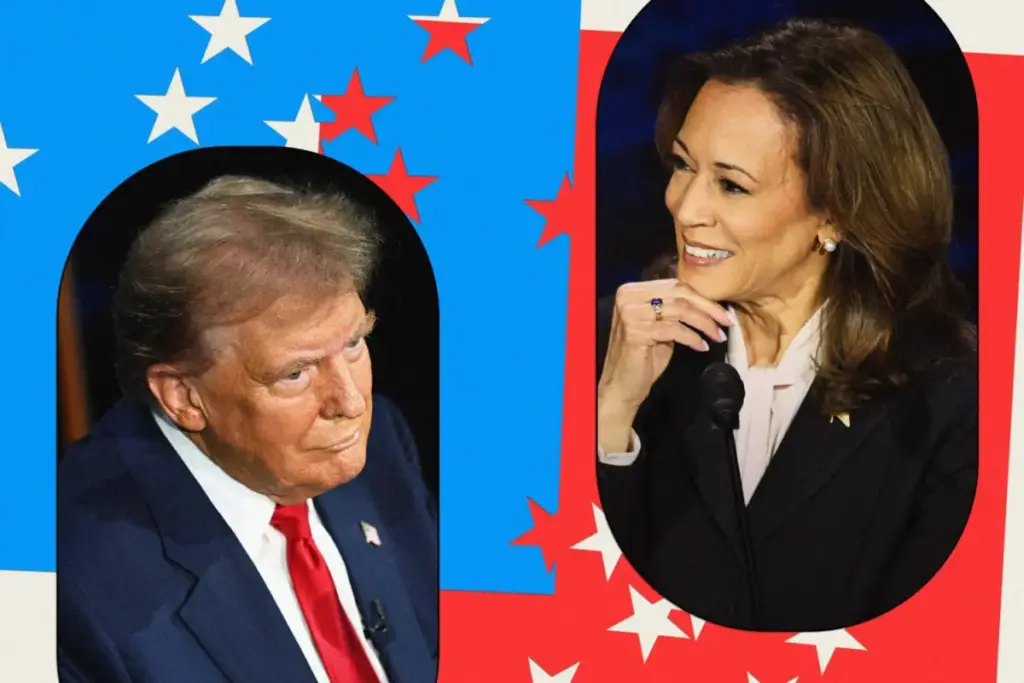
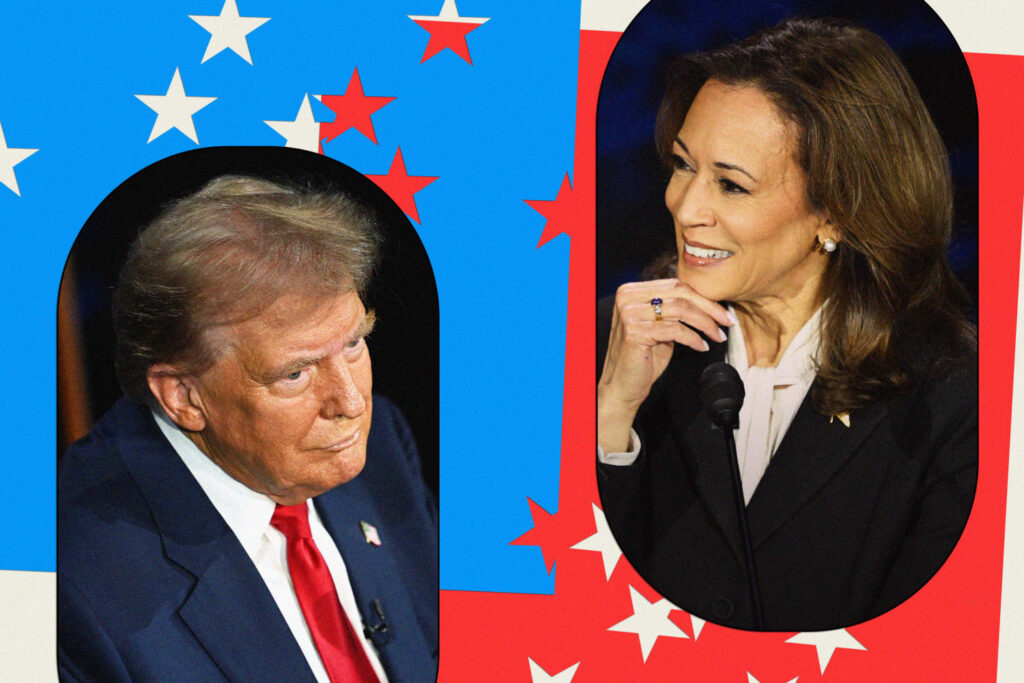
As the United States barrels into another high-stakes presidential election cycle, the political landscape is once again saturated with fiery rhetoric, conflicting narratives, and intense debates over the direction of the national economy. For financially savvy observers, the constant sparring between political factions is largely background noise—important enough to research and cast a ballot over, but secondary to focusing on personal agency and individual financial health. Yet, when political rhetoric veers wildly away from basic economic reality, it becomes necessary to examine the facts behind the figures.
Across the political spectrum, candidates eager to sway undecided voters in critical swing states frequently lean into emotionally driven arguments rather than sound economic principles. This disconnect is particularly glaring when evaluating the current state of the U.S. economy. Despite sweeping claims from opposition figures that the nation is suffering through a "bad economy," empirical data paints a radically different picture. In reality, the U.S. economy remains exceptionally robust, underpinned by historically low unemployment rates and sustained wage growth.
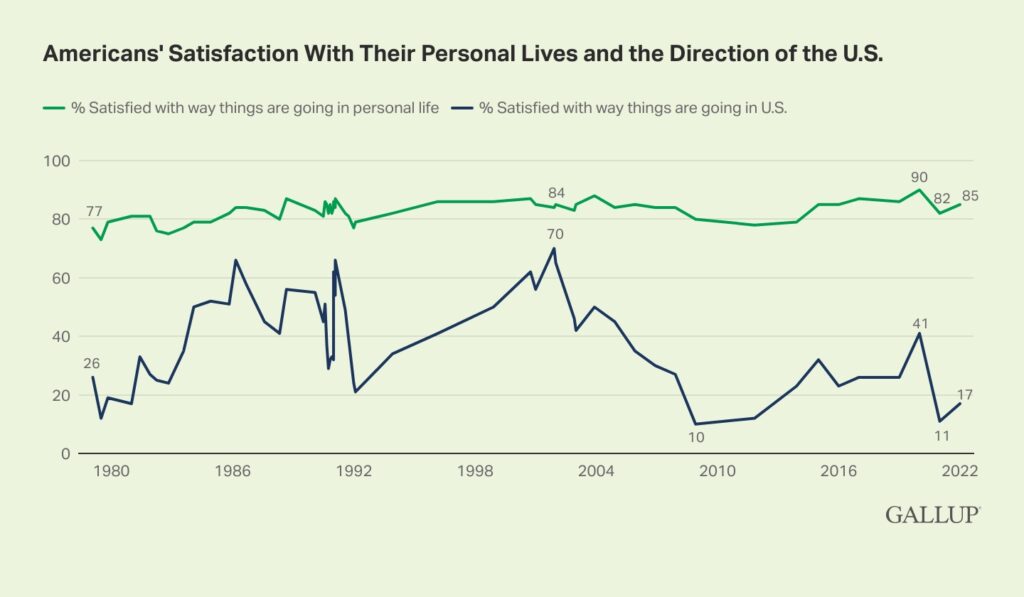
While the recent wave of higher inflation signaled an economy running perhaps a bit too hot—prompting necessary interventions through higher interest rates—the broader financial health of the American public is remarkably strong. Data from recent public polling reveals a fascinating psychological paradox: while the vast majority of individuals report that their personal financial situations are thriving, a starkly small fraction believe the broader economy is doing well. Mathematically and logically, this sentiment is a contradiction. If the vast majority of citizens are experiencing personal financial well-being, that collective prosperity is precisely the definition of a healthy economy.
This widespread disconnect between personal reality and public perception correlates closely with the amplification of economic misinformation, often fueled by modern media channels. To help clear away the political fog, several persistent economic myths frequently pushed by political candidates deserve a thorough examination through the lens of empirical data.

The Illusion of Presidential Economic Control
One of the most enduring fallacies of American politics is the notion that the sitting president wields direct control over the national economy. During periods of economic contraction, opposition parties routinely point the finger of blame directly at the Oval Office. Conversely, administrations presiding over periods of growth are quick to claim personal credit for the macroeconomic success.
In truth, the United States economy is a massive, decentralized engine that converts labor and raw materials into an endless array of goods and services. Generating roughly 26 percent of global economic activity, the U.S. remains the world’s largest national economy, yet it remains inextricably linked to and heavily influenced by the remaining 74 percent of economic activity generated globally by billions of people across the planet.
Natural economic cycles of expansion and contraction are typically driven by waves of human behavior—ranging from periods of speculative exuberance and risk-taking, such as the housing boom of 2007, to subsequent cycles of fear and pessimism, as seen during the financial crisis of 2008 through 2012. While federal policies, taxation, and regulations play a role in shaping the environment, the effects of these policies are often delayed and difficult to predict. Establishing a direct, immediate line of cause and effect between a current president and day-to-day macroeconomic conditions is rarely accurate. The government can adjust the rudder of the ship, but the vessel itself is continuously buffeted by broader global economic tides and waves.
The Misunderstanding of Interest Rates and Monetary Policy
Candidates frequently attempt to appeal to middle-class voters by expressing sympathy over elevated borrowing costs tied to credit cards, auto loans, and mortgages, often pairing these expressions of concern with promises to actively force interest rates downward. Some political figures have even gone so far as to publicly criticize the independence of Federal Reserve board members, suggesting that executive authority should be extended over monetary policy decisions.
Monetary policy functions as a vital set of economic gas and brake pedals rather than a tool that should be wielded directly by a political administration. When economic activity slows and unemployment climbs, reducing interest rates can stimulate job creation and support asset prices. Conversely, when the economy overheats, cooling mechanisms are required to curb rapid inflation. Preserving the independence of central banking institutions is widely regarded by economists as essential to maintaining long-term financial stability.
Navigating the Reality of Inflation and Wages
The debate surrounding inflation and its impact on everyday households often oversimplifies a complex post-pandemic economic recovery. Following the disruptions of the COVID-19 era, the global economy experienced a rapid surge in inflation. This spike was driven by a rare convergence of factors, including supply chain bottlenecks, factory closures, remote work shifts, pent-up consumer demand fueled by government stimulus, and historically low interest rates. As supply chains have normalized, inflation rates have receded significantly toward long-term historical averages.
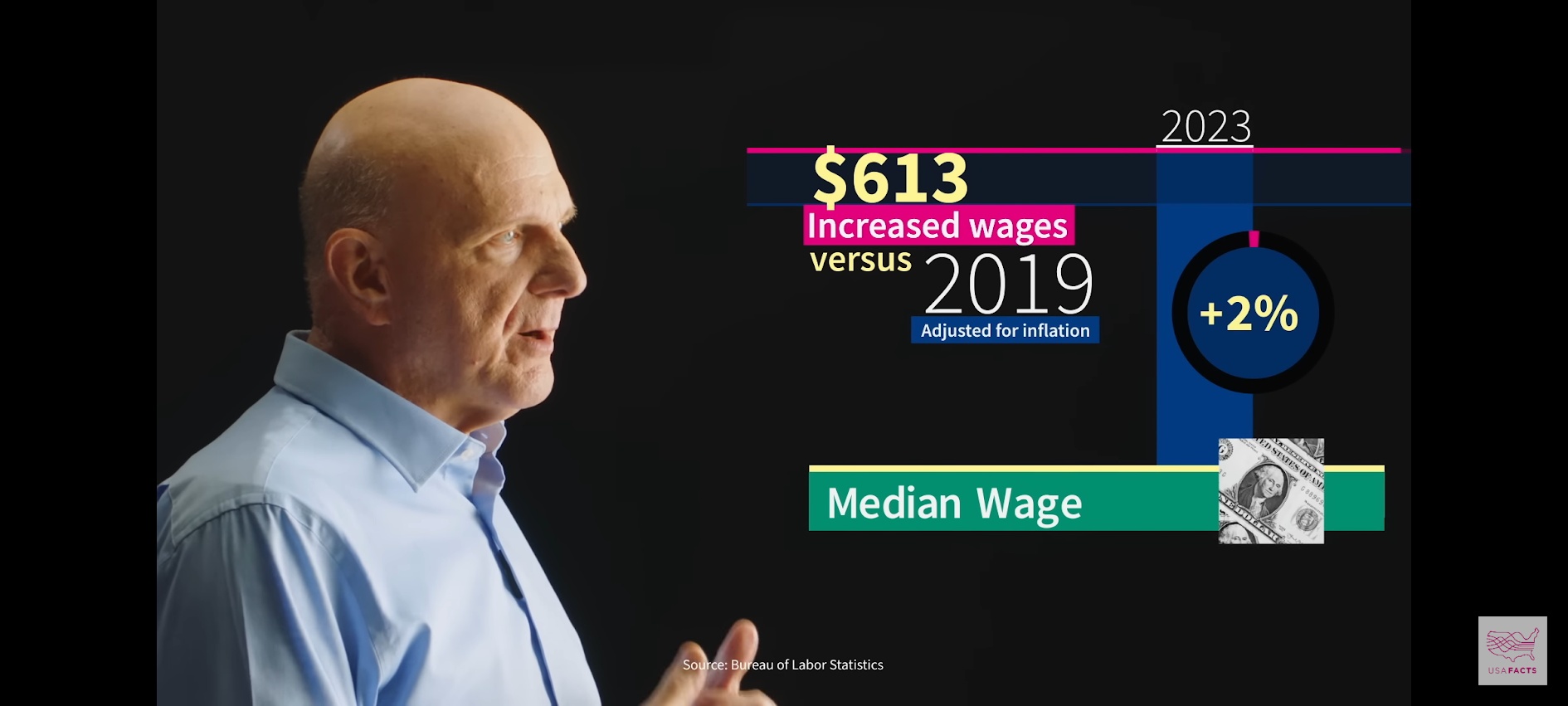
Crucially, broader economic indicators show that overall wage growth has outpaced cumulative inflation over the medium term. Since 2019, while general consumer prices have risen notably, average wages have climbed at a slightly higher rate, leaving many workers with improved purchasing power over the span. Despite these figures, political discourse often characterizes price increases and higher wages as outright indicators of economic distress, occasionally assigning blame to corporate profit-seeking behavior. However, thorough analyses of market sectors—such as comprehensive studies on grocery retail pricing—indicate that standard market competition generally prevents widespread, anomalous windfall profit-hoarding during inflationary periods.
Housing Affordability and the Challenge of Supply
One area where significant structural changes have impacted households is the housing market. Over the past decade, residential real estate prices and rental rates have outpaced general consumer inflation and wage growth in many regions. Compounded by higher interest rates intended to cool borrowing, prospective homebuyers currently face a challenging environment characterized by elevated purchase prices alongside increased mortgage servicing costs.
Proposed political remedies often focus on demand-side interventions, such as subsidies for first-time buyers or measures designed to artificially lower mortgage rates. Many housing and economic experts argue that such policies risk exacerbating affordability issues by fueling further demand. Instead, the primary driver behind high housing costs is a persistent supply shortage. Addressing this deficit requires removing regulatory roadblocks that hinder residential construction, streamlining municipal permitting processes, easing restrictive zoning laws, and reevaluating parking and setback requirements to allow for more efficient land use.
The Outsized Focus on Gasoline Prices
Gasoline prices remain a perennial focal point of political campaigns, frequently cited as a major burden on household budgets. When adjusted for inflation, however, gasoline prices remain broadly comparable to historical averages seen decades ago. Furthermore, consumer spending on fuel generally represents a modest single-digit percentage of total disposable household income, often eclipsed by the broader fixed and variable costs associated with vehicle ownership and maintenance.
With the expanding adoption and decreasing cost parity of electric vehicles, the traditional internal combustion engine is gradually being phased out by market forces and technological advancement. Modern electric vehicles offer maintenance reductions and lower operating costs, shifting the automotive landscape away from traditional petroleum dependency.
Evaluating Broader Well-Being and Wealth
The intense focus on macroeconomic indicators during election cycles often obscures a fundamental truth about modern society: advanced economies have largely surpassed the threshold of basic material sufficiency. While income and wealth distribution disparities remain a significant topic of public policy and taxation debate, the pursuit of endless economic growth does not always correlate directly with personal well-being or happiness.
As historical economic data and broader societal observations suggest, once basic material needs and security are met, additional accumulation of wealth yields diminishing returns in terms of personal fulfillment. True financial security and contentment are frequently rooted more deeply in individual mindset, financial literacy, and personal adaptability than in political promises or macroeconomic fluctuations.