

While fitness culture has long been dominated by the pursuit of visible physical metrics—obsessing over the development of biceps, quads, abdominal muscles, and glutes through targeted training blocks and rigorous tracking—an entire foundational network of anatomy has remained largely overlooked. Deep beneath the surface lie 29 intricate muscles, such as the flexor digitorum brevis, the quadratus plantae, and the plantar interossei, working tirelessly with every passing moment. For the vast majority of fitness enthusiasts, these small, specialized muscles of the feet are an afterthought. Athletes and gym-goers routinely ice hamstrings, foam roll iliotibial bands, and dedicate entire sessions to shoulder mobility, only to encase their feet in narrow-toed sneakers and call the preparation complete.
This persistent oversight has increasingly emerged as a glaring blind spot in modern training routines and wellness paradigms. The reality of human biomechanics dictates that the feet are far from passive structures; rather, they are running the show as the primary point of contact between the human body and the physical world. Every single step taken initiates a complex neurological and muscular feedback loop. The brain communicates constantly with thousands of mechanoreceptors embedded on the soles of the feet, processing spatial orientation, calculating how to distribute bodily loads, and orchestrating the balance required to keep a person upright. Because this intricate system operates automatically throughout the day, it is remarkably easy to take for granted.
What proves considerably less ignorable, however, is the cascading effect that occurs when that vital sensory and mechanical system begins to experience dysfunction. Experts emphasize that problems originating in the foot rarely remain localized. Instead, mechanical failures and compensations travel upward through the ankle joint, progress into the knee, ascend to the hip structure, and ultimately manifest in the spine. What begins as a tight, underused arch can gradually contribute to compensation patterns that eventually present as persistent knee pain, hip instability, or chronic lower back tightness.

This connection between foot mechanics and long-term physical well-being forms a critical pillar in the conversation surrounding human longevity. Leading foot and gait mechanics experts, including chiropractic physician Dr. Courtney Conley, have repeatedly highlighted that declining foot strength does not exist in an isolated orthopedic vacuum. Instead, it correlates directly with reduced gait speed, a heightened risk of falls, and a progressive loss of independence as individuals age. These are real, measurable outcomes that begin accumulating long before most people ever think to pay attention to the health of their lower extremities. Recognizing that foot function serves as a primary predictor of how well a person moves through life over time has prompted a growing number of individuals to reevaluate their daily habits rather than waiting for an injury or functional decline to force the issue.
Driven by this realization, fitness practitioners and researchers have begun exploring the tangible impacts of deliberately integrating foot awareness into daily routines. For many, this exploration involves simple yet intentional shifts, such as incorporating toe spacers into evening relaxation routines. Initially, the sensation of wearing toe spacers can feel profoundly uncomfortable—not necessarily painful, but deeply unfamiliar, particularly for individuals with a background in high-impact sports or long-distance running. Visual evidence from elite athletes frequently reveals the alarming extent to which rigorous training combined with narrow footwear can visibly compress and crowd the toes. To counteract these structural pressures, many individuals have turned to regular toe spreading, especially following high-lateral-movement activities like pickleball or after extended walks, gradually transforming an awkward sensation into a welcome relief.
In tandem with passive recovery tools, foot-specific strength training has emerged as a vital component of functional wellness. Far from requiring grueling regimens, this targeted work often involves slow calf raises with an eccentric focus—where the lowering phase generates the primary muscular workload—alongside short-foot exercises, barefoot balance drills, and humbling attempts at independent toe movement. Because many of these exercises can be performed effortlessly while standing at a desk during the workday, the traditional barriers to entry are remarkably low. Yet, the initial difficulty of executing isolated toe movements quickly exposes just how neglected these intrinsic muscles have been over years of conventional training.
Another significant adjustment involves minimizing the reliance on traditional house slippers and cushioned mules. While comfortable, such footwear allows the intrinsic muscles of the foot to remain idle indoors. By increasing barefoot time at home—or training in socks during gym sessions, particularly during single-leg movements and squats—individuals can encourage their feet to engage directly with the ground, activating the foundational support structures that modern cushioning often renders dormant.
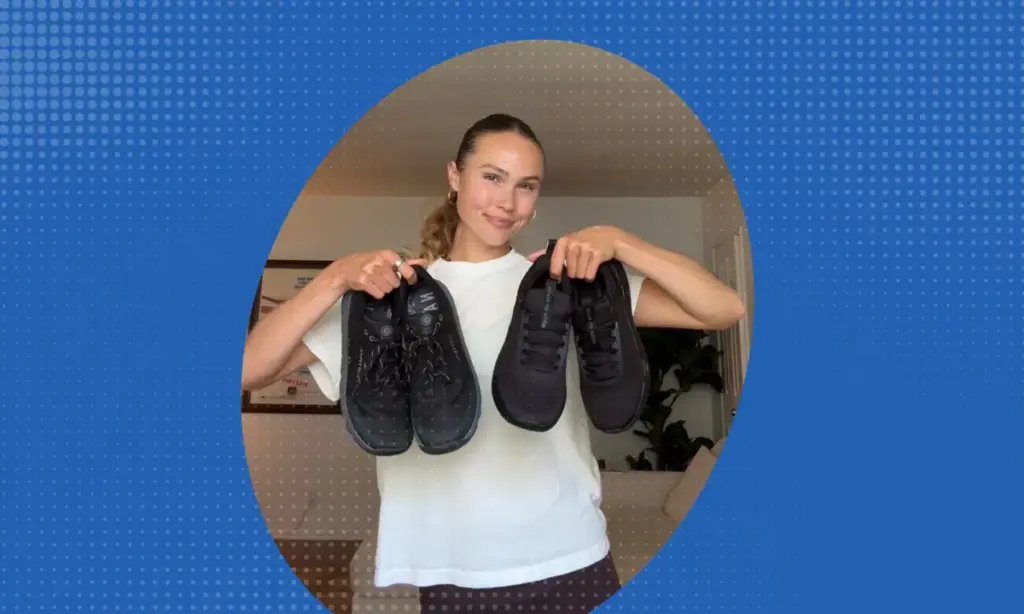
Underpinning these physical adjustments is a thorough audit of daily footwear. When examining the shape of toe boxes, the degree of cushioning, and overall structural design, a recurring theme becomes apparent: modern footwear frequently prioritizes immediate comfort at the direct expense of long-term mechanical function. According to biomechanical experts like Dr. Conley, highly cushioned running shoes can dampen the crucial sensory input transmitted by the mechanoreceptors in the soles of the feet. This reduction in proprioception results in a less stable platform, depriving the brain of essential spatial data regarding the body’s position.
Under heavy physical loads—such as deep squats, lunges, or sudden lateral cuts on a court—this reduced sensory clarity creates micro-instabilities. These minute disruptions do not stay confined to the foot; instead, they travel upward through the kinetic chain, affecting the ankle, knee, hip, and spine. Over years and decades of accumulated stress, these subtle compensatory patterns can take a toll. Consequently, a growing segment of the fitness community is turning toward functional footwear featuring wider toe boxes, zero-drop or minimal heel-to-toe designs, and natural fibers that maximize ground feel while still offering appropriate support.
Transitioning to minimalist or functional footwear requires a measured approach, particularly for individuals accustomed to heavily cushioned shoes for years. Gradual adaptation—such as slowly increasing time spent in zero-drop walking shoes or lightly cushioned training trainers over the course of several weeks—allows the soft tissues of the foot to adapt safely without incurring overuse injuries. Those who make the transition frequently report a newfound awareness of toe splay, enhanced sensory feedback, and an acute recognition of how restrictive conventional footwear had previously been.
After weeks of sustained attention to foot health, practitioners report subtle yet profoundly noticeable improvements. Enhanced stability during single-leg exercises, such as split squats or Romanian deadlifts, becomes apparent as balance relies increasingly on a grounded, spread base of support. Furthermore, individuals often note a marked decrease in foot fatigue following extended walks, running sessions, or athletic matches, alongside a greater sense of strength and control during heavy lifting.

Ultimately, the broader movement toward foot health highlights a fundamental shift in perspective. While fitness culture will undoubtedly continue to celebrate visible aesthetics and measurable performance milestones, the underlying architecture supporting every athletic endeavor, longevity target, and daily adventure consists of 29 small muscles, 26 bones, and a sophisticated sensory feedback loop. Recognizing that the entire physical foundation rests quite literally underfoot marks the beginning of a more holistic approach to lifelong movement and physical independence.