



When left to one’s own devices at the end of a long day, the path of least resistance often leads to the comforting predictability of breakfast for dinner. Among the myriad options available, one classic preparation stands out above the rest as the ultimate solo meal: the omelet. While mainstream culinary culture frequently associates the omelet with bustling weekend brunch menus, complete with side orders of crispy bacon and seasoned hash browns, proponents of solo dining argue that the dish reaches its absolute peak at the end of the day. Furthermore, it is ideally suited for a single consumer. From a practical standpoint, omelets are best prepared one at a time and consumed immediately upon exiting the pan, making them inherently incompatible with mass production or serving a crowd.
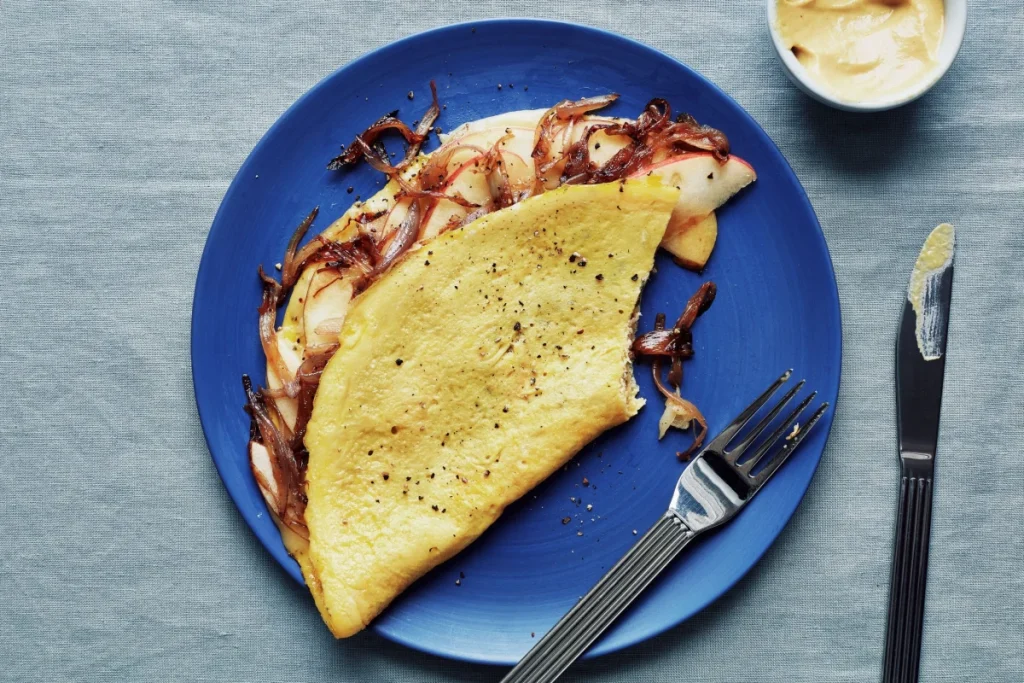
Drawing inspiration from the hearty, no-nonsense approach of classic diners, evening omelet enthusiasts often lean toward substantial fillings rather than delicate, minimalist preparations. After all, this is dinner, and it needs to sustain a person through the evening. Rather than attempting to master the notoriously finicky, delicately rolled French omelet—an endeavor that can feel overly taxing after navigating a full day of professional or personal responsibilities—home cooks find immense relief in a simpler execution. The standard approach involves simply folding the set eggs in half over a generous pocket of fillings, prioritizing ease, speed, and comfort over classical technique.
The choice of cookware plays a pivotal role in achieving success with this evening ritual. Culinary experts suggest that if a cook possesses a well-seasoned carbon-steel pan, this is the ideal moment to put it to work. When properly heated, a carbon-steel surface offers entirely nonstick capabilities, allowing the use of metal spatulas and other tools to maneuver the cooking eggs without the lingering worry of scratching or damaging the coating. That said, traditional nonstick aluminum pans perform just as admirably for those who prefer them. For a standard three-egg omelet, a ten-inch pan provides the optimal surface area. Cooks working with a larger pan should note that the eggs will cook significantly faster, or they can choose to incorporate a fourth egg and a slightly heavier hand with the cheese, instantly transforming the dish into a hearty meal for two if company happens to arrive.
While a well-executed omelet can easily stand entirely on its own as a complete dinner, evening cooks often enjoy rounding out the plate with quick, low-effort side dishes depending on their energy levels. On nights when ambition strikes, tossing together a simple green salad with a sharp vinaigrette offers a refreshing, crisp contrast to the rich, warm eggs. Alternatively, heating up a handful of frozen sweet potato fries in a countertop toaster oven can bridge the gap between a light breakfast food and a robust diner-style supper.
More often than not, however, the reality of solo cooking wins out over elaborate side pairings. The ultimate expression of this evening routine requires very little cleanup or fuss: sliding the golden, folded omelet directly onto a plain ceramic plate, swiping a sharp yellow or Dijon mustard across the side for a tangy bite, and calling it a night.