



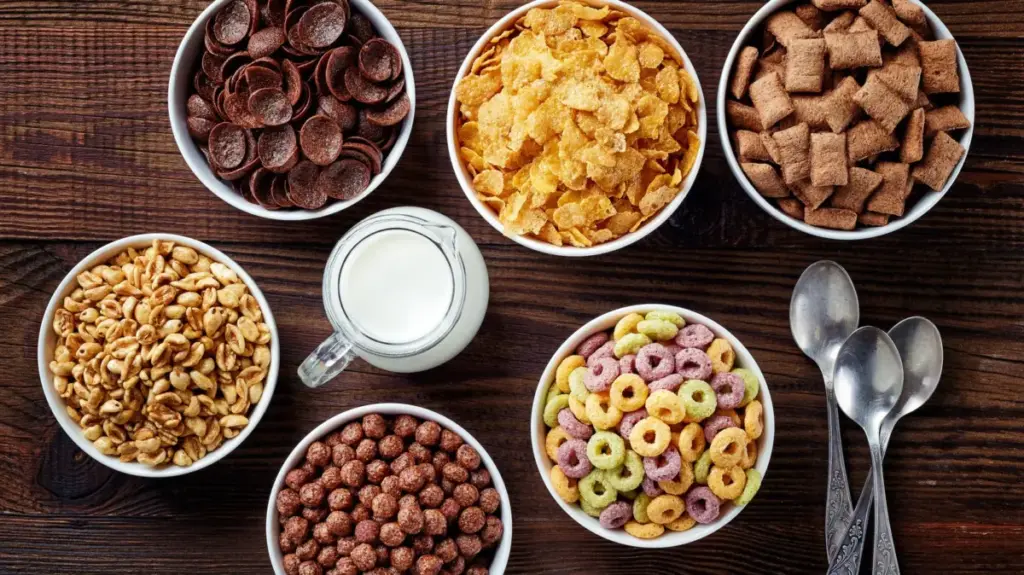
Stocked in roughly 70% of American households according to recent data from Civic Science, breakfast cereal remains a deeply ingrained part of morning routines across all age groups. A vast majority of families who consume cereal report doing so at least once a week, proving its enduring cultural footprint. However, despite this immense popularity, the breakfast aisle has historically shouldered criticism from a nutritional standpoint. Traditional morning cereals have long carried a reputation for being heavily processed, loaded with refined sugars, and constructed primarily from heavily refined grains that lack complex nutritional value.
As modern consumers increasingly lean toward health-conscious eating habits, the breakfast cereal industry has been forced to undergo a significant transformation. One of the most impactful shifts implemented by major manufacturers involves prioritizing whole grains in their formulations, attempting to balance nostalgic flavors with modern nutritional science.
To understand the magnitude of this shift, one must look at the fundamental difference between refined and whole grains. During the refining process, the grain kernel is stripped of its most nutritious components—the germ and the bran. These vital layers contain high concentrations of dietary fiber, antioxidants, essential vitamins, and minerals. What remains after refinement is largely the endosperm, which primarily delivers carbohydrates without the robust nutritional profile of the intact seed.
In contrast, whole grains retain the entire kernel, ensuring consumers receive the full spectrum of nutrients naturally provided by the grain. This holistic nutritional package is precisely why whole grains are considered a cornerstone of a balanced and healthy diet. Regular consumption of whole grains has been consistently linked by health researchers to a reduced risk of several serious medical conditions, including heart disease, type 2 diabetes, certain cancers, obesity, stroke, and chronic inflammation. With health authorities recommending a daily intake of 48 grams or more of whole grains, major and budget-friendly cereal brands alike have adjusted their recipes to help consumers meet these nutritional targets.
Quaker
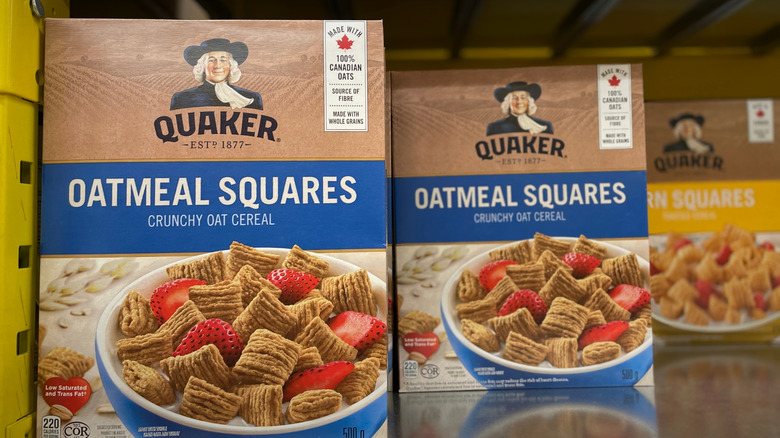
Among the companies leading this nutritional evolution is Quaker, a historic brand that has been a fixture in the breakfast landscape since 1877—even earning a spot in the pantheon of foods served aboard the Titanic. Today, the company offers four distinct lines of cold cereal, all anchored by the use of whole grains. For instance, the brand’s Cinnamon Oatmeal Squares deliver a substantial 46 grams of whole grains per single serving, coming remarkably close to fulfilling the entire recommended daily intake in a single bowl.
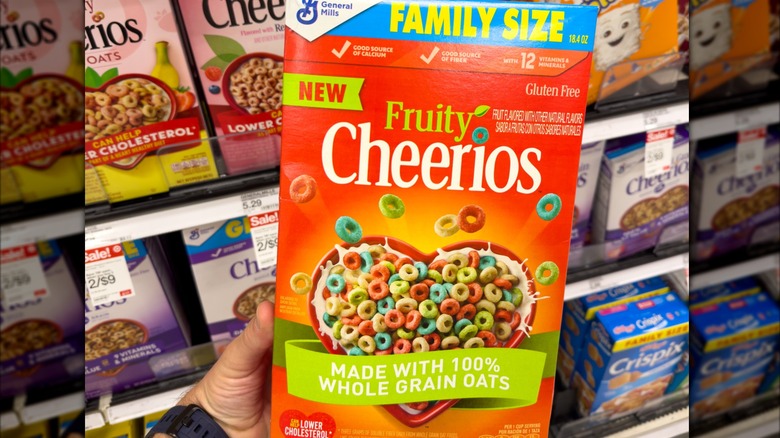
Cheerios
According to Civic Science data, Cheerios stands as America’s favorite cereal, making its foundational use of whole-grain oat flour a major health win for the millions who eat it regularly. The exact concentration of whole grains varies across the diverse Cheerios product lineup. Original Cheerios provide 34 grams of whole grains per serving, while Fruit Cheerios deliver 21 grams. Even specialized offerings designed for different nutritional profiles, such as Cinnamon Cheerios Protein, manage to contribute 12 grams of whole grains per serving.
Cinnamon Toast Crunch
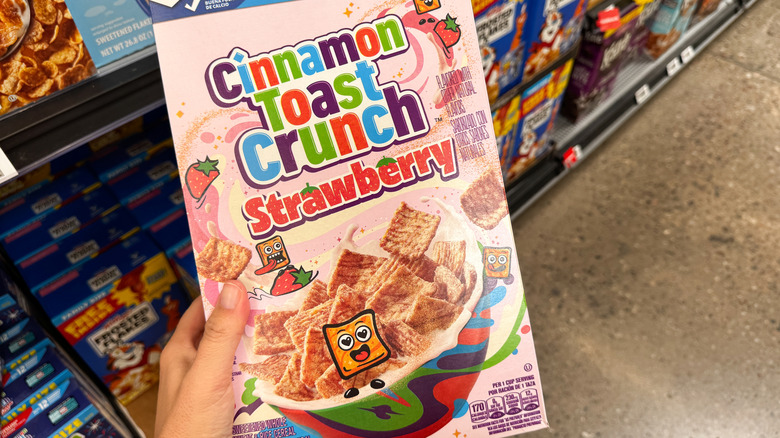
Cinnamon Toast Crunch maintains a massive presence not only in the breakfast bowl but also in the broader snacking category, frequently enjoyed straight from the box by younger consumers and adults alike. While it may not scale the same whole-grain heights as traditional oat- or wheat-heavy options, the brand’s cereals still manage to provide between 13 and 16 grams of whole grains per serving, depending on the specific flavor variation chosen.
Froot Loops
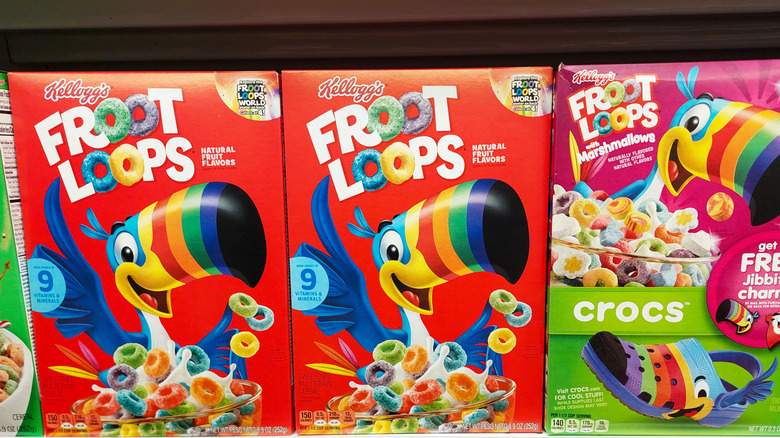
Despite their vibrant array of colors, all Froot Loops share the exact same underlying flavor profile and are manufactured using whole grains. A standard 39-gram serving of Froot Loops yields 15 grams of whole grains, alongside an infusion of essential vitamins including D, C, B6, and B12. Furthermore, the colorful cereal serves as a notable source of dietary iron, supplying 25% of the recommended daily intake.
Reese’s Puffs
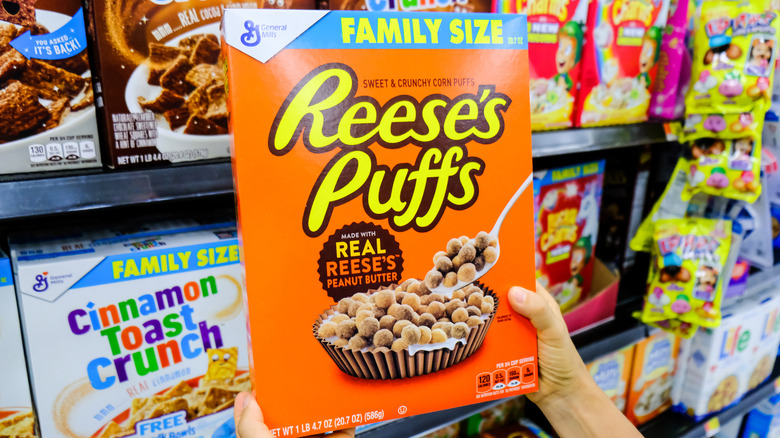
For consumers who have long dreamed of integrating peanut butter cups into their morning routine, Reese’s Puffs offer a practical nutritional compromise. Crafted using the same real peanut butter found in the famous candy cups combined with authentic Hershey’s cocoa, these sweet puffs provide 15 grams of whole grains per serving, balancing indulgent flavors with a more well-rounded nutritional baseline.
Lucky Charms
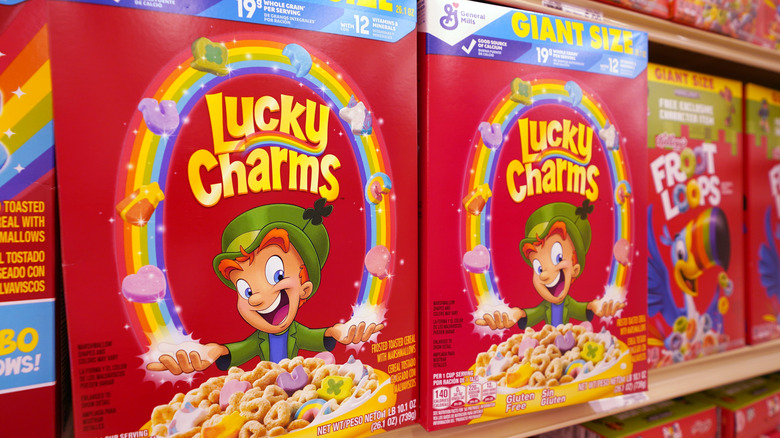
Lucky Charms often blurs the line between breakfast and snack food due to its signature toasted marshmallow pieces, yet the entire product line utilizes whole grains. Standard Lucky Charms supply 19 grams of whole grains per serving. However, the standout performer in this category is Lucky Charms Minis, which bumps the count up to 22 grams per serving—accounting for nearly half of the daily recommended minimum intake.
Great Value (Walmart)
The shift toward whole grains is not restricted solely to legacy name brands. Major retailers have adapted their private-label offerings to meet consumer demand. Walmart features an extensive lineup of Great Value cereals, many of which incorporate whole grains, though shoppers are advised to read nutritional labels carefully as formulations vary. Even among the whole-grain options within this line, quantities differ significantly; the Cinnamon Oat Crunch variety provides 24 grams of whole grains per serving, while the Bite Size Frosted Strawberry Shredded Wheat hits the full 48-gram daily recommendation.
Golden Grahams
Built with whole-grain wheat serving as its primary ingredient, the nostalgic Golden Grahams cereal delivers 14 grams of whole grains per serving. Frequently praised for its distinct flavor profile reminiscent of traditional graham crackers, this cereal transcends the breakfast bowl. It is frequently utilized as a crunchy topping for homemade desserts like brownies and cakes, inadvertently lending a touch of whole-grain substance to otherwise indulgent baked goods.
Cocoa Puffs
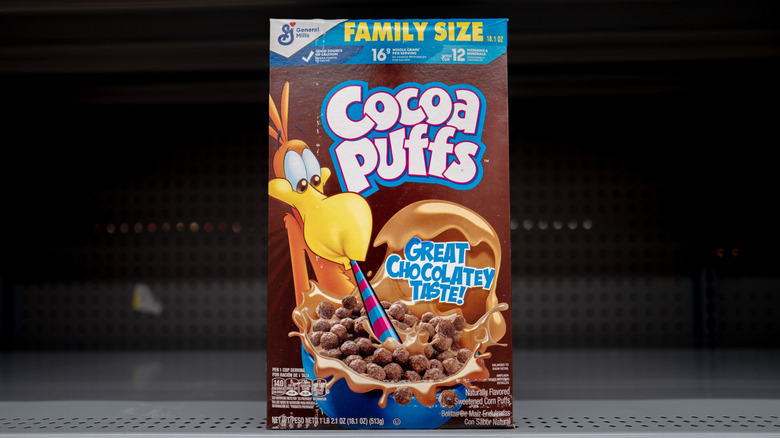
While Cocoa Puffs are frequently consumed dry as a quick snack straight from the box, they also form the foundation of a chocolate-forward breakfast that delivers 16 grams of whole grains per serving. Free from artificial flavors, the cereal functions as an additional source of calcium, iron, and a robust spectrum of vitamins including A, B6, B12, C, and D, depending on the specific formulation.
Chex
Chex cereals are universally manufactured using whole grains, but much like other major brands, the exact quantity fluctuates widely depending on the chosen flavor. Peanut Butter Chex, for example, registers 12 grams of whole grains per serving, whereas Wheat Chex boasts an impressive 52 grams, comfortably surpassing the daily recommended minimum intake for whole grains in a single bowl.
Special K
Kellogg’s Special K brand incorporates whole grains across its portfolio, with whole grains serving as the very first ingredient in prominent varieties such as Fruit & Yogurt. In addition to its grain foundation, this particular fruit-infused variety provides 3 grams of dietary fiber and supplies 60% of the recommended daily intake of iron within a standard 42-gram serving.
Raisin Bran Crunch
Dried fruit enthusiasts have long relied on raisins to provide natural sweetness and a chewy texture to various dishes, making raisin-centric cereals an enduring grocery store staple. Raisin Bran Crunch satisfies this demand by combining real, flavorful raisins with whole-grain flakes, resulting in a 55-gram serving that features 17 grams of whole grains alongside 4 grams of dietary fiber.
Kashi
Kashi builds its brand identity around whole-grain utilization, offering an expansive catalog of breakfast cereals with varying nutritional metrics. Mid-range options like Maple Waffle Bites deliver 22 grams of whole grains per serving, while several of the brand’s other varieties—including Cinnamon Harvest, Island Vanilla, and Berry Fruitful—reach the full daily recommended threshold of whole grains in a single sitting.
Millville (Aldi)
Millville, the private-label budget brand exclusive to Aldi, manufactures its products within the United States and includes whole grains in a significant portion of its cereal selection. Popular options within the Millville lineup that incorporate whole grains include Blueberry Frosted Shredded Wheat, Bran Flakes, and Honey Graham Squares, rounding out the diverse ways manufacturers across the market are adapting to the modern consumer’s shifting nutritional priorities.