



Sometimes, when a viewer finally sits down to watch a great, historically significant landmark film for the very first time, the actual experience of absorbing it fails to live up to the overwhelming cultural hype. While it is certainly possible to intellectually appreciate a movie’s pivotal place in cinematic history, that historical importance does not automatically translate into modern entertainment value. Due to the natural disadvantage of passing time, alongside continuous advancements in modern pacing and filmmaking techniques, many celebrated cinematic classics simply fail to hold up for contemporary audiences.
Alfred Hitchcock’s 1960 horror and thriller masterpiece Psycho, however, defies that trend entirely.
Even for a first-time viewer navigating the film decades after its initial release, the picture remains wildly entertaining and keeps audiences on the edge of their seats throughout its entire runtime. This enduring vitality is precisely why discovering the film—which has recently returned to the Netflix streaming library—remains a mandatory experience for anyone who has somehow managed to avoid it thus far.
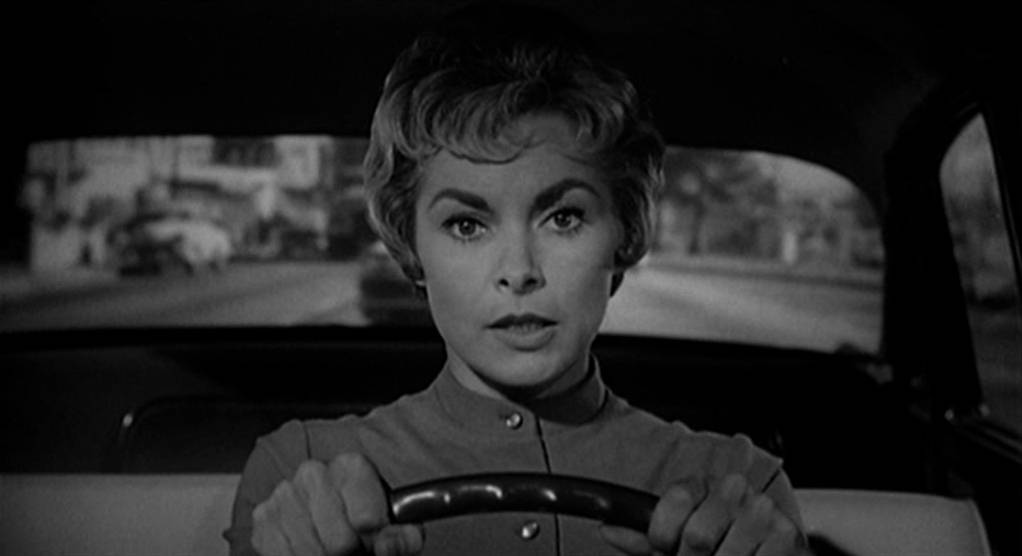
The narrative of Psycho begins in Phoenix, Arizona, centering on a woman named Marion Crane, brilliantly portrayed by Janet Leigh. Marion is deeply in love with Sam Loomis, a man played by John Gavin who is saddled with heavy financial debts and living in Fairvale, California. Despite both characters yearning for a permanent future together, their relationship is restricted to brief, stolen encounters while Sam travels for business. As long as Sam remains burdened by his significant monetary problems, he refuses to marry her.
Marion, working as a secretary at a real estate office, suddenly finds herself presented with an extraordinary opportunity when a wealthy client walks in and pays for a house entirely in cash, handing over $40,000. While this specific sum represents one of the very few elements of the film that has aged poorly due to the realities of economic inflation, it serves as the catalyst for the plot. Instructed by her boss to deposit the large sum of cash safely into the bank, Marion instead pockets the money and goes on the run. She is entirely determined to pay off Sam’s debts so they can finally secure their happily-ever-after.
On her tense journey from Phoenix to Fairvale, Marion is consumed by anxiety and the constant fear of getting caught. After a particularly nerve-wracking encounter with a highway patrol officer—during which her anxious behavior arouses suspicion—she decides to trade in her vehicle for a new car at a local dealership before continuing her drive. Growing exhausted as night falls, she chooses to pull off the main road and seek lodging for the evening at the isolated Bates Motel, a remote and unassuming establishment run by a strange, introverted man named Norman Bates, played unforgettably by Anthony Perkins.
When Marion mentions that she is hungry, Norman obligingly walks back up the hill to the looming Victorian house that sits directly behind the motel to prepare her a sandwich. While he is inside, viewers hear him being subjected to a barrage of harsh insults from his unseen mother offscreen. Norman then returns to Marion, and the two share a quiet conversation in the motel’s parlor, which connects directly to the front office. They discuss his private hobby as a taxidermist, and he subtly hints at a deeply dysfunctional and suffocating relationship with his mother. Following their chat, Marion retires to her guest room, located right next to the office, completely unaware as Norman spies on her through a peephole in the wall while she undresses.

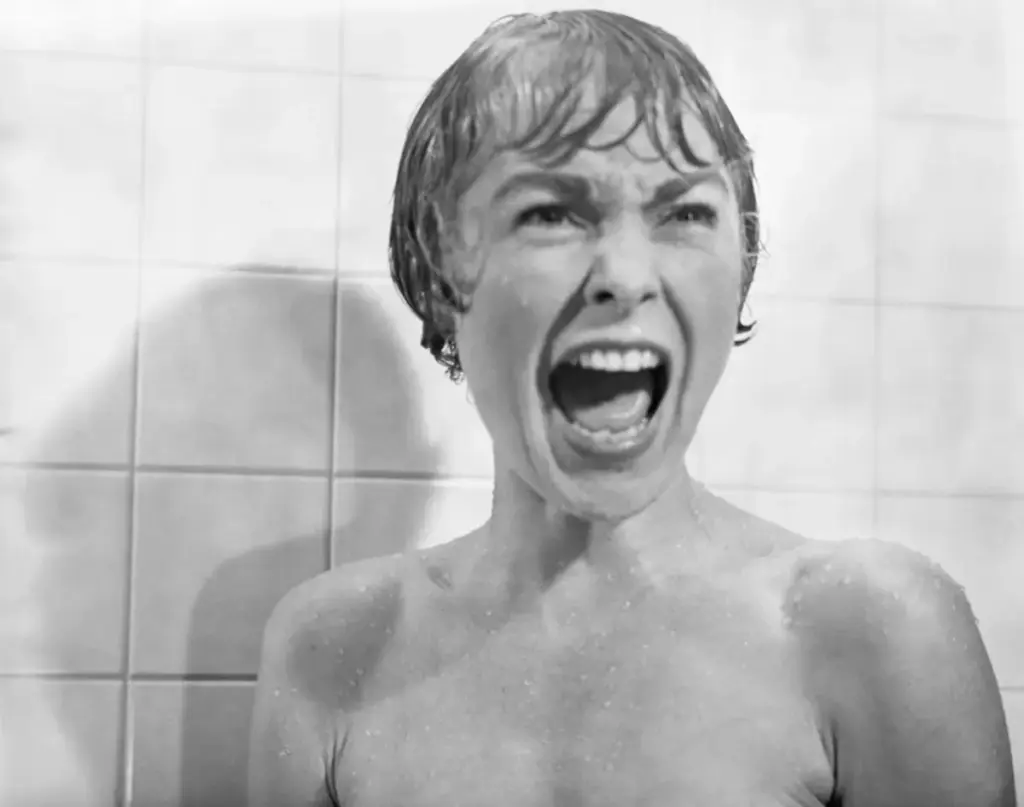
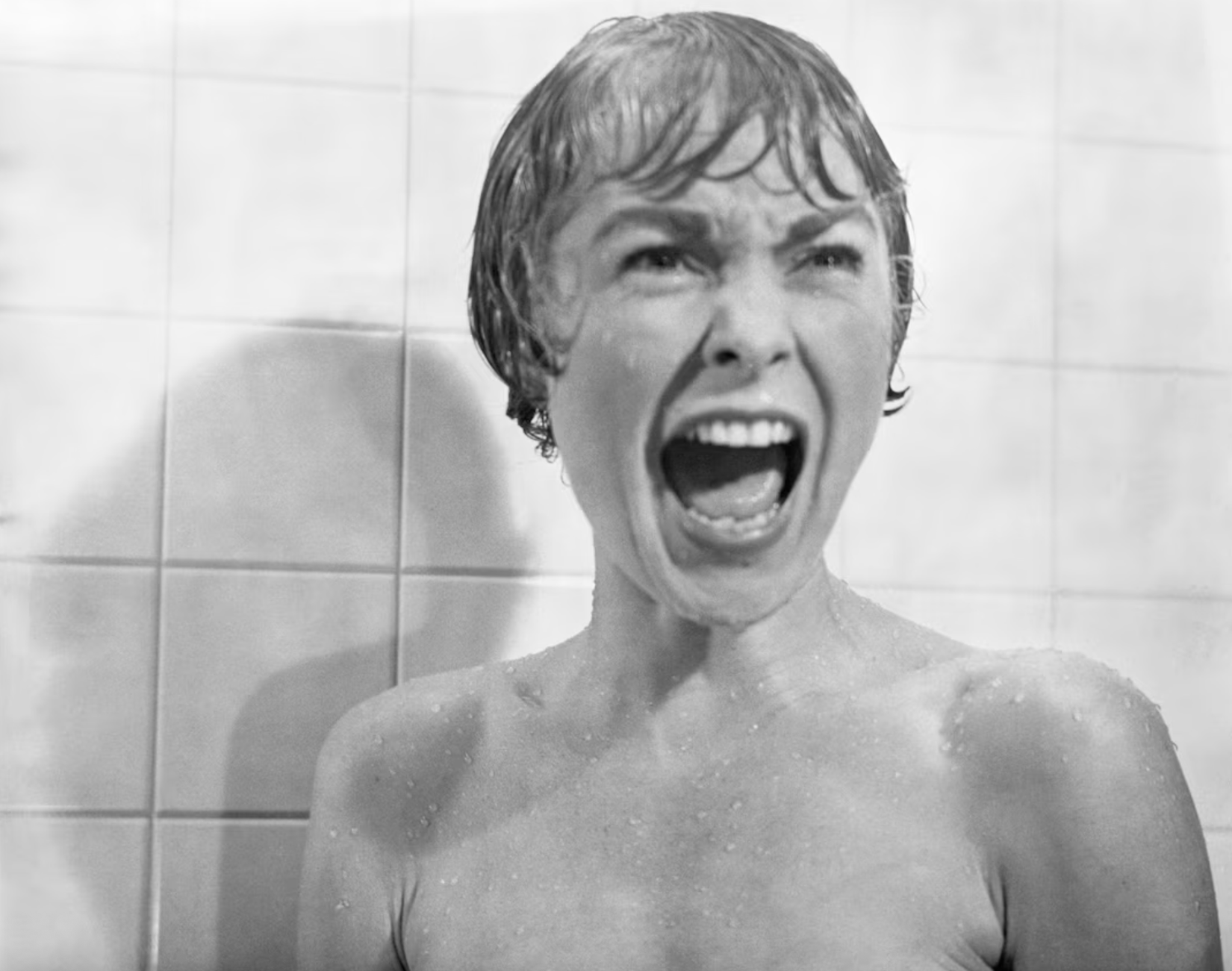
To preserve the shock and narrative impact for any viewer who might somehow remain completely unaware of what transpires next, the plot summary pauses here. Yet, even for those who already know the general beats of the story, Psycho remains packed with perpetual surprises. If there is any minor drawback to the film’s enduring legacy, it is simply that it has become so intensely famous, generating countless iconic cultural moments—from the legendary shower scene to the shocking twist regarding Norman’s mother—that modern audiences often feel intimately familiar with the movie before they have even watched a single frame.
Yet, for those who have never actually experienced the film firsthand, the cultural osmosis does not spoil the sheer ride.
Psycho Is Gripping Even When You Know What’s Coming
While many of the major narrative twists in Psycho have inevitably been compromised by decades of pop culture saturation, the actual structure and momentum of the story are never fully given away by those isolated moments. The film continuously reinvents itself, shifting its identity multiple times over its runtime. It begins as a crime drama focused entirely on Marion Crane’s desperate getaway, before dramatically shifting its focus to Norman Bates, and shifting gears several more times before the credits roll.
Throughout the picture, Hitchcock continually subverts expectations by pivoting away from established protagonists and steering the narrative in entirely unexpected directions. Because the story refuses to remain static, Psycho consistently keeps the audience guessing, ensuring that prior knowledge of major reveals cannot fully prepare a viewer for the narrative turbulence ahead.
The distinct shifting perspectives throughout the film are executed with masterclass precision. A story about an ordinary secretary stealing a bundle of cash from her employer might not sound like a high-octane premise on paper, but Janet Leigh’s captivating, grounded performance makes viewers intensely anxious about whether she will evade capture. The narrative does not even arrive at the infamous Bates Motel until roughly thirty minutes into the film, yet that opening half-hour is so meticulously constructed that it could easily function as a compelling standalone movie on its own terms. At no point does the viewer feel like they are simply waiting to get to the "good stuff," because every single scene is the good stuff.
The film’s relentless momentum is massively amplified by its legendary score—a triumph by composer Bernard Herrmann. For many filmgoers, musical scores often blend into the background, rarely registering consciously unless attached to a massive blockbuster like Jaws. With Psycho, however, ignoring the music is entirely impossible.
The film’s opening title sequence explodes onto the screen with Herrmann’s aggressive, sharp string orchestra arrangement, instantly grabbing the audience by the collar and refusing to let go until the very final frame. The picture stands as a definitive thriller—arguably the definitive thriller in cinematic history—largely due to its fiercely modern pacing. Yet much of that frantic, breathless pacing feels driven directly by the score, with the music actively propelling the narrative forward rather than simply serving as passive sonic accompaniment.
Audiences looking for a masterclass in tension need only turn on Netflix and press play on Psycho. Viewers are immediately seized by that iconic, jarring musical composition, setting the stage for a narrative that twists and mutates in ways that continually defy expectation. While many undisputed masterworks of motion picture history are respected primarily as historical artifacts meant for quiet academic appreciation, Psycho resolutely refuses to be that kind of classic. It remains as electrifying, unsettling, and riveting to watch today as it was upon its theatrical release more than six decades ago.