



At least for now, Nintendo will not be following in Sony’s footsteps regarding an all-digital future. As the video game industry continues to grapple with shifting consumer habits, rising development costs, and the gradual phase-out of traditional physical media by major competitors, Nintendo has offered a reassuring counter-narrative for collectors and traditionalists alike.
In a recent interview with YouTuber Coelho no Japão, Bill van Zyll, vice president and general manager for Nintendo in Latin America, firmly confirmed that the gaming giant intends to continue supporting physical media for the foreseeable future, standing in stark contrast to industry trends that favor purely digital ecosystems.
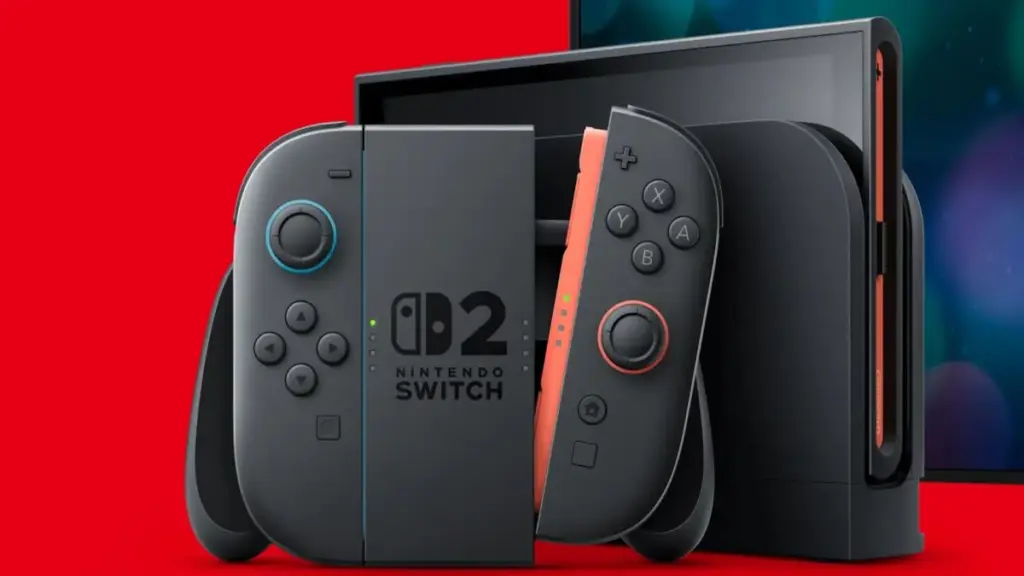
"We go off what the consumer prefers, and take that into account very heavily," van Zyll explained during the interview. "We also have a platform that was just launched. We’re barely just over a year into NS2. It’s got both digital and physical — that capability. There’s no plans to ditch physical. We know how much the fans like it as well, so our position has been to be agnostic."
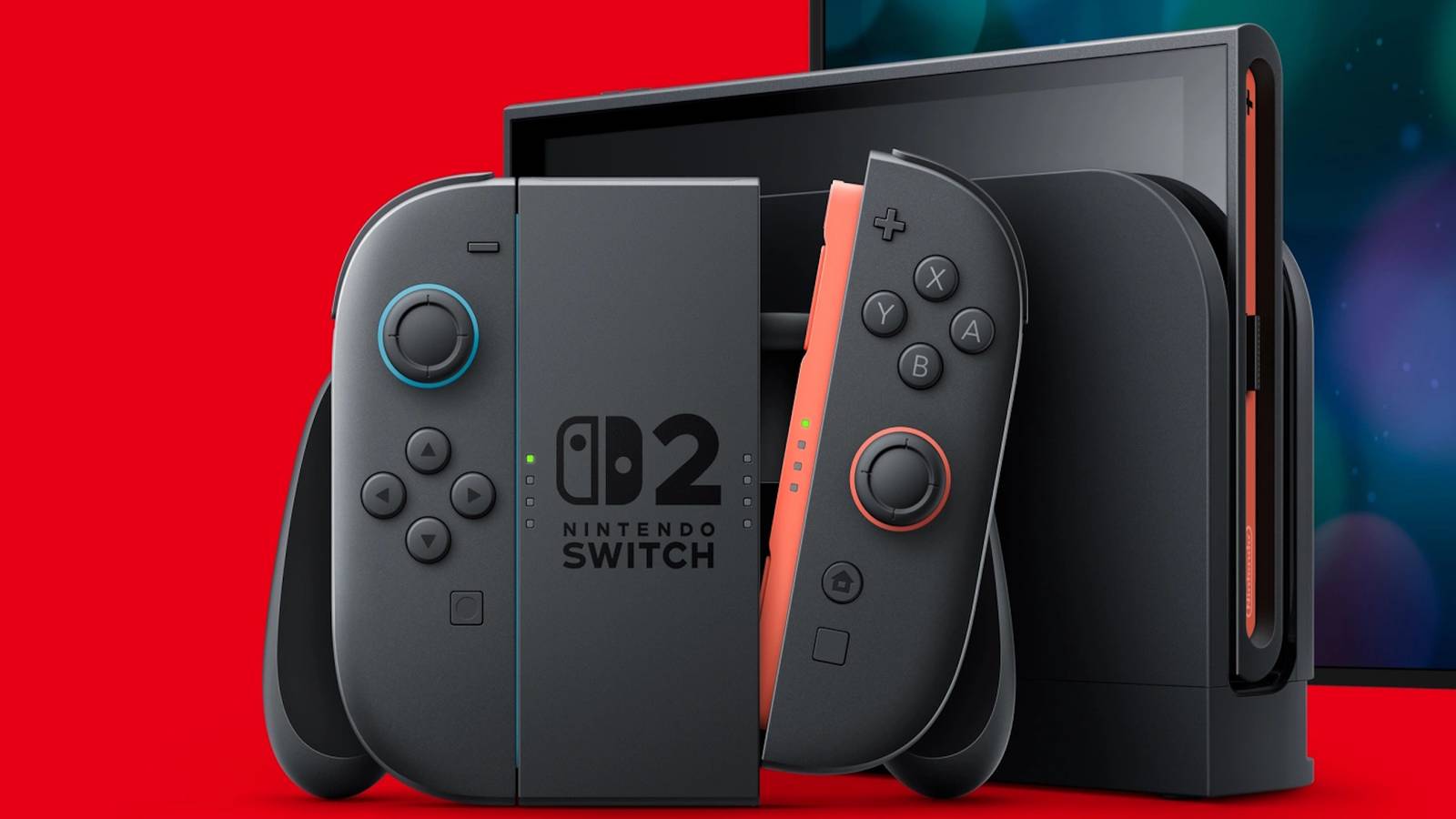
By describing Nintendo’s current stance as "agnostic," van Zyll was referring to the dual-format capabilities of the Nintendo Switch 2. The console supports both digital purchases made directly through the Nintendo eShop and physical game media, giving consumers the flexibility to choose how they build and curate their game libraries. While digital storefronts have grown exponentially in revenue and convenience over the past decade, the enduring demand for physical releases—particularly among Nintendo’s dedicated fanbase—has evidently convinced executives to maintain manufacturing lines for physical product formats.
How Do Nintendo Switch 2 Game Cartridges Work?
Admittedly, the reassurance of continued physical support comes with a major caveat that has sparked considerable debate among gamers and industry analysts alike: most Nintendo Switch 2 game cartridges do not work like traditional physical games from past generations.
Instead of entire games being stored directly on the physical media, the majority of these modern cartridges function primarily as a physical "key." When inserted into the console, this key authenticates the user’s purchase, prompting the system to download the actual game data from the Nintendo Switch online store directly to the console’s internal storage or an expanded microSD card.
This hybrid approach introduces notable complications. Beyond taking up substantial space on the Switch 2’s internal storage compared to if the complete game data resided entirely on the cartridge, this game-key card system runs into the very same long-term preservation and ownership problems associated with purely digital purchases. If Nintendo were to eventually shut down the digital storefront and the backend servers that host the downloadable game data, consumers are left wondering whether they would still be able to access and download the games they ostensibly purchased physical containers for.
This operational reality touches on a broader, increasingly contentious issue across the modern video game landscape. Beyond considerations of nostalgia, convenience, and collector interest, one of the primary points of friction surrounding the industry-wide pivot toward digital ecosystems is the erosion of genuine ownership. When purchasing modern games digitally—or via key cards—players do not technically own the software itself. Instead, they are simply purchasing a limited license to play the game, a status that can change if servers go dark or licensing agreements expire.
While the functional mechanics of game key cards differ slightly from a purely digital storefront purchase, the ultimate consumer effect remains largely the same. If the game file ever becomes unavailable to download from Nintendo’s servers, the physical cartridge risks being rendered useless, lacking the standalone playability associated with traditional cartridges from eras past.
This compromise has created a sharp divide between publishers and players. On one hand, many third-party developers and industry figures have embraced the key card model. For instance, creators like Final Fantasy VII Remake and Rebirth director Naoki Hamaguchi have expressed favor for modern distribution methods that bypass traditional constraints. Such systems relieve developers of the pressure and technical limitations of cramming massive, high-fidelity modern video games onto a restrictive physical medium like a 64 GB cartridge, allowing for smoother ports of sprawling titles onto portable hardware.
On the other hand, players remain understandably frustrated and vocal about the practice. The fear that expensive physical purchases might one day transform into inert hunks of plastic the moment corporate servers are eventually decommissioned looms large over the retro-gaming and physical-collecting communities.
For now, however, Nintendo’s official stance signals that physical shelves will continue to hold game cases and cartridges for consumers who prefer tangible media. Whether this consumer-focused flexibility will persist through the entire lifecycle of the current hardware generation remains to be seen, but van Zyll’s comments ensure that physical media advocates have an ally in Nintendo as the broader industry drifts toward the cloud.