


The American College of Sports Medicine (ACSM) has officially released its highly anticipated 2026 report ranking the health, wellness, and fitness infrastructure of the nation’s 100 largest cities. For the ninth consecutive year, Arlington, Virginia, has secured the number one position, continuing a multi-year trend that highlights how strategic urban planning, accessible green spaces, and robust public transit networks can successfully foster physically active communities.
Published annually for nearly two decades, the comprehensive index evaluates cities based on a composite of health behaviors, health outcomes, and community infrastructure. Key data points include the percentage of residents who actively commute to work by walking or biking, local rates of chronic conditions such as diabetes and obesity, air quality, food security, and the availability of recreational facilities ranging from swimming pools and pickleball courts to multi-use urban trails.
Urban living has long carried the misconception that physical fitness requires a dedicated indoor gym membership. However, as modern infrastructure evolves, major metropolitan areas across the United States are increasingly transforming into outdoor playgrounds. Cities large and small are investing heavily in walking corridors, cycling lanes, and revitalized urban waterways. From ubiquitous bike-share systems to community yoga classes and historic fitness trails, urban centers are proving that active lifestyles can be seamlessly integrated into daily city routines.
The latest rankings reflect these ongoing improvements, offering a localized look at the top ten fittest communities in the country and highlighting the unique outdoor recreation opportunities that set them apart.
10. Boston, Massachusetts
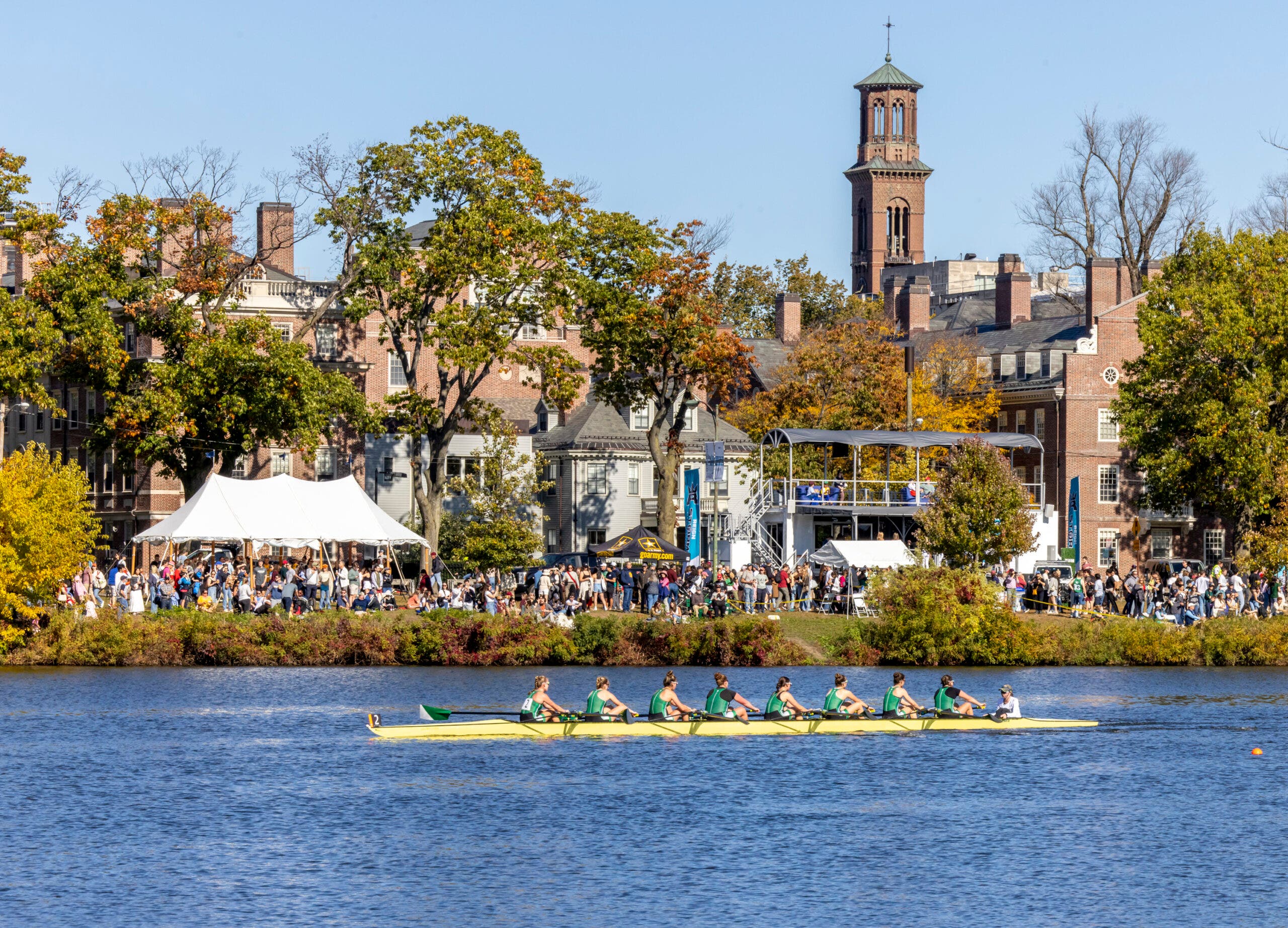
Known widely as "America’s Walking City," Boston rounds out the top ten with a blend of historic routes and modern outdoor initiatives. Long celebrated for its green spaces, beaches, and proximity to regional mountains, the Massachusetts capital offers runners iconic pathways such as the Charles River paths and the historic Freedom Trail. The city’s deep-seated athletic culture—underscored by the historic Boston Marathon and the annual Head of the Charles regatta—is matched by accessible recreation options, including boat rentals and public transit connections to Revere Beach and the Middlesex Fells Reservation.
Boston’s commitment to pedestrian and cyclist accessibility continues to expand. Last June marked the official launch of the Boston Boundless Trail, a massive 91-mile urban hiking loop tracing the city’s perimeter across 12 communities and connecting more than 100 green spaces and coastal paths. It is complemented by the City on the Hills Trail, which spans from Millennium Park in West Roxbury to Castle Island in South Boston.
9. Madison, Wisconsin
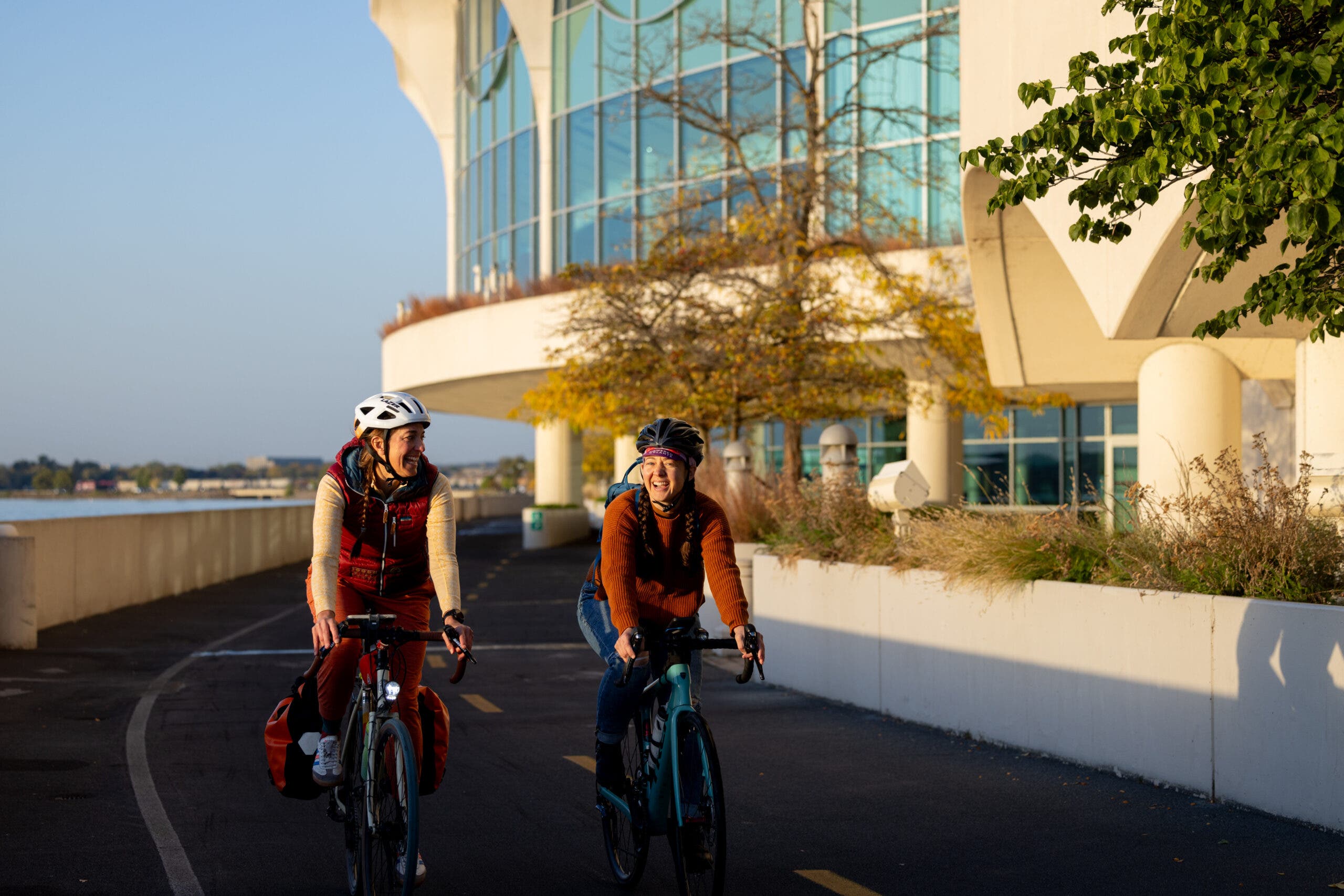
Earning the ninth spot, Madison challenges the traditional perception of the Midwest as purely agricultural land. Surrounded by five sparkling lakes totaling 15,000 acres of water, the Wisconsin capital provides abundant opportunities for sailing, canoeing, kayaking, fishing, swimming, and stand-up paddleboarding. Recognized as one of the few platinum-level bike cities in the United States, Madison boasts an estimated eleven percent of residents who walk or bike to commute, far exceeding the national average.
Cyclists frequently utilize the 6.5-mile Lake Wingra Loop, which winds through natural beauty, cultural landmarks including ancient Native American effigy mounds, and historic neighborhoods. During the winter months, the city maintains groomed cross-country skiing trails across its extensive network of nearly 300 parks, including Elver Park and Owen Conservation Park.
8. Atlanta, Georgia
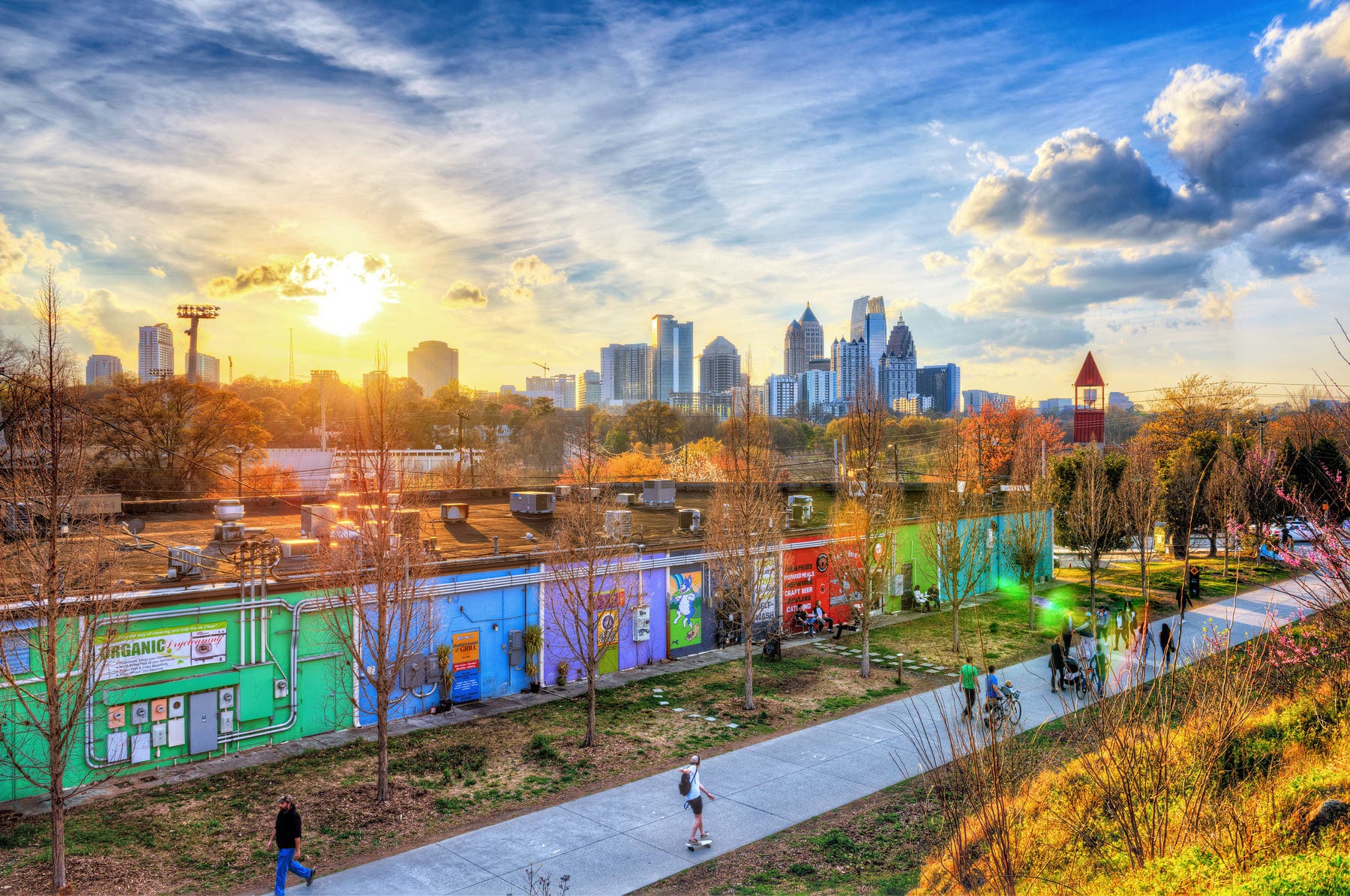
Dubbed "Running City USA," Atlanta combines a dense tree canopy—earning it the secondary moniker "City in a Forest"—with 343 parks and 125 miles of multi-use trails. The city’s athletic identity is anchored by a devoted community of runners, with nearly a quarter of residents identifying as runners or joggers, and major events like the Peachtree Road Race drawing international attention.
Urban infrastructure continues to expand with the ongoing development of the Atlanta Beltline, a landmark 17-mile mixed-use trail that debuted key sections ahead of the World Cup. Upon its scheduled completion in 2030, the 22-mile loop of trails, parks, and transit corridors will connect 45 distinct neighborhoods. Beyond the urban core, organizations like the Atlanta Outdoor Club provide residents with access to wilderness areas such as Stone Mountain Lake and the Sawnee Mountain Preserve.
7. Irvine, California
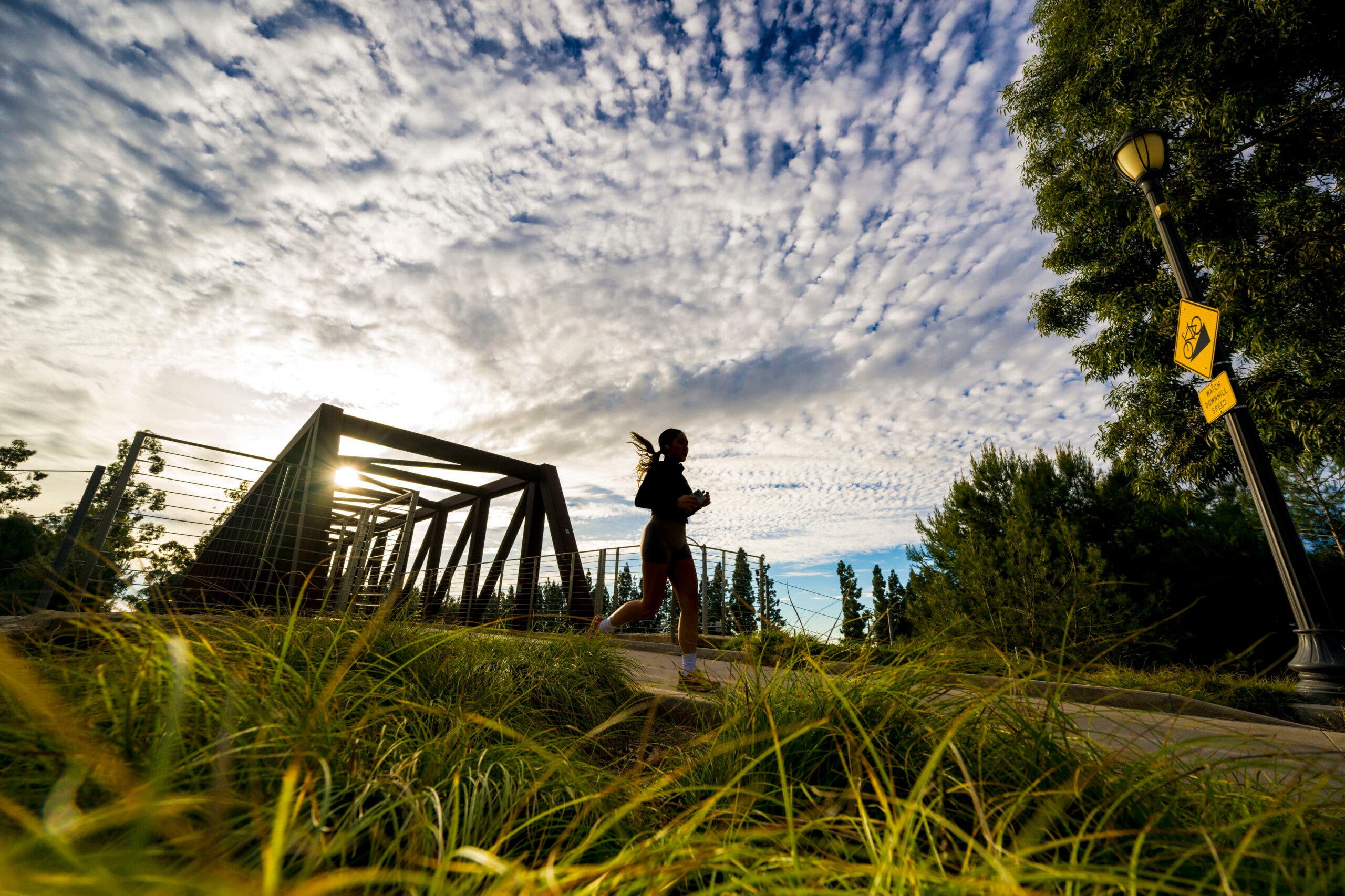
As a master-planned community in the heart of Orange County, Irvine dedicates more than 25 percent of its land area to parkland, equating to 16,500 acres of open space designed specifically for hiking and cycling. Popular civic destinations include William R. Mason Regional Park, featuring a nine-acre lake and extensive trail networks, and the Great Park, which serves as a modern blueprint for urban green spaces by integrating a farmer’s market, farm and food labs, an Olympic-sized ice rink, and a sprawling sports complex. The region’s mild, sunny climate supports year-round outdoor activity, with close proximity to larger wilderness preserves like the Santa Ana Mountains and Laguna Coast Wilderness Park.
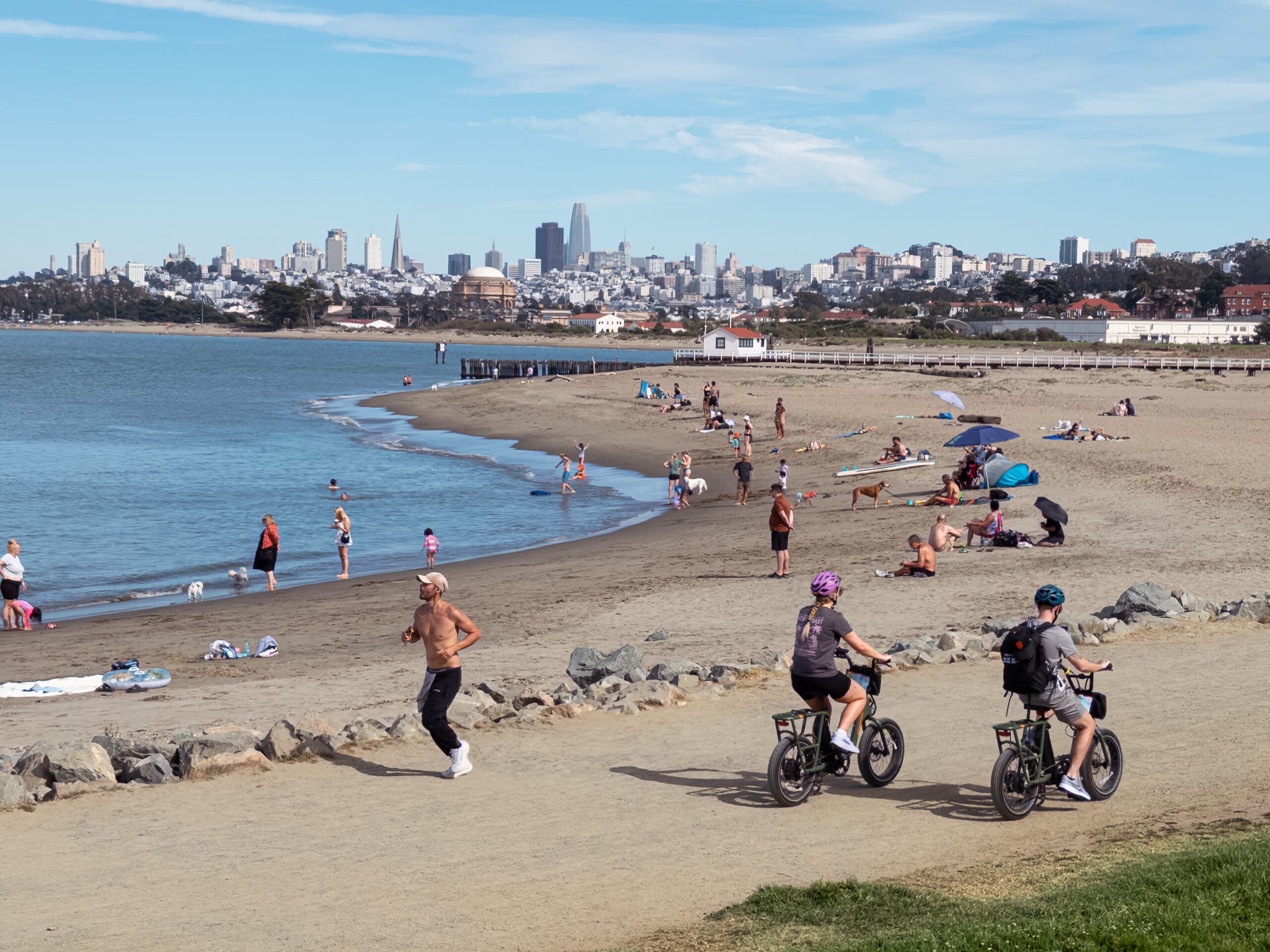
6. San Francisco, California
Securing the top walkability score in the ACSM Fitness Index, San Francisco leverages its famous topography to provide residents with natural fitness incentives. The "City of Seven Hills" combines steep urban inclines with immediate access to the Pacific Ocean and San Francisco Bay. Residents and visitors frequently utilize car-free paths in Golden Gate Park, waterfront routes along the Embarcadero, and coastal surf spots at Ocean Beach. Furthermore, the city’s close connection to Marin County places historic trail runs like the Dipsea just over the Golden Gate Bridge.
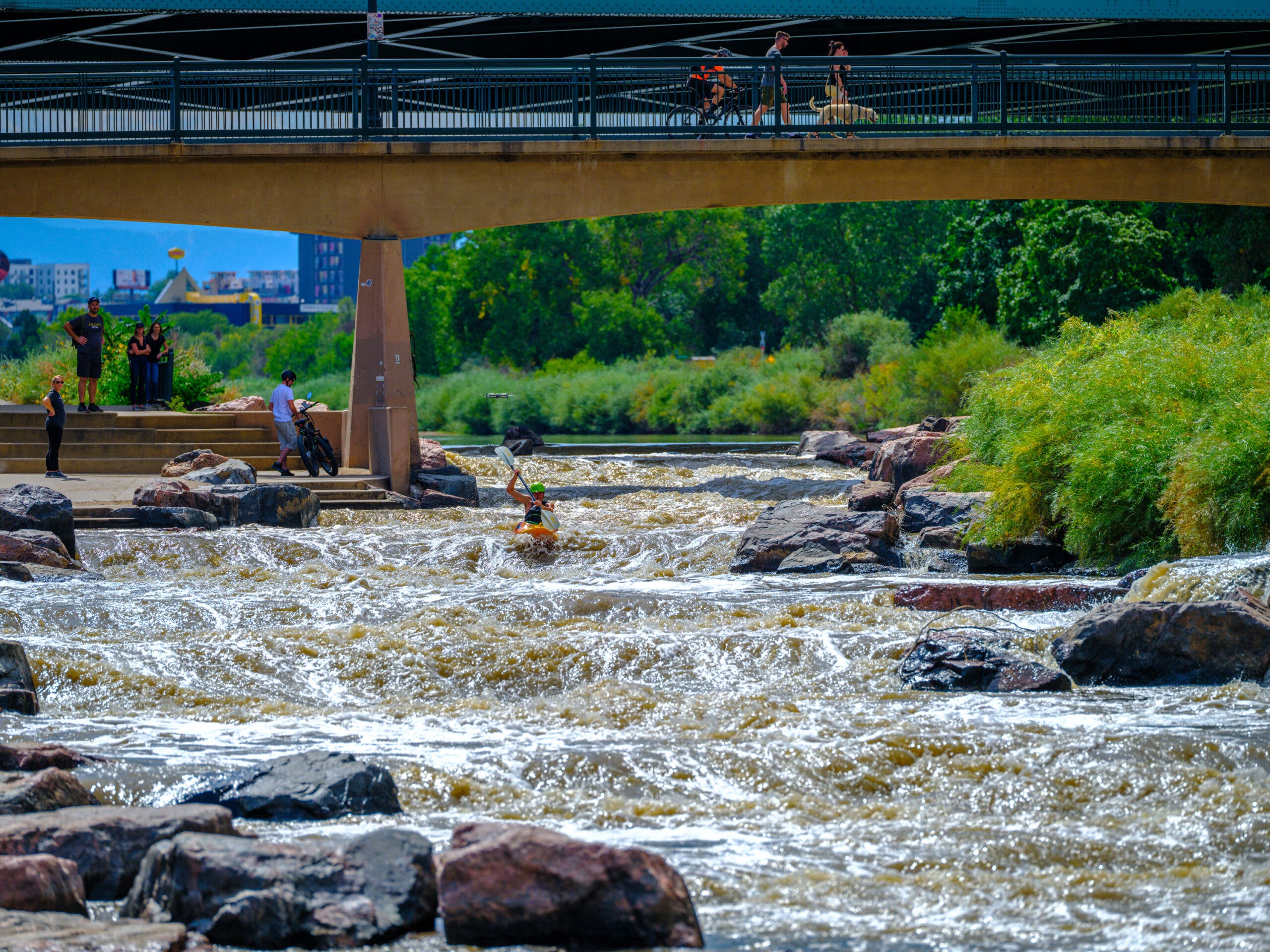
5. Denver, Colorado
Positioned at the base of the Rocky Mountains, Denver’s high-altitude environment challenges residents while offering extensive urban infrastructure. Within city limits, more than 250 parks are connected by an 850-mile trail network, which is slated to expand significantly under the Denver Moves Everyone initiative. Popular urban retreats include Washington Park and Sloan’s Lake, while Cherry Creek State Park offers extensive water recreation. Just west of the city, Red Rocks Park and Amphitheater provides both hiking trails and a demanding workout venue via its nearly 200 amphitheater stairs, alongside its renown as a premier music destination.
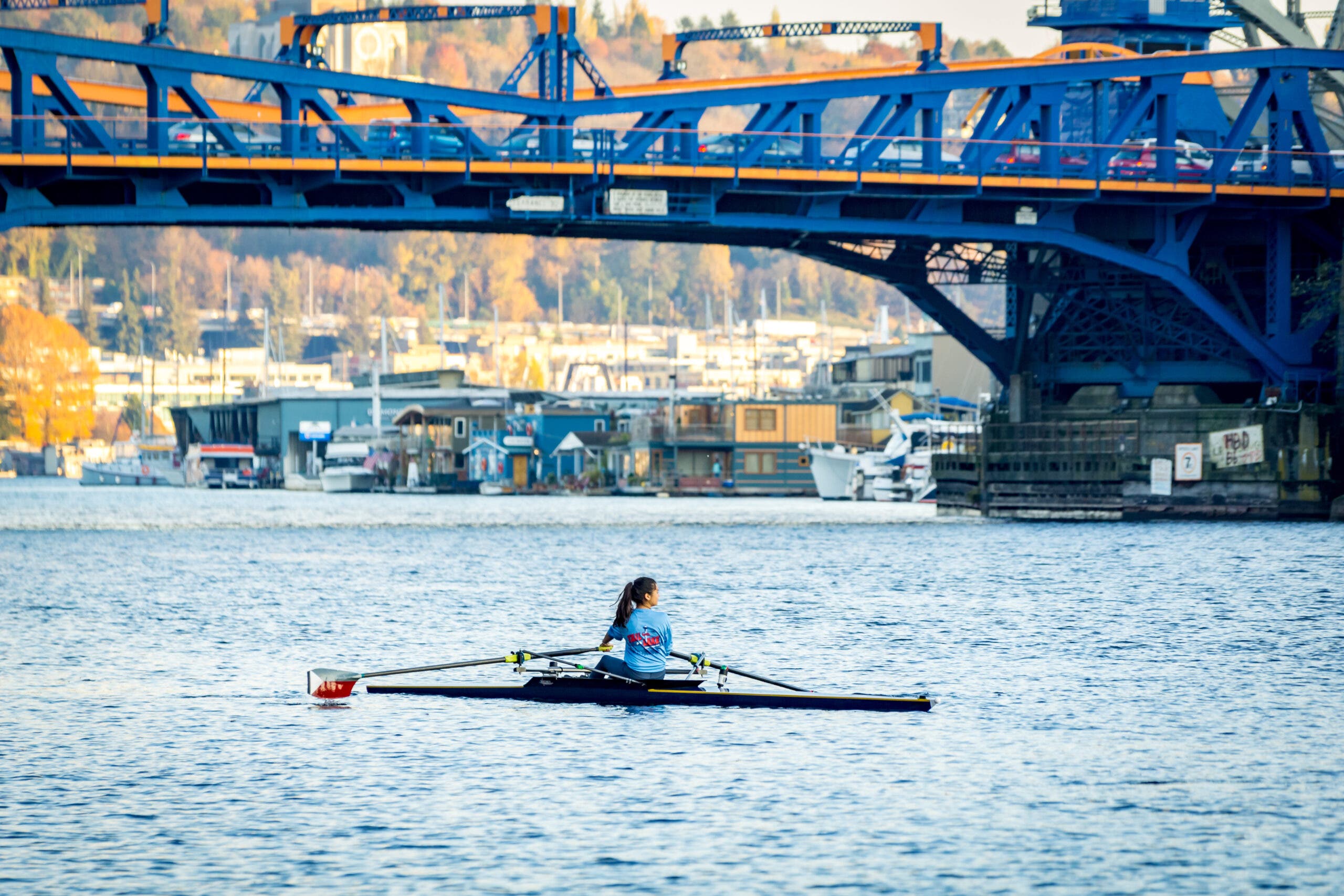
4. Seattle, Washington
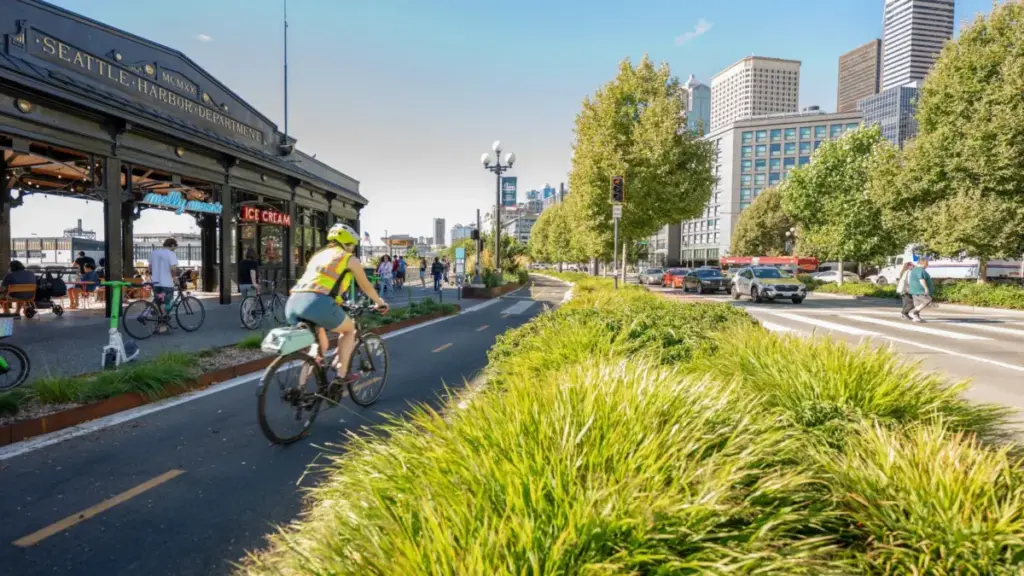
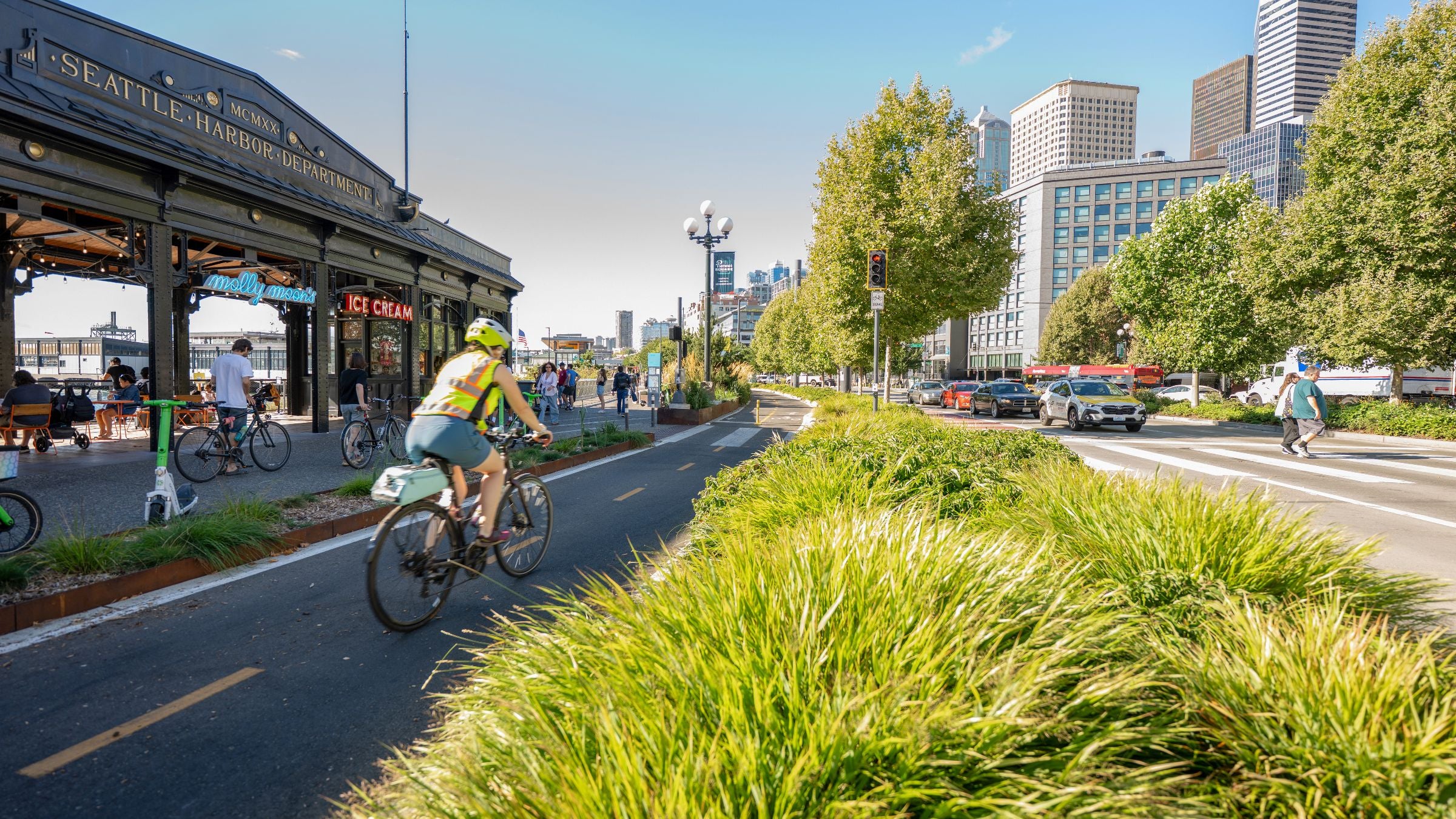
Ranking second overall for personal health within the ACSM index—with nearly 87 percent of residents reporting recent exercise—Seattle is heavily shaped by its surrounding waterways, including Puget Sound, Lake Washington, Lake Union, and Green Lake. Waterfront Park along Elliott Bay and Alki Beach Park provide extensive paths for cycling, rollerblading, and cold-water swimming. The city also features unique wellness amenities, including wood-fired floating saunas and hot tub boats on Lake Union.
3. Minneapolis, Minnesota
Living up to its "City by Nature" designation, Minneapolis earned top marks in the ACSM index’s cycling infrastructure category. This is largely credited to the Grand Rounds Scenic Byway System, a 51-mile loop connecting the city’s major natural attractions, including Minnehaha Falls and the Chain of Lakes. Emphasizing a year-round outdoor culture, the city transitions seamlessly from summer swimming and paddling to winter Nordic skiing across Theodore Wirth Regional Park’s 740 acres.
2. Washington, D.C.
Claiming the runner-up position for the fourth consecutive year, the nation’s capital leads the index in trail density, offering more than 235 miles of trails per 100,000 residents. Historic public spaces like Rock Creek Park—the first national park established in a major U.S. city—provide urbanites with dozens of multi-use paths. Additionally, the capital’s riverfront boathouses and connections to regional initiatives like the Great American Rail-Trail offer extensive options for cyclists, runners, and paddlers.
1. Arlington, Virginia
For the ninth year in a row, Arlington has captured the top rank on the ACSM Fittest Cities list. Situated directly across the Potomac River from Washington, D.C., Arlington ensures that nearly all residents live within a ten-minute walk of a park or trail. The community features a nearly 50-mile interconnected trail network, highlighted by the 18-mile Mt. Vernon Trail and the historic Washington and Old Dominion Railroad Regional Park trail. Alongside these major thoroughfares, localized green spaces like Windy Run Park offer urban residents immediate access to forested trails and natural waterfalls.