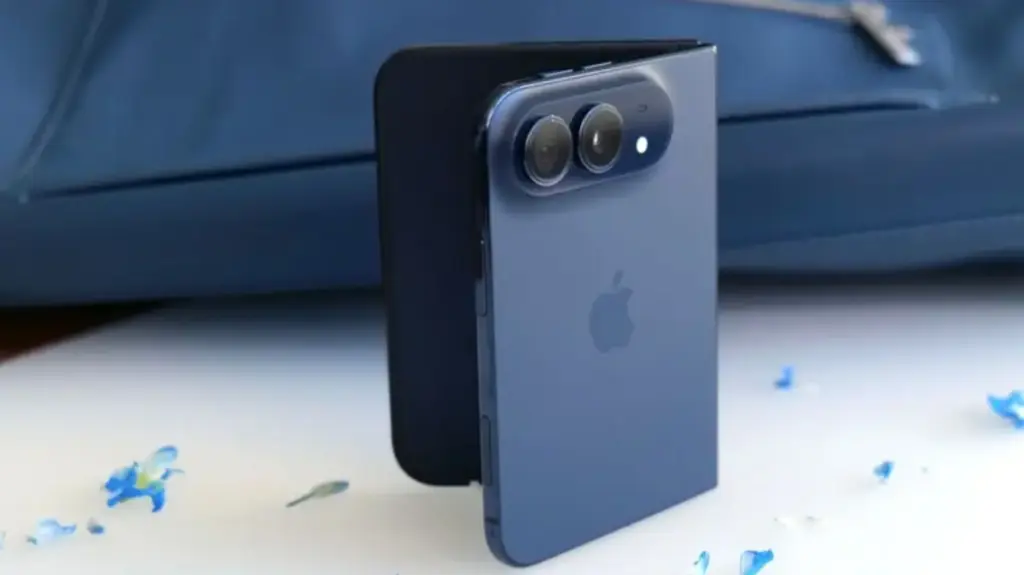
You might have a hard time trying to get hold of one yourself for the foreseeable future, but the iPhone Duo has been in the hands of reviewers for a little while now. And while it is clearly a first-generation product, overall impressions of Apple’s first foldable smartphone have been broadly very positive, captivating industry analysts, early adopters, and tech enthusiasts alike as the company enters a brand-new hardware category.
However, one potential annoyance for anyone coming from another modern iPhone has been the lack of Face ID, with Apple instead opting to go back to Touch ID for the first time since the release of the 2022 iPhone SE. Most everyday iPhone users have grown accustomed to using Face ID seamlessly since its introduction with the iPhone X several years ago. In our own review of the device, we noted that the Touch ID solution implemented here works accurately, but can take a bit longer to unlock the phone than you might expect from a modern flagship device. According to reliable Apple insider Mark Gurman, the company is already looking at how it can bring its newer biometric technology to the iPhone Duo’s inevitable follow-up.
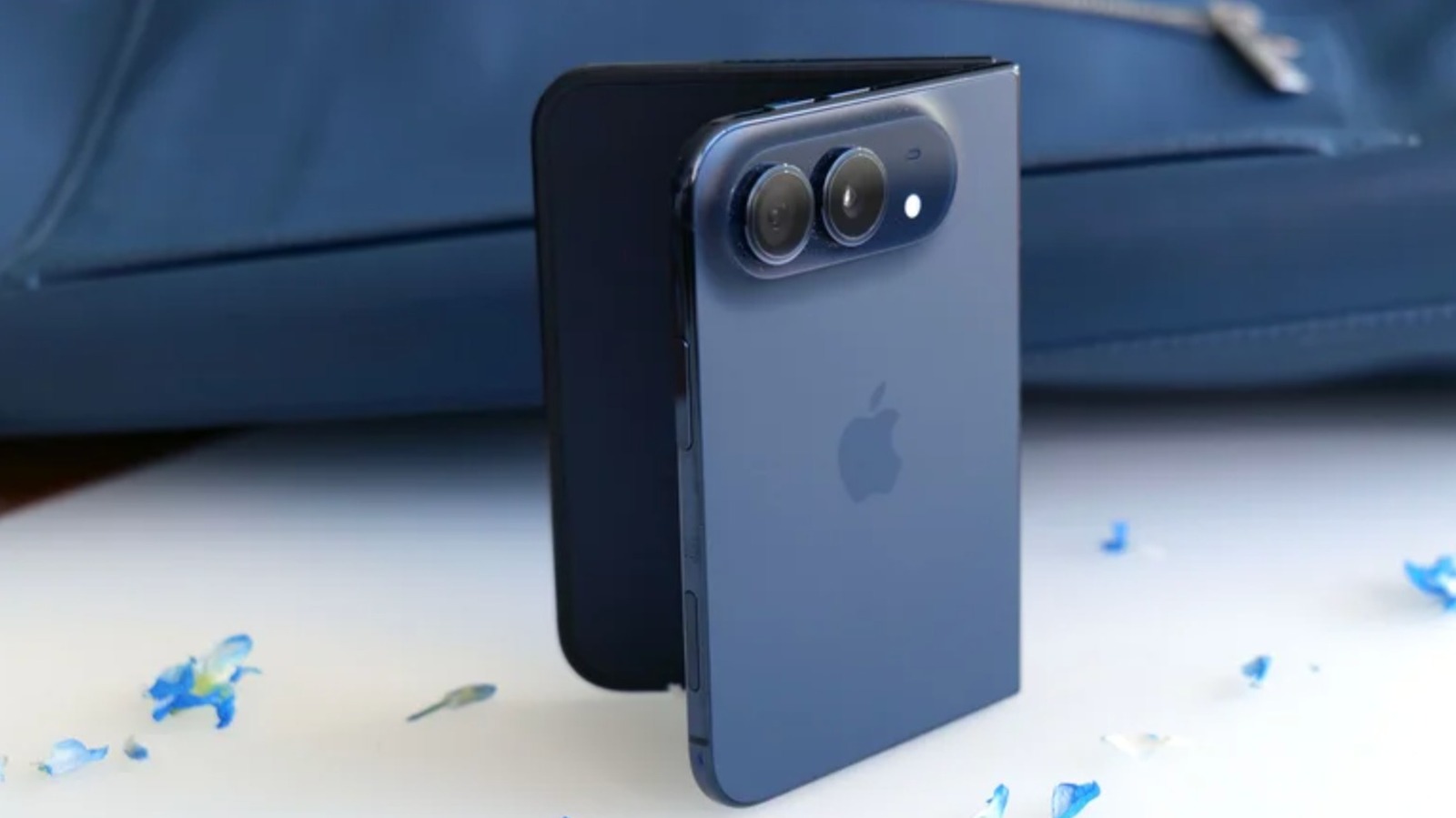
Speaking on his recent Power On podcast, Gurman reported that Apple is actively working on under-display Face ID technology, and that there are already iPhone Duo 2 prototypes currently in development that have the advanced facial recognition technology built directly into the phone’s outer display. He also pointed to the iPhone 18 Pro and Pro Max models, with their significantly shrunken-down Dynamic Island hardware, as clear evidence that Apple is actively finding engineering ways to move more complex optical components underneath its phones’ displays. Notably, the first-generation iPhone Duo also features Apple’s first-ever under-display camera, proving that the company is laying the groundwork for a completely all-screen design across its premium device lineups in the coming years.
As for why Apple chose to outfit its $2,000 foldable device with a biometric feature it largely retired from iPhones almost a decade ago—though plenty of MacBook and lower-end iPad models still utilize Touch ID in various forms—it likely has a lot to do with the complex structural realities of foldable engineering. The iPhone Duo is specifically designed to be used in a number of different physical orientations, whether folded shut like a traditional candy-bar phone or unfolded into its larger tablet-like configuration. Putting sophisticated Face ID sensors on both the inner and outer displays simultaneously would have been a significant engineering stretch during this initial design phase, and may have pushed up the retail price of an already enormously expensive luxury device even further.
Gurman points out that the iPhone Duo’s display assembly is extraordinarily thin by design to maintain portability and ergonomics when closed, so squeezing even more complex TrueDepth camera components into it would have presented massive manufacturing and thermal challenges. Furthermore, Apple wanted a strong sense of visual and functional uniformity with both displays, so getting Face ID to successfully function beneath one screen but not the other was an asymmetric design compromise that was unlikely to materialize for this first generation. The Bloomberg reporter added that other modern hardware improvements, such as the customizable Action Button which Apple originally introduced on the iPhone 15 Pro, may also eventually feature in a subsequent iPhone Duo 2 model as the foldable product line matures.