




Nearly two decades into early retirement, financial independence advocate and author known as Mr. Money Mustache has discovered that the ultimate freedom of an unconstrained lifestyle can easily transform into a psychological double-edged sword. While the initial phase of leaving the traditional workforce is widely celebrated for eliminating grueling commutes and rigid corporate schedules, long-term freedom presents a unique, subtle challenge: the complete absence of external compulsion to do anything that requires effort.
Reflecting on nineteen years of early retirement, the author notes that the benefits are undeniable. Having the flexibility to raise a child from birth through early adulthood without professional compromises, alongside dedicating thousands of hours to family, health, community building, and creative projects, represents an ideal lifestyle. However, this level of total autonomy reveals a hidden flaw—the realization of never truly having to do anything one does not feel like doing in the moment.
To most people accustomed to the constraints of traditional employment, combining total freedom with financial stability sounds like an uninterrupted playground of self-actualization. Yet, reality proves more complex. Freedom acts as a psychological mirror, amplifying a person’s underlying strengths and weaknesses. Without external structures, individuals tend to drift toward one of two extremes: sliding into total inactivity and immediate gratification on the couch, or proactively building complex enterprises, non-profit foundations, and community initiatives.
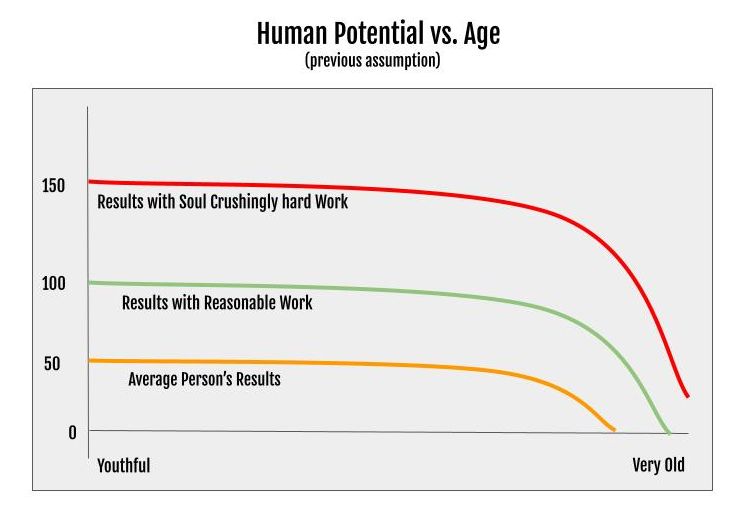
For the first decade of retirement, maintaining balance came relatively naturally. Intensive parenting responsibilities were paired with neighborhood construction projects, adventurous travels, and regular creative output through hundreds of blog posts and videos. In recent years, however, a gradual deceleration set in. The author observed a growing tendency to retreat to the couch earlier in the afternoon, seeking digital distractions while wishing for the energy and focus required to accomplish more challenging, deeply rewarding tasks.
The Trap of Self-Sabotage and Comfortable Avoidance
In response to this gradual decline in productivity and drive, the author spent considerable time studying health, wellness, neurobiology, and the dangers of excessive comfort. While these educational resources offered profound insights into daily habits and motivation, a recurring pattern emerged. Knowledge alone proved insufficient; while new habits could be successfully incorporated for a short time, the brain eventually invented subtle excuses to abandon them.
The core realization was that absolute freedom was being weaponized not to achieve higher goals, but to actively avoid tasks requiring planning, physical exertion, or intense mental focus. Just as freedom can be squandered by leaving children in front of endless cartoons while scrolling social media, it becomes wasted if it only serves to dodge difficult tasks. Ironically, avoiding the hard things—such as rigorous physical training, complex writing, or ambitious projects—prevents an individual from experiencing the very activities that foster a fulfilling life.
Using physical workouts as a primary example, the author highlighted a common psychological trap. Acknowledging that regular weight training yields the highest return on investment for overall health and vitality, the initial approach relied on elaborate mental negotiations. The typical internal dialogue involved waiting for ideal conditions—hoping for high energy levels, perfect weather, and meticulously pre-arranged gym setups—before attempting a workout. When those conditions failed to align perfectly, workouts dropped to two or three times a week, replaced by rationalizations like having walked a lot during the day, resulting in a predictable plateau in physical fitness.
The breakthrough came from recognizing this internal hesitation not as a valid signal to rest, but as a direct indicator of self-sabotage. By fundamentally altering the mental script—transforming the realization of not feeling like working out into an immediate physical trigger to put on shoes and head to the gym—behavioral patterns shifted entirely. Recognizing that hesitation is an uncomfortable state that can erode one’s quality of life if indulged, the author learned to run directly toward difficult tasks rather than away from them.
Finding Inspiration in Extreme Resilience
This shift in perspective was further reinforced by exploring extreme examples of human drive, notably through a podcast interview featuring endurance athlete and retired Navy SEAL David Goggins. Known for pushing his mind and body through extraordinary hardships—including surviving intense childhood trauma, enduring near-death experiences during military selection, running hundreds of miles without sleep, and setting pull-up world records—Goggins represents the outer limits of human endurance.

While adopting the extreme Goggins lifestyle is neither practical nor desirable for most people, the underlying message offers profound perspective. The barriers holding people back are almost entirely psychological rather than physical or external. Recognizing that limitations are self-imposed opens up an empowering paradigm shift: instead of viewing life through the lens of rigid, unchangeable circumstances, individuals can realize that most obstacles exist purely in the mind.
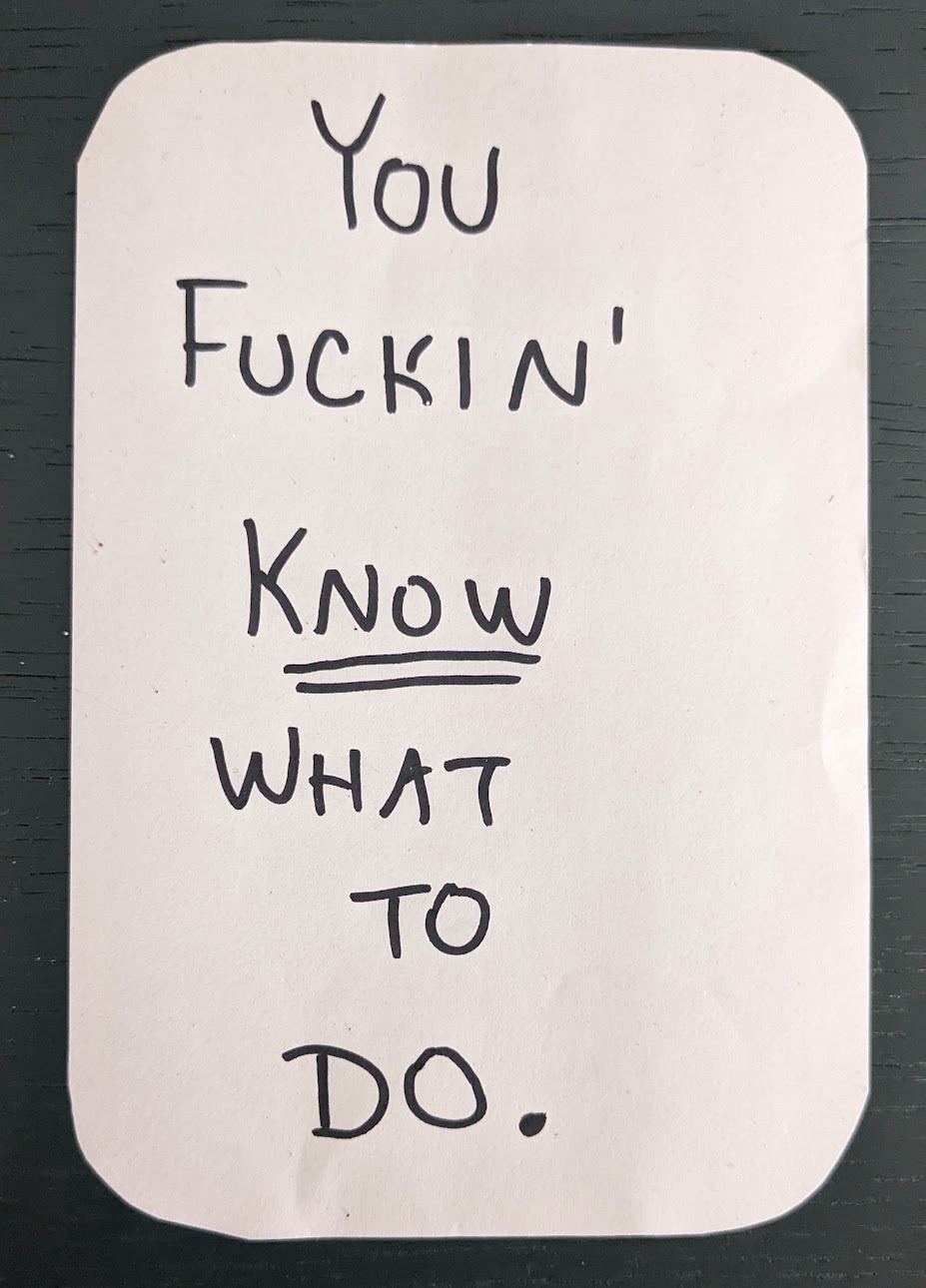
Armed with this renewed mindset and a concise reminder stuck to the bathroom mirror stating the obvious reality of knowing what needs to be done, consistency dramatically improved. The author was able to maintain a daily gym routine, resulting in significant lean muscle gains, restored strength and flexibility reminiscent of early adulthood, and a general revitalization of physical well-being. This same "catch yourself at the hesitation" technique was successfully applied to running regimens, social visits, and creative writing projects.
Refilling the Inspiration Tank
Sustaining this renewed discipline involves periodically returning to sources of inspiration. By integrating audiobooks from demanding figures like David Goggins, health expert Peter Attia, and leadership author Jocko Willink into daily routines, the author continues to reinforce habits of accountability and extreme ownership. While critics may debate the merits of modern health podcasters or fitness subcultures, the key takeaway remains practical: finding external sources of energy and discipline that encourage personal growth without necessarily adopting every extreme aspect of their lifestyles.
Ultimately, integrating these perspectives provides a reliable framework for navigating the later stages of early retirement. By confronting hesitation head-on and treating moments of reluctance as immediate triggers for action, individuals can preserve the true value of their freedom, ensuring that an unconstrained life remains active, purposeful, and deeply rewarding.