


The plans for a brand-new series of Star Wars films spearheaded by Kinberg were initially brought to light through reporting by Daniel Richtman before being independently corroborated by The Hollywood Reporter. While Watts earned widespread acclaim and massive commercial success steering the Marvel Cinematic Universe’s Tom Holland-led Spider-Man trilogy—consisting of Homecoming, Far from Home, and No Way Home—his upcoming return to Lucasfilm follows his recent creative contributions to the franchise as a co-creator on the 2024 television series Skeleton Crew.
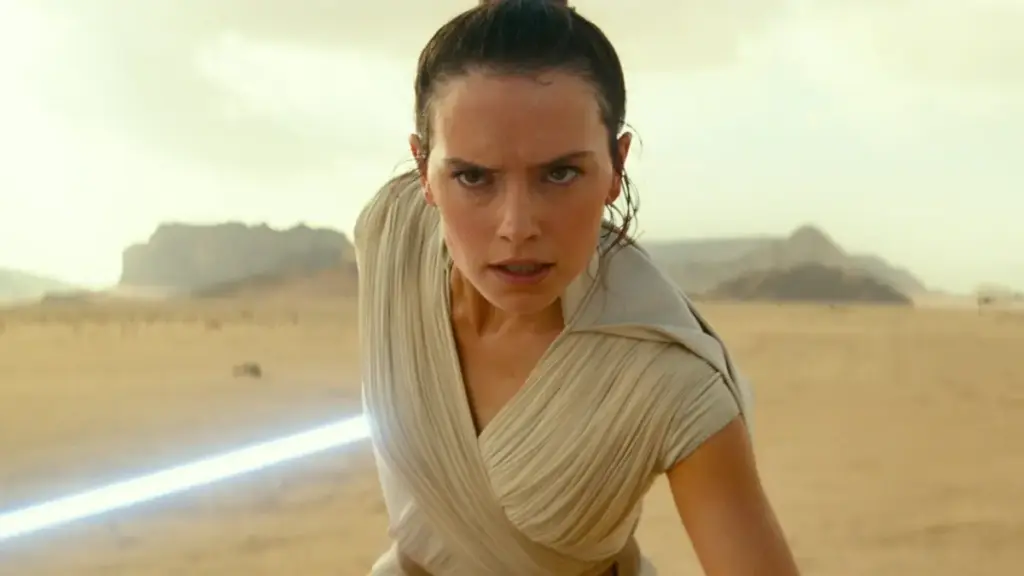
Although specific plot details remain closely guarded secrets, industry reports indicate that the yet-untitled trilogy will continue the sprawling Skywalker Saga narrative, with Daisy Ridley’s sequel trilogy Jedi, Rey Skywalker, slated to play a prominent role in the unfolding storyline. Kinberg, whose extensive writing and producing credits include Star Wars: Rebels and Mr. and Mrs. Smith, has been tasked with crafting the narrative blueprint for this next multi-film venture.
At present, Watts has only been formally attached to direct the first movie of the trilogy rather than the entire three-film slate. Furthermore, sources note that Disney has not yet given the project an official green light as development continues behind the scenes. Despite remaining in the early stages of pre-production, insiders suggest that Kinberg’s trilogy is advancing more steadily than the vast majority of other Star Wars cinematic projects currently floating around Lucasfilm’s development pipeline. The only theatrical project currently ahead of it on the release calendar is Star Wars: Starfighter, a collaboration featuring Shawn Levy and Ryan Gosling that is currently slated to land in theaters on May 28, 2027.
The journey toward solidifying Kinberg’s trilogy has experienced a few notable twists and turns since rumors of his involvement first surfaced in 2024. Early reports regarding the nature of his proposed films were conflicting, with some industry sources claiming the upcoming run of mainline movies would advance the Skywalker Saga, while others asserted that Lucasfilm was preparing to break entirely new ground with a standalone storyline. The Hollywood Reporter’s recent updates indicate that Kinberg ultimately opted to lean into the familiar legacy of the Skywalker lineage, though given the project’s early stage in development, creative trajectories remain subject to evolution.
Former Lucasfilm president Kathleen Kennedy offered insight into Kinberg’s writing progress earlier this year during an interview with Deadline, shedding light on the rigorous development process. Addressing the project’s early speed bumps, Kennedy noted that while initial drafts showed promise, they required substantial refinement before earning leadership approval.

"[Kinberg] wrote something that we read in August, and it was very good, but not there," Kennedy said in January. "We’ve pretty much upended the story, and then spent a great deal of time on the treatment, which he finished literally about four weeks ago. And it’s a very detailed treatment, like 70 pages. And so he is expected to give us something in March."
This creative restructuring occurs against a backdrop of broader strategic shifts for the Star Wars franchise on the silver screen. For many devoted fans, the cinematic side of the franchise has faced persistent challenges in recapturing the cultural momentum of George Lucas’ original masterpieces. The core Skywalker Saga officially concluded its nine-film arc with the release of Star Wars: Episode IX – The Rise of Skywalker in 2019. Rather than a triumphant crescendo, the conclusion arrived to mixed critical reception—earning a 7/10 rating from IGN—a reception rivaled only by 1999’s Episode I – The Phantom Menace.
In the wake of that divisive finale, Disney pumped the brakes on theatrical releases, triggering a prolonged seven-year drought of new Star Wars movies that was only recently broken by The Mandalorian and Grogu. However, that theatrical return encountered its own hurdles, pulling in so-so critical reviews—including a 5/10 from IGN—alongside underwhelming box office returns. The performance ultimately prompted Disney executives to acknowledge that the film underperformed in theaters, though they noted that merchandise sales remained robust.
Conversely, the television landscape has provided a starkly different narrative, proving to be a fertile and critically praised ground for the franchise. The first two seasons of the Rogue One prequel series, Andor, achieved widespread critical acclaim, cementing themselves among the most celebrated live-action storytelling in the history of the galaxy far, far away. While projects like 2024’s The Acolyte sparked passionate debates among viewers, streaming initiatives such as Skeleton Crew and Maul – Shadow Lord successfully cultivated dedicated and consistent audiences.
As Star Wars navigates ongoing growing pains amidst high-level creative and executive leadership shifts—including Kathleen Kennedy’s departure after 14 years and the appointment of Dave Filoni and Lynwen Brennan as the new heads of Lucasfilm—Disney has made it abundantly clear that its storytelling ambitions remain undiminished. A robust slate of films and television shows remains in various stages of development. Highly anticipated sophomore seasons for both Maul – Shadow Lord and Ahsoka are currently lined up to premiere next year, keeping fans engaged on the streaming front.
Meanwhile, ardent fans continue to rally online for other potential stories, such as campaigns urging Disney to resurrect the rumored Hunt for Ben Solo film with Adam Driver. Yet, with Lucasfilm leadership under Dave Filoni signaling a fresh era for the cinematic universe, the studio is actively looking ahead rather than dwelling on the past. As Jon Watts prepares to step behind the camera for Simon Kinberg’s developing trilogy, Lucasfilm continues laying the groundwork for a revitalized big-screen future.