
By Elena Waldman
Published October 1, 2026
Rural southwest Virginia is welcoming a permanent fixture in the ongoing fight against animal overpopulation. PETA’s mobile spay-and-neuter clinic has rolled into the region once again, but this time, it is there to stay.
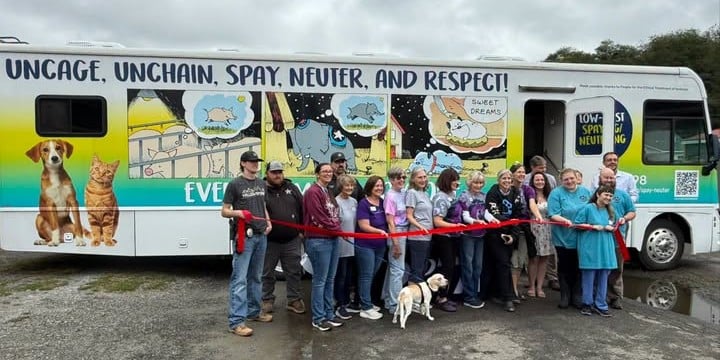
During a celebratory unveiling event, representatives from People for the Ethical Treatment of Animals (PETA) handed over the keys to a fully equipped mobile surgical unit to the Twin County Humane Society. The milestone handover establishes the region’s first-ever permanent mobile spay-and-neuter clinic. This game-changing gift is designed to bring vital, affordable sterilization services directly into underserved, rural communities where veterinary care is often scarce, tackling the animal homelessness crisis directly at its source.
True to tradition, the ribbon-cutting ceremony was marked by immediate action. PETA and the Twin County Humane Society commemorated the launch by sterilizing, vaccinating, and microchipping 253 cats and dogs during an intensive two-day community spay-and-neuter event. This latest effort builds on a successful ongoing relationship; since 2023, the partnership has provided free sterilization surgeries for nearly 1,000 animals throughout the area.
The Small Surgery That Solves a Big Problem
Animal welfare advocates emphasize that spaying and neutering represent the single most critical method for reducing companion animal homelessness and population surges. Across the country, shelters routinely take in far more animals than they have the space or financial resources to place in permanent homes. In rural pockets like southwest Virginia, geographic isolation and a lack of local veterinary infrastructure make accessing affordable care an immense hurdle for many pet guardians.
"The overwhelming number of homeless and unwanted animals is one of our community’s most persistent struggles," said Twin County Humane Society Vice President Stephanie Kordick. "Year-round access to affordable spay-and-neuter surgeries is how we start shrinking those numbers and give more animals a chance, and we’re grateful to PETA for making this possible."
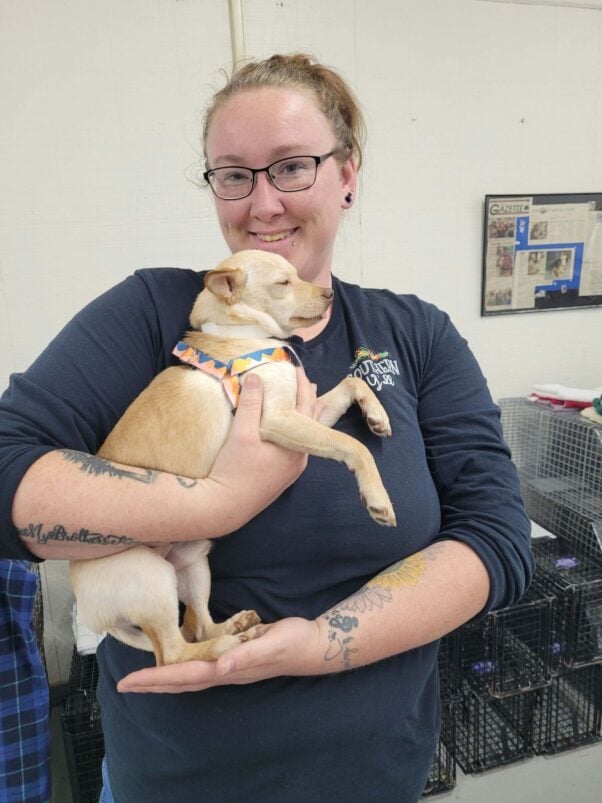
Beyond controlling overpopulation, routine sterilization provides significant medical and behavioral benefits for individual pets. Sterilized animals generally live longer, healthier lives. Spaying completely eliminates the risk of uterine infections and ovarian cancer while dramatically reducing the incidence of mammary tumors. Similarly, neutering prevents testicular cancer and significantly lowers the risk of various prostate complications.
Fieldworkers Also Brought Comfort, Care, and Second Chances
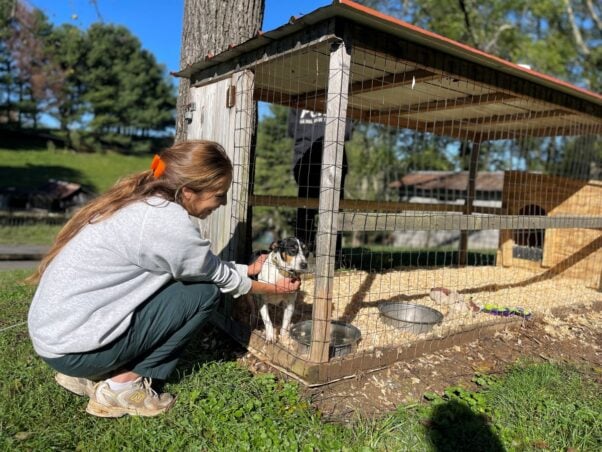
Addressing the overpopulation crisis was only part of PETA’s comprehensive mission in the region. Working in tandem with tips and requests from local humane society staff and animal control officers, PETA fieldworkers canvassed neighborhoods to provide immediate aid to outdoor and tethered dogs.
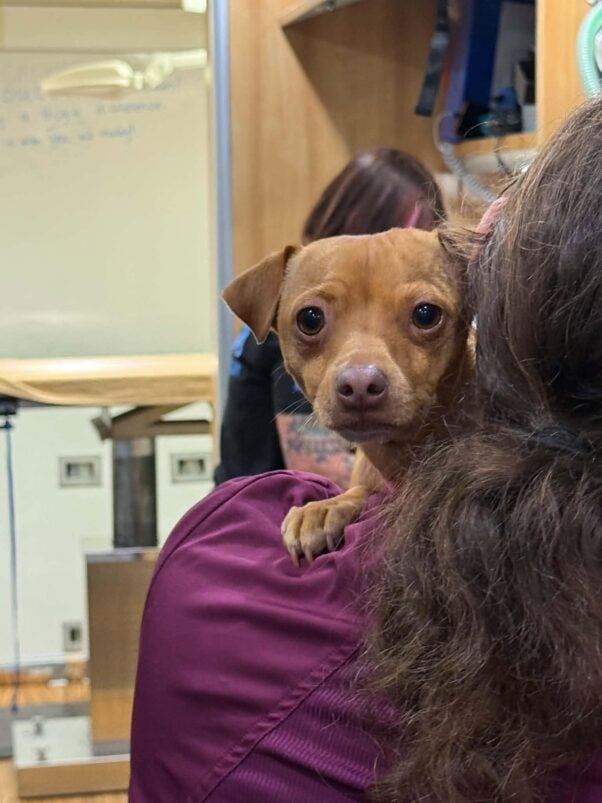
Animals living outside received critical upgrades and comforts, including sturdy new doghouses, essential flea and tick medications, their very first toys, new collars, and lightweight tie-outs designed to replace heavy, restrictive chains. Fieldworkers also provided hands-on grooming, such as nail trims and the removal of matted fur, alongside plenty of affection and socialization.
For ten lucky dogs, the fieldwork intervention marked a complete life transformation. After their respective guardians consented to surrender them into PETA’s care for indoor adoption placement, these dogs traded lonely lives at the end of a tether for the comfort of couches and compassionate care in PETA’s hometown of Norfolk, Virginia. For many of these animals, it was their first time experiencing life inside a home as specialists began working to match them with dedicated adoptive families.
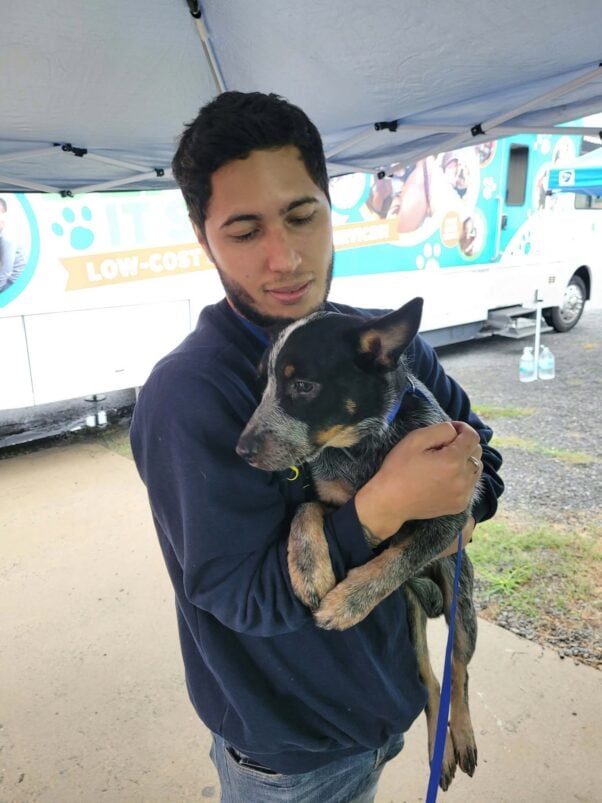
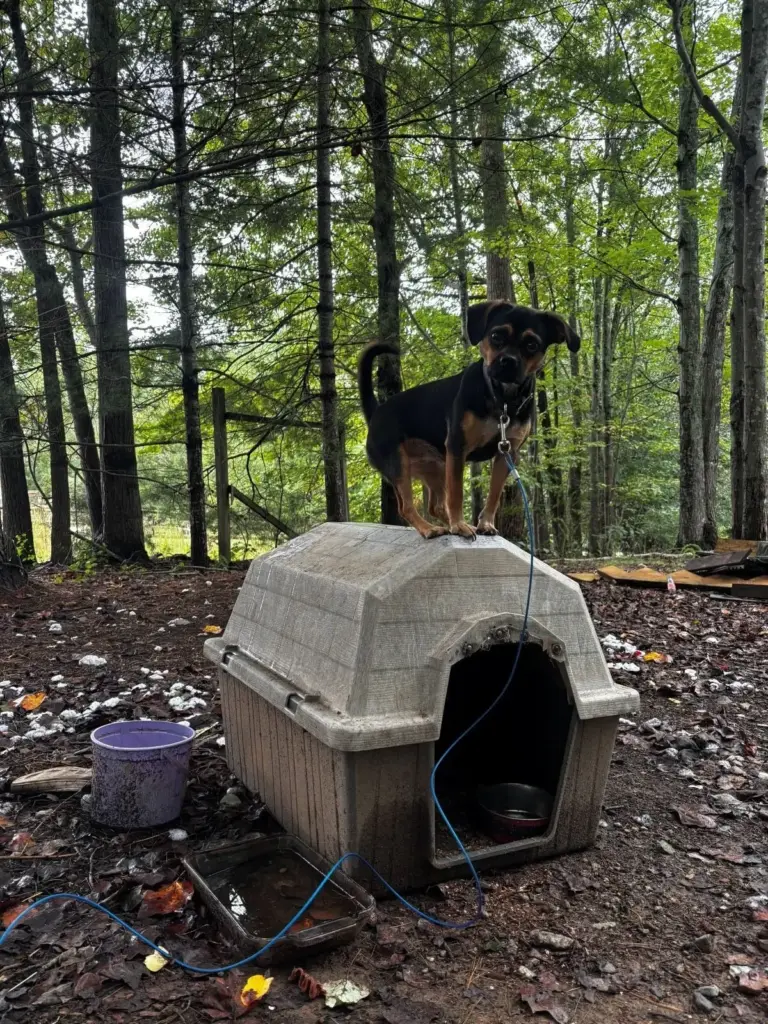
Among them was Boopsie, a dog who had been tethered outside next to a small plastic doghouse before PETA fieldworkers intervened. Today, Boopsie is resting comfortably indoors with a foster guardian while she awaits the arrival of her permanent, loving family.
PETA Has Sterilized 262,000 Animals and Counting
The latest donation in southwest Virginia contributes to a massive, long-standing operational milestone. Since launching its mobile clinic initiative in 2001, PETA’s mobile units have successfully sterilized more than 262,000 animals, effectively preventing the births of millions of potentially unwanted puppies and kittens. Alongside these large-scale surgical efforts, field teams have continually improved the daily lives of countless other animals through targeted, hands-on care that enhances safety, health, and comfort.
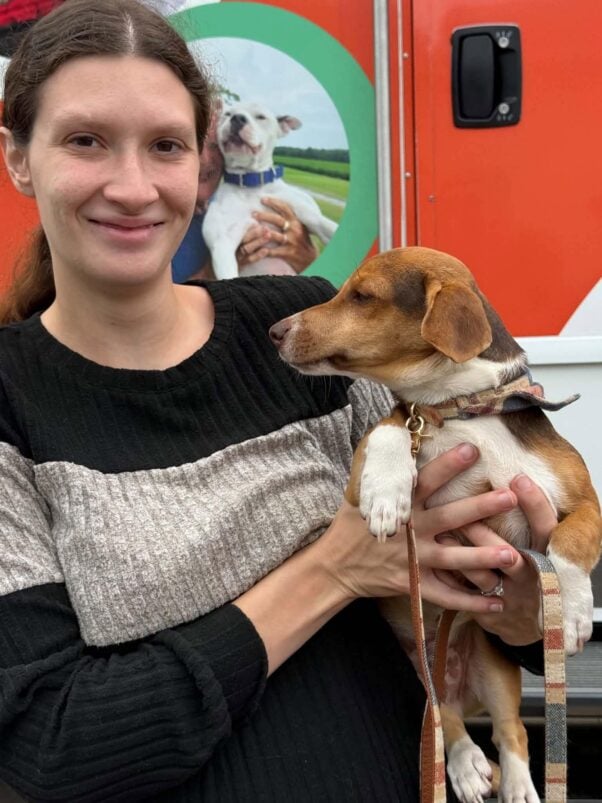
Every single spay and neuter procedure plays a direct role in curbing the broader animal homelessness crisis. When companion animals remain unsterilized, subsequent litters are inevitably born into communities already struggling to support existing populations. Unhoused dogs and cats face immense daily struggles just to survive, encountering severe hunger, communicable diseases, harsh weather conditions, traffic hazards, and potential abuse. Many others ultimately find themselves surrendered to traditional shelters that operate under severe space and resource constraints.
This stark reality has driven PETA’s mobile clinics to hit the road for a quarter of a century. By bringing low-cost and no-cost spay-and-neuter resources straight to the doorsteps of underserved populations, the organization aims to prevent suffering long before it can begin.
The Road Ahead Is Full of Snips
Looking forward, leadership at the Twin County Humane Society expects to officially open appointment booking for the new permanent mobile clinic by mid-November. Organizers note that community support remains vital to keep the vehicle operational. Contributions from compassionate individuals help cover ongoing maintenance, fuel, and medical supplies, ensuring the clinic can expand its reach and serve even more cats and dogs across the region in the months and years ahead.