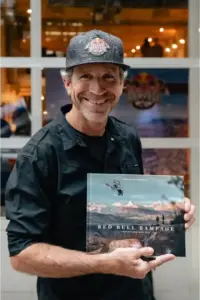




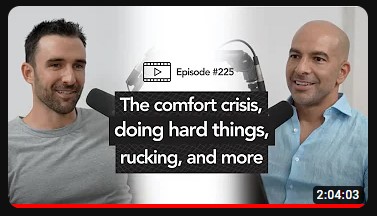
In an era defined by endless conveniences, subscription services, and climate-controlled environments designed to shield humanity from every minor irritation, a growing conversation is examining the hidden costs of modern luxury. For financial independence advocate and writer known as Mr. Money Mustache, the catalyst for this reflection arrived not from an economic report or a financial seminar, but from an unlikely source: an episode of the Peter Attia podcast featuring author Michael Easter.

Though initially drawn in out of mild curiosity regarding Easter’s book, "The Comfort Crisis," the podcaster found the title to be a precise, elegant summary of a philosophy he had been attempting to articulate for more than a decade. While mainstream media headlines frequently focus on personal debt crises, health epidemics, and other societal pressures suggesting that daily life has become overly burdensome, a starkly different reality exists for many citizens in developed nations. Rather than facing genuine hardship, modern populations are grappling with a culture of ridiculous overindulgence and physical ease. The primary danger, according to this perspective, is not recognizing this overindulgence or understanding the insidious damage it inflicts on physical and mental well-being.
The realization prompted a deep dive into Easter’s work. A former writer for Men’s Health and a survivor of severe alcohol addiction, Easter brings a unique perspective to the intersection of comfort and hardship. His personal history with overindulgence provides him with a sharp lens through which to examine the broader societal battle between seeking total ease and enduring necessary challenges.

What makes "The Comfort Crisis" resonate so deeply with readers is Easter’s narrative style. Like many popular science books, it weaves a split narrative, alternating between an extraordinarily grueling caribou hunting expedition in a remote region of Alaska and the scientific, psychological, and cultural research that explains the human experience behind such endurance. This structure allows readers to process and apply the lessons to their own everyday lives.
One of the central psychological phenomena explored in the book addresses a common modern annoyance: the hyper-fixation on minor grievances by individuals living in otherwise safe, affluent environments, such as neighborhood association board members complaining about trivial property infractions. Science, it turns out, has an explanation for this behavior. Human beings possess an evolutionary tendency to constantly scan their environment for problems, regardless of how safe and secure that environment actually is.
Citing recent psychological studies, the book highlights research where participants were asked to identify threats in an environment that gradually became safer. When the original threats vanished, participants did not relax; instead, they unconsciously expanded their criteria to search for a wider range of minor issues. As human experience becomes increasingly problem-free, society does not grow more satisfied. Instead, the threshold for what constitutes a problem is simply lowered.
When daily existence lacks genuine obstacles, people tend to invent grievances to complain about. Political systems frequently capitalize on this phenomenon, manufacturing wedge issues that encourage bickering over cultural and religious differences—conflicts that would hardly register as problems if external actors did not amplify them. This constant search for friction in a frictionless world exposes a core societal vulnerability, while true resilience is forged when individuals choose to rise above petty complaints.
Conversely, individuals surviving in harsher, more volatile environments often display greater resilience and lower tendencies to complain. Interviews with Ukrainian citizens residing in active war zones, for instance, frequently yield surprisingly high assessments of safety when compared to the responses of urban residents in stable nations. A similar adaptation principle explains why first-generation immigrants often build businesses and accumulate wealth, while subsequent generations raised in comfort may become complacent. Growing up in less wealthy, more demanding conditions establishes those environments as a baseline of normalcy, making subsequent opportunities appear remarkable and fostering habits of financial prudence.
Beyond the trap of pointless worry, Easter’s work sheds light on humanity’s complicated relationship with the natural world and physical exertion. There is a deep biological wiring that responds positively to natural environments in ways that artificial settings like corporate cubicles and automobiles simply cannot replicate. Studies demonstrate that placing even a single plant in a hospital room measurably improves patient recovery times. The restorative power of stepping into a living forest for hours or days at a time is profound.

Humanity also exhibits a strange, natural aversion to physical exertion, contrasted with a proven psychological truth: the harder an individual works for an achievement, the deeper the satisfaction derived from it. Despite the immense health benefits of movement, statistics show that only two percent of people choose to take the stairs when an escalator is available. Given the heavy toll this sedentary lifestyle takes on long-term health, the avoidance of physical exertion represents a costly modern default. Regular movement, particularly in natural settings involving heavy load-bearing and physical challenge, remains among the most effective preventative medicine available. Yet, society often leans toward sedentary habits, relying instead on medical interventions to manage the chronic health issues that arise as a consequence.
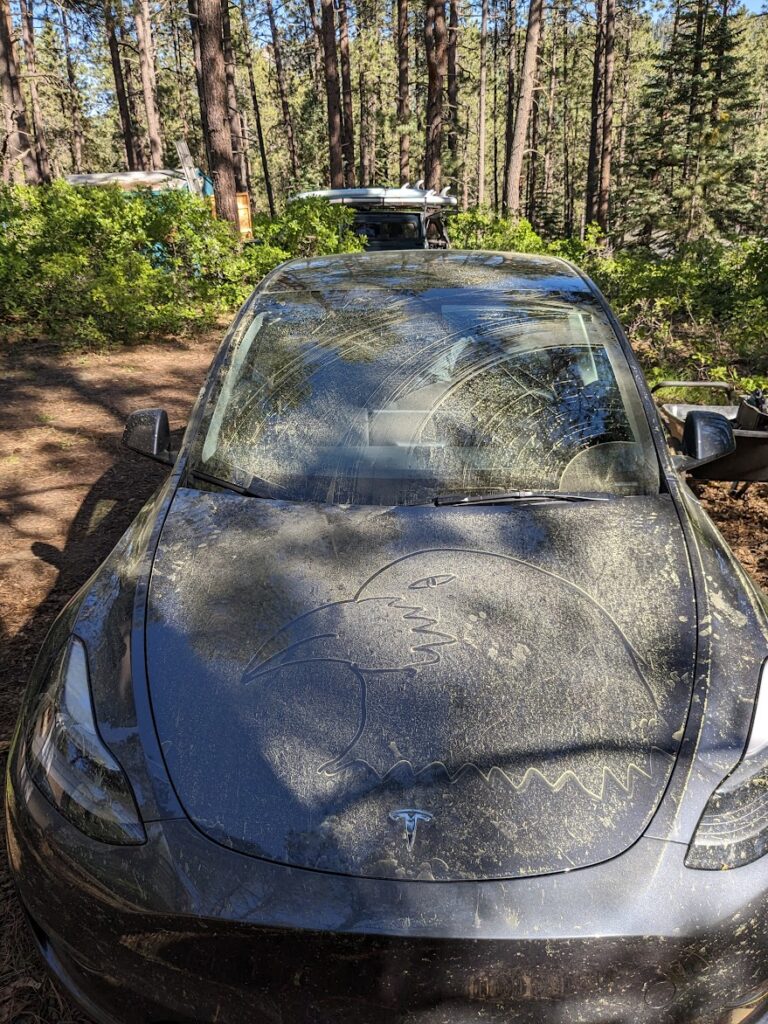
These principles found immediate application during a solo journey into the mountains of Southwestern Colorado. Equipped with a Model Y containing basic supplies, bedding, and tools, the trip was intended to tackle construction projects, including fixing up a property in Salida and initiating the construction of a small cabin in Durango. True to the themes of "The Comfort Crisis," the trip immediately delivered minor trials: a torrential mountain rainstorm, a traffic citation in front of local law enforcement, and a flying pebble that instantly cracked a brand-new windshield.

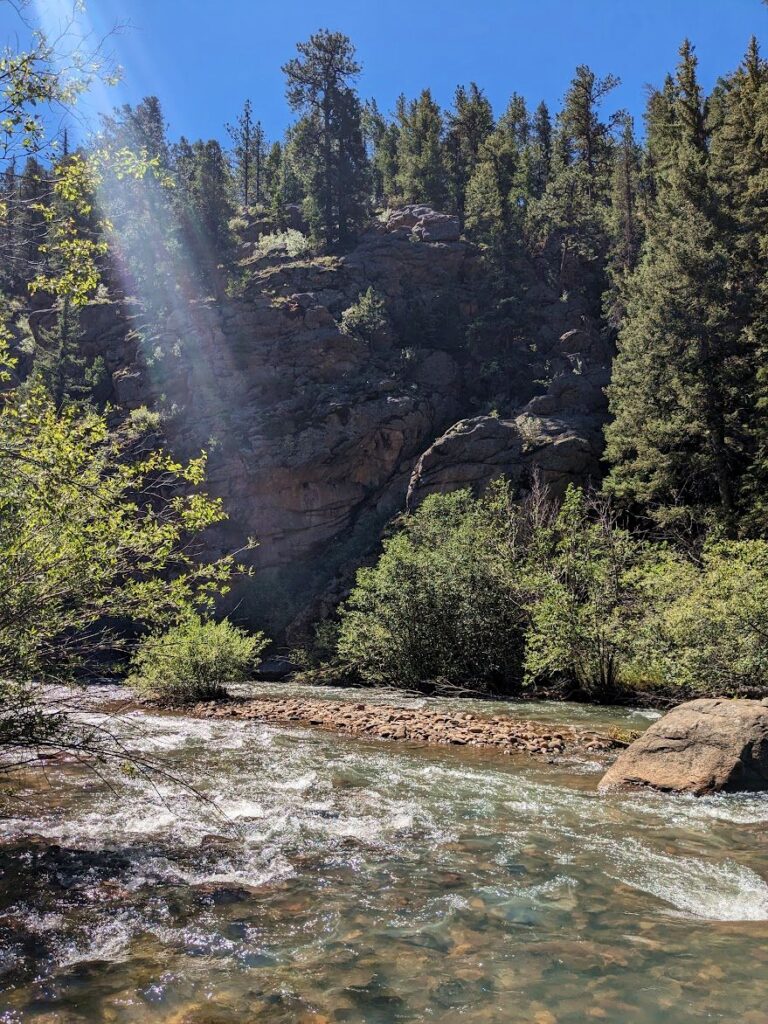
Though these incidents occurred during a vacation in a luxury vehicle, they briefly threw a comfortable routine off balance, highlighting how sensitive modern lifestyles have become to minor disruptions. Moving further into the high desert of Durango during peak summer brought more demanding conditions—scorching sun, swirling tree pollen, lack of indoor plumbing, careful water conservation, and sleeping alone in a car. Yet, rather than inducing depression, the constant exposure to physical work and sparse living conditions fostered a growing sense of resilience and capability.
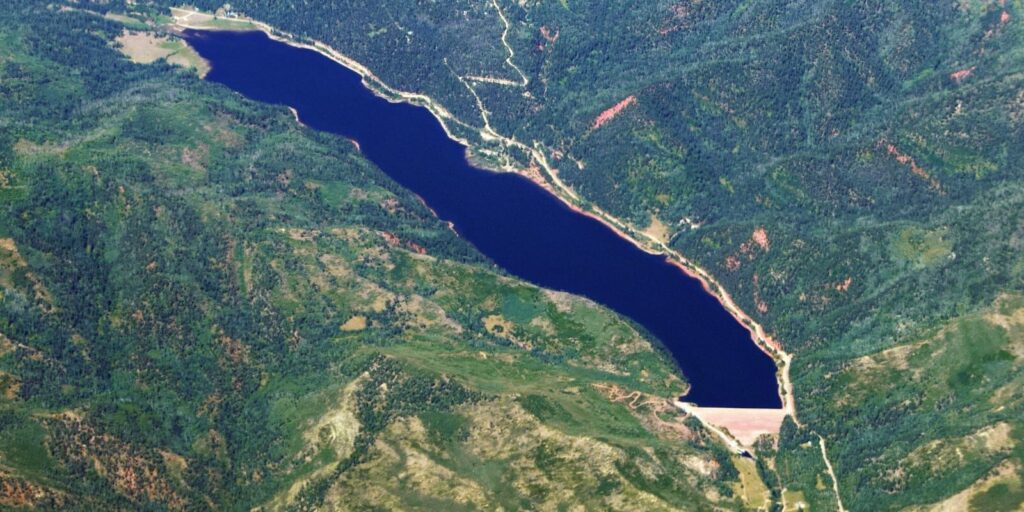
An afternoon excursion to the remote Lemon Reservoir further reinforced these lessons. Venturing out onto the water on paddleboards without phones or modern amenities, navigating a stiff headwind and whitecap waves, offered a stark reminder of the value of purposeful challenge. Pushing past the physical discomfort into a secluded, moss-covered shoreline devoid of digital distractions allowed for a deeper sensory connection to the environment. Floating back across the cold water on a simple board, stripped of material concerns, delivered a profound sense of peace.
This period of physical exertion also restored a natural baseline regarding physical hunger, contrasting sharply with the constant availability of food in modern daily life. Concluding the trip with a massive burrito at a local restaurant following a week of sparse living and hard labor underscored how scarcity enhances appreciation, making a simple meal taste extraordinary.
The intersection of purposeful hardship and financial philosophy has become a recurring topic of discussion within the modern financial independence community. While critics often argue that individuals pursuing early retirement are overly frugal and need to loosen their spending habits, the broader risk of excessive comfort remains a threat to the human condition. Spending money on adventures, personal growth, generosity, and community improvement brings genuine value, but it is equally easy to default to purchases that make life progressively easier at the expense of personal resilience.
Ultimately, the lesson derived from both philosophical exploration and rugged mountain experiences is to remain mindful of the trap of unearned ease. The path to long-term physical and mental well-being requires keeping life intentionally challenging, even as personal circumstances improve. In practical terms, the guiding philosophy remains straightforward: invest in better tools rather than softer chairs.