


Pet owners frequently look for healthy, low-calorie ways to diversify their dogs’ diets, often reaching for produce from the family kitchen. While dogs are classified as omnivores in practice and can digest a wide array of plant foods, introducing fresh vegetables into a canine diet requires a clear understanding of canine physiology, safe preparation methods, and strict caloric boundaries. While crisp carrots and steamed green beans offer nutritional perks such as fiber, moisture, and vitamins, common kitchen staples like onions, garlic, and wild mushrooms pose serious health risks.
Veterinary nutritionists emphasize that while safe vegetables can serve as excellent treats or functional components of complete commercial dog foods, they are not strictly necessary as standalone additions for dogs consuming fully balanced diets. Understanding which vegetables are safe, how to properly prepare them, and how their inclusion differs between table treats and formulated complete foods is essential for maintaining optimal canine wellness.
Canine Physiology and the Role of Vegetables
Unlike obligate carnivores such as cats, dogs possess digestive systems adapted to process both animal and plant matter. Over thousands of years of domestication, canine genetics evolved to produce digestive enzymes capable of breaking down carbohydrates and starches. Consequently, non-toxic vegetables can serve as useful dietary additions, delivering hydration, dietary fiber, and naturally occurring micronutrients for minimal calories.
Despite these digestive capabilities, a dog consuming a commercially prepared, nutritionally complete diet receives all essential vitamins, minerals, protein, and fatty acids required for daily health without needing extra food items. Commercial dog foods formulated to meet established standards already provide comprehensive nutrition. Therefore, whole vegetables added at home function primarily as low-calorie rewards, training aids, or volumetric fillers designed to assist with weight management under veterinary supervision.
Navigating Safe Vegetables: Recommended Produce and Portioning
When selected and prepared correctly, several common vegetables can be safely shared with dogs. Because individual digestive tolerance varies, veterinary guidelines stress introducing any new vegetable gradually while observing for stomach upset.
Carrots and Green Beans
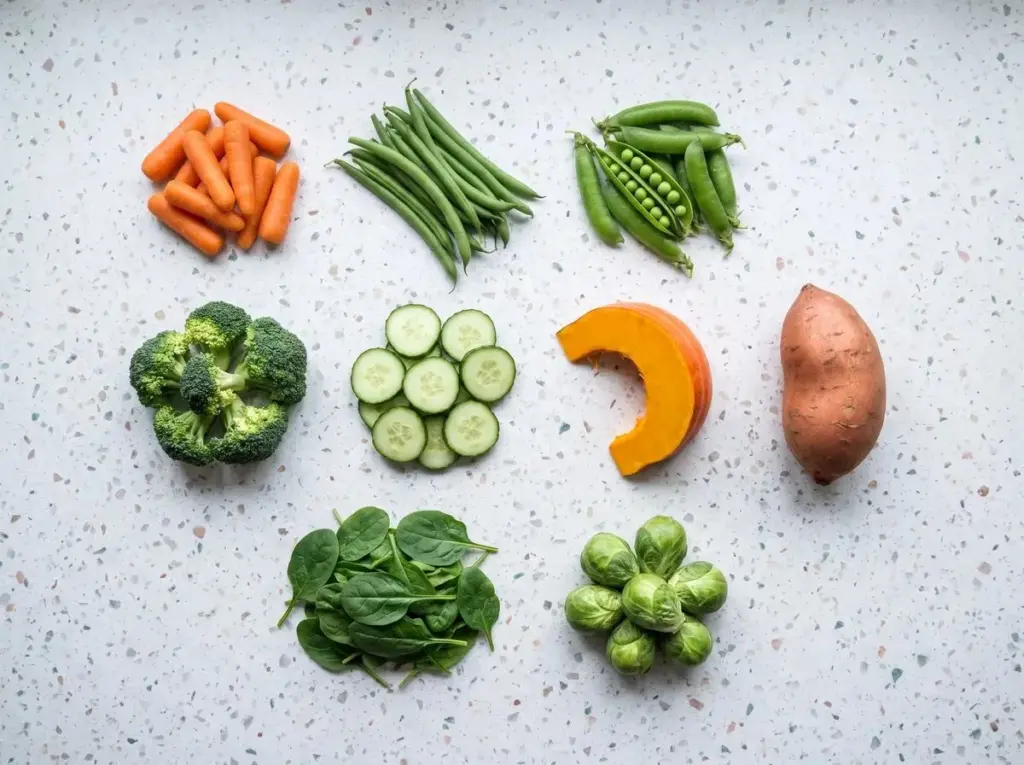
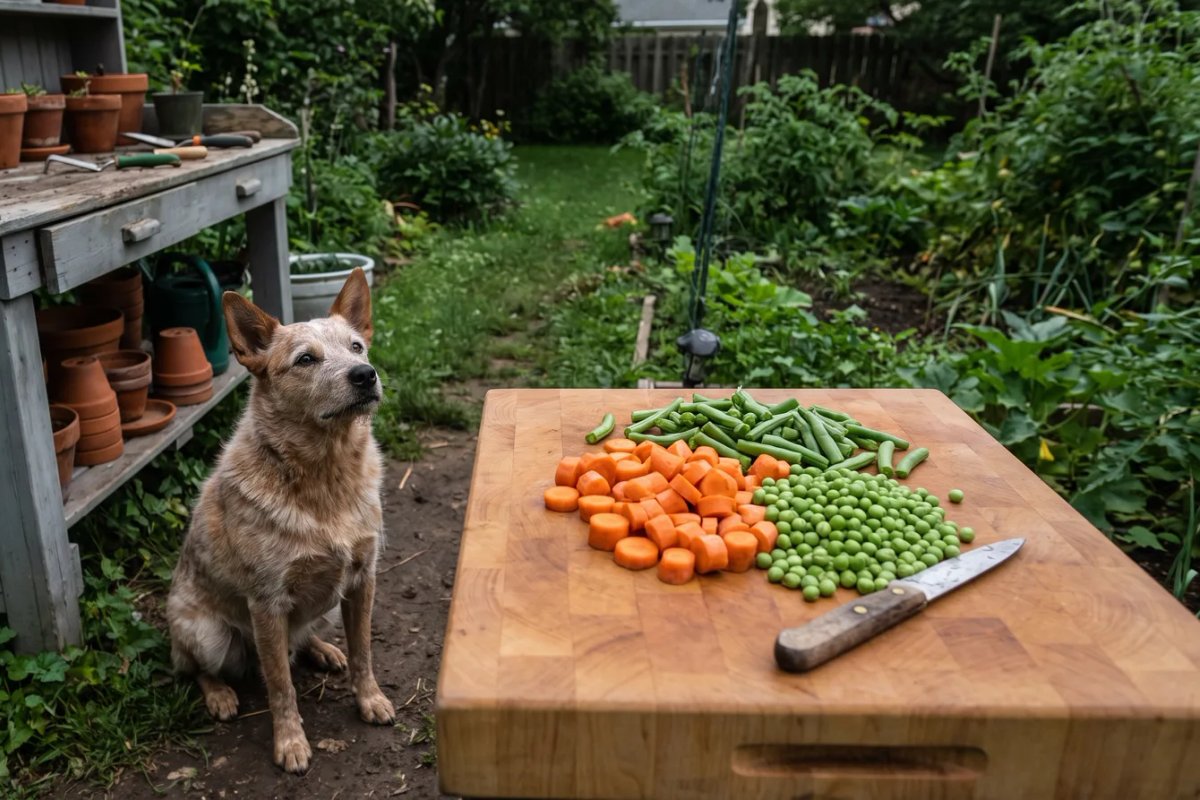
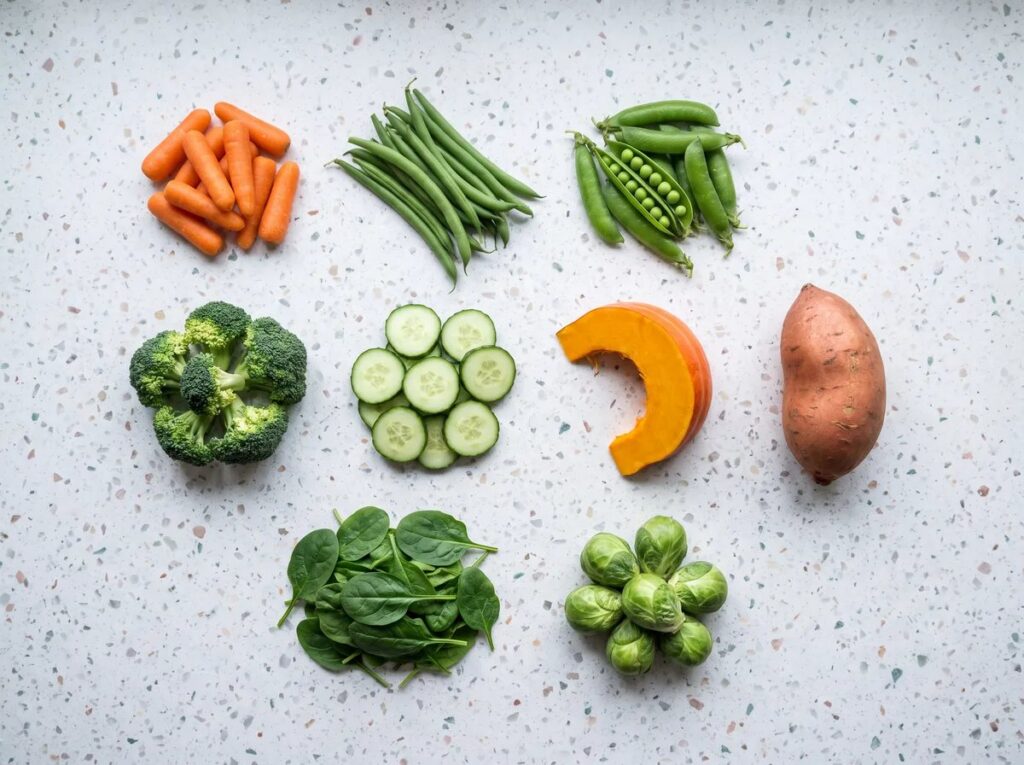
Carrots stand out as one of the most accessible treats for dogs of all sizes. Raw carrot sticks offer a satisfying crunch that can aid in mild dental scraping, while steamed carrot coins present a soft, digestible texture suitable for senior dogs or pets with dental sensitivities. Due to choking hazards, raw carrots should always be sliced into bite-sized coins or thin strips for smaller breeds. Recommended starting portions range from one to two baby carrots for dogs under 20 pounds, two to four for medium dogs weighing 20 to 50 pounds, and four to six for large dogs over 50 pounds.
Green beans are similarly valued as a low-calorie treat. Plain steamed or raw green beans are frequently utilized by veterinarians as a safe way to add bulk to a dog’s dish during structured weight-loss programs. Frozen green beans served plain also offer a cold, crunchy snack during warm weather. Small dogs can safely consume one to two tablespoons, medium dogs two to four tablespoons, and large dogs up to a half-cup. Canned green beans containing added sodium or preservatives should be strictly avoided.
Starchy and Dense Produce: Sweet Potato, Pumpkin, and Peas
Sweet potatoes and pumpkin offer beneficial dietary fiber and are common constituents of commercial dog food formulas. However, because sweet potatoes are calorie-dense and rich in carbohydrates, serving sizes must remain modest—typically one to two teaspoons for small dogs, one tablespoon for medium dogs, and two tablespoons for large dogs. Sweet potatoes must always be peeled, thoroughly cooked, and plain; raw sweet potatoes are tough, difficult to digest, and present a risk of intestinal obstruction. Pumpkin should be served plain, cooked, or canned as pure puree. Pumpkin pie mixes, which contain added sugars, nutmeg, and toxic sweeteners like xylitol, must never be given to pets.

Peas—including green peas, sugar snap peas, and snow peas—provide vitamins and fiber but carry higher starch and calorie counts than watery greens. Thawed frozen peas or freshly cooked peas can be scattered over food dishes, with portions capped at one tablespoon for small dogs, one to two tablespoons for medium dogs, and two to three tablespoons for large dogs. Canned peas with added salt should be excluded from their diet.
Cruciferous Vegetables, Leafy Greens, and Hydrating Produce
Broccoli and Brussels sprouts offer dense nutritional profiles, but their cruciferous nature requires caution. Both vegetables contain compounds that naturally produce gastrointestinal gas. Additionally, broccoli florets contain naturally occurring isothiocyanates, which can cause gastric irritation if fed in excessive quantities. Portions should remain small: one to two tiny florets or half a sprout for small dogs, scaling up to three to five florets or two sprouts for large breeds. Halving or quartering Brussels sprouts reduces choking risks and enhances digestibility.
Spinach provides beneficial vitamins but contains oxalates—compounds capable of interfering with calcium absorption and potentially contributing to calcium oxalate bladder stones in susceptible animals. Consequently, spinach should only be offered occasionally and in small amounts, such as a few leaves for small dogs or a loose handful for large breeds. Dogs with a history of kidney disease or urinary stones should avoid spinach entirely.
Cucumbers present an ideal alternative for weight management due to their high water content and minimal calorie profile. Sliced raw cucumbers—peeled if waxed—offer hydration and texture, making them suitable for most healthy dogs in small portion sizes ranging from a couple of thin slices for small dogs to six slices for large breeds.
Critical Hazards: Toxic Vegetables and Household Emergency Protocols
While many garden vegetables are harmless, several common kitchen staples contain toxic compounds that present severe, potentially fatal risks to canine health.
Allium Toxicity: Onions, Garlic, Leeks, and Chives
All members of the Allium plant family—including onions, garlic, leeks, chives, and shallots—are toxic to dogs. These plants contain organosulfur compounds that damage canine red blood cells, leading to oxidative stress and Heinz body hemolytic anemia, a condition where red blood cells rupture and are destroyed faster than the body can reproduce them.
The ASPCA Animal Poison Control Center and the Merck Veterinary Manual identify allium plants as significant hazards in all forms: raw, cooked, dehydrated, or powdered. Kitchen foods seasoned with onion or garlic powder, such as pan gravies, commercial soups, and certain baby foods, carry substantial risk. Clinical signs of allium poisoning often do not appear immediately and may take several days to develop. Symptoms include vomiting, excessive drooling, pale or jaundice-tinged gums, lethargy, elevated heart rate, panting, and reddish or dark-colored urine.
Wild Mushrooms, Solanine, and Toxic Fruits
Wild mushrooms growing in lawns, parks, or wooded areas present a severe toxicological risk. While plain, store-bought white button or cremini mushrooms are generally considered non-toxic, distinguishing safe wild mushrooms from lethal varieties is notoriously difficult. Certain wild species induce acute liver failure or severe neurological damage. Any consumption of unidentified wild mushrooms should be treated as a medical emergency, and pet owners should attempt to secure a sample or clear photo of the mushroom for veterinary identification.

Raw green potatoes, potato sprouts, and the green stems and leaves of tomato plants contain solanine, a glycoalkaloid poison that affects the nervous and digestive systems. Cooking reduces solanine levels in potatoes, making plain cooked potatoes safe in small amounts, but raw green potatoes and tomato vines must remain strictly out of reach.
Pet owners must also distinguish safe fruits from dangerous ones. While seedless apples, blueberries, bananas, and watermelon are safe in small amounts, grapes and raisins are highly toxic to dogs and can trigger acute, sudden kidney failure.
In the event that a dog ingests an allium vegetable, a wild mushroom, or another known toxin, owners should immediately contact their local veterinarian or call the ASPCA Animal Poison Control Center at (888) 426-4435 for emergency guidance.
Culinary Preparation: Maximizing Digestibility and Preserving Nutrients
Proper preparation dictates whether a vegetable serves as a healthy addition or causes gastrointestinal distress. Raw plant cells are encased in tough cellulose walls that dogs struggle to break down efficiently. Cooking breaks down these fibrous structures, allowing easier nutrient absorption and digestive comfort.
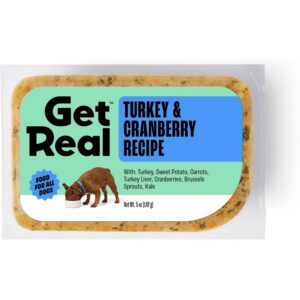
Steaming represents the optimal preparation method for pet vegetables. Unlike extensive boiling, which leaches water-soluble vitamins into the discarded cooking liquid, steaming softens tough fibers while preserving essential nutrients and adding zero cooking fats. Mashing cooked sweet potatoes or pureeing pumpkin further aids digestion, particularly for senior dogs or those with missing teeth.
Four foundational rules govern safe vegetable preparation at home:
- Keep It Plain: Never add butter, oils, salt, pepper, garlic, onions, or commercial seasonings.
- Cook Tough Produce: Steam or bake starchy or cruciferous vegetables to soften fibers before serving.
- Control Portion Sizes: Slice raw vegetables like carrots and cucumbers into small, manageable coins or strips to prevent choking.
- Cool Completely: Allow cooked vegetables to cool down to room temperature before feeding to prevent oral burns.
When preparing meals for human consumption, dog owners should remove the pet’s portion of vegetables from the pot prior to adding oils, seasonings, or sauces.
Caloric Math: Portion Control and the Ten Percent Guideline
Maintaining proper body condition is crucial for canine longevity. Global nutrition standards established by organizations such as the World Small Animal Veterinary Association (WSAVA) advise that all treats, table scraps, and dietary extras combined should not exceed 10 percent of a dog’s total daily caloric intake. The remaining 90 percent of daily calories must come from a complete and balanced diet to avoid disrupting essential nutrient ratios.
To illustrate how caloric limits apply, baseline calculations using standard Resting Energy Requirement (RER) formulas from the Merck Veterinary Manual demonstrate the target treat budgets for typical spayed or neutered adult dogs:
- Small Dogs (10 lbs): Require approximately 200 to 220 total calories per day, setting the maximum daily allowance for all treats and extra foods at roughly 20 calories.
- Medium Dogs (30 lbs): Require roughly 450 to 500 total calories per day, establishing a daily extra food allowance of 45 to 50 calories.
- Large Dogs (70 lbs): Require approximately 850 to 950 total calories daily, allowing for an upper limit of 85 to 95 calories in daily extras.
Caloric density varies significantly across different plant foods. According to USDA FoodData Central, a half-cup of plain cooked green beans contains approximately 20 calories, whereas an equivalent measure of cooked sweet potato contains significantly higher caloric values. Consequently, bulkier, watery vegetables fit comfortably within smaller calorie allocations, whereas starchy vegetables like peas, pumpkin, and sweet potato must be measured far more strictly.
Overfeeding fiber-dense vegetables can also lead to mechanical digestive disruptions, causing gas, abdominal discomfort, and loose stools regardless of low calorie counts. Pet owners seeking to use vegetables to assist with canine weight loss should do so under structured veterinary guidance.
Formulated Fresh Diets versus Table Additions
Understanding the distinction between adding loose vegetables to a food bowl and feeding a commercially formulated fresh dog food is essential for proper nutrition.
When a dog owner chops a carrot and places it on top of kibble, that carrot acts as an extra calorie source operating within the 10 percent treat limit. Conversely, when vegetables are integrated into a commercially prepared fresh food formula, they are calculated into a complex nutrient matrix. These commercial recipes combine proteins, vegetables, healthy fats, and essential vitamin and mineral premixes to ensure the overall dish complies with nutrient profiles set by the Association of American Feed Control Officials (AAFCO) for complete daily nutrition.
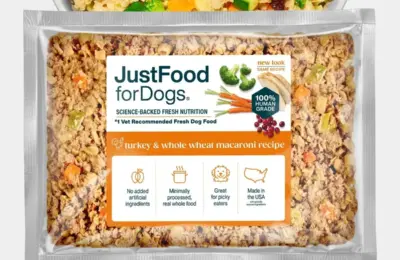
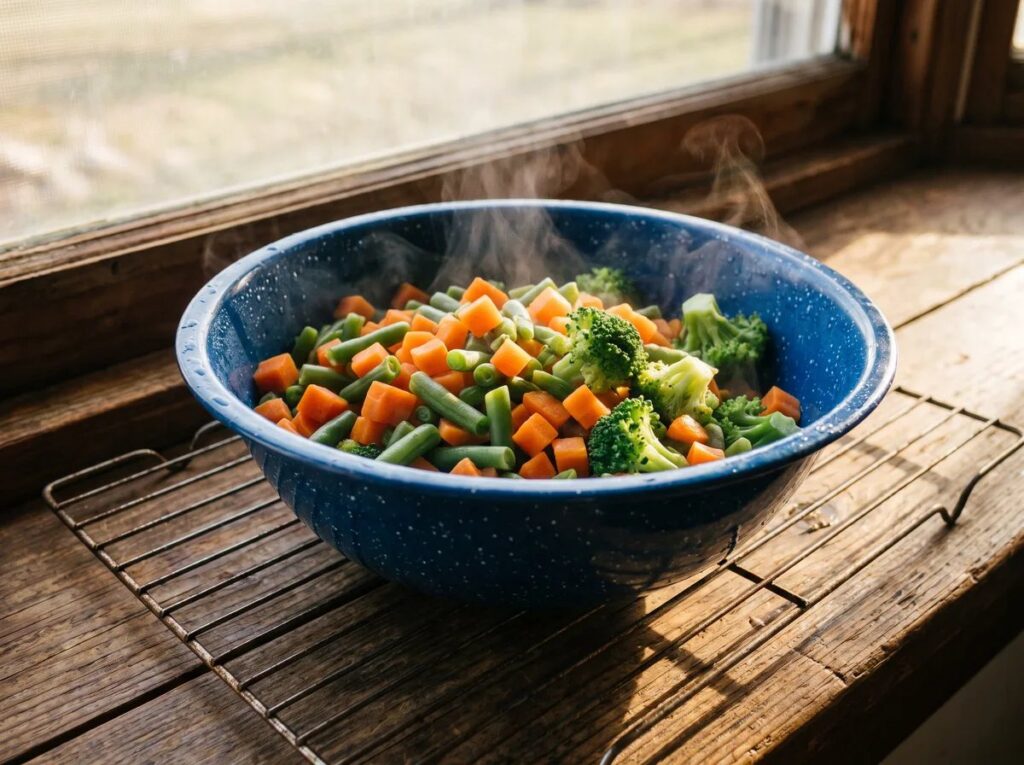
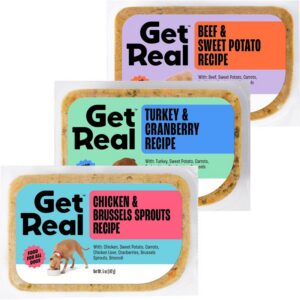
An example of this approach is found in fresh dog food lines such as Get Real, Chewy’s gently cooked fresh food brand. In complete formulas like their Beef & Sweet Potato Recipe, produce items such as sweet potatoes, carrots, Brussels sprouts, and spinach appear directly within the primary ingredient deck. Because these ingredients are cooked together and balanced with essential minerals and vitamins to meet AAFCO standards for all life stages, the vegetables count as part of the core 90 percent diet rather than an unmetered extra treat.
Similarly, gently cooked commercial options like Get Real’s Chicken & Brussels Sprouts and Turkey & Cranberry recipes utilize simple ingredient panels—typically ten primary whole-food ingredients or fewer plus balanced nutrient premixes—that are cooked at low temperatures and frozen. Available in pre-portioned packs ranging from 5-ounce meal toppers to 12-ounce and 24-ounce full-meal sizes, these fresh formulations offer dog owners a way to feed whole vegetables without manually calculating daily vitamin balances or risking dietary deficiencies.
When transitioning a dog to a meal plan that includes fresh, vegetable-rich commercial diets, veterinary professionals recommend a gradual phase-in over 7 to 10 days—or up to 14 days for dogs with sensitive digestive systems—to allow intestinal microflora to adjust smoothly. Thawing frozen fresh food packs safely in the refrigerator requires 12 to 24 hours for smaller sizes and up to 48 hours for bulk 24-ounce packs, with thawed food kept refrigerated and consumed within three to five days.
Daily Dietary Routines and Medical Considerations
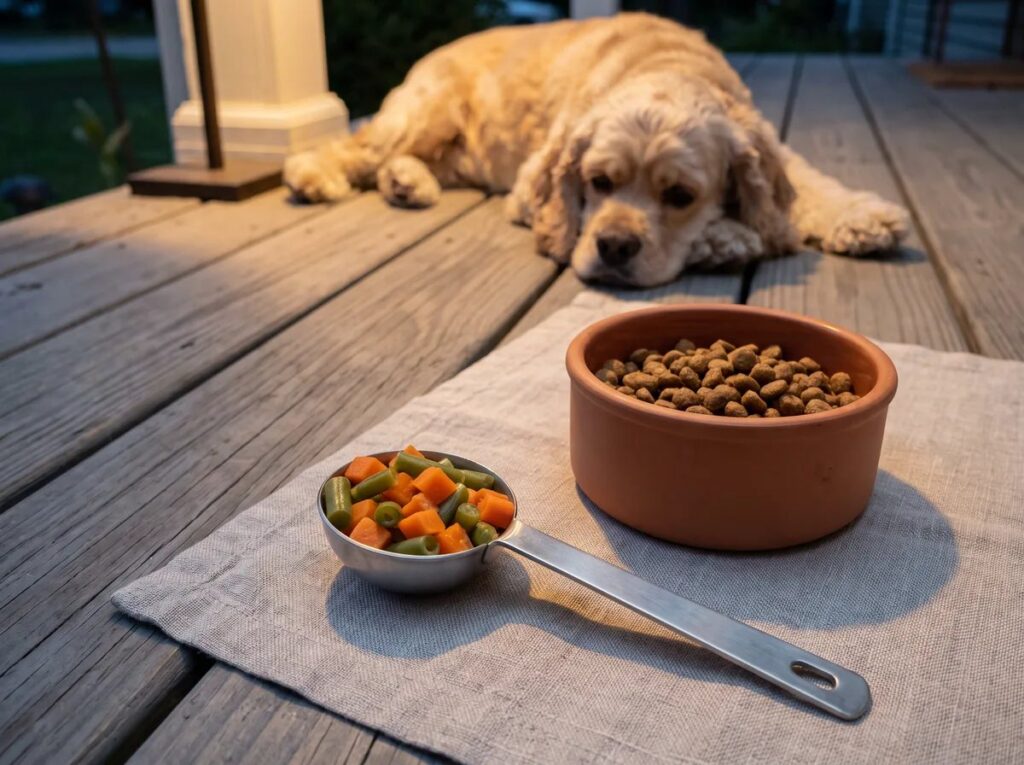
For healthy adult dogs, small amounts of safe, low-calorie vegetables like plain green beans, carrots, or cucumbers can be offered daily, provided they stay within the established caloric boundaries. However, daily supplementation is not appropriate for all pets.
Dogs managed for medical conditions—such as chronic kidney disease, diabetes mellitus, history of calcium oxalate bladder stones, severe food allergies, or chronic gastrointestinal disorders—are often maintained on specialized therapeutic diets. Adding unprescribed vegetables can alter urine pH, disturb mineral balances, or introduce unwanted starches and minerals that interfere with medical management. Owners of dogs with chronic health conditions should consult their veterinarian before introducing any fresh produce.
When managed thoughtfully, incorporating safe vegetables into a pet’s routine offers a wholesome, interactive way to reward dogs while maintaining metabolic health. Whether served as a crisp raw reward on a hot day or consumed as part of a fully balanced fresh diet, fresh produce can safely enhance a dog’s life when informed by sound nutritional science.