



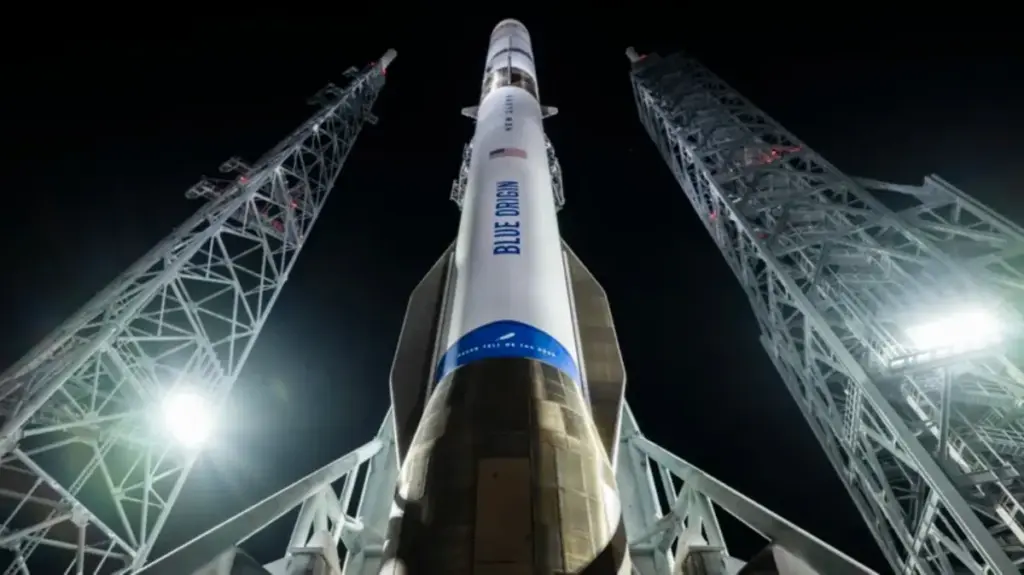
Repairs have proven to be slower than initially anticipated following a dramatic explosion earlier this year, pushing Blue Origin’s highly anticipated next launch of its massive New Glenn rocket into early 2027.
Blue Origin made major waves across the aerospace industry earlier this year after a New Glenn heavy-lift rocket catastrophically exploded on its launchpad in May 2026. The severe anomaly occurred during a routine hot-test of the vehicle, resulting in extensive damage to the private spaceflight company’s vital ground infrastructure located at Cape Canaveral in Florida. This sudden setback immediately ground all subsequent launch activities to a halt, forcing engineers and technicians to pivot entirely from flight operations to emergency remediation, structural reconstruction, and forensic safety investigations.
In the immediate aftermath of the incident, leadership struck an aggressively optimistic tone regarding the timeline for recovery. Shortly after the explosion occurred, Blue Origin’s executive team claimed that the necessary repairs to the launch complex would be finished rapidly and that the next launch would successfully occur before the conclusion of the calendar year. However, according to a recent internal memo distributed to employees by CEO Dave Limp, that ambitious timeframe has officially been pushed back. The company’s next orbital rocket launch is now no longer expected until January 2027, delaying the program by several weeks and pushing the return-to-flight milestone into the new year. The Financial Times was the first publication to report on this internal development and the shifting schedule.
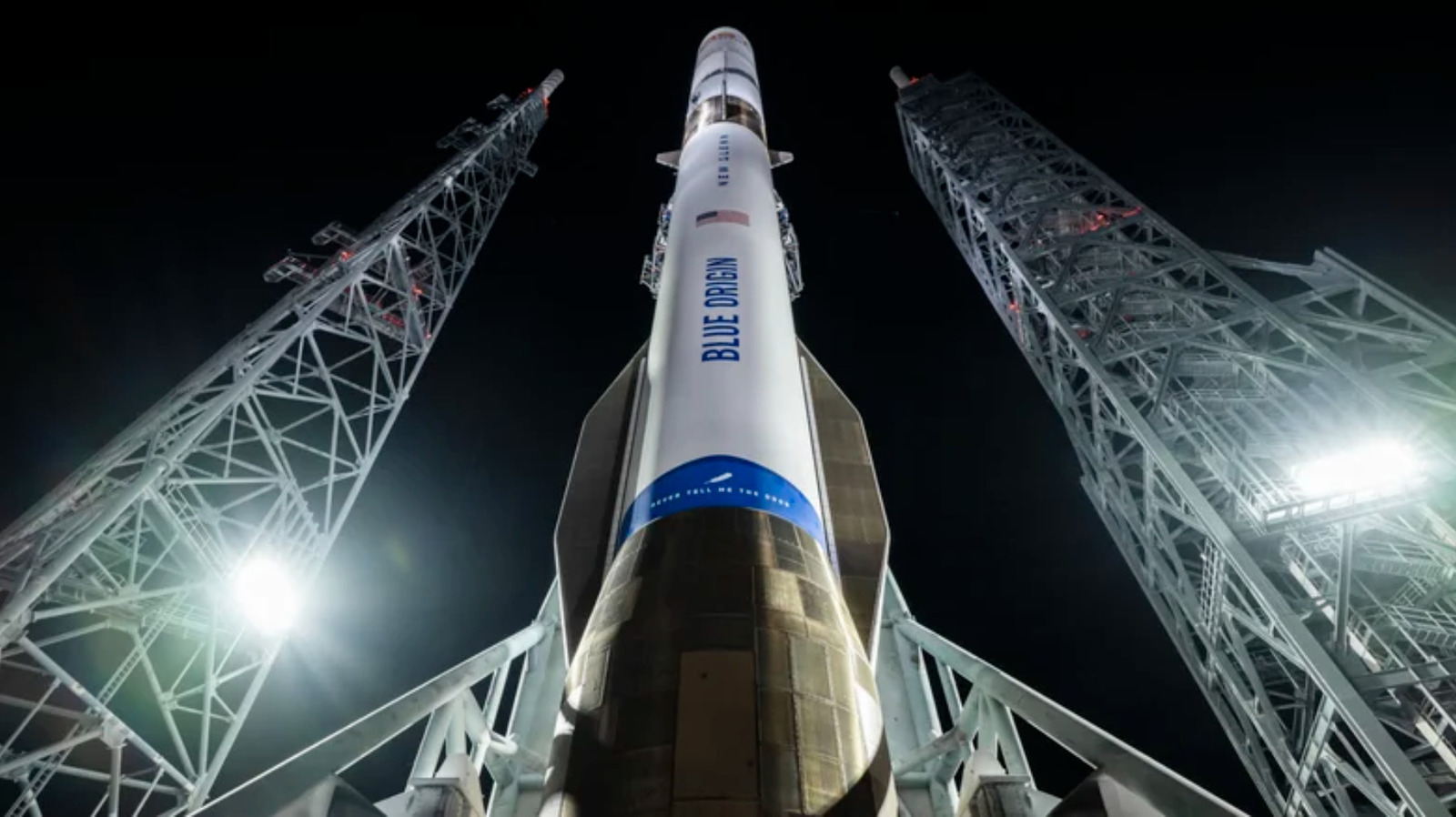
Despite the delay pushing the mission into 2027, the memo highlights substantial progress that has been achieved at the launch site over the past several months. Limp noted in the communication that the launchpad’s vital Vehicle Access Tower has been successfully repaired and fully restacked with flight hardware, while the complex’s massive launch bridge has also been completely restored to operational status. When addressing why the final phases of work have taken longer than initially projected, Limp specifically credited lingering regional weather issues for slowing down the intricate engineering and construction fixes happening on the ground, making the physical restoration process harder than hoped.
Even with the revised timeline, leadership offered strong words of praise for the workforce handling the unprecedented recovery effort. "Your collective work on our return to flight has been nothing short of remarkable," Limp wrote in the memo shared with employees and subsequently reported by various industry outlets. "In just six months, Team Blue has accomplished what many thought would take years." Restoring a heavy-lift orbital launch complex from the ground up following a pad-destroying explosion is a historically complex engineering challenge, and company executives have repeatedly emphasized the sheer magnitude of the recovery process.
The stakes for the New Glenn program are exceptionally high as the Jeff Bezos-founded company stands on the verge of dramatically expanding its commercial and operational footprint in space once regulatory authorities clear the vehicle for takeoff again. Blue Origin has secured a series of high-profile, strategic contracts and payload commitments that heavily rely on the successful and reliable deployment of the New Glenn rocket. Among these is a major contract awarded by NASA in September, which tasks Blue Origin with establishing a specialized telecommunications and relay network designed to support future exploration and operations on Mars.
Furthermore, the heavy-lift capabilities of the New Glenn rocket are slated to play a critical role in bringing massive quantities of hardware and infrastructure into low Earth orbit to support Amazon’s ambitious Project Kuiper satellite broadband service. As the aerospace giant prepares for this next chapter, the aerospace community will be watching closely as Blue Origin works through the final steps of its pad restoration to ensure a safe, successful return to flight in January 2027.