


As photographers look to either start their creative journeys or take their existing setups to the next level, the strategy of investing in used camera equipment has become an increasingly practical solution. By opting for pre-owned mirrorless bodies and lenses introduced over the past six years, photographers can access modern technological advancements—such as advanced subject-detection autofocus, high-resolution sensors, and sophisticated electronic shutter systems—while maintaining greater financial flexibility.

Choosing a camera is typically only the first step in assembling an ecosystem. While the camera body dictates technical capabilities like processing speed and sensor readout performance, the lenses ultimately govern what a photographer can capture, how they approach a subject, and the distinct look and feel of their images. Consequently, selecting an interchangeable-lens system requires careful long-term planning regarding lens mounts and brand ecosystems, ensuring that upgrades enhance the photographer’s workflow rather than restrict it.

For Beginners Building an Affordable First Kit
Stepping into the world of interchangeable-lens cameras can initially feel overwhelming, but beginners do not need to invest in the most expensive flagship models to produce compelling work. An effective starter camera should offer a gentle learning curve while retaining enough technological headroom to accommodate a photographer’s evolving skills and shifting creative interests.
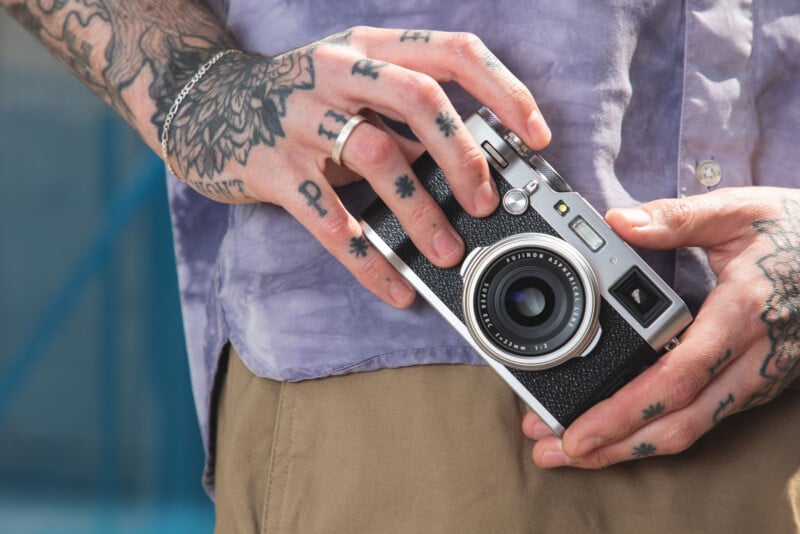
Furthermore, prioritizing a modern APS-C mirrorless camera often leaves a larger portion of the budget open for lenses, which are critical investments that frequently outlive camera bodies. Experimenting with various focal lengths remains one of the most effective ways for a newcomer to discover their preferred photographic genre.
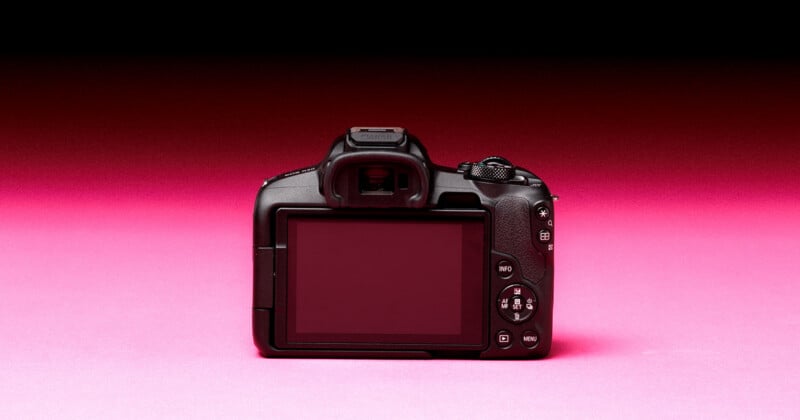
Several specific manufacturer configurations illustrate how beginners can enter modern mirrorless ecosystems effectively. Canon’s EOS R50, introduced in 2023, provides an accessible entry point with its 24.2-megapixel APS-C sensor, subject detection, and Dual Pixel CMOS autofocus. Paired with the everyday RF-S 18-45mm lens for general travel and family scenes, alongside the RF-S 55-210mm for sports and wildlife reach, it forms a versatile starter kit.
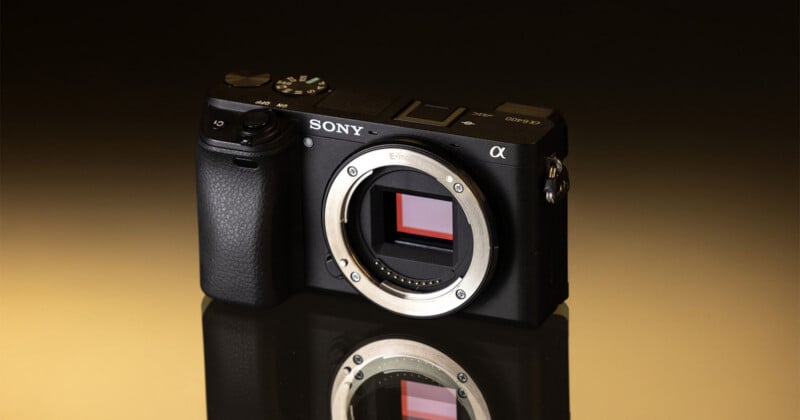
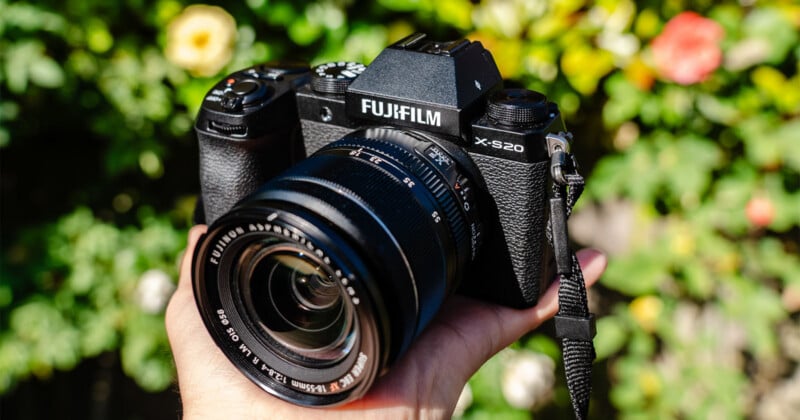
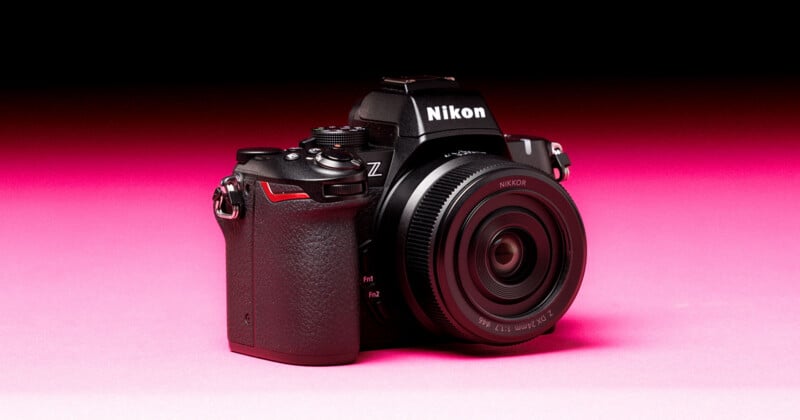
Similarly, the Sony a6400 offers a compact APS-C platform with swift autofocus, pairing well with the broad-range E 18-135mm f/3.5-5.6 OSS and the telephoto E 70-350mm f/4-5.6 G OSS lenses. For those leaning toward Fujifilm, the X-S20 brings a 26.1-megapixel sensor, in-body image stabilization, and dual-purpose capabilities for both stills and video, complemented by the XF 16-50mm f/2.8-4.8 R LM WR and the XF 70-300mm telephoto lens. Meanwhile, Nikon offers the Z50 II, an APS-C body that pairs uniquely with the NIKKOR Z DX 12-28mm power zoom for landscapes and architecture, alongside the bright 24mm f/1.7 prime lens for low-light situations and creative depth-of-field control.
For Nature and Wildlife Photography
Wildlife and nature photography place extraordinary demands on a camera system, where unpredictable subjects at great distances require exceptional autofocus tracking, high-speed burst shooting, and substantial telephoto reach. In these scenarios, the choice of lens frequently outweighs the camera body itself, as high-resolution sensors cannot easily compensate for insufficient focal length.
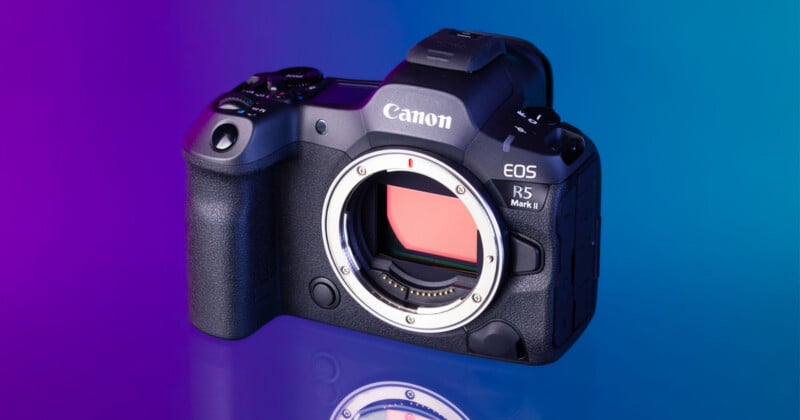
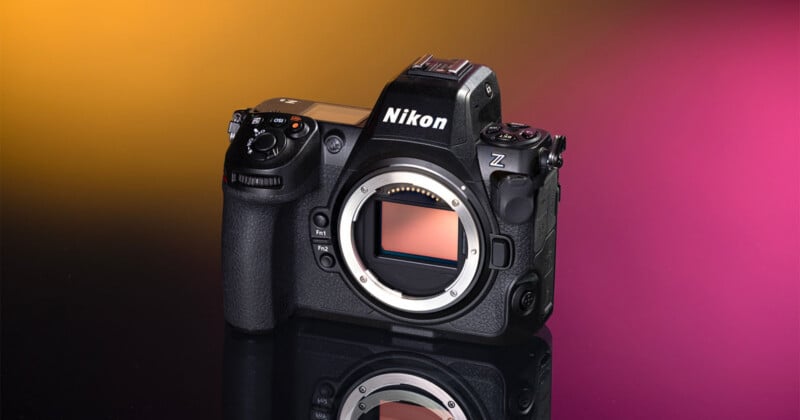
To address these challenges, Canon’s EOS R5 Mark II offers a high-performance full-frame foundation that balances resolution and speed, pairing effectively with the versatile RF 100-500mm zoom for animals in motion and the specialized RF 200-800mm super-telephoto for distant birds and small wildlife. Sony answers similar demands with the high-speed a1 II, which can be combined with the flexible FE 100-400mm GM OSS and the professional FE 300mm f/2.8 GM OSS prime lens for demanding low-light and professional performance. Nikon photographers frequently utilize the Z8, a 45.7-megapixel full-frame body that delivers flagship-level autofocus in a more compact chassis, pairing it with the NIKKOR Z 180-600mm workhorse and the NIKKOR Z 100-400mm for closer, larger animal encounters.
For Travel Photography
Travel photography demands absolute versatility, as a single day may require capturing landscapes, architecture, street scenes, food, and environmental portraits. A successful travel kit must cover multiple genres efficiently without forcing the photographer to carry a heavy, specialized arsenal.
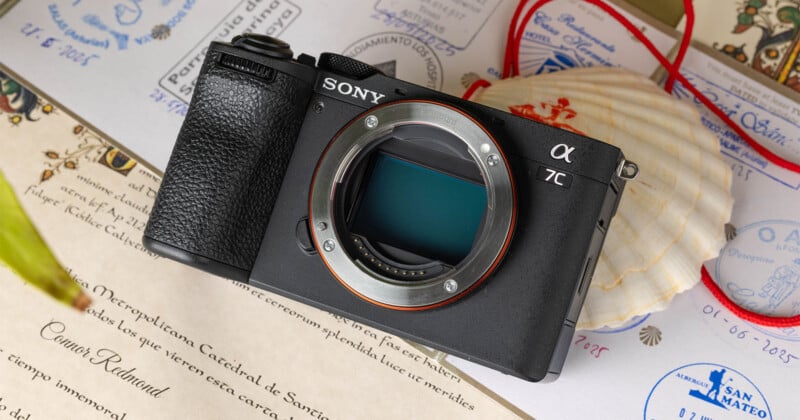
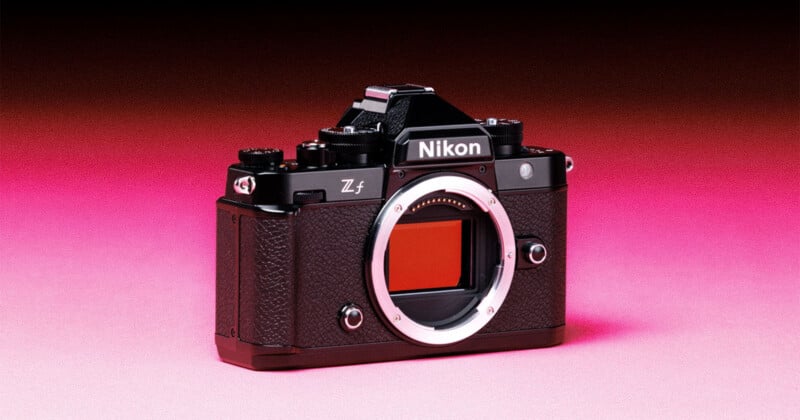
Sony’s a7C II delivers a 33-megapixel full-frame sensor inside a compact body, pairing seamlessly with the FE 20-70mm f/4 G for wide vistas and the FE 70-200mm f/4 G OSS II for distant architectural details and compressed landscapes. Fujifilm offers the X-T5, featuring a high-resolution 40.2-megapixel APS-C sensor and traditional physical dials, which works well alongside the XF 16-50mm and XF 70-300mm lenses. For enthusiasts who appreciate vintage handling combined with modern performance, the full-frame Nikon Zf can be paired with the NIKKOR Z 24-120mm f/4 S zoom and the compact 40mm f/2 prime lens for street and low-light environments.
For Portrait Photography
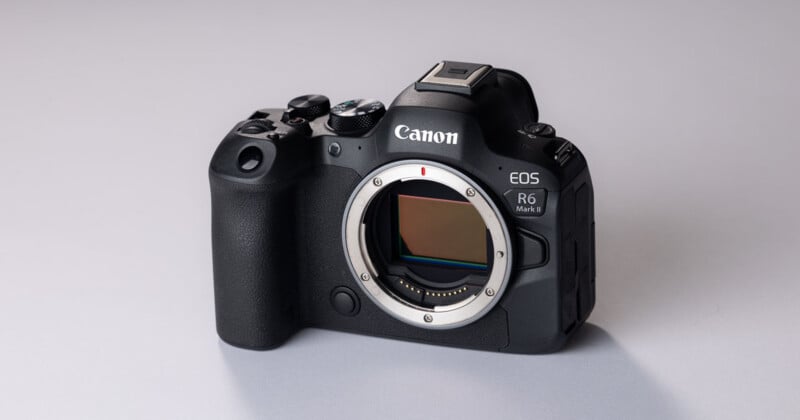
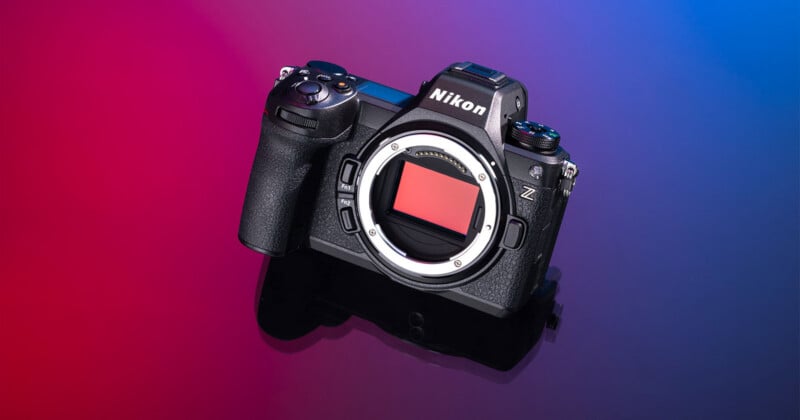
In portraiture, the emphasis shifts toward precise control over depth of field, subject separation, and natural perspective rendering. Canon’s EOS R6 Mark II provides a reliable 24.2-megapixel full-frame platform that pairs with the dedicated RF 85mm f/2 Macro IS STM and the flexible RF 24-105mm f/2.8L IS USM Z. Sony’s a7 IV accommodates similar professional needs when matched with the FE 85mm f/1.4 GM II and the environmental FE 35mm f/1.4 GM. Nikon’s Z6 III, featuring a partial stacked sensor design introduced in 2024, supports traditional portrait workflows when combined with the ultra-fast NIKKOR Z 85mm f/1.2 S and the wider 35mm f/1.4 prime.
For Fine Art Photography
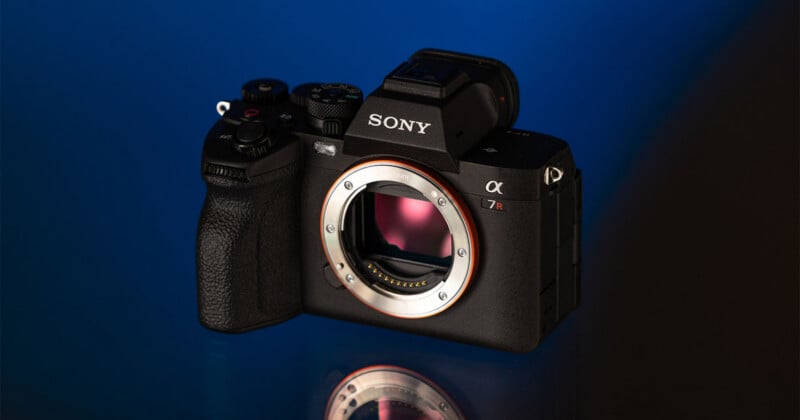
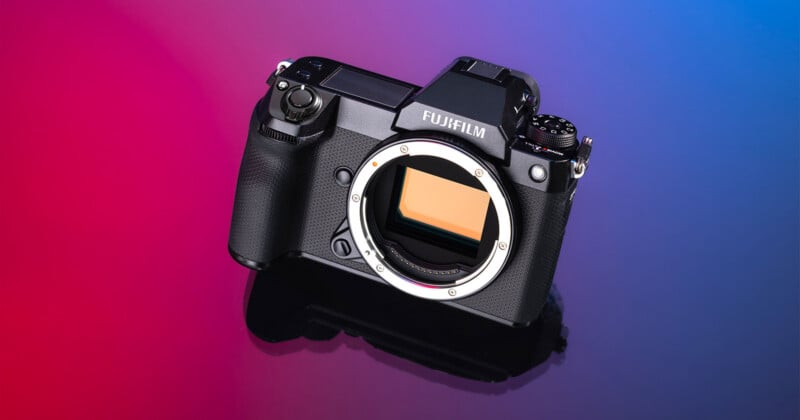
Fine art photography prioritizes maximum resolution, dynamic range, and tonal rendering to facilitate large-format printing and precise post-processing flexibility. Sony’s a7R V boasts a 61-megapixel full-frame sensor that pairs with the selective-focus FE 50mm f/1.2 GM and the expansive FE 20-70mm f/4 G. For practitioners requiring ultra-high resolution, Fujifilm’s GFX100S II brings a 102-megapixel large-format sensor into a manageable body style, complemented by the GF 55mm f/1.7 R WR and the GF 32-64mm f/4 R LM WR II lenses. Additionally, Panasonic’s Lumix S1R II offers a high-resolution full-frame L-Mount platform that works alongside the Lumix S 24-60mm f/2.8 and the 100mm f/2.8 Macro lens.
For Sports and Action Photography
Sports photography relies heavily on rapid sensor readout speeds, sophisticated autofocus tracking, and adequate telephoto reach from the sidelines. Sony addresses this with the a9 III, which features a global shutter to eliminate rolling-shutter distortion, paired with the FE 70-200mm f/2.8 GM OSS II and the FE 300mm f/2.8 GM OSS. Canon’s flagship EOS R1, introduced in 2024, focuses squarely on high-speed action, utilizing the RF 70-200mm f/2.8L IS USM Z and the RF 100-500mm lenses. Nikon counters with the Z9, which combines a high-speed electronic shutter and 45.7-megapixel resolution with the NIKKOR Z 70-200mm f/2.8 VR S II and the 180-600mm zoom.
For Commercial and Editorial Photography
Commercial and editorial assignments require adaptable equipment capable of transitioning rapidly between environmental portraits, product shots, and sweeping establishing views. Canon’s EOS R5 Mark II pairs effectively with the RF 24-105mm f/2.8L IS USM Z and the RF 100-500mm. Nikon’s Z8 combines with the versatile 24-120mm f/4 S and the 70-200mm f/2.8 VR S II, while Panasonic’s Lumix S5II utilizes its L-Mount versatility alongside the Lumix S Pro 24-70mm f/2.8 and 70-200mm f/2.8 lenses.
For Macro Photography
Macro work requires specific attention to magnification ratios, working distance, and optical stabilization. The OM SYSTEM OM-1 Mark II utilizes its Micro Four Thirds sensor format and specialized computational modes alongside the M.Zuiko 90mm f/3.5 Macro IS PRO and 12-45mm f/4 PRO lenses. Nikon’s Z8 pairs with the NIKKOR Z MC 105mm f/2.8 VR S and the 24-120mm f/4 S, while the Panasonic Lumix S5II combines the Lumix S 100mm f/2.8 Macro with the 24-60mm f/2.8 zoom to balance close-up capabilities with general nature and commercial applications.
Through curated used equipment platforms like MPB, where individual items are inspected and evaluated before listing, photographers across all genres can acquire verified camera bodies and lenses to match their evolving creative goals.