


Financial markets have experienced a turbulent period of historic drops and swift recoveries, tracking alongside a global trade battle driven by unpredictable government policies. Industry analysts note that the recent volatility—featuring a steep 20 percent decline at the market’s lowest point followed by a rebound back near previous peaks—stems directly from shifting tariff regimes and international trade tensions.
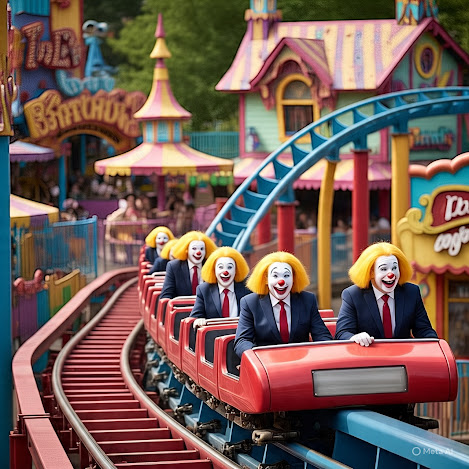
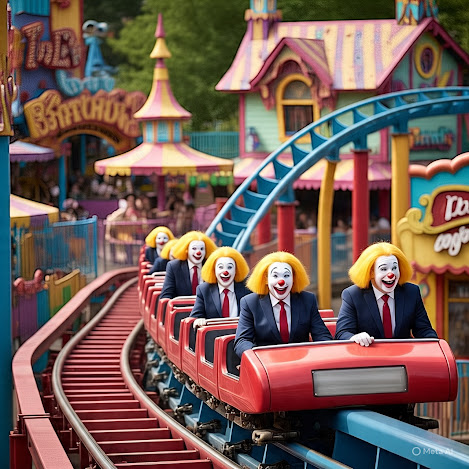
Navigating the Tariff Roller Coaster
The current economic uncertainty follows a multi-year market climb that hit a turning point in early 2025. Since then, the financial world has faced continuous turbulence as governments introduce and alter worldwide trade measures. Businesses are actively bracing for operational shifts, currency and interest rate markets are reacting dynamically, and individual long-term investors are questioning the stability of early retirement funds. Public reactions remain sharply divided, ranging from dismissal of the volatility as a minor disturbance to deep concern over potential economic fallout.
At the center of these developments is a fundamental economic mechanism: the tariff. Operating essentially as a sales tax charged by governments on imported goods, tariffs are paid directly by the importing entity. Whether paid by individual consumers purchasing directly from international platforms or by major retailers importing goods by the shipload, these costs ultimately transfer to the end consumer through higher retail prices. Furthermore, tariffs increase expenses for domestic industries that rely on imported components such as steel, copper, and lumber for construction, infrastructure, and housing development.

While broad-based tariffs function similarly to general sales taxes by slowing overall economic activity and reducing consumer spending power, governments have historically utilized them to protect domestic industries. Proponents argue that taxing foreign competitors gives domestic manufacturers a competitive advantage, potentially boosting local production and employment in targeted sectors. However, economists emphasize that these benefits often come at the expense of higher prices, decreased consumer selection, reduced market efficiency, and slower long-term innovation across the broader economy.
Policy Shifts and Market Reactions
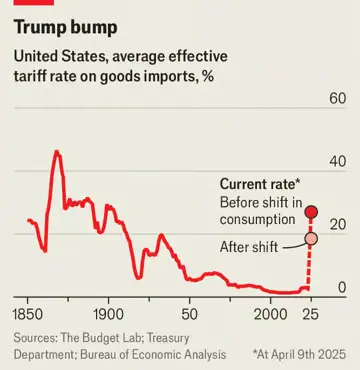
The current economic strain has been amplified by the frequent introduction and modification of high tariff threats, which contrasts sharply with an American economy historically structured around low tariffs and relatively free trade. When substantial tariff proposals are announced, corporate share prices generally decline as investors anticipate reduced profit margins. Conversely, announcements of pauses or reductions tend to trigger immediate recoveries in market indices, reflecting investor confidence in trade stability and open markets.
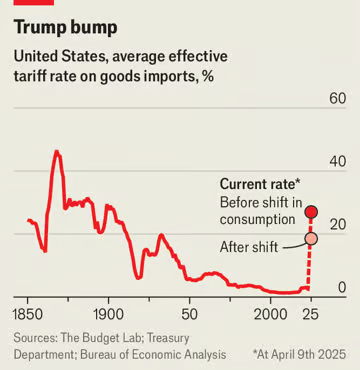
Despite the implementation of significantly higher tariff levels compared to historical averages of recent decades, immediate price surges have been buffered by existing supply chains. The domestic economy functions with substantial inventory reserves, and businesses strategically accelerated import orders to stockpile goods ahead of impending trade restrictions. Consequently, imports have dropped significantly as current stockpiles are steadily depleted. Market observers warn that as these accumulated inventories diminish, potential price increases and supply constraints could emerge across various commercial sectors.
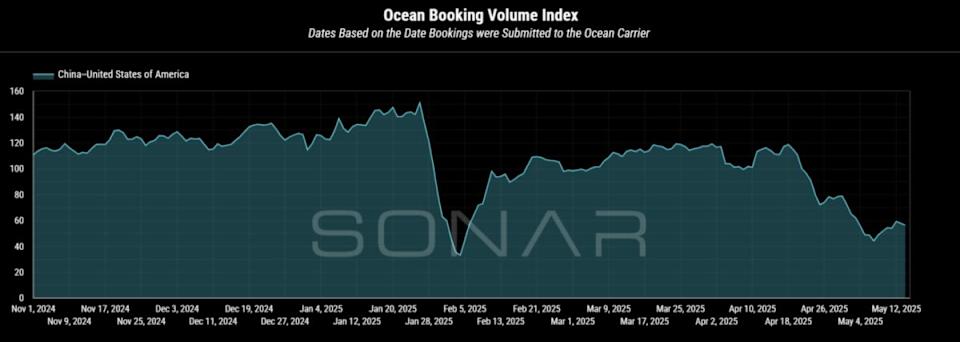
Economic forecasters generally outline multiple potential trajectories for the current trade landscape. One scenario involves the persistence of high tariff rates, leading to long-term structural adjustments in domestic manufacturing, higher baseline consumer prices, and reduced trade efficiency. Alternatively, historical patterns suggest that aggressive trade measures often serve primarily as negotiating tactics, potentially paving the way toward renewed trade agreements and a return to historically lower tariff baselines.

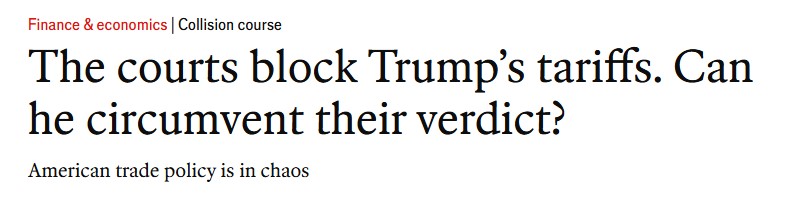
In the face of ongoing market swings, financial experts continue to emphasize the importance of maintaining long-term perspectives and avoiding reactionary decisions driven by short-term media coverage. As legal challenges and institutional checks begin to engage with executive trade authorities, the broader economic system navigates the ongoing tension between protectionist policy measures and the established framework of global commerce.