



Is that, dare we say it, hope in the air? This week’s anonymous mother confessions came flooding in like a tidal wave, signaling a distinct shift in the emotional landscape of modern parenting. According to lifestyle and parenting features, the sheer volume of submissions shattered previous expectations, driven in large part by a massive cultural and political focal point: the midterms.
Hundreds of mothers took to digital platforms to air their thoughts, feelings, and frustrations surrounding the election cycle. For many, the inbox was flooded with emojis expressing profound relief, tears shed in kitchens across the country, and the overwhelming sensation of being able to finally breathe after years of high-stress political and social climates. Yet, mirroring a divided nation, this wave of optimism was met with counter-perspectives from mothers who felt entirely differently about the outcomes, proving that the modern maternal demographic is as politically diverse as it is complex.
Beyond the ballot box, however, the underlying sentiment uniting these anonymous entries is a profound sense of living in the in-between. Mothers across regions and backgrounds reported feeling caught in a liminal space—wondering if tangible change will actually materialize once newly elected officials take office in January, while simultaneously grappling with the immediate, grueling realities of daily life. Families continue to navigate the crushing pressures of inflation, high gas prices, and the pervasive exhaustion of living paycheck to paycheck.
This feeling of being stuck at a crossroads extends far beyond economics. The confessions reveal an array of personal and relational upheavals. Some writers stand on the precipice of divorce, while others confess to harboring thoughts of clandestine affairs. Relationships are being tested on every front, whether it is navigating the notoriously difficult tween years with their children or wrestling with the physical and emotional turbulence of perimenopause.
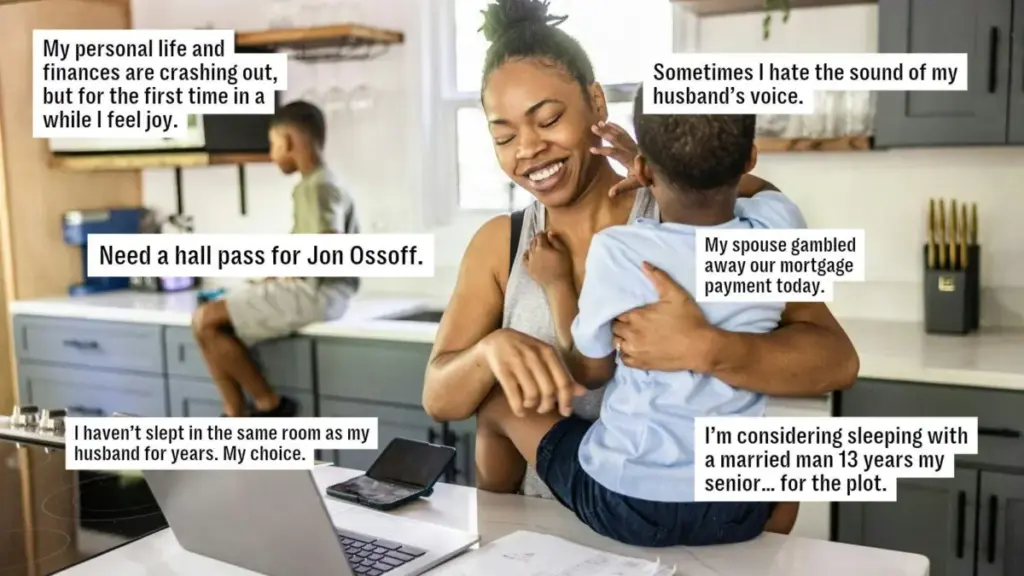
Amidst this heavy backdrop, a paradoxical theme emerged. One confession particularly captured the zeitgeist of the week: a mother noting that while her personal life and finances are practically in shambles, she is simultaneously experiencing genuine joy for the first time in a long time. Both feelings, contradictory as they may seem, are occupying the same space. For many contributors, hope and hardship appear to be two wings of the same bird, creating a collective experience of validation for readers navigating similar crossroads.
The weekly collection of anonymous disclosures—a staple feature curated by writers like Julie Sprankles on platforms like Scary Mommy—continues to offer a raw, unfiltered look into the private lives of women. While the platform invites anonymous submissions via weekly social media callouts on channels like Instagram, the sheer breadth of topics highlights the multifaceted burdens placed upon contemporary parents.
The spectrum of domestic reality laid bare in the submissions ranges from the mundane annoyances of daily routine to severe marital and financial crises. Several mothers admitted to finding domestic life noticeably easier when their husbands were away for the week, while others expressed deep-seated resentment over unequal divisions of labor during the early years of child-rearing. Financial stress proved to be a recurring nightmare; one mother shared the devastating reality that her spouse had gambled away their mortgage payment, while another lamented being stuck in the "poor middle class," unable to take necessary time off work to recover from a required hysterectomy.
Health concerns, both physical and mental, weighed heavily on the contributors. Women confronted the daunting realities of aging, medical diagnoses, and hormonal transitions. One writer detailed the emotional toll of preparing to enter surgical menopause at just 39 years old, while another awaited biopsy results following her very first mammogram after a suspicious spot was detected. Burnout reached unprecedented levels for many, described by some as feeling trapped in an endless loop akin to the film Groundhog Day, where every day blurs into the next amidst the endless demands of work, childcare, and domestic management.
Family dynamics and interpersonal relationships offered little refuge for some. Confessions touched upon the lingering ghosts of generational trauma, with mothers expressing frustration that their own parents’ poor parenting styles still creep into their interactions with their children despite years of therapy. Others dealt with the painful fallout of estranged family members, difficult stepchildren, and the heartbreaking social rejections faced by their children at school.
Yet, interspersed among the grief, burnout, and financial anxiety are moments of profound transformation and unexpected light. Several mothers celebrated milestones, such as children getting engaged, coming out as transgender, or successfully forging new, healing relationships with siblings after years of family estrangement. Others found humor or unexpected peace in smaller life changes, with one writer joking that acquiring a tiny dog had officially cured her baby fever and closed her womb for good.
The weekly roundup serves as a mirror for a demographic frequently asked to shoulder the invisible burdens of society. By providing an anonymous outlet for these complex, often contradictory emotions, the confessions underscore a singular truth: modern motherhood is rarely defined by a single narrative. Instead, it exists in the tension between hardship and hope, where struggle and joy manage to coexist.