


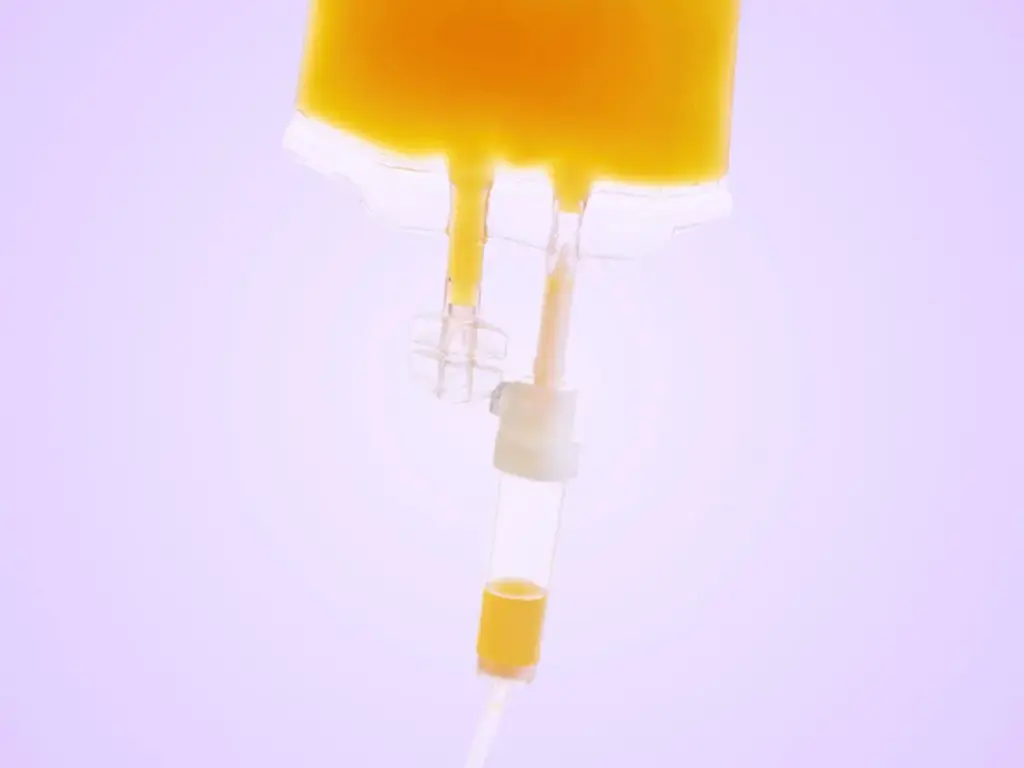
The quest to discover a literal fountain of youth has persisted throughout human history. While legends of magical springs remain confined to mythology, modern biomedical science is increasingly exploring whether the secrets to longevity might be hidden inside our own bodies—specifically, within the fluid that circulates through our veins. One of the latest experimental procedures capturing public interest and scientific headlines is therapeutic plasma exchange, a medical technique that involves filtering and replacing the liquid portion of a patient’s blood.
A study published in the 2025 edition of the journal Aging Cell suggested that this intensive procedure could potentially lower a person’s biological age by approximately two and a half years. Naturally, findings of this magnitude generate widespread fascination, sparking online searches for local longevity clinics and wellness centers offering blood-filtering therapies. However, medical experts urge caution, emphasizing the critical need to look past flashy headlines to understand what the research genuinely indicates—and, just as importantly, what it does not mean about the viability of new plasma as a miracle anti-aging elixir.
Why Longevity Experts Care Deeply About Plasma
To understand why researchers are focusing on blood plasma, it helps to examine what plasma actually is and how it functions within the human body. Far more than a simple liquid medium that merely suspends red and white blood cells, plasma is a complex biochemical mixture. While it consists mostly of water, it is also densely packed with essential proteins, metabolites, hormones, and inflammatory signaling molecules. These circulating components constantly reflect and influence the physiological state of various organ systems throughout the body, according to Dr. Andrea Maier, a geriatrician and board member of the Academy for Health and Lifespan Research.
Dr. Maier describes plasma as a biological transportation network, comparing it to a logistics service like DHL. It acts as a vehicle capable of transporting molecular messages and materials from the brain to the muscles, from the kidneys to the lungs, and everywhere in between. Because it is a fluid carrying such a massive volume of physiological information, researchers view it as an ideal focal point for longevity studies. By analyzing plasma, scientists can capture a broad, panoramic view of a person’s internal state, often referred to as their "biological age."
By measuring shifts in the circulating levels of thousands of specific proteins found within the plasma, researchers can gauge how efficiently a person’s physiological systems are functioning. This measurement can reveal fascinating discrepancies. A person might have a chronological age of 40, but their underlying biology could operate with the efficiency of a 30-year-old—or, conversely, exhibit the wear and tear typically associated with a 50-year-old.
Dr. Keenan Walker, a senior investigator at the National Institute on Aging, notes that while biological age is not a fixed or absolute precision measurement, it provides exceptionally useful health insights. He explains that there is no single, universally agreed-upon biological age, but researchers continually attempt to estimate it because studies consistently demonstrate that individuals whose biological age outpaces their chronological age face significantly higher risks for chronic health conditions, major diseases, and overall mortality.
The Origins of Plasma Research and Parabiosis
The scientific journey linking blood plasma to the fundamental mechanisms of aging began approximately fifteen years ago. During this period, researchers started exploring the complex connections between circulating blood factors and the physical decline associated with growing older. This curiosity led to experiments utilizing a specialized, historical surgical technique known as parabiosis, which physically links the circulatory systems of two distinct organisms.
In these experimental models, researchers would surgically unite the circulatory systems of old mice and young mice. The core hypothesis guiding these studies was straightforward: if a younger organism’s plasma could be continuously circulated through an older body, the older organism might reap systemic rejuvenating benefits.
Ultimately, these animal studies yielded striking observations. Older mice that received the circulatory plasma of younger mice demonstrated increased resilience when subjected to tissue and organ stress. These promising outcomes subsequently drove the development of therapeutic plasma exchange as a medical intervention to treat specific conditions, including various autoimmune diseases, neurological disorders, and certain blood cancers.
Dr. Maier points out that the entire contemporary wave of research emerged from a foundational question: Is there something specific currently circulating within our blood that we could either filter out or infuse into our system to extend human healthspan and longevity? While that question has fueled immense scientific enthusiasm, experts emphasize that a definitive, universally applicable answer does not yet exist.
Evaluating the Latest Findings: Potential Without the Panacea
In the recent Aging Cell study, researchers enrolled 42 human participants and performed plasma exchange procedures, replacing their natural plasma with purified albumin—a standard blood protein—and saline. Additionally, some participants received an infusion of intravenous immunoglobulin, a specialized type of immune therapy. To evaluate the impact of the procedure, researchers tracked physiological changes using advanced laboratory technologies capable of monitoring aging processes directly at the molecular level.
At first glance, the results appeared remarkable, with certain participants registering an apparent reduction in biological age of roughly two and a half years. However, Dr. Maier points out an important nuance regarding the timeline of these results: the data reflecting this 2.5-year reduction was recorded during the middle phase of the study, rather than at its conclusion.
When looking more closely at the complete trajectory of the trial, Dr. Maier notes that the reduction in biological age was comparing midterm measurements against the initial baseline, rather than comparing the final post-procedure measurements to the baseline. By the time the study concluded, that apparent rejuvenation effect had nearly vanished.
This temporary fluctuation occurs largely because subjecting the body to a total plasma exchange and reintroducing replacement fluids places an immense, stressful load on the system. While the sudden influx of different cellular and protein environments can trigger a short-term shift in biomarkers of biological age, the body soon experiences significant physiological stress as it attempts to adapt to the drastic alteration. Consequently, biological biomarkers quickly swing back to their baseline levels. In short, individuals might experience a transient appearance of rejuvenation, but the effect is ultimately short-lived.
Personalization and the Future of Longevity Science
Another critical variable highlighted by the study involves the baseline health status of the participants. According to Dr. Walker, individuals who entered the study in poorer health exhibited a stronger response to the intervention. This observation underscores the reality that blood-based therapies may not affect everyone uniformly, making it crucial to identify precisely which patient populations might benefit from such procedures.
Despite the limitations and transient nature of the current findings, both Dr. Maier and Dr. Walker view blood-based interventions as holding genuine conceptual promise for improving overall health outcomes. However, they emphasize that future advancements will likely require a much more personalized, precise medical approach rather than generalized, non-specific plasma filtering processes.
Characterizing the current phase of research, Dr. Maier describes the trial as an important initial step. The study successfully demonstrated that therapeutic plasma exchange can be performed safely in this context, but she stresses the absolute necessity of conducting much larger, long-term clinical studies to truly understand the lasting physiological impacts.
While the concept is grounded in a substantial body of scientific evidence, experts strongly advise against implementing generalized plasma exchanges in routine clinical practice for anti-aging purposes today, noting that the procedure remains exceptionally harsh on the human body. Although the future of longevity research holds immense promise and brings forth exciting innovations, experts agree that therapeutic plasma exchange in its current form is merely a preliminary step toward therapies that will likely look very different in the years to come.