


When a dog constantly licks its paws, scratches its ears, or suffers from recurrent skin and ear infections, pet owners often suspect their dog’s diet is to blame. While commercial fresh pet food has surged in popularity as a potential remedy for canine skin issues, veterinary dermatologists caution that fresh food is neither a standalone cure nor an immediate substitute for proper medical diagnostics. Determining whether a dog suffers from a genuine food allergy requires a methodical, veterinarian-supervised food elimination trial. Only after a dog’s specific dietary triggers are scientifically identified can short-ingredient fresh recipes serve as a practical long-term management strategy.
Understanding the distinction between environmental and dietary triggers, selecting the right trial diet, auditing labels for hidden ingredients, and safely executing long-term feeding plans are critical steps in restoring an allergic dog’s skin and digestive health.
Food Allergy vs. Environmental Allergy: Sorting the Clinical Signs
Distinguishing a food allergy from an environmental allergy in dogs presents a major diagnostic challenge because the clinical signs heavily overlap. Both conditions frequently manifest as intense itching (pruritus), inflamed skin, belly redness, recurrent ear infections, and obsessive paw licking. Skin changes such as a dull, greasy, or thinning coat, as well as dark, thickened skin (hyperpigmentation and lichenification) resulting from chronic scratching, are common physical markers examined by veterinarians.
The primary clue separating the two conditions is timing. Environmental allergies—known clinically as atopic dermatitis—typically exhibit seasonal patterns, flaring when environmental allergens such as tree pollen, grass, or weed pollens peak in spring and summer. Conversely, food allergy symptoms tend to persist year-round because the dog consumes the offending dietary trigger every single day.

Despite common misconceptions, paw licking is not exclusive to food allergies. Dogs frequently lick their paws in response to environmental contact allergens such as lawn grasses, outdoor dust mites, or flea bites. Before initiating a dietary investigation, veterinarians typically rule out external parasites like fleas and mites, as well as active secondary bacterial or yeast infections. Comforting an itchy dog during the initial diagnostic phase often requires medicated antibacterial or antifungal shampoos, prescription anti-itch medications, and targeted therapies to calm inflamed tissue before diet changes can be accurately evaluated.
The Most Common Canine Food Allergens and Testing Myths
Contrary to popular belief, grain is rarely the primary cause of food allergies in dogs. A comprehensive 2016 systematic review published in BMC Veterinary Research, which analyzed published cases from 297 dogs, revealed that animal proteins are the predominant culprits. Beef was identified as the most common allergen, reported in approximately 34 percent of cases, followed by dairy products at 17 percent, chicken at 15 percent, and wheat at 13 percent. Ingredients such as lamb, soy, egg, corn, and pork appeared far less frequently.
These statistical rankings reflect dietary exposure rather than inherent ingredient toxicity. Dogs develop immune-mediated hypersensitivities to proteins they have consumed regularly over extended periods. Consequently, a dog that has eaten standard chicken- or beef-based kibble for years is significantly more likely to develop an allergy to those common proteins than to an novel protein source it has never encountered. Cross-reactivity between related species also occurs; for example, some dogs allergic to chicken may also react to turkey, while dogs allergic to beef may exhibit reactions to dairy products.
Navigating food allergy diagnostics requires avoiding unvalidated commercial tests. Diagnostic blood (serum) tests, hair analysis, and saliva kits sold directly to consumers or offered in some settings are scientifically unproven for diagnosing canine food allergies. Critically appraised reviews by veterinary dermatologists Ralf Mueller and Thierry Olivry, published in BMC Veterinary Research, confirmed that serum, hair, and saliva testing are unreliable for identifying food sensitivities in dogs. While serum and intradermal skin testing remain valuable tools for evaluating environmental allergies when planning allergen-specific immunotherapy, an elimination diet trial followed by a systematic food challenge remains the sole valid diagnostic method for food allergies.
The Mechanics of a Veterinary Food Elimination Trial
An elimination trial works by completely removing every potential dietary trigger and restricting the dog’s intake strictly to ingredients its immune system has never encountered, or to proteins that have been chemically broken down (hydrolyzed) so they cannot cross-link IgE antibodies or trigger an immune response.
Veterinary dermatologists generally recommend conducting an elimination trial for a minimum of 8 to 12 weeks. This extended timeframe is essential because chronic skin inflammation and damaged tissue require several weeks to heal fully once the offending allergen has been removed.
The elimination trial process follows a strict protocol:
First, the veterinarian selects a specific, highly controlled diagnostic diet. This is typically a prescription hydrolyzed protein diet or a strict novel-protein diet featuring a single meat source the dog has never eaten before.
Second, the chosen trial diet must be fed exclusively for the entire 8-to-12-week period. Absolute strictness is mandatory. Every member of the household must ensure the dog receives no treats, table scraps, rawhides, flavored chewable medications, pill pockets, or dental sticks. Flavored heartworm or flea preventatives must be swapped for unflavored alternatives under veterinary guidance. Even tiny amounts of an allergen from dropped food or a single flavored treat can provoke an immune response, resetting the multi-week diagnostic clock.
Third, once the dog’s skin inflammation and itching have completely resolved, a diagnostic challenge phase is conducted. The veterinarian will systematically reintroduce single ingredients or the dog’s original diet to observe whether symptoms return. A flare-up in itching confirms the specific protein as a true allergen.
If a home-cooked elimination diet is chosen instead of a commercial prescription diet, it must be formulated under the direct supervision of a board-certified veterinary nutritionist to prevent dangerous nutrient deficiencies during the trial. Owners must contact their veterinarian immediately if a dog develops severe skin lesions, painful ear infections, repeated vomiting, or persistent diarrhea during a trial, as over-the-counter fresh foods or novel diets cannot treat active systemic or cutaneous infections.
Evaluating Fresh Food Diets After the Elimination Trial
Once an elimination trial and challenge phase have successfully identified a dog’s precise triggers, pet owners face the task of selecting an everyday maintenance food that excludes those specific ingredients. This is where limited-ingredient gently cooked fresh diets can play a helpful role under veterinary supervision.

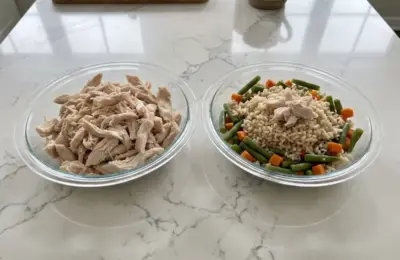
Short ingredient lists offer distinct practical advantages for managing allergic dogs long-term. With fewer ingredients in the bowl, owners can easily verify that known allergens are excluded, spot secondary animal proteins, and trace potential causes if itching reemerges. Gently cooked fresh foods, such as Chewy’s Get Real line, utilize limited primary ingredients—typically ten or fewer whole foods plus essential vitamins and minerals—crafted from human-grade ingredients that are gently cooked and frozen.
However, pet owners must maintain realistic expectations regarding over-the-counter (OTC) limited-ingredient foods. A 2018 critically appraised review in BMC Veterinary Research revealed that commercial over-the-counter pet foods, including those labeled as limited-ingredient diets, frequently contain unlisted animal proteins resulting from cross-contamination on shared manufacturing lines. This potential cross-contamination explains why OTC fresh foods should never be used as the initial diagnostic diet during an elimination trial. Their proper place is as an everyday maintenance diet after triggers have been established and a veterinarian confirms the specific formulation meets the individual dog’s nutritional requirements.
Reading the Label: Auditing for Hidden Proteins and Oils
Auditing pet food labels is a vital skill for managing an allergic dog, as marketing terms such as "hypoallergenic" or "limited ingredient" carry no standard legal definitions that guarantee a product is safe for a specific dog’s unique profile.
When evaluating potential maintenance foods, owners must scrutinize the entire ingredient panel for hidden animal sources:
- Identify the primary named protein: Look closely at the main meat source listed on the package.
- Scan for secondary animal proteins and fats: Check for secondary protein sources such as poultry fat, organ meats, broths, egg products, or marine oils that originate from a different species than the primary meat.
- Review plant fats and binders: Note the specific plant oils, starches, and legumes used to ensure they align with your veterinarian’s recommendations.
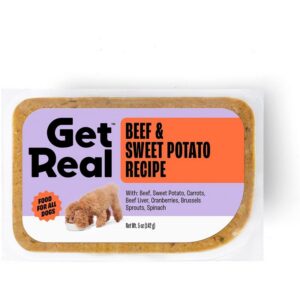
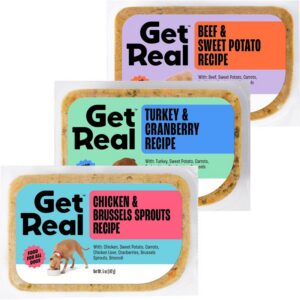
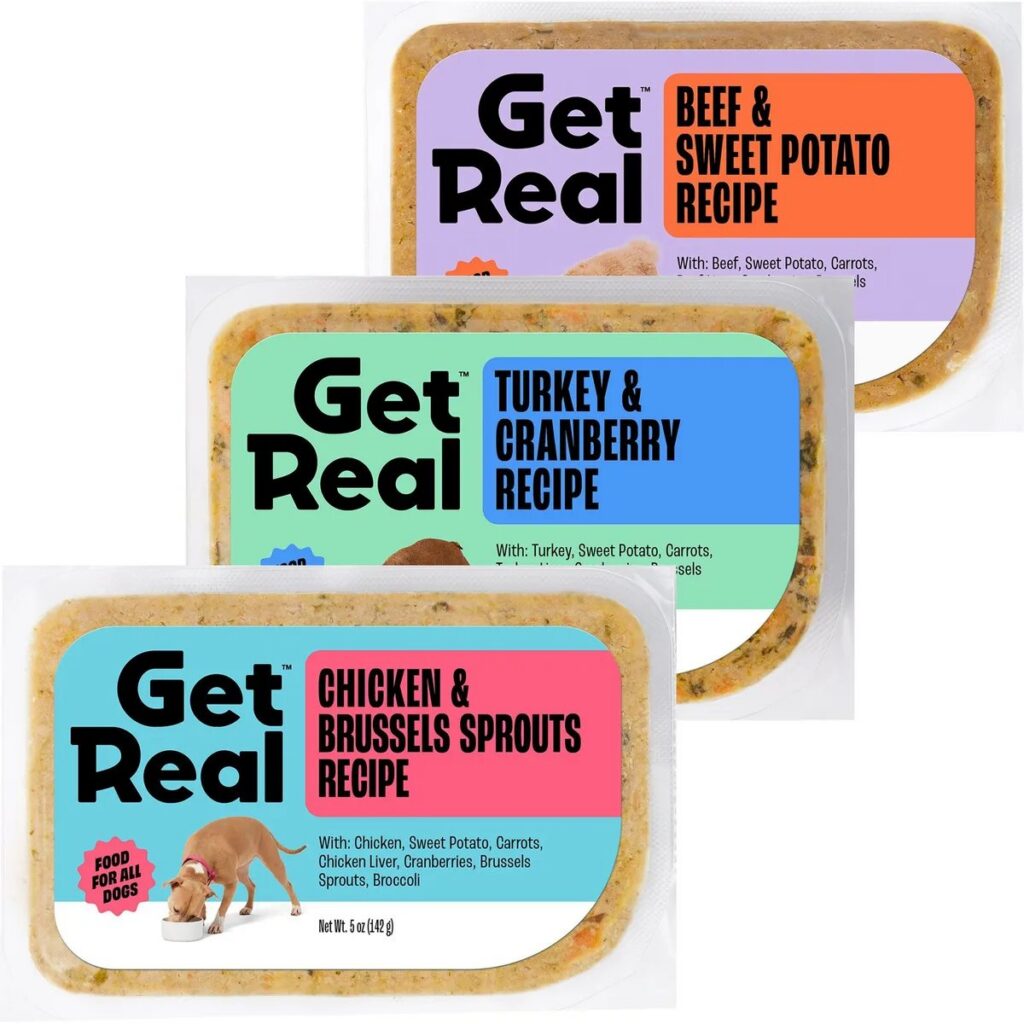
A detailed label audit reveals how secondary animal ingredients appear in commercial formulations. For instance, in the Get Real Beef & Sweet Potato Recipe, the ingredient list includes beef, sweet potato, carrots, beef liver, cranberries, Brussels sprouts, spinach, dicalcium phosphate, canola oil, potassium chloride, calcium carbonate, salt, fish oil, choline chloride, magnesium sulfate, minerals, mixed tocopherols, and vitamins. The formula features a minimum crude fat content of 7 percent. While beef liver originates from the same named animal species, the inclusion of fish oil adds a secondary animal protein source. Consequently, this recipe cannot serve as a single-animal diagnostic trial diet and must be avoided by dogs with known fish sensitivities.
Similarly, alternative recipes within the same product line present specific nutritional profiles:
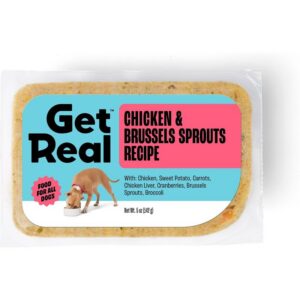
- Chicken & Brussels Sprouts Recipe: Formulated with a minimum crude fat content of 8.5 percent, this recipe features chicken as its lead protein but also includes fish oil. It is suitable only for dogs that have been cleared of both chicken and fish allergies following an elimination trial.
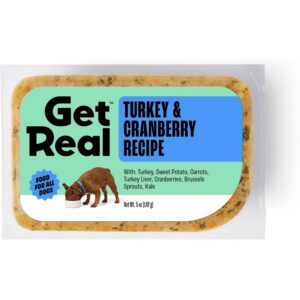
- Turkey & Cranberry Recipe: Containing a minimum crude fat content of 10 percent, this recipe relies on turkey as its primary protein alongside fish oil. Because chicken-allergic dogs may experience cross-reactivity with turkey, this recipe requires explicit veterinary sign-off before introduction.
- Multi-Recipe Sampler Packs: Bundled option packs containing chicken, beef, and turkey varieties are appropriate only after a dog has been systematically tested and cleared for all included animal proteins and fish oil. Multi-protein variety feeding during an active diagnostic trial invalidates the trial results.
All complete-meal fresh recipes must carry an Association of American Feed Control Officials (AAFCO) statement indicating they are formulated to meet recognized nutrient profiles for specific life stages, ensuring long-term nutritional adequacy.
Beyond the main food bowl, a thorough audit must extend to all supplementary items consumed by the dog. Flavored flea and tick chewables, heartworm preventatives, joint supplements, dental sticks, rawhide chews, and table scraps often contain beef, pork, or chicken flavorings capable of triggering allergic reactions. Writing down every item the dog ingests enables the veterinarian to recommend unflavored or hypoallergenic substitutes.
How to Safely Transition an Allergic Dog to Fresh Food
Switching an allergic dog to a new fresh maintenance diet requires a gradual approach, as dogs with cutaneous allergies frequently possess sensitive gastrointestinal tracts. Veterinarians recommend extending the standard transition period from 7 days to approximately 10 to 14 days.
The transition should follow a cautious progression:
- Days 1 to 3: Feed 75 percent of the current cleared diet mixed with 25 percent of the new fresh food.
- Days 4 to 7: Feed 50 percent of the current diet mixed with 50 percent of the new fresh food.
- Days 8 to 10: Feed 25 percent of the current diet mixed with 75 percent of the new fresh food.
- Days 11 to 14: Serve 100 percent of the new fresh recipe.
Proper handling and storage of fresh pet food are critical for food safety and quality. Pre-portioned packs should remain frozen until needed and then thawed in the refrigerator. Thawing smaller 5-ounce or 12-ounce packs typically takes 12 to 24 hours, while larger 24-ounce packs require 35 to 48 hours. Once thawed, fresh food must be kept refrigerated and used within 3 to 5 days. Any fresh food left out at room temperature for more than 2 hours should be discarded. Pet owners should also distinguish between product formats: full-meal packages (such as 12-ounce or 24-ounce packs) provide complete and balanced nutrition, whereas 5-ounce mixer packs are intended solely as toppers and add unneeded ingredient complexity if mixed into kibble for an allergic dog.
Maintaining a daily log during the transition and for several weeks thereafter allows owners to track key health markers objectively:

- Scratching and licking frequency: Record pruritus levels daily to catch early signs of flare-ups.
- Stool quality: Monitor for loose stools, mucus, or diarrhea resulting from diet changes.
- Skin and coat health: Note changes in redness, odor, coat sheen, or dander.
- Energy levels and appetite: Track overall vitality and enthusiasm for meals.
In multi-pet households, strict feeding management is essential. Allergic dogs must be fed separately, and all food bowls should be promptly cleaned after meals. Prevent access to other pets’ food bowls, as consuming even small amounts of another pet’s unmonitored diet can introduce non-cleared proteins and trigger persistent allergic symptoms.
Finally, veterinary experts consistently advise against feeding raw meat diets to allergic dogs. While raw food proponents often cite short ingredient lists, raw meat carries significant risks of bacterial contamination, including Salmonella and Listeria monocytogenes, which pose serious health risks to both pets and human household members. Regulatory agencies such as the U.S. Food and Drug Administration (FDA) have repeatedly warned of these pathogenic hazards. Gently cooked fresh foods offer the practical benefits of whole-food nutrition and concise ingredient panels while eliminating the bacterial safety risks associated with raw feeding.
Frequently Asked Questions
Is fresh dog food good for dogs with allergies?
Fresh food can be an effective long-term maintenance diet for an allergic dog provided it completely excludes the dog’s specific protein triggers. However, fresh food itself is not a cure or a diagnostic tool. Identifying dietary triggers requires a formal veterinarian-led elimination trial using a diagnostic diet. Furthermore, because many commercial fresh recipes contain secondary ingredients like fish oil, they are not suitable for diagnostic trials or for dogs with secondary sensitivities.
What ingredients should be avoided when a dog has allergies?
An allergic dog must avoid its specific, confirmed allergen along with any secondary ingredients derived from that source. Common triggers include beef, dairy, chicken, and wheat. Owners must carefully check product labels for hidden proteins in broths, animal fats, organ meats, and flavorings. During an elimination trial, all external sources of protein—including flavored medications, rawhides, dental chews, pill pockets, and table scraps—must be strictly avoided.
Can specific foods stop a dog from itching?
No single pet food can instantly stop itching in all dogs. If a dog’s itching is caused by a confirmed food allergy, transitioning to a diet that entirely eliminates that specific food trigger will resolve the itch over time. Additionally, omega-3 fatty acids found in fish oil may support skin barrier function as part of a comprehensive veterinary care plan. However, if itching stems from environmental allergens, fleas, or bacterial skin infections, altering the diet alone will not resolve the problem.
What do veterinarians recommend for managing canine allergies?
Veterinarians typically begin by ruling out external parasites like fleas and treating any active secondary bacterial or yeast skin infections. If a food allergy is suspected, they recommend a strict 8-to-12-week elimination trial utilizing a prescription hydrolyzed or novel-protein diet. For environmental allergies (atopic dermatitis), veterinarians may prescribe medicated topical shampoos, systemic anti-itch medications, or allergen-specific immunotherapy based on diagnostic testing.
Why do veterinarians advise against raw dog food for allergic dogs?
Veterinarians advise against raw diets primarily due to the established risk of microbial contamination. Raw meat frequently harbors dangerous pathogens such as Salmonella and Listeria, which can cause severe gastrointestinal illness in pets and pose hazardous exposure risks to human family members handling the food. The FDA continuously warns against raw pet food due to these public health risks. Gently cooked fresh food provides a safer alternative, delivering simple whole-food ingredients without the raw bacterial hazard.