



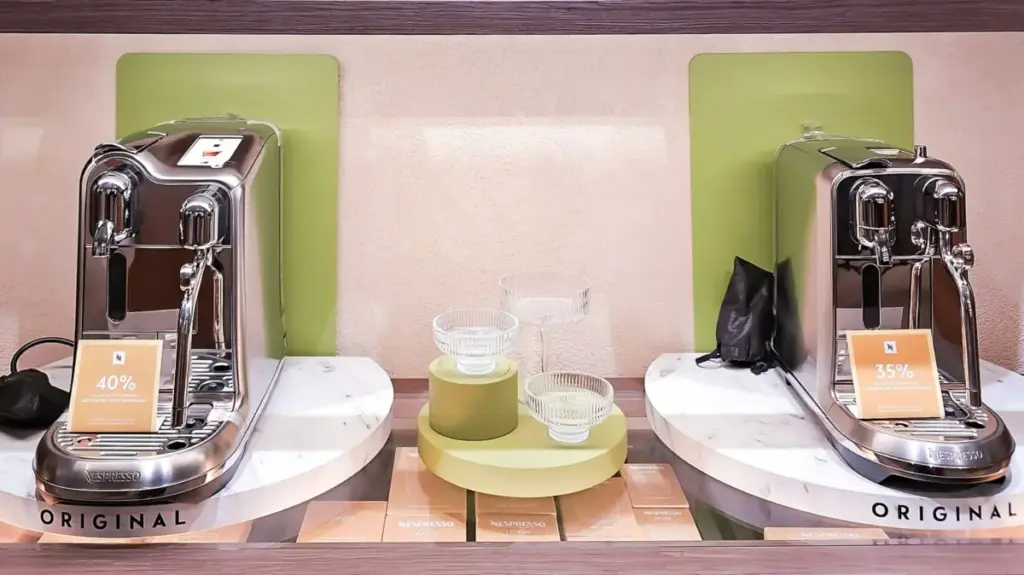
For millions of households around the globe, the morning routine has been permanently transformed by the sleek, unassuming profile of a Nespresso machine. Promising the allure of a sophisticated espresso or a rich, aromatic cup of coffee without the traditional mess, the system has won over countless consumers who value efficiency above all else. With a simple drop of a capsule and the press of a button, a barista-style beverage is produced in mere minutes, completely bypassing the involved rituals of measuring whole beans, operating a grinder, tamping grounds, and cleaning up the scattered aftermath characteristic of traditional espresso setups.
Yet, this streamlined approach to daily caffeine consumption is not without its complexities. Once a consumer invests in the hardware, they are simultaneously entering into a proprietary capsule-based ecosystem that dictates everything from flavor availability and brewing versatility to the overall financial and environmental cost of each cup. While these operational realities vary depending on whether an owner selects an Original or a Vertuo line machine, the broader trade-offs define the modern Nespresso experience. Before committing to the counter space and the steady stream of single-use pods required to keep the machine running, coffee enthusiasts are increasingly examining the hidden disadvantages of a system built entirely around convenience.
Nespresso Capsules Can Get Expensive Over Time
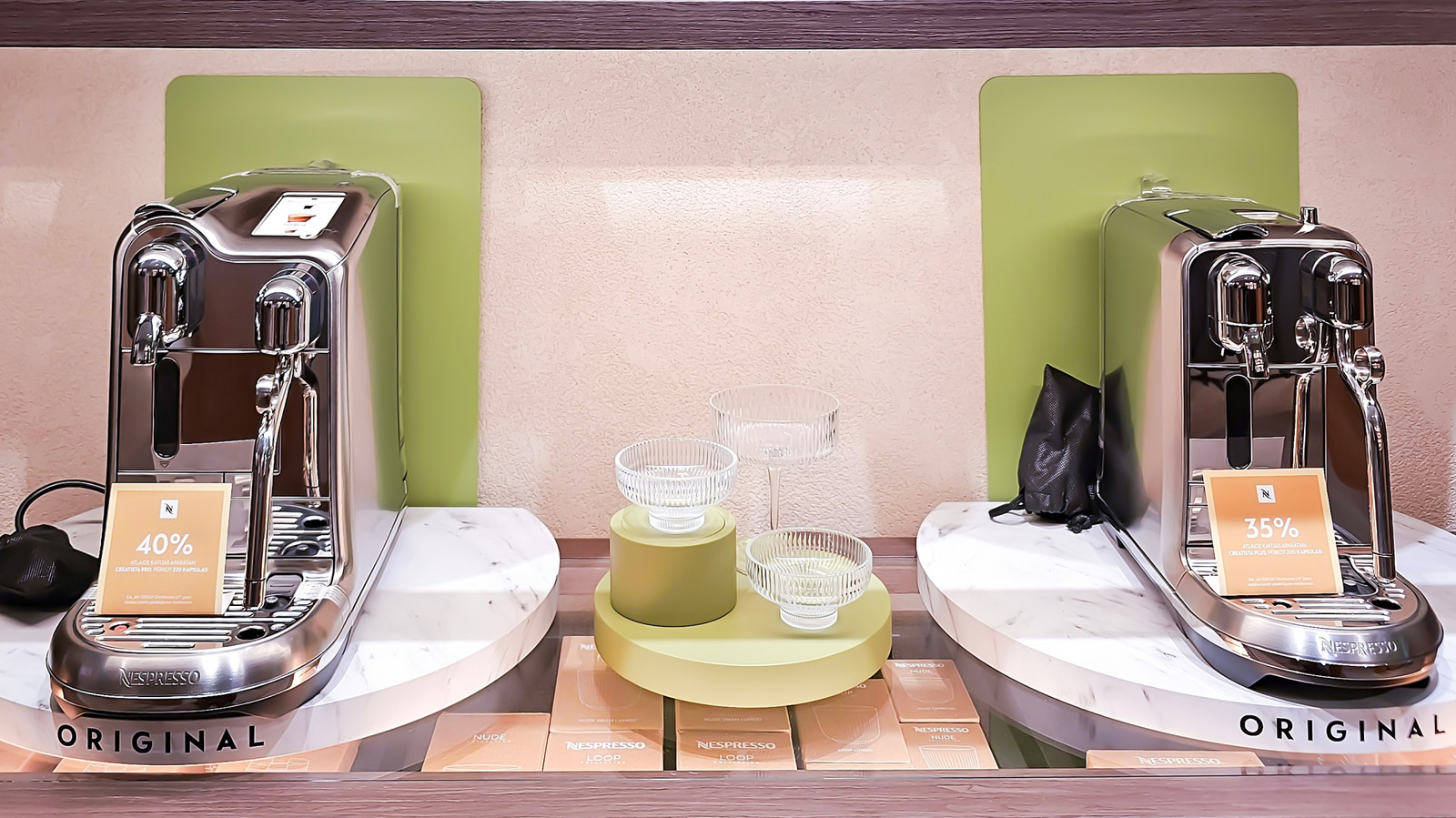
While a Nespresso machine undoubtedly offers a financial reprieve for those accustomed to purchasing daily lattes or specialty drinks at commercial coffee shops, it does not necessarily translate to a low-cost method for home-brewing. The true financial commitment of the system lies not in the initial purchase of the appliance, but rather in the ongoing, recurring expense of the capsules themselves, which must be continuously replenished for as long as the machine remains in service.
Current pricing structures illustrate how quickly these costs accumulate over weeks and months of regular use. Standard 7.77-ounce Vertuo coffees, including popular varieties like Melozio, Intenso, Stormio, and Odacio, typically retail around $1.40 per capsule. Meanwhile, single-origin selections, barista creations, and specialized lines frequently command prices ranging from $1.45 to $1.60 per pod. Limited editions and larger formats often push those costs even higher. For instance, specialized pods such as the Cafecito de Puerto Rico, which delivers a double espresso from the Reviving Origins collection, cost roughly $2.00 per cup.
Original-line capsules generally present a lower baseline expense. Classic Italian-style Original capsules often list at approximately 85 cents each, with specialty lines hovering between 90 cents and $1.00. Furthermore, Original machine owners benefit from a wider market of compatible third-party capsules, allowing for greater flexibility in price shopping.
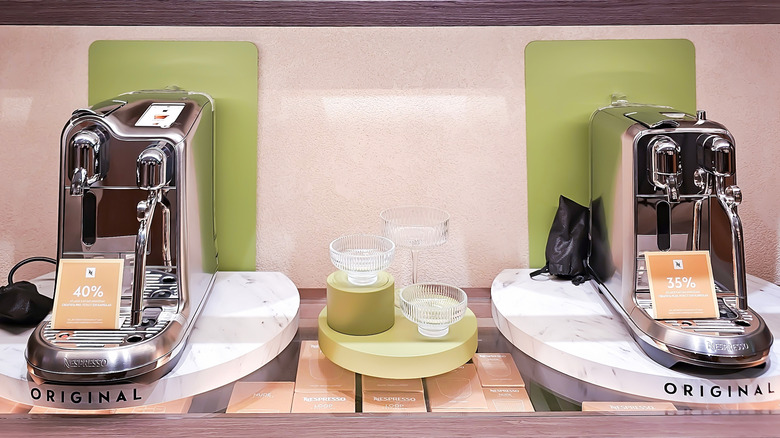
Even so, both Nespresso ecosystems carry an ongoing per-cup cost that traditional bean or ground coffee purchases simply do not incur. Because the architecture of the machine is built around strict single-serving portions, brewing a second cup immediately doubles the financial input for that session, a factor that frequent coffee drinkers must weigh against the undeniable ease of preparation.
You’re Locked Into a Capsule System
The defining strength of a Nespresso machine—its ability to remove all guesswork from the brewing process—is simultaneously one of its most rigid limitations. Unlike a standard drip coffee maker, a French press, a pour-over cone, or a conventional semi-automatic espresso machine, the capsule format strictly dictates what enters the brewing chamber. Consumers cannot simply browse a local roastery, purchase an intriguing bag of whole beans, grind them to a preferred coarseness, and experiment with the extraction.
Instead, the machine requires specific capsules engineered to fit its particular system architecture, divided primarily between the Original and Vertuo technologies. These two platforms utilize entirely different mechanical processes and capsule formats, meaning pods designed for one are completely incompatible with the other. For consumers who enjoy sampling diverse coffee origins, supporting independent roasters, or switching bean varieties on a whim, this proprietary structure can quickly feel restrictive.
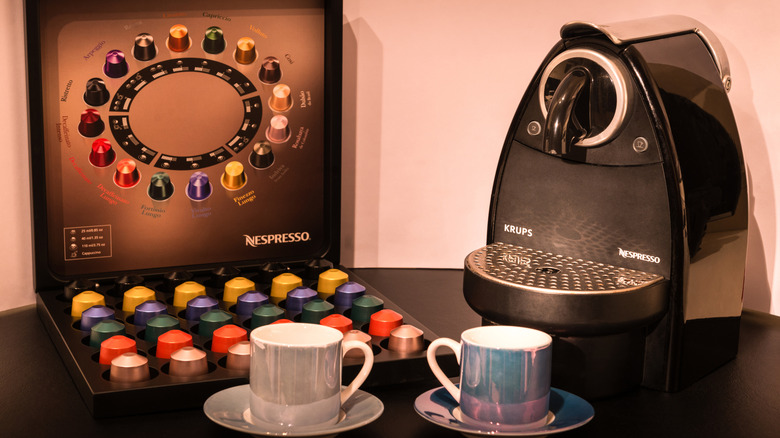
Nespresso maintains a diverse catalogue of roasts, flavor profiles, caffeine intensities, decaffeinated options, and limited-edition runs to provide variety within the ecosystem. For many users, the absence of manual preparation variables is a welcome compromise. However, buyers must recognize that selecting a Nespresso machine is also an explicit commitment to a permanent format for their daily coffee.
Some Machines Offer Fewer Third-Party Capsule Options
While other single-serve coffee systems, such as Keurig, support a sprawling marketplace of independent, third-party compatible pods, the landscape for Nespresso alternatives is considerably more restricted. This dynamic, however, impacts owners of Vertuo machines far more severely than those who utilize the Original line.
The Original system has been on the market long enough to foster a robust ecosystem of compatible capsules produced by external companies. Established brands like Peet’s, for instance, manufacture espresso pods specifically designed to function within Original machines, while mainstream retailers frequently stock diverse compatible options, granting users a wider array of price points and flavor profiles.
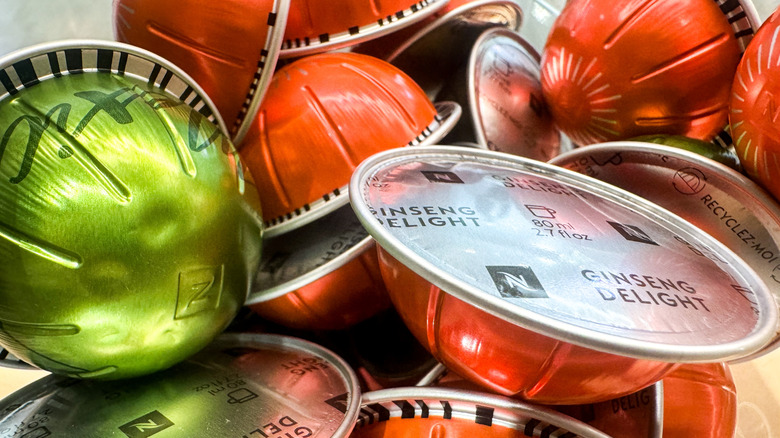
The Vertuo system, by contrast, operates within a heavily guarded technological framework. Every Vertuo pod features a unique barcode printed on the rim that the machine scans prior to extraction, automatically adjusting parameters such as water volume, temperature, and infusion time to match that specific capsule. Because of this advanced proprietary technology, third-party manufacturers have struggled to replicate the pods, leaving Vertuo owners with very few alternatives outside of official Nespresso channels.
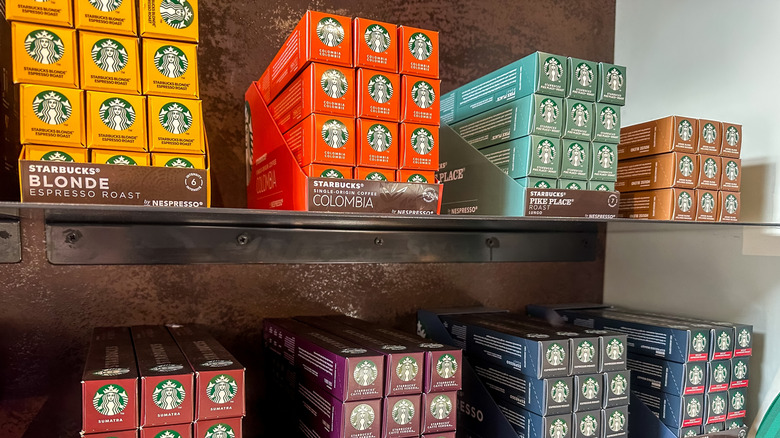
This reliance largely limits consumers to ordering pods online for home delivery or visiting physical Nespresso Boutiques, which are typically concentrated in major metropolitan areas. While branded alternatives like Starbucks by Nespresso do offer pods for both systems, the available flavor selections remain minimal compared to the broader retail market, offering limited opportunities for bargain hunting.
You Have Less Control Over the Brewing Process
The foundational appeal of Nespresso centers on automation—allowing the appliance to execute the complex mechanics of espresso extraction with minimal human intervention. While this hands-off approach is celebrated during hurried morning routines, it often leaves traditional coffee aficionados feeling unfulfilled.
With a conventional espresso machine, the operator retains absolute command over every variable of the craft. Baristas and home enthusiasts alike select the specific beans, grind them immediately before extraction, adjust the grind size and dose, determine the physical pressure of the tamp, and manually monitor the extraction time. In a Nespresso setup, the coffee arrives pre-ground, pre-measured, and hermetically sealed inside the pod, stripping away those granular adjustments.
This lack of control does not preclude customization of the final beverage in the cup. Owners remain free to incorporate milk, microfoam, syrups, and sweeteners to personal taste, and newer hardware iterations feature expanded beverage settings. Yet, modifying a finished drink after extraction is fundamentally different from manipulating the physical variables of the coffee bed itself. For individuals who view the creation of espresso as an evolving craft, the boundaries of a capsule machine may eventually prove restrictive.
The Capsules Create Extra Waste and Recycling Work
Every cup of coffee brewed through a Nespresso system yields a byproduct: a discarded aluminum capsule packed with spent, moist coffee grounds. While Nespresso has invested heavily in sustainability initiatives and ensures its aluminum pods are fully recyclable, the operational reality of participating in these programs introduces significant friction for the consumer.
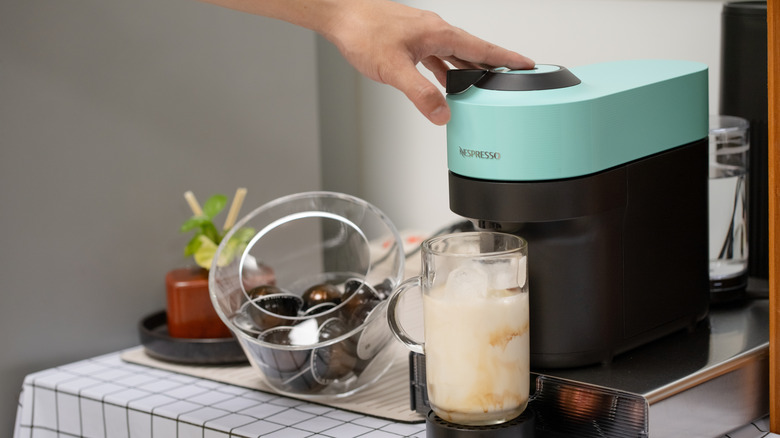
Recycling Nespresso capsules requires considerably more effort than simply tossing packaging into a standard municipal recycling bin. While select municipalities, such as New York City and certain jurisdictions in New Jersey, permit aluminum coffee pods within residential recycling streams, the vast majority of consumers must utilize specialized drop-off methods.
To bridge this gap, Nespresso operates a mail-back recycling program utilizing prepaid UPS recycling bags, allowing customers to return used pods to be repurposed. However, participants must physically transport the heavy bags to a participating UPS drop-off location or a branded boutique, as standard postal facilities do not handle the program.
This requirement adds an administrative chore to daily household routines, requiring designated storage for used pods while the collection bag fills. Furthermore, neglected pods left inside the machine’s internal storage bin for extended periods are prone to accumulating mold, requiring routine cleaning. While users can manually empty individual pods to sort the aluminum from the compostable grounds, doing so largely erases the foundational convenience that makes capsule-based systems popular in the first place.