


For players diving into the vast and intricate world of Fire Emblem: Fortune’s Weave, reaching the end of Act 1 introduces a major structural decision that can significantly impact the rest of the campaign. The choice centers on whether to bypass Act 2—commonly known as the War Arc—using the Strife Obelisk, a feature that has sparked considerable discussion among players navigating the latest entry in Intelligent Systems and Nintendo’s acclaimed tactical role-playing franchise.
While skipping the War Arc is entirely optional, understanding the mechanical and narrative consequences of this decision is essential before making a choice that could alter your overarching campaign experience. The Strife Obelisk materializes upon the completion of Act 1 for any of the Flame Lords, offering a fast-track option for players looking to accelerate their progression. Alternatively, players can choose to ignore the obelisk entirely and proceed directly through the standard door, though doing so carries its own distinct roster limitations for the final campaign.
Should You Skip the War Arc (Act 2) in Fire Emblem: Fortune’s Weave?
For anyone experiencing Fire Emblem: Fortune’s Weave for the very first time, industry consensus and game design structure strongly advise against skipping the War Arc at the obelisk. Serving as a crucial narrative and mechanical bridge, Act 2 connects the conclusion of the Flame Lords’ initial acts directly into the high-stakes challenges of Act 3. Even for players who typically lean toward gameplay over story progression, bypassing this middle chapter removes a vital preparatory phase designed to ready armies for the sharp spike in difficulty that defines the final act. As the campaign progresses into its closing stages, encounters grow substantially larger and more demanding, requiring hardened units and well-tested strategies.
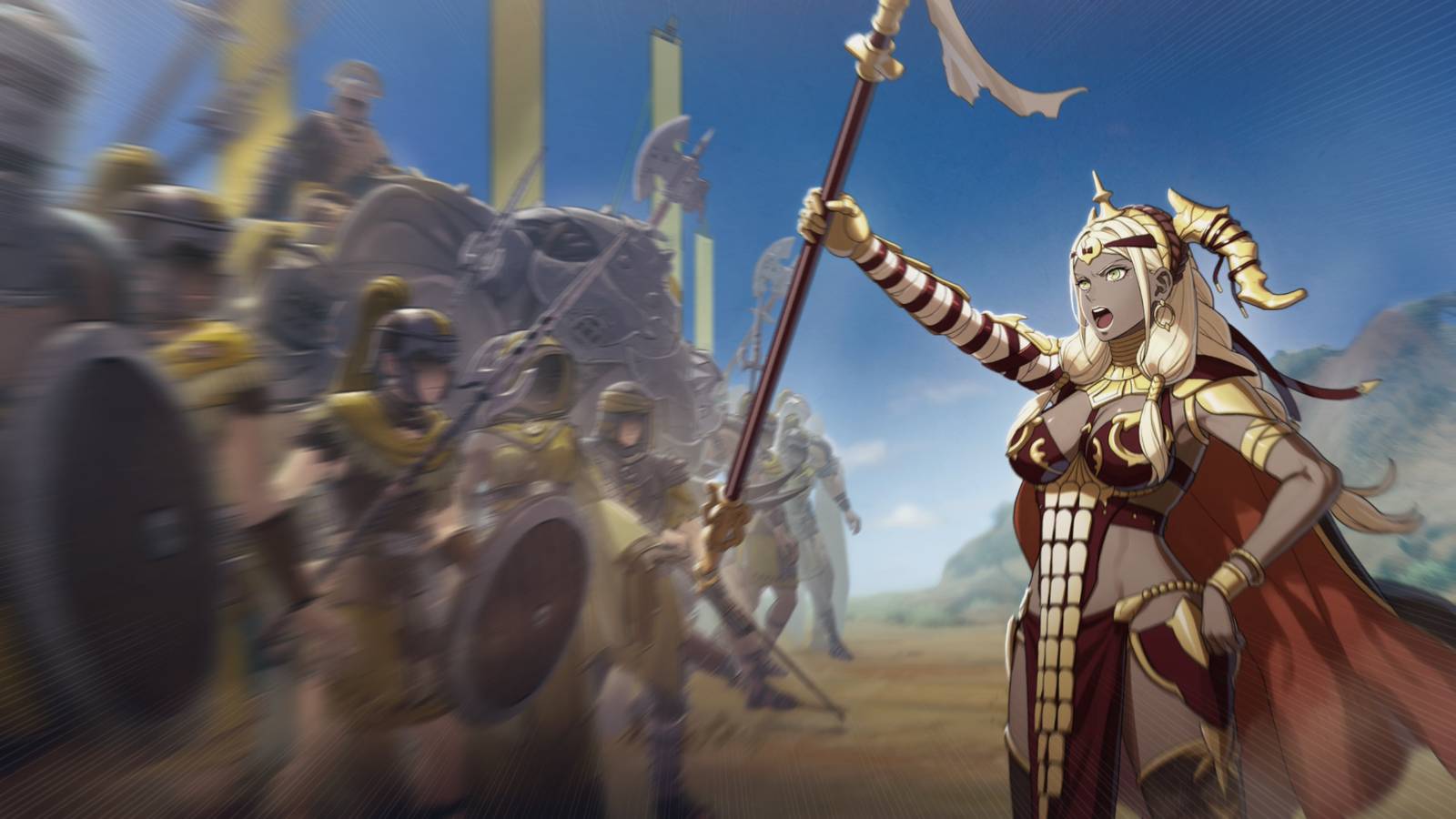
Beyond the initial playthrough, however, the calculus surrounding the War Arc changes based on individual player objectives and replay habits. A notable aspect of Act 2 is that its maps and overarching storyline remain largely identical regardless of which character route was initially chosen, save for unique cinematic bookends at the absolute start and finish of the act. Consequently, players prioritizing narrative novelty miss out on very little story content by bypassing these repetitive deployments.
Furthermore, utilizing the skip function triggers an automatic level adjustment, boosting every character in the player’s roster to level 45. This instantly places the army at the baseline recommended threshold required to initiate the final act safely. For veterans of the genre who are managing multiple playthroughs, attempting to prepare several alternative armies for Act 3 quickly, or returning to earlier saves in Act 1 to tweak character builds and recruit new personnel, skipping the War Arc offers a pragmatic and time-saving convenience. The game also accommodates flexibility by allowing players to initiate a skip at various points during Act 2 and return later, meaning the choice is not an irreversible, permanent lock-out.
Despite the obvious appeal of speed and convenience, bypassing the War Arc is not without notable drawbacks that can affect long-term tactical performance. Players who choose to manually deploy and fight through Act 2 have ample opportunity to farm experience from incoming enemy reinforcements, naturally pushing their primary characters closer to level 50 or beyond. This extra margin of growth provides a tangible statistical advantage and grants units additional chances to improve their core attributes before facing the toughest encounters in the game.

In addition to raw level progression, manual playthroughs of Act 2 afford players critical opportunities to experiment with class changing, manage equipment durability, and execute tactical drills to enhance their army’s overall weapon and skill ranks. Engaging with these systems directly yields a much higher degree of granular control over character specialization and unit development, effectively minimizing the need for frantic micro-management at the threshold of the third act. Opting for the skip entirely removes these hands-on development opportunities, leaving the player with a standardized, pre-leveled force that lacks customized fine-tuning.
Ultimately, the decision to bypass or engage with the War Arc hinges entirely on a player’s immediate goals. Those operating on a tight schedule, managing experimental Act 1 tweaks, or seeking a faster route to the endgame will find the skip feature to be a welcome and functional accommodation. Conversely, commanders desiring maximum oversight, deeper unit customization, and a gradual, earned ascent into the final challenges will find that playing through the War Arc remains the most rewarding path through Fire Emblem: Fortune’s Weave.