

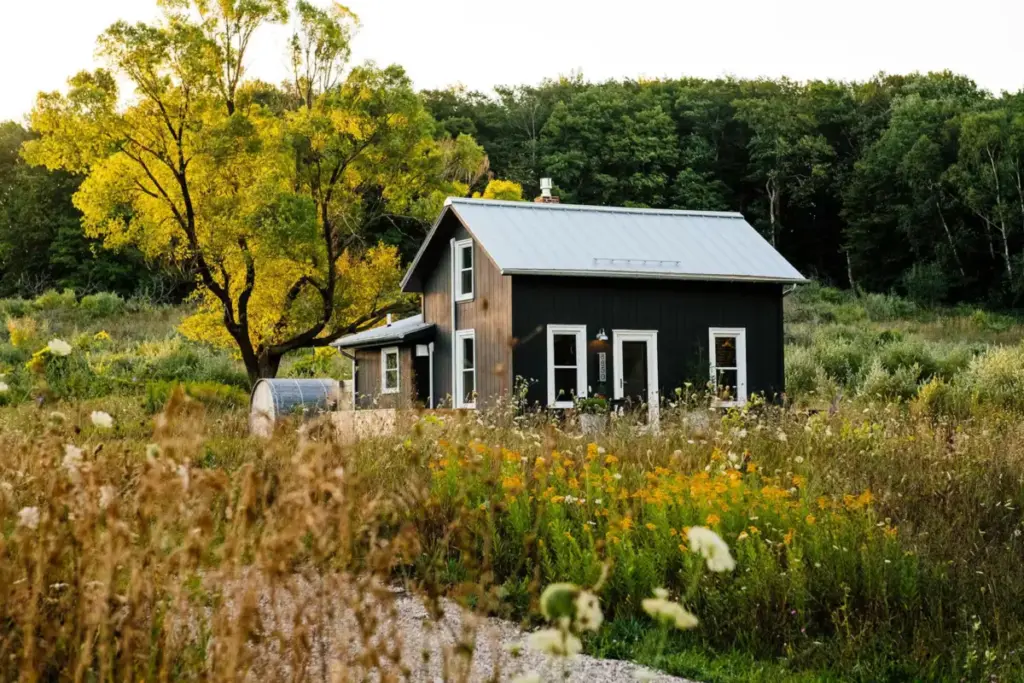
Country living, with its breathtaking nature, profoundly relaxing atmosphere, and stunning wildlife, makes it remarkably easy to disconnect from the relentless pace of day-to-day stressors and embrace a much slower, more intentional path. For travelers seeking this particular brand of peace and quiet, an emerging trend across the United States offers a unique alternative to traditional hotels and conventional vacation homes: Airbnbs converted from historic barns. Of course, this modern phenomenon comes with a distinct upgrade—visitors can enjoy the rustic charm without actually sleeping next to a dusty pitchfork and a towering pile of hay.
Across the country, old dairy barns, horse stables, weathered haylofts, and towering grain silos that once formed the industrious backbone of America’s agricultural economy are finding dreamy second lives as high-end vacation rentals. These sturdy structures, originally built to withstand the rigors of farm life and harsh seasonal weather, are currently undergoing remarkably glamorous redesigns. Yet, despite the injection of modern luxury, these renovations carefully preserve the soaring architectural ceilings, original hand-hewn timber beams, weathered wood siding, and historic structural details that newly constructed buildings simply cannot replicate.
The transformation of agricultural spaces into residential hospitality represents a broader shift in how travelers experience rural landscapes. Rather than staying in generic suburban developments or standard roadside motels, visitors are increasingly drawn to properties steeped in authenticity and local heritage. From sprawling farmhouses with enough space to accommodate large family gatherings and friend groups, to intimate hayloft hideaways perfectly tailored for a quiet retreat during a national park excursion, to old grain silos that have been cleverly reimagined into surprisingly stylish, circular places to sleep, there is something architecturally and culturally interesting tucked away in nearly every corner of the country.
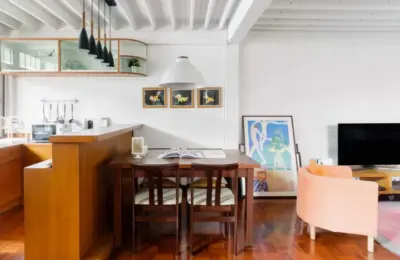
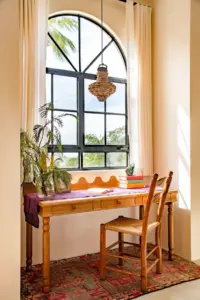
What makes these conversions particularly compelling is the seamless blending of eras. It is now common to encounter sleek, minimalist interiors tucked safely behind century-old, sliding barn doors that still bear the faint markings of their utilitarian past. Guests can step out onto private decks featuring outdoor soaking tubs that overlook rolling pastures, or stay at working properties where resident farm animals remain very much a part of the daily environment. For many urbanites, the simple experience of enjoying a morning coffee while interacting with a few curious goats adds an irreplaceable layer of charm to their vacation.
This trend also speaks to a growing appreciation for adaptive reuse in architecture. Preserving these agricultural buildings prevents the loss of local landmarks while offering a sustainable approach to tourism development. Historic barns are testaments to early American craftsmanship, often constructed using old-growth timber and joinery techniques that are no longer economically viable in modern construction. By converting them into livable spaces, property owners are able to protect these fading icons of rural history while sharing their unique aesthetic with the traveling public.
Whether travelers are chasing a deep sense of farmyard nostalgia, looking for a design-forward country escape that features avant-garde interior architecture, or simply searching for a storied home located just steps away from the untamed wilderness, these barn-turned-Airbnbs make a powerful case for trading standard accommodations for something with a bit more history. As more of these historic agricultural structures find new stewards willing to invest in their preservation, the American countryside is quietly redefining what it means to get away from it all, offering a stay rooted deeply in the past yet fully equipped for the comforts of the present.