

For many home cooks and diners alike, the mere thought of consuming raw, hardy greens—such as collards or kale—can evoke a distinct shudder. Their notoriously tough texture and aggressively earthy, sometimes bitter flavor profiles often relegate them to long-braised, slow-cooked dishes that require hours on the stove with pork or smoked turkey. However, a vibrant, innovative new side dish inspired by the timeless French bistro classic, leeks vinaigrette, offers an entirely different culinary perspective. By bridging the gap between raw crunch and heavy braising, this preparation redefines how winter vegetables can be served at the modern dinner table, presenting a compelling solution for those looking to incorporate more sturdy greens into their seasonal repertoires.
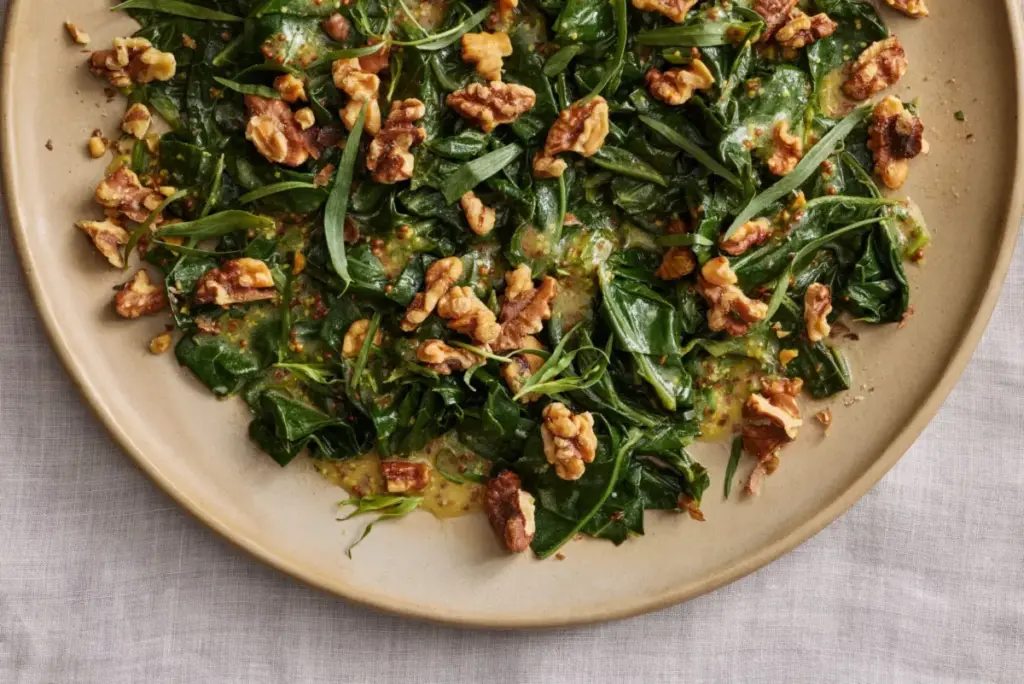
At the heart of this dish is a careful approach to cooking the greens. Rather than boiling them down to a meltingly soft state or leaving them in their squeaky-raw, unyielding form, the collards are simmered just past their raw toughness while falling well short of a traditional braise. The result is a texture that offers a substantial, satisfying bite, closely resembling the pleasant mouthfeel of al dente pasta. This technique softens the fibrous exterior of the collards just enough to make them approachable and tender, yet retains enough structural integrity to hold up against a robust, highly seasoned dressing. It is a middle-ground cooking method that breathes new life into winter produce, proving that hardy greens do not always require a marathon cooking session to be palatable.
Accompanying these carefully simmered greens is a mustard-based dressing that exemplifies simplicity without sacrificing complexity or impact. Designed to be remarkably easy to whip together, the dressing serves as a versatile culinary base that can easily be adapted for any salad served throughout the winter season. Its flavor profile is deliberately punchy, featuring a sharp backbone that ensures it can effortlessly stand up to the heavy nature of winter vegetables or any other sturdy, bitter green one might wish to feature. This dressing acts as a vital counterweight to the earthy notes of the collards, cutting through the vegetal bitterness with a bright, acidic punch that enlivens every single bite of the dish.
The construction of this vibrant side dish relies on a carefully curated selection of ingredients that balance texture, acid, fat, and herbaceous freshness. The recipe calls for half a cup of raw walnuts, which provide a rich, earthy crunch and a toasted depth when integrated into the final presentation. For the main vegetable component, two bunches of collard greens are prepared by meticulously removing the tough ribs and stems, after which the leafy portions are cut into convenient two-inch pieces. This uniform sizing ensures that the greens simmer evenly, achieving that ideal al dente texture across the entire batch.
Seasoning and flavor enhancement are achieved through a precise blend of pantry staples and fresh herbs. The simmering and seasoning process utilizes a teaspoon of Diamond Crystal kosher salt or half a teaspoon of Morton kosher salt, with additional amounts adjusted to taste. The dressing itself comes together through the combination of two finely grated garlic cloves, a quarter cup of white wine vinegar, and two tablespoons of Dijon mustard, preferably utilizing a country-style variety that adds both texture and a more rustic flavor profile. To achieve the ideal emulsion and richness, the recipe incorporates a third of a cup plus one tablespoon of extra-virgin olive oil. Furthermore, a packed quarter cup of coarsely chopped tarragon is folded into the mix, accompanied by additional fresh tarragon leaves reserved specifically for garnishing and serving. Finally, sugar is brought into the fold with a measurement of two teaspoons, plus an extra portion specifically designated for candy-coating or balancing the walnuts, rounding out the complex interplay of sweet, sharp, savory, and bitter notes.
As culinary enthusiasts and hosts begin looking ahead to seasonal gatherings and festive holiday menus, inspiration continues to be drawn from traditional techniques updated for contemporary palates. For those seeking additional culinary ideas, recipes, helpful tips, and carefully curated menus tailored for festive occasions such as the upcoming 2026 holiday season, extensive resources remain accessible through dedicated digital food hubs. These platforms continue to offer guidance on how to elevate classic winter produce, transforming humble ingredients like collard greens and winter herbs into sophisticated centerpieces or dynamic side dishes capable of satisfying diverse groups of diners at any formal or casual gathering.