



For years, lifestyle and financial commentators have explored the intersection of personal finance, health, fitness, and the psychology of happier living. Yet, urban planners and alternative living advocates argue that one fundamental area of modern society encompasses all of these factors with remarkable synergy: the way we design our cities and towns. If society were to enact one sweeping structural change with the potential to improve lives globally, experts suggest it would be an immediate shift toward building communities centered around people rather than automobiles.
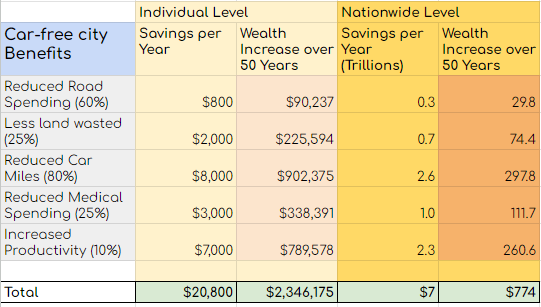
The implications of such a transformation extend far beyond minor reductions in traffic congestion, vehicle emissions, or traffic accidents. Proponents of human-centric urban design argue that prioritizing pedestrian- and transit-friendly spaces fosters significantly richer, healthier, and more vibrant communities. Conservative estimates suggest that eliminating car dependency could yield a life quality and financial boost of over $20,000 per person annually, compounding into millions of dollars over an adult lifetime. On a national scale, transitioning away from car-centric infrastructure could theoretically add trillions of dollars in economic value annually, driving an unprecedented era of public and private prosperity.
The Hidden Cost of Car-Centric Infrastructure
At first glance, city planning often appears to be a bureaucratic background function managed by municipal councils focused on maintaining the status quo. Critics argue that traditional urban development is frequently driven by institutional inertia, risk aversion, and resistance to change from local stakeholders who struggle to envision alternative frameworks.
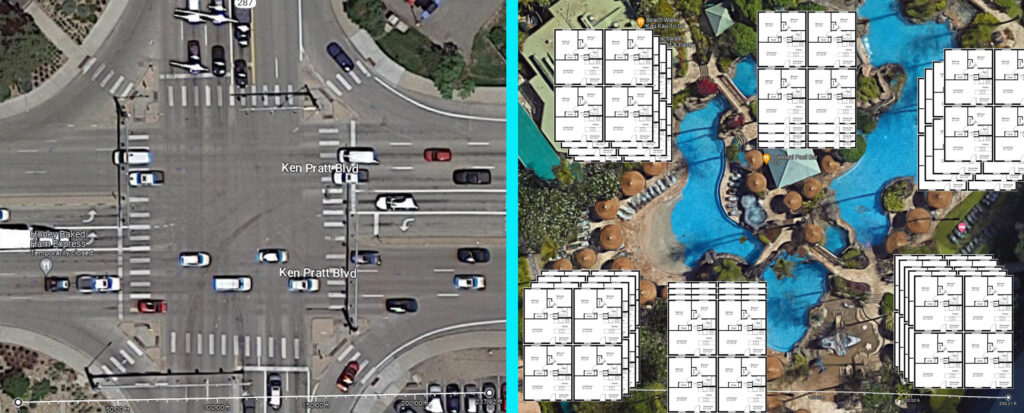
However, a closer look at urban geography reveals staggering inefficiencies in how land is utilized. A standard city intersection, measuring roughly 250 by 250 feet, consumes approximately 1.5 acres of space. In a car-dominated layout, this land is dedicated entirely to vehicle throughput. Yet, that same acreage could alternatively accommodate high-density, resort-style housing for roughly 200 people, complete with green spaces, retail shops, and essential neighborhood amenities.
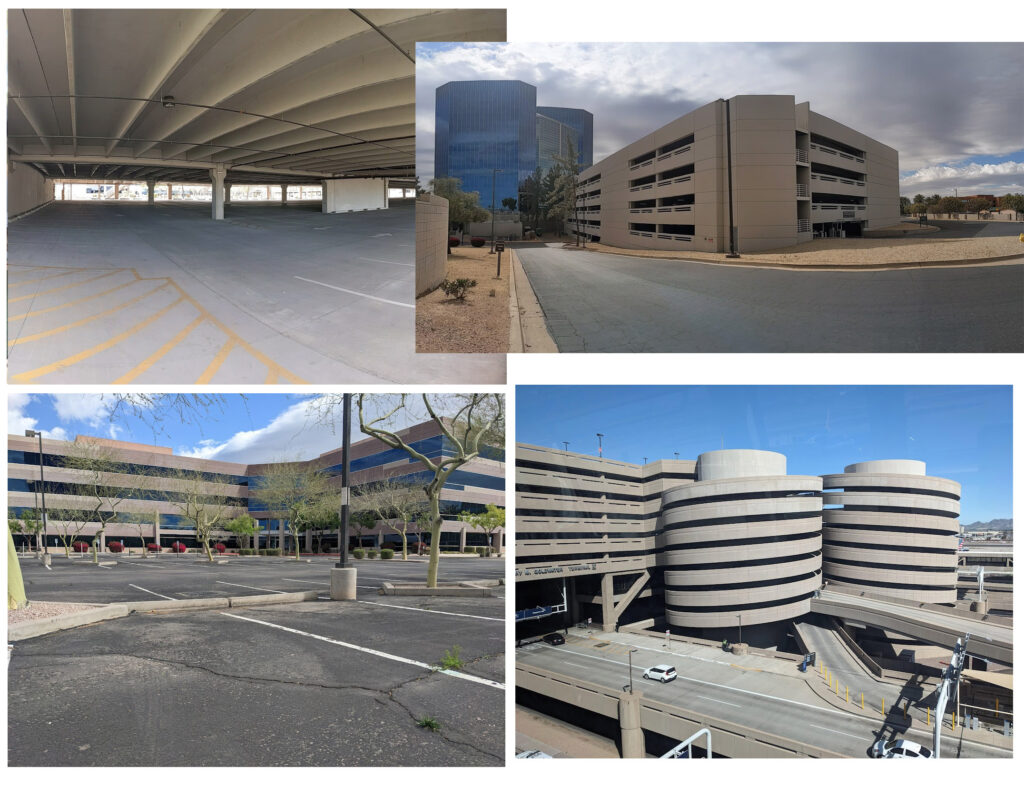
Similarly, the spatial footprint required for parking infrastructure is immense. Two standard parking spaces consume roughly the same spatial footprint as an entire two-bedroom apartment. Because modern cities have dedicated the vast majority of their physical landscape to accommodating, storing, and moving automobiles, distances between destinations have expanded dramatically. This dispersed layout generates noise, pollution, and safety hazards, ultimately discouraging residents from walking or bicycling. Consequently, the prevailing reliance on cars is largely a byproduct of the sprawling infrastructure built to accommodate them in the first place.
Challenging the Status Quo
Proposals to overhaul urban infrastructure routinely encounter skepticism and resistance from critics who question how daily transportation needs will be met without personal vehicles. Urban designers argue that this perspective overlooks the core objective of human-centric planning: when communities are designed with integrated amenities, the fundamental need to drive extensive distances diminishes significantly.
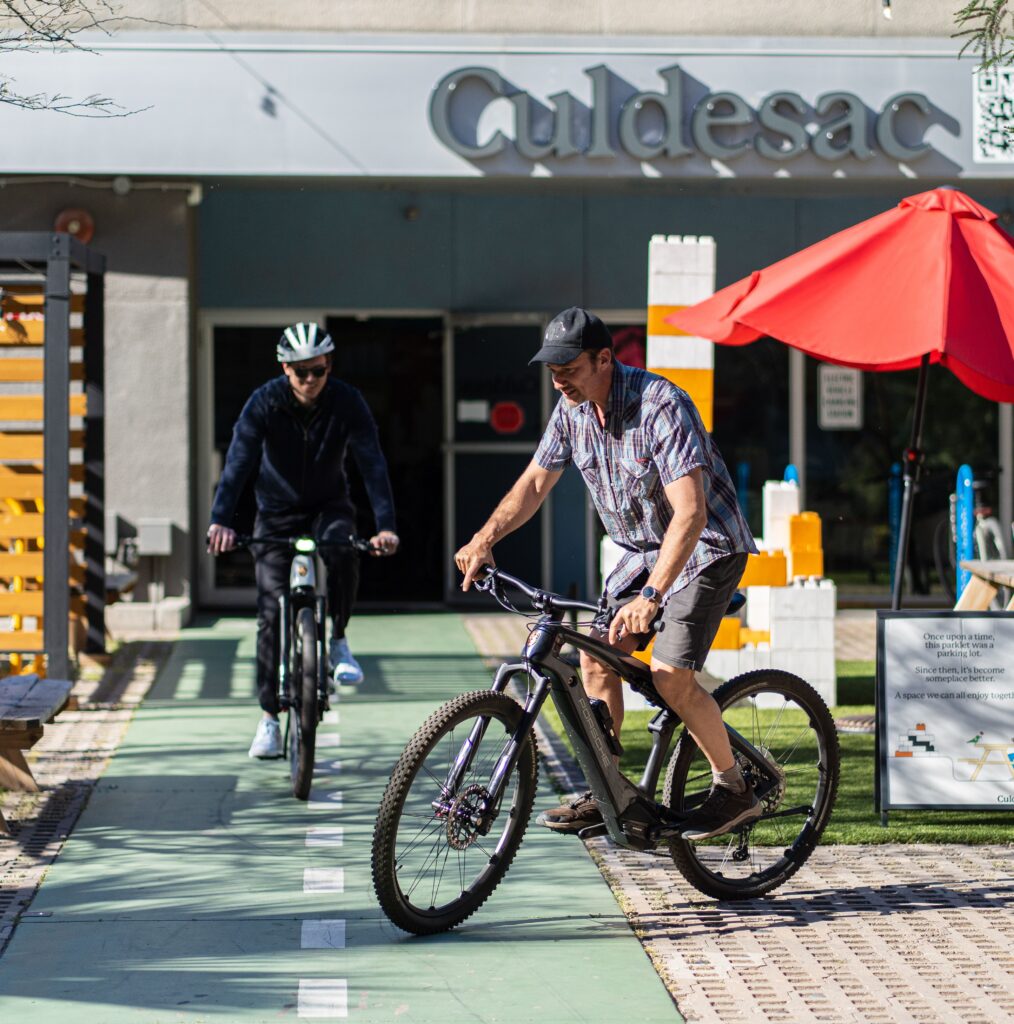
Rather than relying solely on traditional public transit systems—which some commuters find inconvenient due to fixed schedules and waiting times—walkable and bikeable neighborhoods empower residents to navigate their daily lives more efficiently. Bicycles and electric bikes, in particular, often prove faster than automobiles for urban trips under 15 miles, offering physical activity and bypassing traffic bottlenecks entirely. While emergency vehicles, deliveries, and specialized mobility assistance vehicles still require road access, private passenger vehicles play a drastically reduced role in daily mobility within a redesigned urban core.

Real-World Implementation: Culdesac Tempe
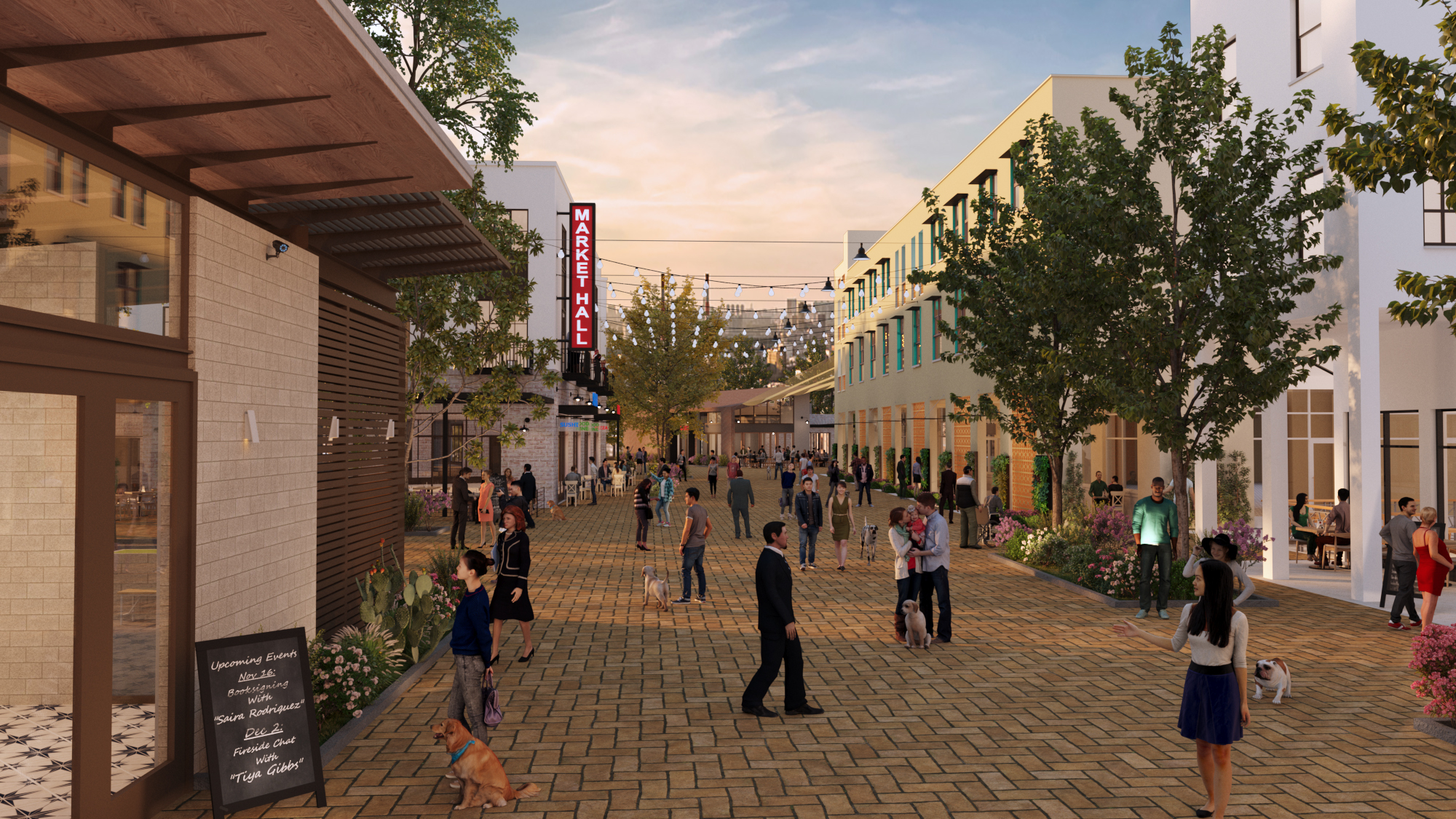
While municipal bureaucracies often struggle to implement large-scale structural changes, private developers and visionary urban planners have begun demonstrating the viability of car-free communities on the ground. A prominent example is Culdesac Tempe, a 17-acre, 1,000-person car-free neighborhood located in Tempe, Arizona. Designed as a pilot project for modern urban living, the development eliminates traditional parking lots in favor of pedestrian plazas, shaded walkways, and integrated residential and commercial spaces.

Situated within the Phoenix metropolitan area, the neighborhood offers direct access to light rail transit, local university campuses, and shared electric vehicle fleets. Residents have immediate access to daily essentials, dining, fitness facilities, and green spaces without needing to leave the community by car. The architecture is specifically tailored to the desert climate, emphasizing shade, airflow, and outdoor gathering spaces that thrive year-round.
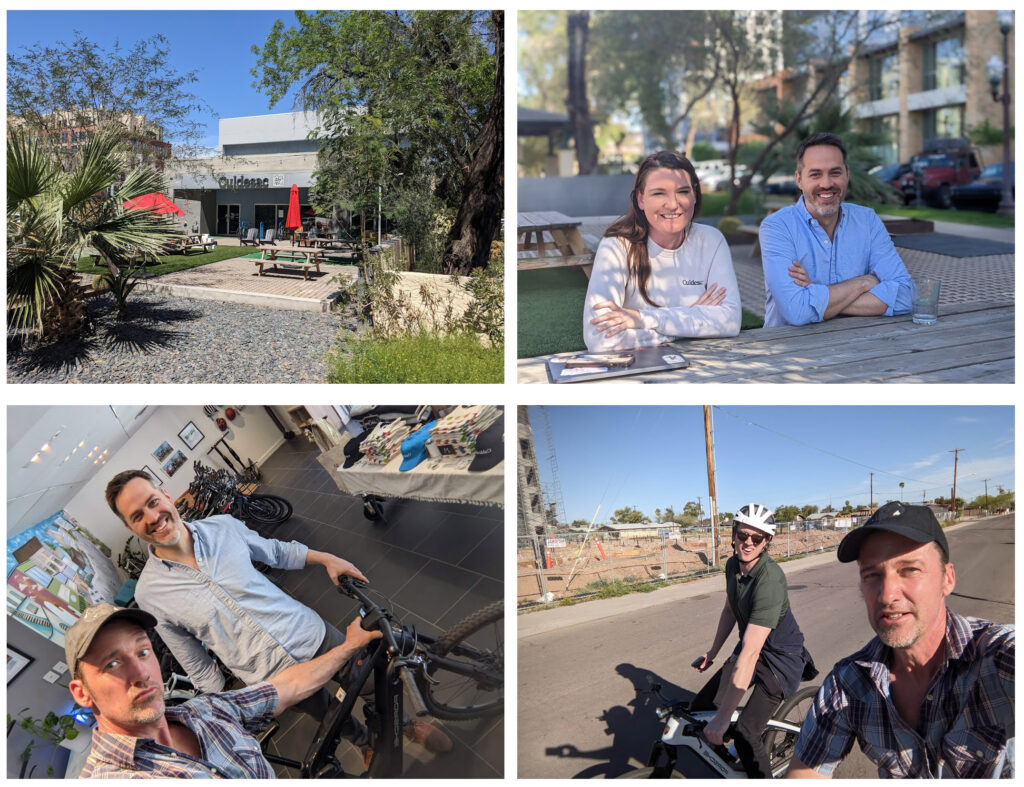
The success of projects like Culdesac Tempe highlights a growing appetite for alternative residential models that prioritize community engagement and economic efficiency over vehicular accommodation. As urban researchers and financial commentators continue to study these emerging developments, the conversation surrounding the future of human habitation increasingly centers on the profound economic and social returns of designing cities for people.