



Pet owners looking to enrich their dogs’ diets often turn to the kitchen crisper drawer for healthy, low-calorie snacks. Because dogs are omnivores in practice, their digestive systems are well suited to processing many plant-based foods. Incorporating plain vegetables into a dog’s routine can provide dietary fiber, hydration, essential vitamins, and a satisfying crunch for very few calories. This makes fresh produce an attractive alternative to calorie-dense commercial treats, particularly for dogs working toward weight management goals.
However, veterinary nutritionists emphasize that fresh vegetables are not a mandatory requirement for a dog already eating a complete and balanced commercial diet, as those products are already formulated to meet a canine’s baseline nutritional needs. Furthermore, not all garden vegetables are safe. While everyday staples like carrots and green beans pose little risk when prepared simply, other household items—such as onions, garlic, and raw potatoes—contain toxic compounds that can lead to severe illness.
Understanding which vegetables are beneficial, how to properly prepare them, and how to calculate safe serving sizes based on a dog’s weight is essential for any owner sharing produce from the family table.
Safe Vegetables for Dogs and Serving Guidelines
For healthy adult dogs, plain vegetables served in moderation offer a safe way to add volume and nutrient variety to the bowl. The most suitable everyday vegetables are low in calories, easy to digest when properly cooked, and simple to chop into safe, bite-sized pieces.
When evaluating vegetable portions, veterinary guidelines recommend tailoring serving sizes to the size of the dog to ensure total extras remain well under recommended daily limit thresholds.
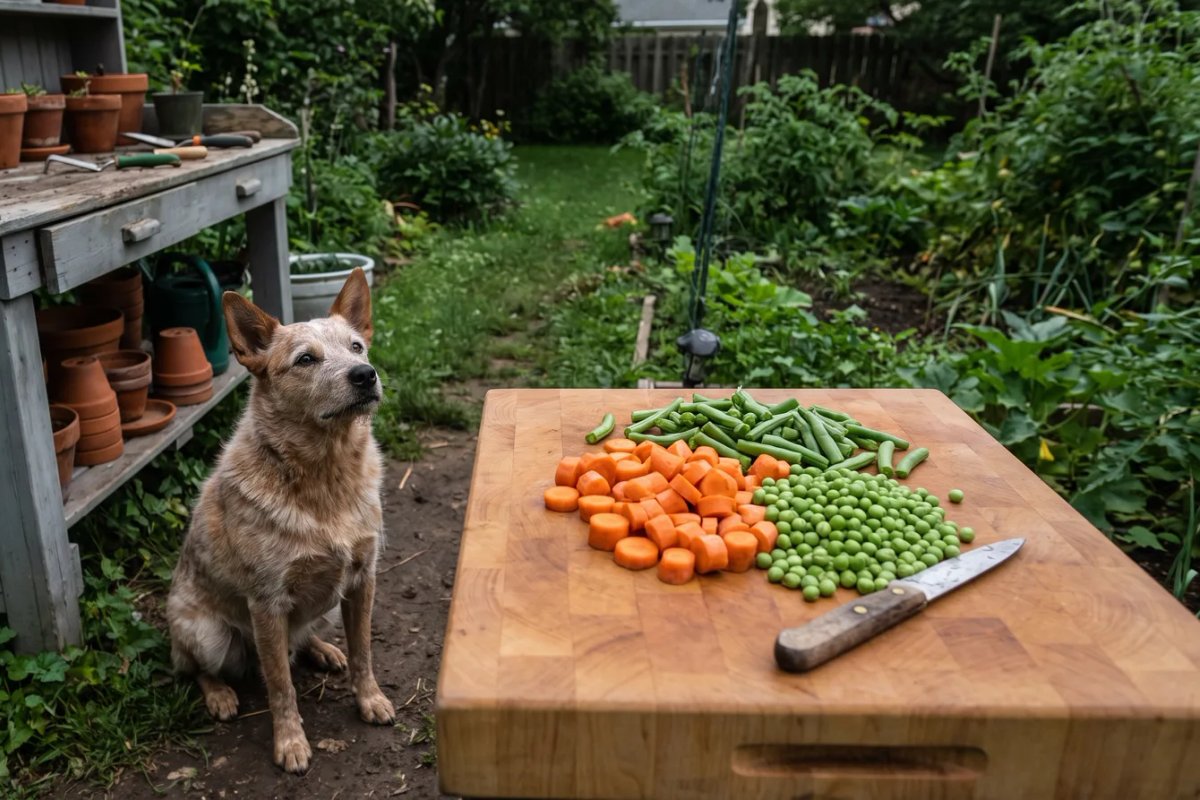
Carrots
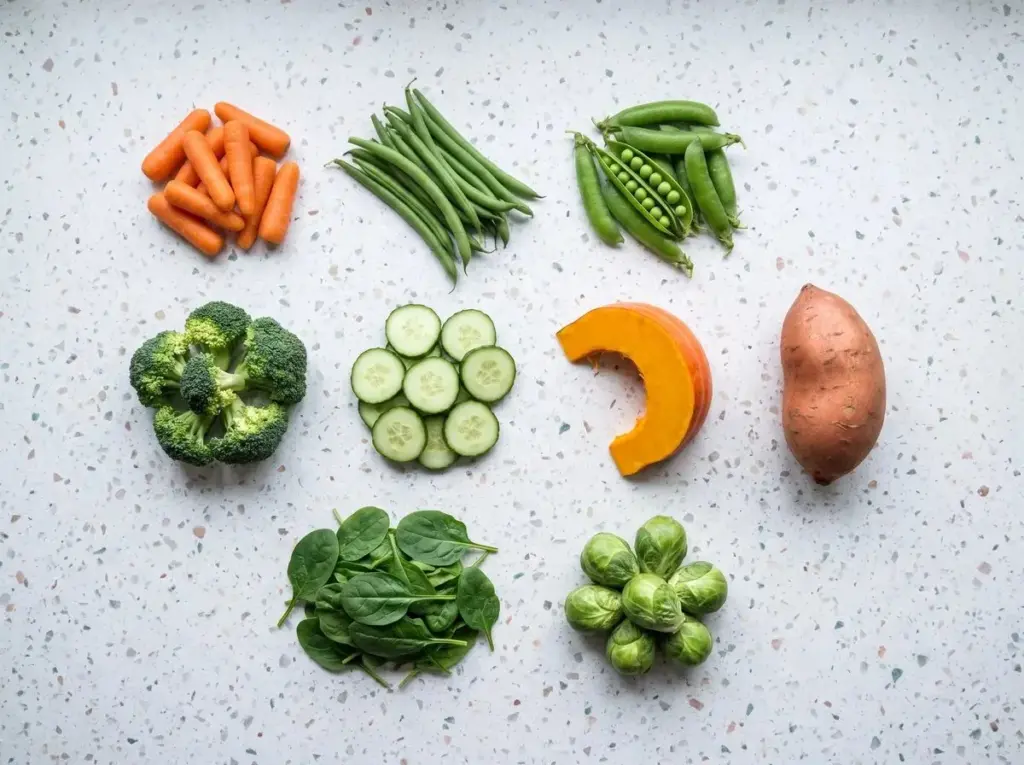
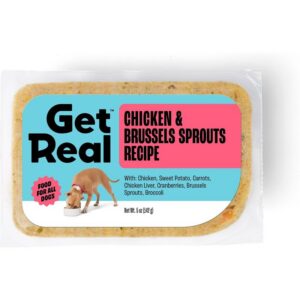
Carrots are widely considered one of the easiest introductory vegetables for dogs. Raw carrot sticks provide a crunchy texture that many dogs enjoy, while steamed carrot coins offer a softer option for senior dogs or pets with dental issues. A whole baby carrot contains only a few calories, making it an ideal low-calorie reward.
- Portions by Dog Size: For small dogs weighing under 20 pounds, a safe starting portion is one to two baby carrots. Medium dogs weighing 20 to 50 pounds can receive two to four baby carrots, while large dogs over 50 pounds can be offered four to six baby carrots.
- Preparation & Cautions: Carrots should always be cut into coins or thin lengthwise strips for smaller dogs. Serving whole baby carrots to toy breeds creates a choking hazard if swallowed whole.
Green Beans
Plain green beans are another low-calorie favorite among veterinarians, particularly for dogs enrolled in weight reduction programs. Steamed or raw green beans add dietary volume to help a dog feel full without significantly increasing daily caloric intake. Plain frozen green beans can also be served directly from the bag as a cool treat during warm weather.
- Portions by Dog Size: Small dogs can be served one to two tablespoons, medium dogs two to four tablespoons, and large dogs one-quarter to one-half cup.
- Preparation & Cautions: Green beans should always be plain. Canned green beans containing added sodium or seasonings should be strictly avoided.
Peas
Green peas, sugar snap peas, and snow peas are safe for most dogs when served in small amounts. Fresh, cooked, or thawed frozen peas are easily scattered over a dog’s regular meal.
- Portions by Dog Size: Small dogs should start with one tablespoon, medium dogs with one to two tablespoons, and large dogs with two to three tablespoons.
- Preparation & Cautions: Avoid canned peas packed with added sodium. Because peas contain higher concentrations of starch and calories than green beans, portions should remain modest.
Sweet Potato
Sweet potato is a familiar staple in commercial pet foods due to its rich vitamin profile and digestibility when cooked. It is denser in calories than leafy greens or watery vegetables, requiring smaller portion sizes.
- Portions by Dog Size: Small dogs should receive no more than one to two teaspoons, medium dogs roughly one tablespoon, and large dogs up to two tablespoons.
- Preparation & Cautions: Sweet potatoes must always be baked, boiled, peeled, and mashed or cubed. They should never be fed raw, as raw sweet potato is difficult to chew, tough to digest, and poses an intestinal blockade risk.
Pumpkin
Plain cooked or canned pumpkin is widely recognized for supporting gastrointestinal regularity due to its soluble fiber content. A small spoonful mixed into kibble can help soothe mild digestive variations.
- Portions by Dog Size: Small dogs can start with one to two teaspoons, medium dogs with one tablespoon, and large dogs with two tablespoons.
- Preparation & Cautions: Pet owners must use 100 percent pure canned pumpkin or plain cooked pumpkin. Commercial pumpkin pie filling must never be fed to dogs, as it contains added sugars, fats, and spices like nutmeg, which can be harmful.
Broccoli
Broccoli florets supply nutritious vitamins, but cruciferous vegetables require careful portioning. Broccoli contains isothiocyanates, natural plant compounds that can cause mild to severe gastric irritation if consumed in excessive quantities.
- Portions by Dog Size: Small dogs can be offered one to two small florets, medium dogs two to three florets, and large dogs three to five florets.
- Preparation & Cautions: Steaming broccoli florets makes them far easier to digest. Because broccoli frequently causes gas, it should be introduced gradually and kept to small amounts.
Brussels Sprouts
Like broccoli, Brussels sprouts are dense in nutrients but belong to the cruciferous family, meaning they readily induce flatulence and digestive upset if overfed.
- Portions by Dog Size: Small dogs should be limited to half a sprout, medium dogs to one sprout, and large dogs to one or two sprouts.
- Preparation & Cautions: Sprouts should be thoroughly steamed and halved or quartered before serving.
Spinach
Spinach contains beneficial iron and antioxidants, but it also contains high levels of oxalates—compounds that can interfere with calcium absorption and contribute to the formation of calcium oxalate bladder stones in vulnerable animals.
- Portions by Dog Size: Small dogs can receive a few chopped leaves, medium dogs a small handful, and large dogs a standard handful.
- Preparation & Cautions: Spinach should be treated as an occasional treat rather than a daily diet staple. It should be omitted entirely from the diet of any dog with a history of bladder stones or renal issues.
Cucumber
Composed primarily of water, raw cucumber slices are low in calories and carbohydrate content, making them a safe, hydrating snack for almost any healthy dog.
- Portions by Dog Size: Small dogs can safely eat one to two thin slices, medium dogs two to four slices, and large dogs four to six slices.
- Preparation & Cautions: Cucumbers should be washed thoroughly and peeled if the outer skin has been waxed.
Toxic Vegetables and Emergency Risks to Avoid
While many vegetables are benign, several household produce items are toxic to canine biology. Pet owners must remain vigilant to prevent accidental exposure to plants in the Allium genus, wild mushrooms, and toxic nightshades.
The Allium Family: Onions, Garlic, Leeks, and Chives
Onions, garlic, leeks, chives, and shallots represent a significant hazard to dogs. According to toxicological data from the ASPCA Animal Poison Control Center and the Merck Veterinary Manual, allium species contain sulfur compounds that cause oxidative damage to a dog’s red blood cells. This damage leads to Heinz body formation, causing the red blood cells to rupture prematurely—a condition known as Heinz body hemolytic anemia.
All forms of alliums are hazardous, whether raw, cooked, dehydrated, or ground into powder. Consequently, table foods seasoned with garlic powder or onion soup mixes, including gravies, processed meats, and baby foods, carry substantial toxicity risks.
Signs of allium poisoning may not appear immediately; clinical symptoms frequently take several days to develop. Symptoms include:
- Persistent vomiting and excessive drooling
- Pale or bluish gums
- Lethargy, weakness, and collapse
- Elevated heart rate and rapid breathing
- Reddish or dark-brown urine
If a dog consumes any allium vegetable, prompt veterinary intervention is required. Pet owners can contact their local veterinarian or the ASPCA Animal Poison Control Center at (888) 426-4435 for immediate guidance.
Wild Mushrooms
Store-bought plain mushrooms (such as white button mushrooms) are generally considered non-toxic to dogs. However, wild mushrooms growing in yards, fields, or along walking trails pose grave risks. Toxic wild mushroom species can induce acute liver failure, severe neurological trauma, or kidney collapse. Because identifying wild mushroom species accurately is difficult, any ingestion of wild fungi should be treated as a medical emergency, and owners should bring a sample or photograph of the mushroom to the emergency clinic.
Raw Potatoes and Tomato Vines
Uncooked, raw white potatoes contain solanine, a glycoalkaloid compound that can cause gastrointestinal distress and neurological depression. While plain, fully cooked white potatoes are safer, raw potatoes are difficult to digest and should be avoided. Similarly, while ripe tomato fruit is generally safe in small quantities, the green parts of the tomato plant—including stems and leaves—contain solanine and demissine, which can induce severe illness in dogs.
Preparation Techniques: Plain, Cooked, and Properly Sized
Properly preparing vegetables for dogs involves four fundamental principles: keep them plain, cook when necessary, cut into small portions, and eliminate all seasonings.
Steaming is widely regarded by veterinary nutritionists as the optimal cooking method for canine vegetable prep. Steaming softens tough plant cellular walls and fibers, rendering nutrients more bioavailable and reducing digestive strain. Unlike boiling, steaming preserves water-soluble vitamins without leaching them into cooking water, and unlike roasting, it requires no added oils or fats.
For senior dogs, toy breeds, or pets recovering from illness, mashing steamed sweet potato, pumpkin, or carrot coins provides a smooth texture that can be stirred directly into standard kibble.
When preparing family meals, dog owners should remove the dog’s vegetable portions before adding butter, salt, pepper, oils, onions, or sauces. High levels of fat and salt can trigger acute pancreatitis or gastrointestinal distress in sensitive dogs.
Raw vs. Cooked, Frozen, and Canned Options
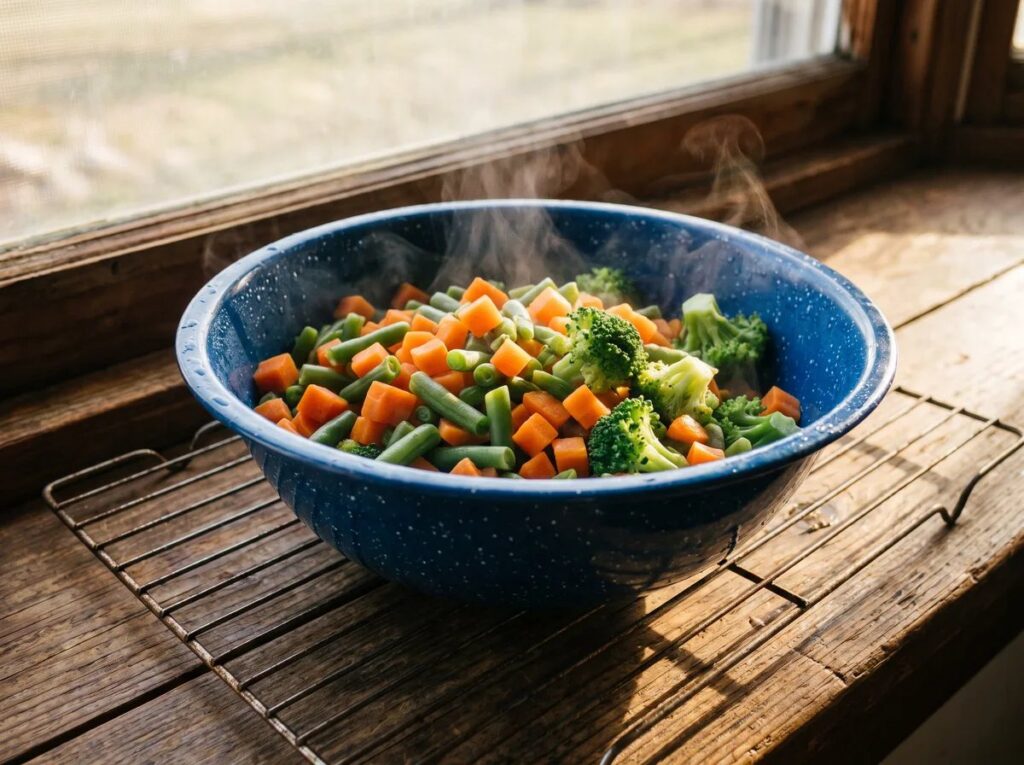
- Raw Vegetables: Crunchy vegetables like carrots, cucumbers, plain green beans, sugar snap peas, and small amounts of bell peppers can be safely served raw to most dogs, provided they are washed and chopped appropriately.
- Cooked Vegetables: Starchy or dense vegetables—including sweet potatoes, standard potatoes, broccoli, and Brussels sprouts—must always be thoroughly cooked to prevent choking and severe gas.
- Frozen Produce: Plain frozen green beans, carrots, and peas are convenient, budget-friendly options. They retain high nutritional value and serve as refreshing cold treats in warm months. Owners should review package labels carefully to ensure frozen vegetable mixes do not contain added salt, butter sauces, or chopped onions.
- Canned Produce: Canned vegetables often contain heavy amounts of added sodium used as a preservative. If using canned options, select products explicitly labeled "no added salt" or rinse the vegetables thoroughly under fresh water before serving.
Portion Control and Caloric Math: The 10 Percent Rule
Veterinary dietary standards established by organizations such as the World Small Animal Veterinary Association (WSAVA) emphasize that all treats, table scraps, and dietary extras must be limited to no more than 10 percent of a dog’s daily caloric allowance. The remaining 90 percent of daily calories must come from a complete and balanced diet to prevent nutritional imbalances or deficiencies over time.
Calculating a dog’s treat budget requires looking at its Resting Energy Requirement (RER), which can be determined using standard formulas provided in the Merck Veterinary Manual. Below are typical caloric baselines and maximum treat allocations for adult spayed or neutered dogs:
- Small Dog (10 lb): Requires approximately 200 total calories per day. Maximum treat allowance: 20 calories.
- Medium Dog (30 lb): Requires approximately 450 total calories per day. Maximum treat allowance: 45 calories.
- Large Dog (70 lb): Requires approximately 850 total calories per day. Maximum treat allowance: 85 calories.
Caloric density varies significantly across different vegetables. According to data from the USDA FoodData Central database, a half-cup of plain cooked green beans provides roughly 20 calories, whereas an equivalent portion of cooked sweet potato delivers a much higher caloric load. Consequently, green beans and cucumber slices can be served in larger physical volumes without exceeding treat limits, whereas sweet potato, pumpkin, and peas must be measured strictly.
Beyond caloric limits, excessive vegetable intake can cause digestive upset. Consuming too much dietary fiber in a single sitting can lead to abdominal cramping, flatulence, hypermotility, and loose stools.
Vegetables in Formulated Commercial Diets
When reviewing commercial pet food packaging—particularly fresh, gently cooked options—pet owners often observe safe vegetables listed prominently alongside high-quality proteins.
There is an important distinction between adding home-cooked vegetables on top of a meal versus feeding a commercial formula that contains vegetables. When an owner adds raw carrots to a bowl of kibble, those carrots represent dietary extras that must fall within the 10 percent treat ceiling. However, when vegetables are formulated directly into an Association of American Feed Control Officials (AAFCO) balanced diet, those ingredients form part of the calibrated nutrient ratio and fall within the 90 percent core diet requirement.
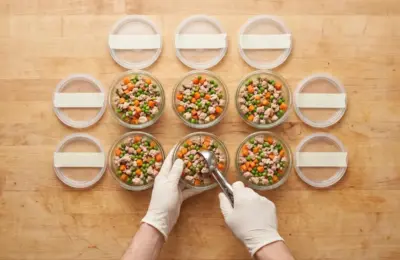
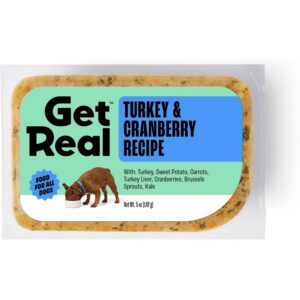
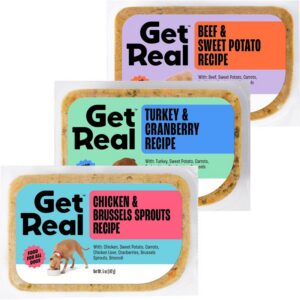
Formulated fresh pet food lines demonstrate how vegetables function as integral ingredients rather than optional toppings. For example, Chewy’s gently cooked fresh dog food line, Get Real (sponsored), utilizes safe produce directly within complete meals designed for all life stages:
- Get Real Beef & Sweet Potato Recipe: Combines beef, sweet potato, beef liver, carrots, Brussels sprouts, and spinach with essential vitamins and minerals. The inclusion of four safe vegetables provides natural fiber and moisture within an AAFCO-compliant nutrient profile suitable for all life stages, including large-breed growth.
- Get Real Chicken & Brussels Sprouts Recipe: Incorporates gently cooked Brussels sprouts and poultry into a complete, pre-portioned formula for dogs that thrive on chicken-based proteins.
- Get Real Turkey & Cranberry Recipe: Blends turkey with safe produce choices to offer a third balanced protein variation.
These gently cooked fresh foods—made with ten or fewer primary ingredients plus essential micronutrient premixes—arrive frozen and can be fed as complete standalone meals or used as balanced meal mixers over kibble. Pre-portioned packs (ranging from 5-ounce mixer sizes to 12-ounce and 24-ounce meal packs) allow pet owners to incorporate prepared produce without guessing daily nutrient proportions.
When introducing any fresh commercial diet or new food, veterinarians advise a gradual 7-to-10-day transition period (extending to 10 to 14 days for dogs with sensitive digestive tracts) to prevent acute stomach upset. Frozen fresh food packs should be thawed in the refrigerator—requiring 12 to 24 hours for smaller packs and 35 to 48 hours for 24-ounce options—and used within three to five days of thawing.
Daily Feeding Protocols and Medical Considerations
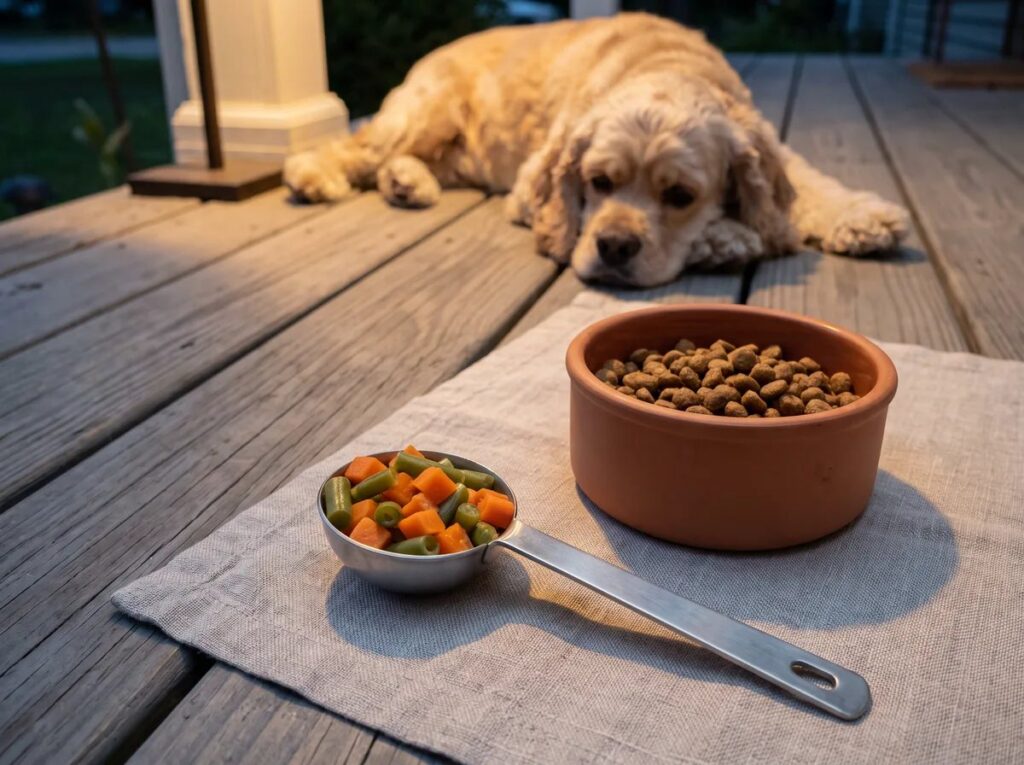
For healthy dogs, low-calorie, easily digestible vegetables such as plain carrots, green beans, and cucumber slices can be shared on a daily basis, provided total treat calories remain within the 10 percent budget. Daily vegetables should enhance a pet’s life without displacing its balanced food.
However, daily produce extras are contraindicated for dogs managing specific medical conditions. Pets diagnosed with chronic kidney disease, diabetes mellitus, recurrent urinary bladder stones, severe food allergies, or gastrointestinal disorders are frequently prescribed specialized therapeutic diets. For these animals, adding extra vegetables can disrupt precise mineral ratios or exacerbate clinical conditions.
For instance, spinach contains oxalates that can trigger calcium oxalate stone formation in susceptible breeds, while starchy vegetables like sweet potatoes can complicate blood glucose management in diabetic pets. Owners of pets with chronic health issues should always consult their veterinarian before introducing any fresh food items.
Frequently Asked Questions
What vegetables are good for dog breath?
Crunchy raw carrots and cucumber slices can help freshen a dog’s breath temporarily by scraping surface plaque from teeth and stimulating saliva production. However, raw vegetables do not replace formal dental hygiene practices, such as daily toothbrushing with dog-safe toothpaste and professional veterinary dental cleanings. Persistent bad breath often signals underlying periodontal disease and should be evaluated by a veterinarian.
Can I feed my dog rice and veggies every day?
Feeding a home-prepared diet of plain rice and vegetables every day will lead to severe nutritional deficiencies over time. While a simple diet of boiled chicken and white rice is often recommended short-term by veterinarians to manage acute diarrhea, it lacks essential amino acids, fatty acids, calcium, phosphorus, and trace minerals required for long-term health. Long-term home-cooked diets must be formulated by a board-certified veterinary nutritionist.
What fruits are safe for dogs to eat?
Safe fruit choices include fresh blueberries, peeled apple slices (without seeds or core), plain bananas, cantaloupe, seedless watermelon, and plain cranberries served in moderation. Grapes and raisins are highly toxic to dogs and can cause acute renal failure even in tiny amounts. Like vegetables, safe fruits must be factored into the 10 percent treat budget.
What ingredients should never go into homemade dog food?
Homemade dog food must never include onions, garlic, leeks, chives, grapes, raisins, chocolate, macadamia nuts, coffee, alcohol, artificial sweeteners like xylitol, or cooked bones (which can splinter and puncture the GI tract). Additionally, excess salt, butter, oil, and heavy fat trimmings should be avoided to prevent acute pancreatitis.
Can dogs eat apples?
Yes, apples are a healthy, low-fat treat rich in fiber and vitamin C. Owners must carefully remove the stem, core, and all seeds before offering apple slices to a dog. Apple seeds contain cyanogenic glycosides (compounds that release cyanide when chewed), and the tough central core poses a choking hazard.
What raw vegetables can dogs eat safely?
Raw carrots, raw cucumber slices, plain green beans, sugar snap peas, and small pieces of sweet bell peppers are safe raw snacks for most healthy dogs. They should always be washed thoroughly and chopped into bite-sized pieces appropriate for the dog’s size. Dense or starchy vegetables like sweet potatoes and white potatoes should never be served raw.