

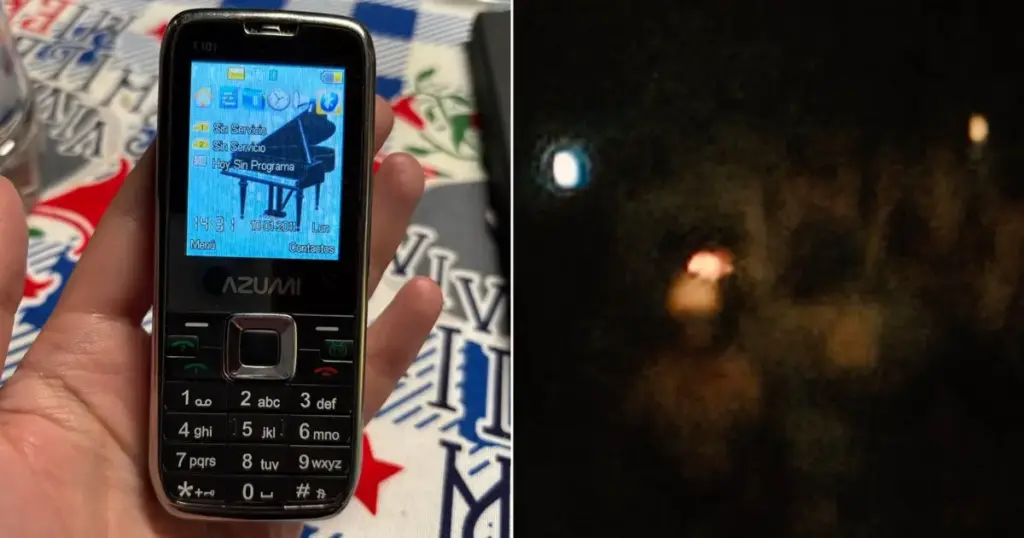
Back in 2010, the entire world stood still, watching and waiting as 33 miners were trapped half a mile beneath the parched surface of Chile’s Atacama Desert. For 69 days, these men faced absolute darkness, staggering psychological stress, and the agonizing, persistent expectation of death. The harrowing ordeal—and the massive global mobilization it sparked—is now being examined through a deeply intimate and fresh lens in a new three-part National Geographic documentary series titled Chilean Mine Rescue: Race Against Time.
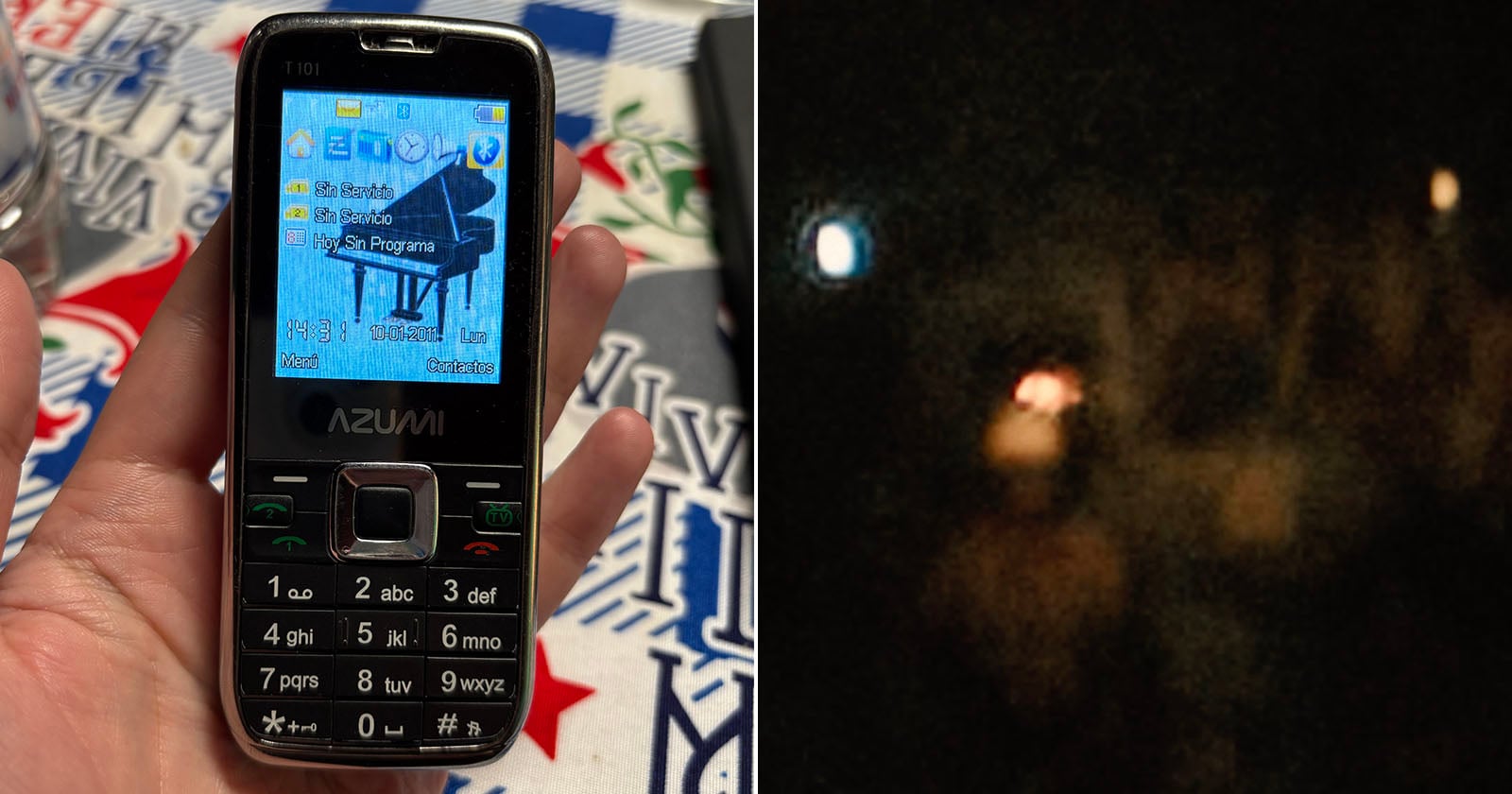
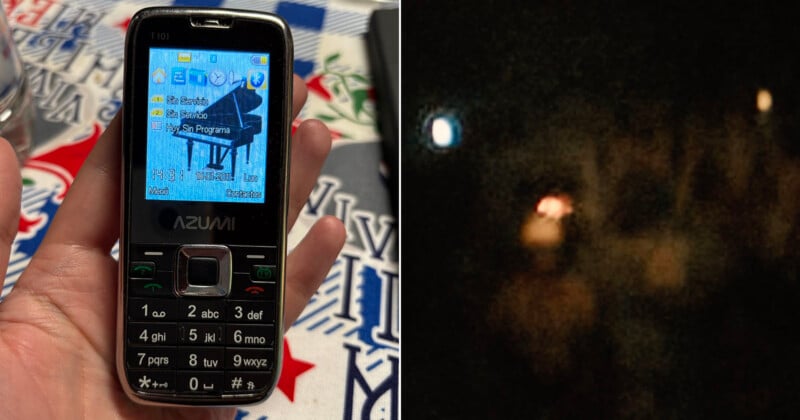
Serving as the latest installment in National Geographic’s Emmy Award-winning "Race Against Time" franchise, the new miniseries offers audiences something entirely unprecedented: never-before-seen footage shot directly by the trapped miners themselves, using primitive mobile phones nearly half a mile beneath the earth. While the video quality stands in stark contrast to modern smartphones, these legacy devices captured the raw, unfiltered collective dread of 33 men grappling with their mortality, all while deeply worried loved ones waited anxiously above ground.
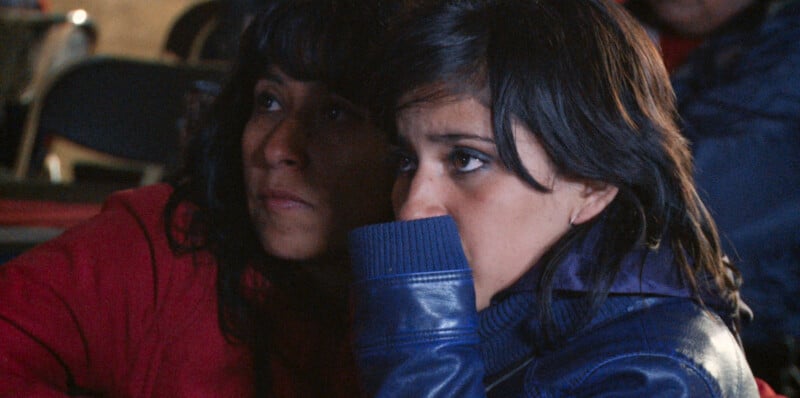
For the first 17 days following the catastrophic collapse, complete uncertainty reigned above the surface. No one knew whether the miners had survived the initial disaster, and many feared the worst. Yet, the global community remained united in desperate hope. When the miners were finally brought back to the surface after more than two months underground, an estimated one billion people tuned in live from their homes, making it one of the largest live television audiences in human history. Now, Chilean Mine Rescue: Race Against Time invites viewers to revisit this historic event through fresh eyes and innovative perspectives that were simply impossible to achieve back in 2010.
Crafting a Definitive Account from Vast Archival Material
PetaPixel spoke with the miniseries’ co-directors, Emmy winner James Parris and Chloe Campbell, to discuss the monumental challenge of condensing 70 days of extensive archival footage and blending it with intimate, newly recorded interviews featuring the survivors, their families, and the dedicated rescue workers who fought tirelessly to bring them home.
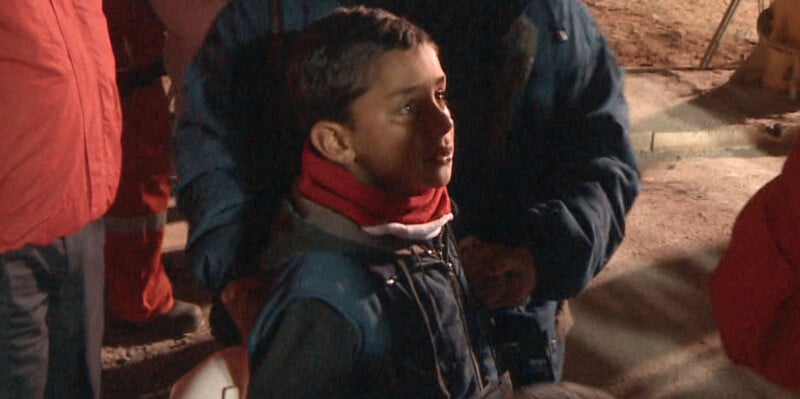
"I think approaching stories like this, it always demands an incredible focus on the archival material that you have to play with," Parris tells PetaPixel. "I mean, in this particular case, the event was viewed by literally billions of people around the world and there were cameras from day one until the very end. And we’re talking about an extensive period of time. So the amount of archival material we knew going into this, was going to be vast."
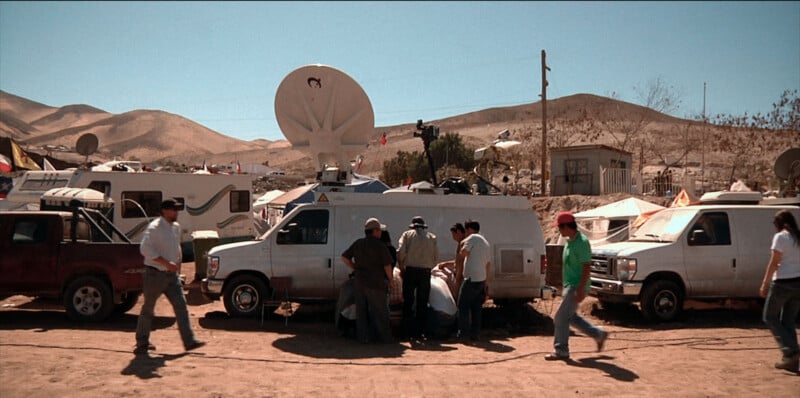
Parris notes that while documentary filmmakers often pick up a camera to capture events firsthand, tackling a story already embedded in history requires complete reliance on the visual records left behind by those who came before. Despite anticipating an enormous cache of material, Parris admits he was still entirely baffled by the sheer volume of archival footage available for review.
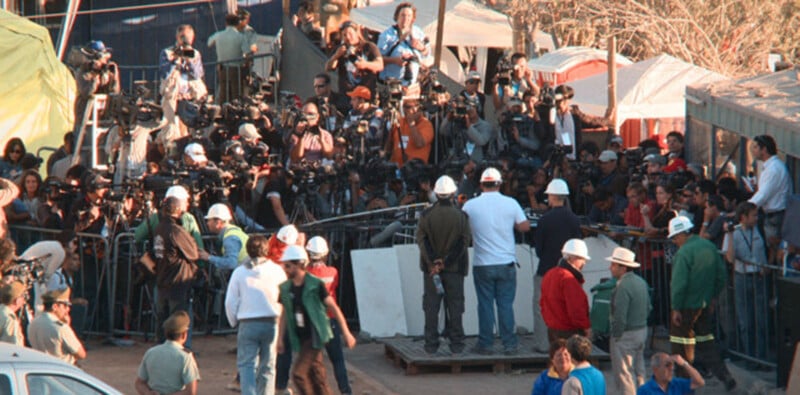
"We can’t broadcast something that’s 69 days long," explains co-director Chloe Campbell. "You’re always having to make very difficult choices. We hope this feels like the definitive telling of the story."
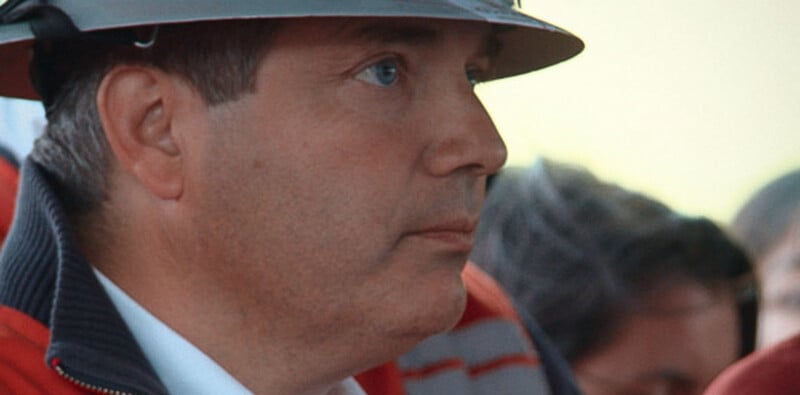
Campbell emphasizes that part of the unique magic of documentary storytelling lies in helping audiences—even those who vividly remember living through the event—experience and understand it in an entirely new way. However, tackling a narrative of this magnitude, which received continuous global news coverage for months, also carries a profound sense of responsibility.
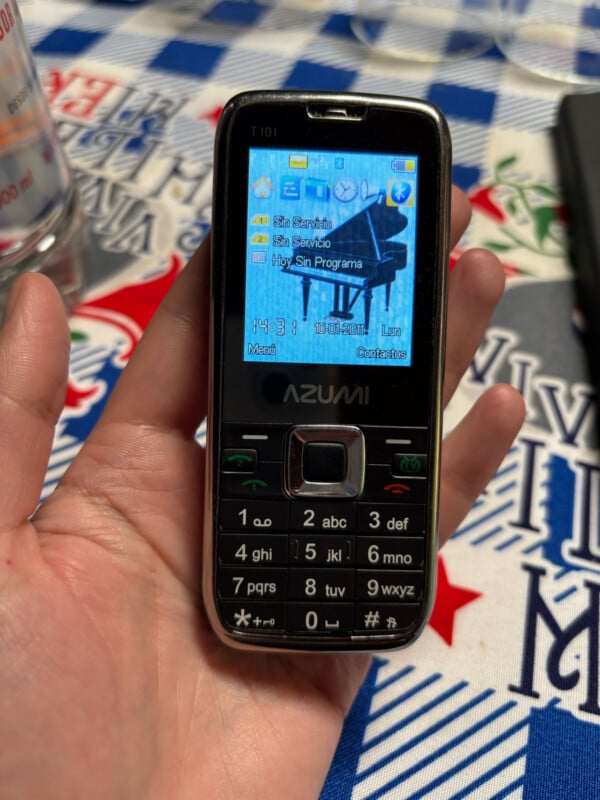
Unearthing Cellphone Footage Captured Half a Mile Underground
Parris echoes this sentiment, particularly regarding the discovery of the miners’ personal cellphone recordings. The footage, captured entirely by the trapped men, has never been shared publicly before the upcoming premiere.
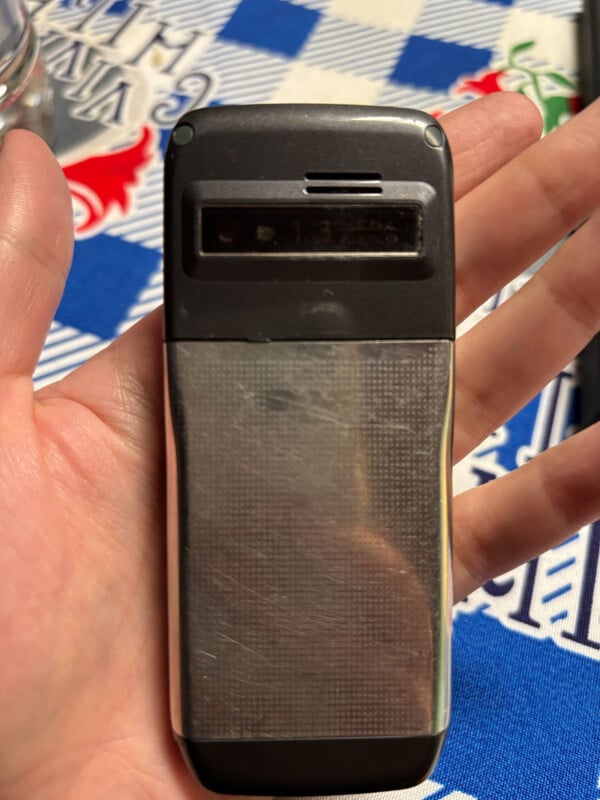
"I think with footage like that, you have to handle it with such extreme care because you’re looking at these—I mean, really, scraps. There was about five or six minutes of material that was shot in those first 17 days," Parris says. "You have to handle it with such care, with an eye to the fact that when the person was holding that camera, they were filming with a certain state of mind. And that state of mind in this particular case was we’re filming almost certain that we will not survive this."
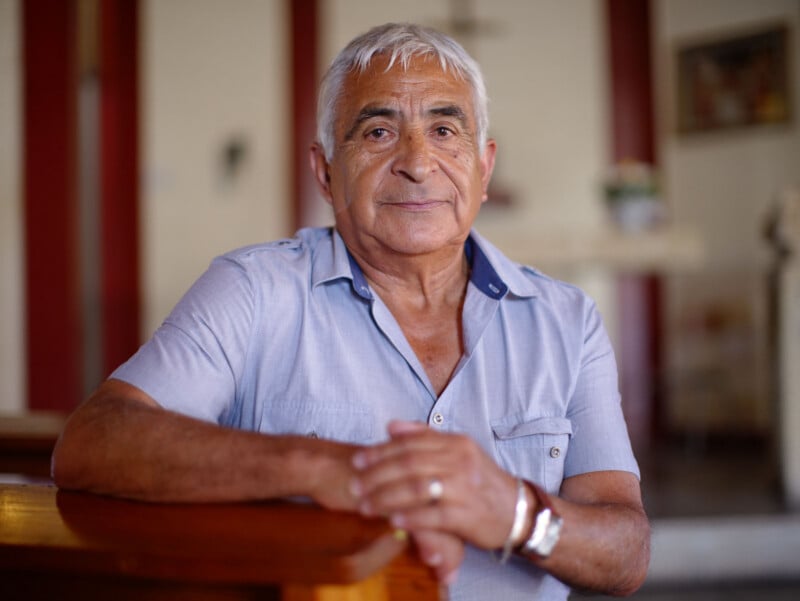
Parris points out that these recordings were made by individuals who genuinely believed they were documenting their final moments, intending the video clips to serve as a last message for their families in the event that their bodies were ever recovered. To honor the gravity of these recordings, the production team chose not to chop up the clips and scatter them randomly throughout the episodes. Instead, the footage is presented essentially whole, interspersed carefully with relevant contemporary interviews.
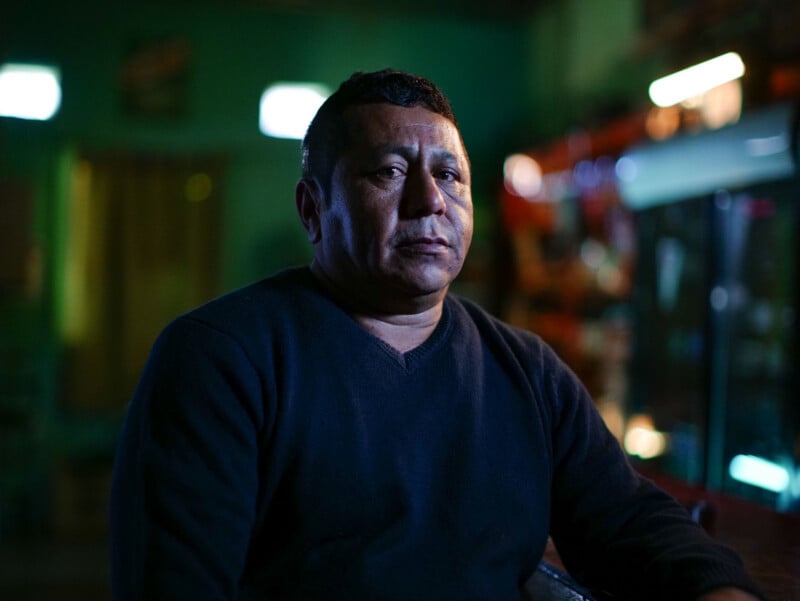
"The archival footage is demanding of you that you take a step back as a filmmaker, and let the people who are filming tell their story," Parris notes.
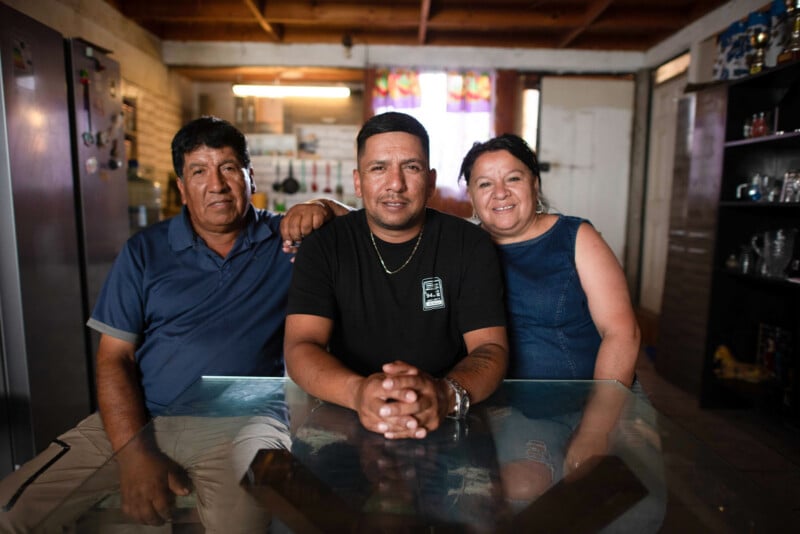
Throughout the production, respecting the original context of diverse archival sources remained a guiding principle. Campbell reveals that acquiring the cellphone footage was far from straightforward. The production team experienced numerous nail-biting moments where recovery seemed within reach, only for technical hurdles to threaten the effort. It wasn’t until they actually laid eyes on the successfully extracted files that the team could truly celebrate.

This newly recovered cellphone footage infuses a fresh layer of deep intrigue and emotional suspense into a narrative that many viewers already know the outcome of. While the historical reality of the rescue is common knowledge—a testament to human perseverance and collaborative ingenuity under impossible conditions—the live experience of the crisis was defined by agonizing doubt. The documentary recaptures that suspense through period interviews alongside reflections from survivors sixteen years later, with the raw cellphone recordings providing the most powerful connection possible to the miners’ subterranean reality.
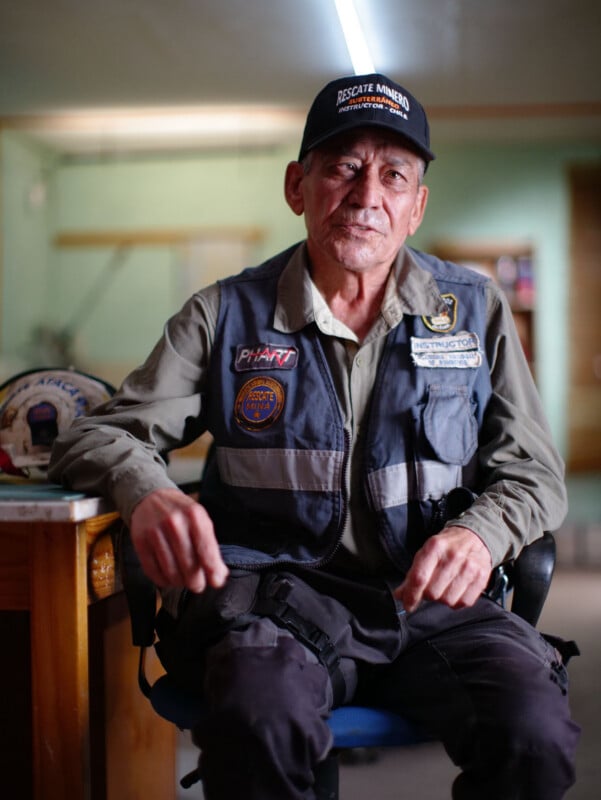
Re-examining a Story the World Thought It Knew
Campbell notes that the production crew debated daily on how to craft a compelling, dramatic narrative about an event that had already been broadcast worldwide for over two straight months.
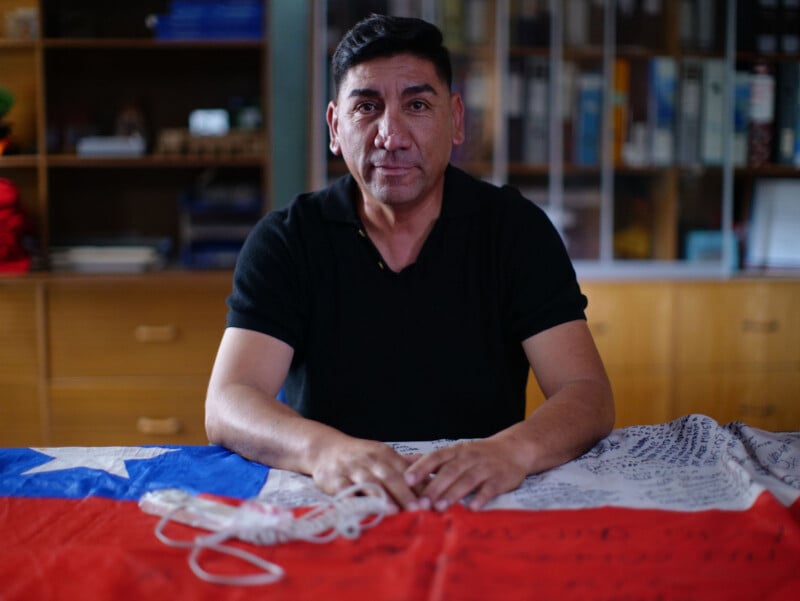
"It’s a tricky one," Campbell admits. "You have to make sure that there is enough story and emotion and personal character story within every episode, within every act of every episode to carry an audience through who knows the ending. We had rich characters and amazing worlds to build in abundance. But it is a delicate balance. There’s no, there’s definitely no crib sheet for it."
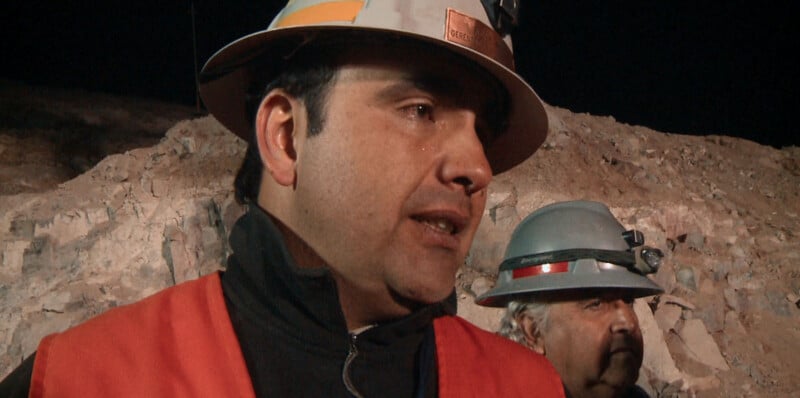
For Parris, however, knowing the ultimate resolution of the story lifted a certain narrative pressure. "You don’t have to hide some grand twist," he observes. "The collective understanding, walking into a storytelling space where you basically know how this is going to end, allows much more intricacy in the journey to that point."
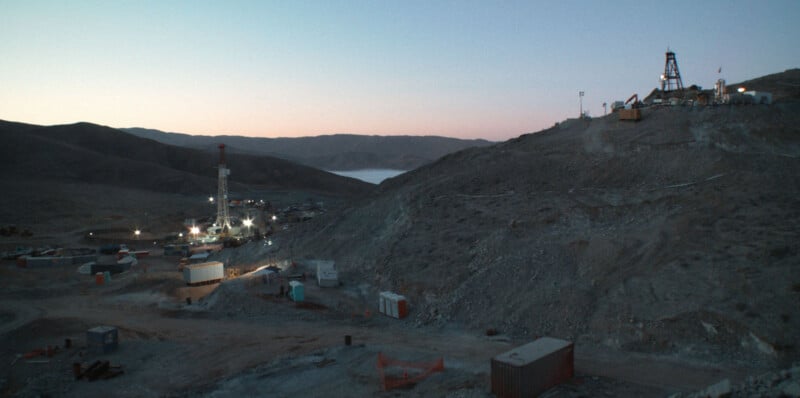
Rather than manufacturing artificial suspense around the final rescue, Parris and Campbell were free to explore creative, previously overlooked storylines and re-evaluate the event from a place of historical distance. While Parris occasionally found himself wishing contemporary camera crews had documented specific angles around the drill site during the frantic rescue operation, he quickly realized that the vast archival archive usually held the answer.
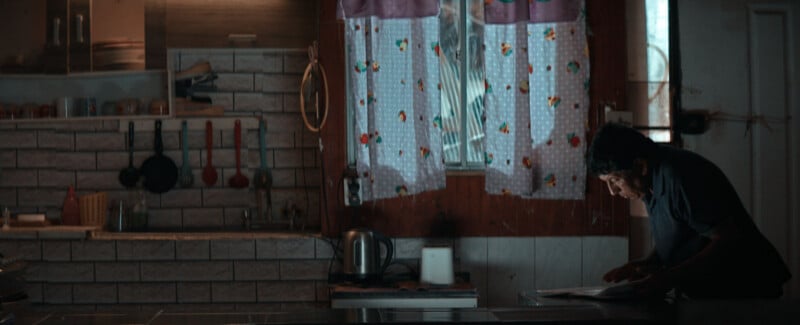
"10 minutes later, in this vast body of rushes we had access to, that shot would turn up," Parris recalls. "Rather than trying to weave a story from scratch, this felt like we were trying to wade through a sea of footage and inevitably, somewhere within it would be exactly what we needed at that moment to tell the story. And there was a great enjoyment in that treasure hunting process here."
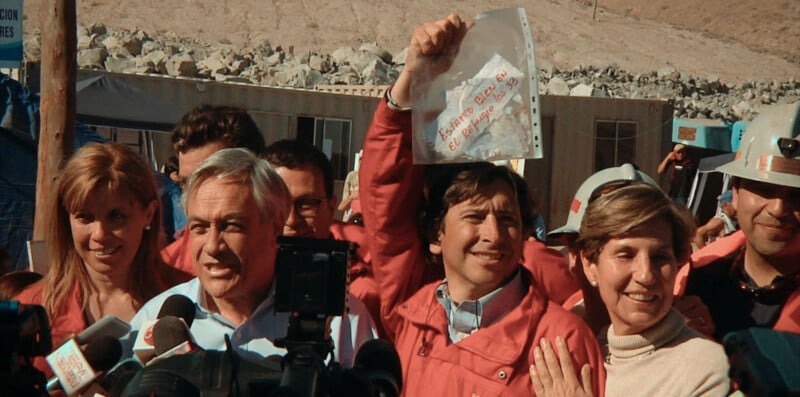
Chilean Mine Rescue: Race Against Time premieres tomorrow, September 25, on National Geographic at 8 PM EDT, with streaming availability on Disney+ and Hulu the following day.