

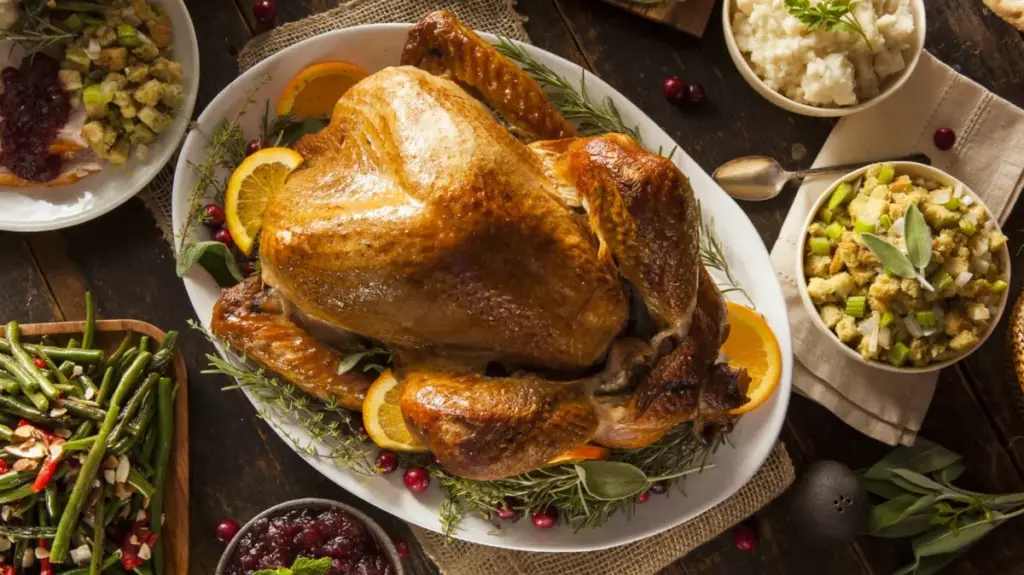
Cooking a whole turkey is widely regarded as one of the ultimate culinary tests for home cooks and seasoned chefs alike. Between navigating the complexities of choosing the right weight for a gathering, precisely calibrating oven temperatures, and monitoring exact cooking times, there are numerous variables that can easily overwhelm even the most confident kitchen enthusiast. Yet once those foundational logistical hurdles are cleared, the real work of culinary elevation begins. Home cooks continually search for innovative ways to upgrade both the texture and the flavor profile of their holiday centerpiece, moving beyond basic butter and salt toward more dynamic flavor enhancements. Among the most effective techniques for achieving a succulent, flavorful roast is basting, a process that becomes exponentially more impactful when utilizing alcoholic beverages like beer or wine.
For generations, culinary traditions have leaned heavily on traditional fats like butter, oil, and accumulated pan juices to keep holiday poultry from drying out during the hours it spends in the oven. However, incorporating beer or wine into the basting liquid introduces a powerful dynamic that standard fats simply cannot match. According to culinary experts, the inherent acidity found in wine plays a crucial chemical role during the roasting process. This natural acidity works to actively break down tough protein fibers within the turkey meat, resulting in a significantly more tender, moist, and juicy final product. Furthermore, the complex flavor compounds present in wine penetrate the meat, offering a sophisticated depth that elevates the entire dish from a standard holiday meal to a memorable dining experience.
Similarly, beer-infused basting liquids offer a dual benefit that addresses both texture and taste. As the beer is applied and reduced in the roasting pan, it continually supplies vital moisture to the turkey throughout the lengthy roasting cycle, preventing the lean breast meat from drying out. At the same time, the beverage imparts a savory, nuanced flavor profile to the poultry. Beyond moisture and flavor, the natural sugars contained within beer play a vital role in achieving the holy grail of turkey roasts: a deeply golden, exceptionally crispy, and caramelized skin. As these sugars caramelize under the intense heat of the oven, they react with the proteins on the surface of the bird, creating a rich exterior texture that contrasts brilliantly with the tender meat beneath.
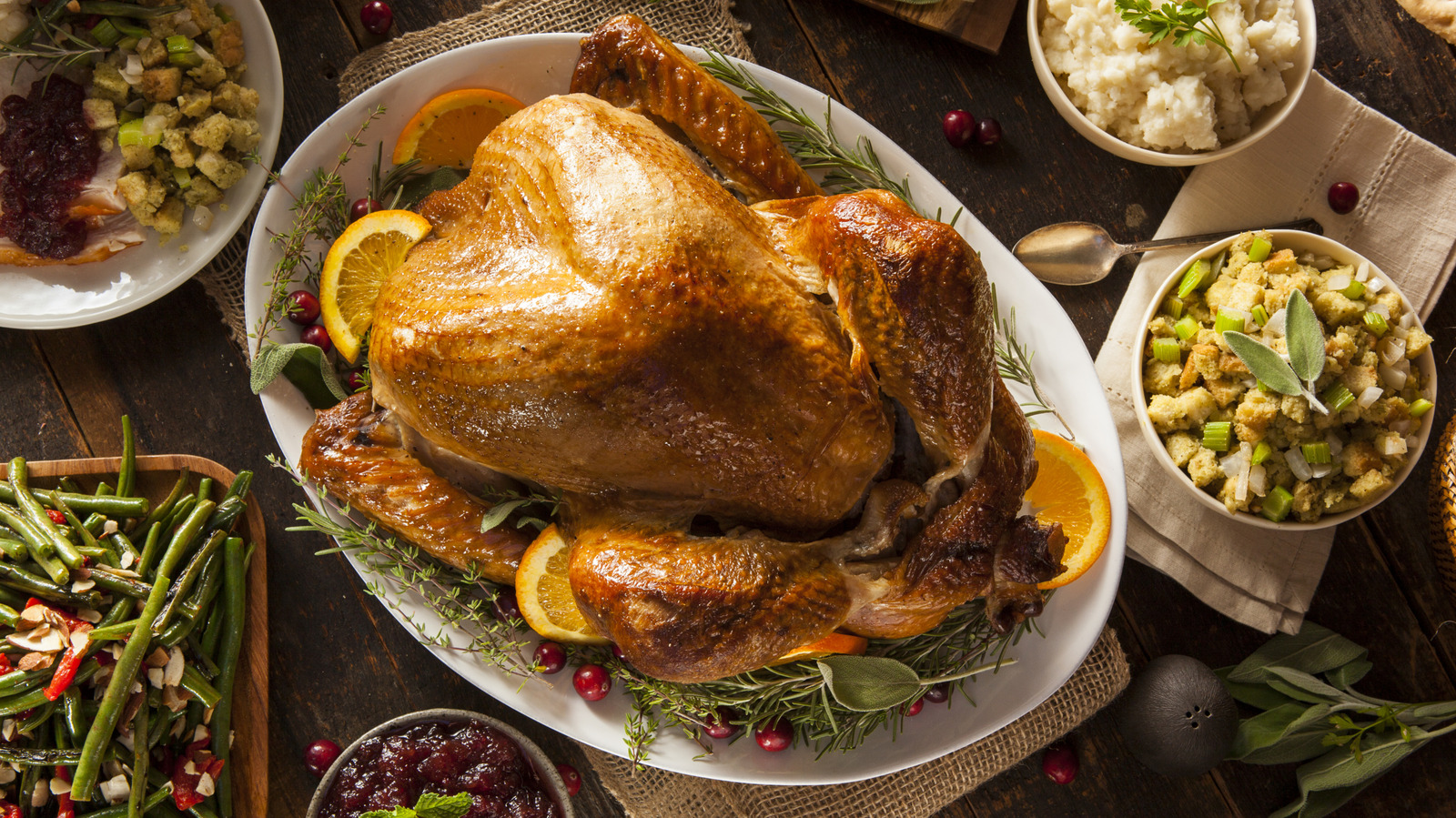
The advantages of this technique extend well beyond the immediate presentation of the carved turkey on the dining table. Utilizing a thoughtfully chosen beer or wine as part of the roasting and basting liquid creates a remarkably rich and complex foundation for pan drippings. This flavorful base transforms the process of preparing homemade Thanksgiving gravy, ensuring that the resulting sauce is deeply savory and aromatic. Elevating the gravy in this manner acts as a natural complement to other advanced culinary adjustments, such as incorporating a splash of bourbon into the gravy boat just before serving, a move that has increasingly become a hallmark of top-tier holiday cooking. By rethinking the liquid used to nurture the bird while it roasts, cooks can systematically improve multiple components of the holiday feast simultaneously.
How to Baste Turkey With Beer or Wine
Implementing this technique does not require specialized culinary equipment or difficult-to-find ingredients. To get started, a cook simply needs a reliable basting tool, such as a traditional bulb baster or a large spoon, alongside a carefully selected alcoholic beverage. The choice of beverage dictates the final flavor direction of the meal, allowing hosts to tailor the roast to their specific preferences and complementary side dishes. When opting for wine, white varieties such as a crisp Sauvignon Blanc provide a bright, clean, and slightly fruity flavor profile that cuts through the inherent richness of the poultry. Alternatively, choosing a robust red wine like a Merlot can introduce a heavier, earthier depth that resonates with traditional autumn and winter flavor notes.
The selection process for beer is similarly versatile, offering options that range from subtle to bold. Pale ales and blonde ales are widely recognized as reliable companions for poultry, providing a balanced bitterness and maltiness that enhances rather than overpowers the natural flavor of the turkey. Traditional lagers also perform exceptionally well during long roasting cycles. For those looking to experiment with more unique flavor profiles, spiced seasonal ales can introduce festive aromatic notes to the roasting pan, while dark stouts deliver a heavy, robust character that deeply colors and flavors both the meat and the resulting drippings.
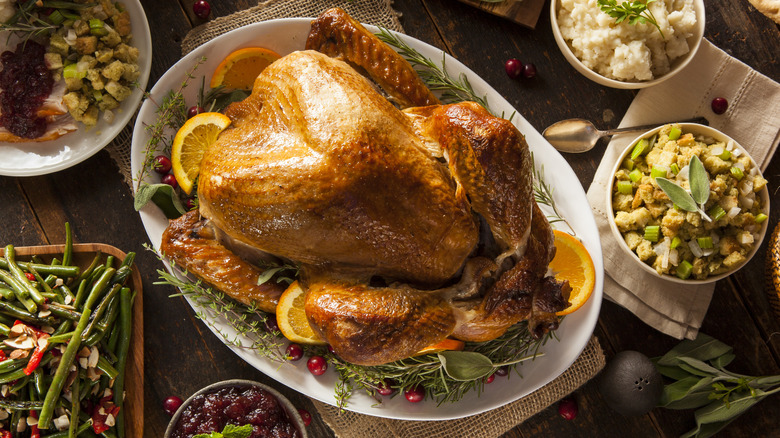
Executing the basting process requires a balance of timing and temperature management to ensure optimal results. The standard method involves pouring a measured amount of the chosen beer or wine directly into the bottom of the roasting pan around the turkey at the very beginning of the cooking process. As the bird roasts and the pan drippings accumulate, the cook periodically uses the baster to draw up the heated mixture of wine or beer, melted fat, and juices, redistributing it generously over the surface of the turkey. To amplify the richness of the dish and encourage even better browning, many cooks incorporate melted butter directly into the pan liquid, combining the fat-soluble flavor compounds with the acidity and sugars of the booze.
While some culinary authorities advocate for basting the turkey with beer or wine every single hour to maximize moisture retention and flavor infusion, the practice is not without its detractors in the professional culinary world. A distinct faction of chefs advises caution, noting that frequently opening the oven door causes significant drops in ambient cooking temperature, which can prolong the overall roasting time and potentially lead to uneven cooking. For home cooks who wish to avoid opening the oven repeatedly—or for those who want to ensure the meat is deeply seasoned throughout without surface interference—an alternative approach involves utilizing the beer or wine as a primary component of a pre-cooking turkey brine. Brining allows the flavors and tenderizing acids to penetrate deep into the muscle tissue before the bird ever enters the oven, offering a reliable path to a moist and flavorful holiday centerpiece.