

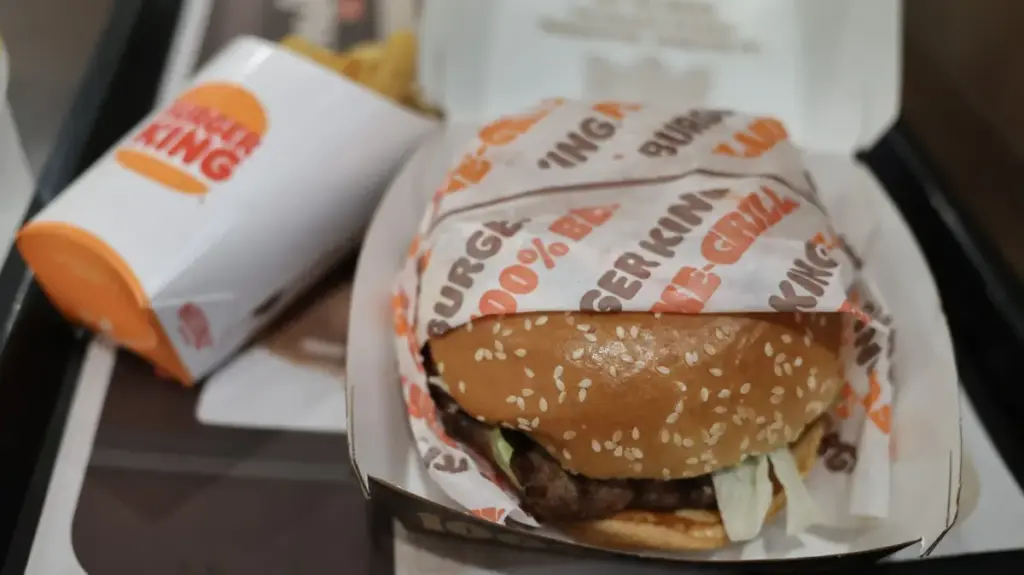
When fast food enthusiasts step up to a Burger King counter, the chain’s long-standing corporate slogan promises that patrons can truly "have it your way." For the vast majority of customers, this means standard customizations like adding extra cheese, removing the onions, or requesting an extra slice of tomato. However, for those in the know or those willing to experiment with regional American fast-food traditions, there is a very specific regional preparation known as ordering a Whopper "Utah-style."
This particular modification involves swapping out the standard condiments on Burger King’s signature flame-grilled hamburger for a beloved local staple: fry sauce. The distinctively creamy, tangy-sweet blend of ketchup and mayonnaise is virtually synonymous with the Beehive State. While fry sauce is traditionally served alongside french fries in diners, burger joints, and fast-food drive-thrus across Utah, it also serves as an exceptionally rich and flavorful burger topping. Although the sprawling menu of Burger King allows for a staggering number of ways to customize a Whopper, adapting it with this regional twist stands out as one of the easiest and most flavorful adjustments a diner can make.
The creation of the simple yet iconic condiment relies on a straightforward formulation, typically combining one part ketchup with two parts mayonnaise. The resulting mixture yields a characteristic pink-orange sauce that cleverly balances the sharp acidity of ketchup with the rich, velvety mouthfeel of mayonnaise. Although the sauce pairs wonderfully with globally recognized menu items like the Burger King Whopper, fry sauce maintains an intensely strong historical and cultural connection to the state of Utah.
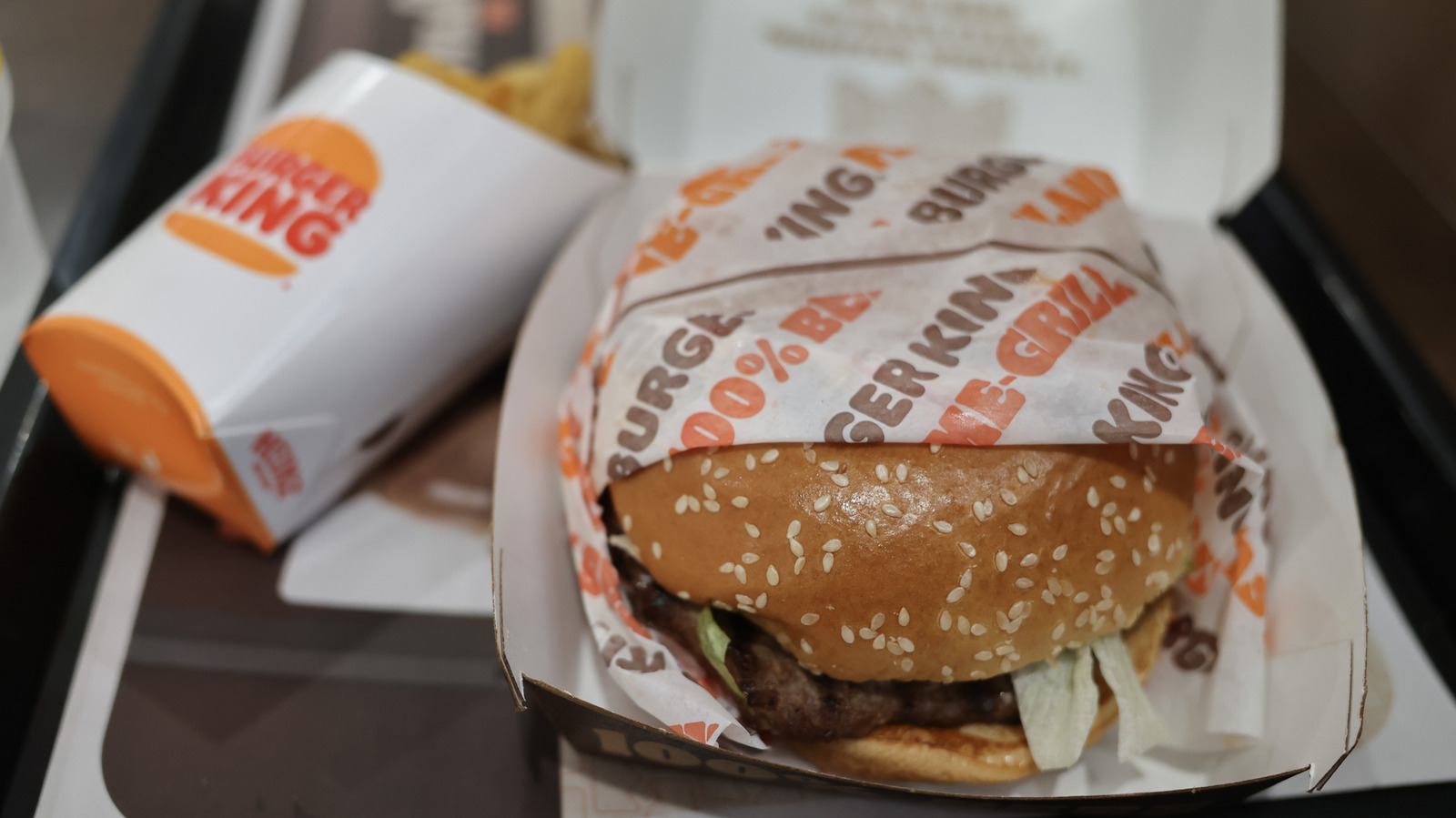
One of the most frequently cited origin stories attributes the creation of fry sauce to Don Carlos Edwards, the founder of the prominent Utah-based fast-food chain Arctic Circle. During the 1950s, Edwards began experimenting in his kitchens by combining the two popular condiments to create what he formally introduced to customers as "fry sauce." The regional chain has survived through the decades and remains operational today, even extending its commercial reach by selling its bottled signature sauce in local grocery stores and retail outlets.
As is the case with many foundational culinary origin stories, a degree of historical disagreement exists regarding the precise point of origin, with several other early Utah restaurants and independent diners laying claim to a role in popularizing the recipe. Yet, despite minor debates over who first stirred the mixture together, there is zero controversy surrounding how deeply embedded the sauce has become in contemporary Utah food culture. Beyond slathering it onto burgers—including national staples like the Burger King Whopper—local residents routinely use the condiment for dipping french fries, onion rings, and a wide array of other fried comfort foods. Meanwhile, home cooks across the state have developed their own signature spin on the classic formula, frequently incorporating supplemental ingredients such as smoky barbecue sauce, sweet paprika, or savory dashes of Worcestershire sauce to personalize the flavor profile.
Put Your Own Spin on a Fry Sauce-Topped Whopper
For adventurous diners looking to order a genuine Utah-style Whopper at a standard Burger King location, the process requires communicating clearly with the crew member taking the order, typically by asking for a combination of ketchup and mayonnaise to be applied to the sandwich. The underlying concept is to provide the signature burger with a generous helping of the blended condiment, though diners are encouraged to include traditional elements like pickles for an extra layer of bite and acidity. While mustard is not traditionally found in classic fry sauce formulations, the extra sharpness works surprisingly well when paired against the savory profile of the Whopper’s signature flame-grilled beef patty. For travelers fortunate enough to find themselves physically visiting the Beehive State, regional lore suggests that certain select Burger King locations have occasionally offered packaged fry sauce upon request, making it worthwhile to ask for the local favorite directly by name.
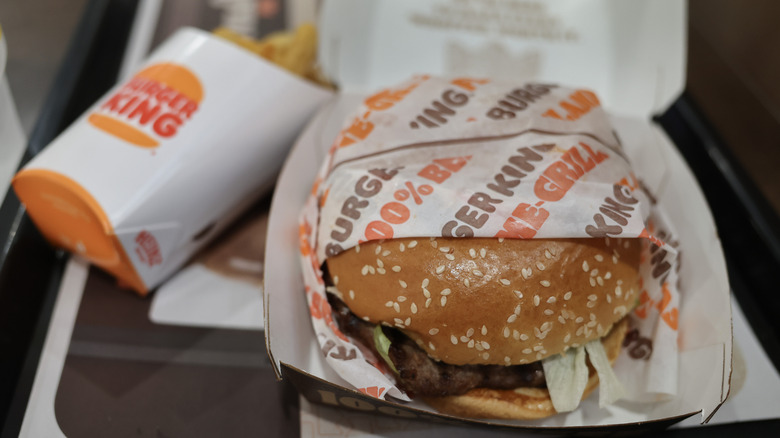
Of course, burger fans do not necessarily need to book a flight to Utah to give their next Whopper this distinctive regional makeover. Replicating the classic condiment at home is remarkably simple and requires very little culinary preparation. Depending on the exact quantity of fry sauce an individual plans on consuming, a cook simply needs to mix two parts of mayonnaise with one part of ketchup, stirring the components until they are completely unified and smooth.
For those who prefer a tangier finish, adding a small splash of white vinegar can elevate the acidity, while diners who enjoy a bit of spice frequently stir in their favorite hot sauce. Another remarkably easy addition that can elevate standard fry sauce to the next level is the inclusion of a splash of pickle juice. Once mixed, the finished sauce can be spread directly onto the top and bottom sesame seed buns, or served separately on the side in a small container for controlled, deliberate dipping with every single bite.
The creamy condiment ultimately serves to tie all of the complex components of the Whopper together, harmonizing the flame-grilled beef patty, fresh sliced tomatoes, crisp onions, crunchy pickles, and shredded lettuce while introducing an unmistakable sweet-and-sour contrast. The inherent beauty of ordering any menu item Utah-style is that the foundational elements are already present within standard restaurant kitchens. By combining a couple of familiar, everyday sauces in the proper proportions, diners can easily transform a classic national menu item, giving their Whopper a distinctly tangier, Utah-inspired personality.