

When it comes to the restaurant industry, variety is the lifeblood of business. Because individual palates vary wildly—turning what is one person’s favorite meal into another’s culinary nightmare—dining establishments rely heavily on expansive menus to keep diverse crowds satisfied. Yet, this very variety can also become a lightning rod for customer critique. Nowhere is this more apparent than in the online discourse surrounding popular casual dining chains like Texas Roadhouse, where a dive into platforms like Yelp, TripAdvisor, Facebook, and Reddit reveals that even the most beloved starters can draw sharp criticism from disappointed patrons.
Texas Roadhouse maintains a global menu featuring roughly nine standard starters, though selections frequently fluctuate depending on the specific location and the passage of time. A comprehensive evaluation by food critics examining the chain’s appetizer lineup often uncovers items that transcend the standard menu, such as grilled shrimp or standalone twisted mozzarella options that might only appear as components within a larger combo platter. While every item on the menu undoubtedly holds a special place for certain loyal customers, a handful of specific appetizers have repeatedly sparked negative reactions across social media. Across various locations nationwide, disgruntled diners consistently voice remarkably similar complaints about these specific dishes. While these items certainly retain plenty of fans, the sheer volume of negative feedback detailing issues with texture, preparation, and flavor profile highlights a persistent struggle with consistency.
Cactus Blossom
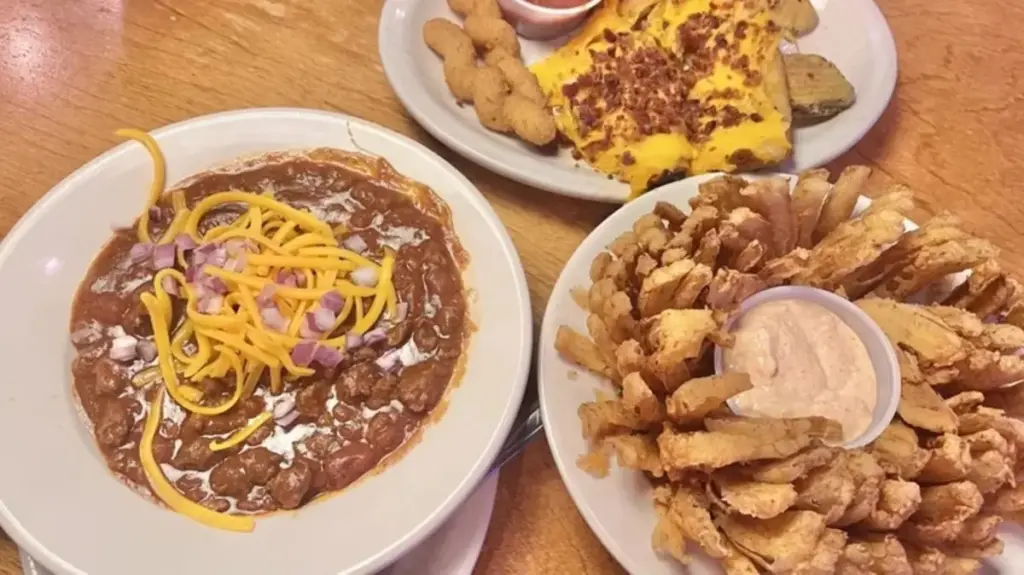
Long before Texas Roadhouse made its mark, Outback Steakhouse popularized the Bloomin’ Onion, a massive, deep-fried Spanish onion sliced open to fan outward like a blossom. Texas Roadhouse introduced its own version, known as the Cactus Blossom, which follows the exact same culinary blueprint. A vast number of online reviews enthusiastically praise the Cactus Blossom as a masterclass in fried comfort food, with some patrons even declaring it the absolute highlight of the restaurant’s appetizer menu. However, this popularity sits in stark contrast to its frequent appearance near the bottom of critical rankings.
When food publications have evaluated popular Texas Roadhouse menu items, the Cactus Blossom has occasionally landed at the very bottom of the list despite its widespread name recognition. The primary grievance leveled against the dish is its overwhelming greasiness—a sentiment echoed by countless online reviewers. One Yelp reviewer bluntly described the dish as "nothing but grease," while another reported that their onion blossom arrived either entirely soggy or clumped together in massive, unmanageable masses. Numerous other Yelpers have chimed in with identical frustrations, complaining of onions that were either oversaturated in oil or suffered from undercooked batter.
TripAdvisor reviews offer a remarkably similar narrative. One diner labeled the Cactus Blossom "pretty greasy," noting that the heavy oil content ultimately left them with an upset stomach, while another patron at the same establishment echoed complaints about excessive oiliness. Meanwhile, a visitor at an entirely different Texas Roadhouse franchise noted that upon eating midway through their Cactus Blossom order, they discovered the bottom layer consisted of raw, runny batter rather than a fully cooked crust. While it is evident that many patrons routinely receive crispy, well-prepared Cactus Blossoms, the widespread nature of these inconsistencies suggests a systemic challenge across multiple locations.
Fried Pickles
The fried pickle chips at Texas Roadhouse are heavily battered and fried before being served alongside a choice of ranch or Cajun dipping sauce. While reviewers have often praised the natural tanginess of the pickles and the satisfying crunch of the exterior breading, the extreme sodium levels frequently drag the dish down in rankings. This exact criticism regarding excessive salt is pervasive across social media channels and customer feedback forums.
One user on Reddit issued a dramatic warning to fellow diners, advising them to avoid the fried pickles entirely to prevent "sodium toxicity" and claiming the intense saltiness put them off the item for months. Even patrons who admitted a genuine fondness for the appetizer conceded that the salt content was remarkably heavy-handed. Similarly, a Facebook user who generally enjoys both fried foods and salty profiles confessed that their recent order of Texas Roadhouse fried pickles was overwhelmingly salty.
This sentiment is echoed repeatedly by reviewers spanning Facebook, TripAdvisor, Reddit, and Yelp, alongside various food bloggers who have documented their dining experiences. According to the official nutritional information provided by Texas Roadhouse, a standard three-ounce portion of fried pickles included in an appetizer combo packs a staggering 1,190 milligrams of sodium, accounting for roughly 50 percent of the daily recommended intake. Ordering a full standalone appetizer drives that figure up to 2,580 milligrams, which amounts to 108 percent of the recommended daily sodium limit. Given these numbers, it is hardly surprising that many customers find the intensity difficult to stomach.
Beyond sodium concerns, some reviews mirror the grease-related grievances plaguing other items. One TripAdvisor reviewer remarked that grease was practically dripping off the pickle chips, while another characterized them as "limp and oily."
Rattlesnake Bites
Promoted as crispy, cheese-filled jalapeño balls, Texas Roadhouse’s Rattlesnake Bites have historically received mixed reviews from professional critics and casual diners alike. While some reviewers find the snack merely underwhelming, customer reactions on public forums tend to be far less forgiving. One TripAdvisor reviewer dismissed the dish entirely as a "waste of peppers and cheese," while another categorized them more harshly as "greasy cheese balls." Another patron, who generally enjoys traditional jalapeño poppers, described the Rattlesnake Bites as overly greasy with only sporadic hints of actual jalapeño flavor. This places the appetizer in a recurring pattern of complaints shared by other menu items regarding excessive oiliness.
The grievances extend well beyond texture issues. In an otherwise glowing review on TripAdvisor, one customer recommended the steakhouse as a whole but singled out the Rattlesnake Bites for special condemnation, noting that everyone in their party of five disliked the flavor. Other diners have voiced similar dissatisfaction while struggling to pinpoint the exact root of the problem. A Reddit user praised the quality of the chain’s steaks while openly questioning the preparation of the Rattlesnake Bites. Meanwhile, a Yelp reviewer suggested the snack would have benefited from a longer fry time to prevent them from falling apart, and a Facebook reviewer compared the interior texture more to a mashed potato ball than a proper cheese bite, noting an excessive saltiness that alienated both them and their dining companion.
Cheese Fries
The concept of cheese fries should theoretically represent a foolproof addition to any casual dining menu. As one TripAdvisor reviewer aptly questioned, "How can you mess up cheese fries?" Yet, despite the inherent simplicity of combining French fries and melted cheese, the Texas Roadhouse rendition has consistently drawn considerable flak from patrons. That same reviewer described the order as consisting of thick, limp fries only sparsely covered in bizarrely stiff globules of cheese.
In comparative menu evaluations, the cheese fries have occasionally ranked poorly due to the tendency of the cheese topping to cool and solidify at an alarmingly rapid rate. A Yelp reviewer complained that the cheddar cheese on their fries felt plasticky and failed to achieve the proper melted consistency expected of cheese fries. Another customer at the same location labeled the bacon cheese fries a major disappointment, citing a remarkably bland cheese flavor, while additional reviews noted issues with soggy fries and unmelted dairy products.
A regular customer posting on TripAdvisor explicitly warned future diners against ordering the cheese variant of the fries, explaining that the cheese solidifies so quickly that diners are left holding a handful of plain fries accompanied by a hardened lump of cheddar. On Facebook, a frustrated customer shared photographic evidence of a takeout order where the entire layer of cheese had peeled off the fries and stuck firmly to the container lid, noting that the components were entirely cold and that the cheese could literally be picked up by hand without melting into the potato base.
Boneless Buffalo Wings
A frequent point of contention across multiple reviews regarding the Boneless Buffalo Wings at Texas Roadhouse is that the pieces bear a closer resemblance to irregular chicken scraps than traditional boneless wings. While this structural ambiguity is a common pitfall for boneless wing offerings across the restaurant industry, critics argue that the pieces should at least maintain a uniform, recognizable appearance. This inconsistency has previously landed the item near the bottom of appetizer rankings. One TripAdvisor user complained that the order consisted not of proper wings, but rather of small, heavily breaded chicken clumps, while another likened the portion size to random kitchen scraps found at the bottom of a package.
Beyond physical appearance and portion sizing, complaints frequently center on issues of dryness and a lack of adequate sauce coverage. Reviewers have drawn comparisons to low-grade popcorn chicken, noting that the meat was too dry to cut properly. A Yelp reviewer categorized the offering as dry chicken strips masquerading as buffalo wings, while others similarly condemned the poultry for being tough and dehydrated. Because separate evaluations of Texas Roadhouse chicken dinners indicate the kitchen is fully capable of preparing properly cooked poultry, these recurring complaints suggest that the execution of the boneless buffalo wings remains an area prone to occasional lapses in quality control.