October 7, 2026
By Ellyn Kail
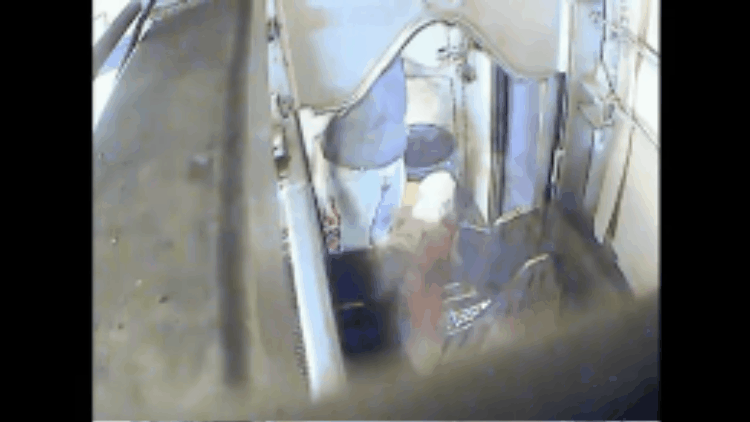
Inside a Canadian slaughterhouse, a terrified horse was forced into a metal kill box, facing a scene of unimaginable horror. An incompetent worker repeatedly fired a captive bolt gun into the animal’s head 11 times as the horse writhed in agony, fighting for its life. Finally, the mortally wounded animal collapsed, its head slamming violently against the wall with the full force of the fall. Workers then immediately set to work butchering the body, entering a grisly trade that ultimately supplies meat for human consumption and pet food markets.
This harrowing footage, captured during recent animal welfare investigations, highlights a brutal reality that many consumers never see. Far from being an isolated anomaly, this incident exposes the dark underbelly of a thriving international pipeline that funnels American horses—ranging from discarded Thoroughbreds retired from the racetrack to federally protected wild mustangs that once roamed free across public lands—straight into foreign slaughterhouses. Animal welfare advocates are sounding the alarm, stressing that urgent legislative action is required to dismantle this cruel trade once and for all.
What Happens to American Horses Sent to Slaughter?
To uncover the mechanics of this secretive industry, undercover investigators embedded themselves within the horse slaughter pipeline. One investigator endured a grueling, 1,100-mile journey aboard a livestock truck transporting American horses through sub-freezing temperatures for 36 harrowing hours straight to a slaughterhouse facility in Canada.
Throughout the cross-border transit, transport operators routinely denied the animals basic necessities such as food, water, and rest. These appalling conditions persisted even for horses that were visibly sick, severely injured, or nearing death.
A wide variety of breeds fall victim to this gruesome trade, including elite Thoroughbreds once celebrated on major racing circuits. The scope of the crisis widened significantly in August 2026, when a bombshell investigative report published by The New York Times revealed that federally protected wild horses are also actively entering the Canadian slaughter pipeline.
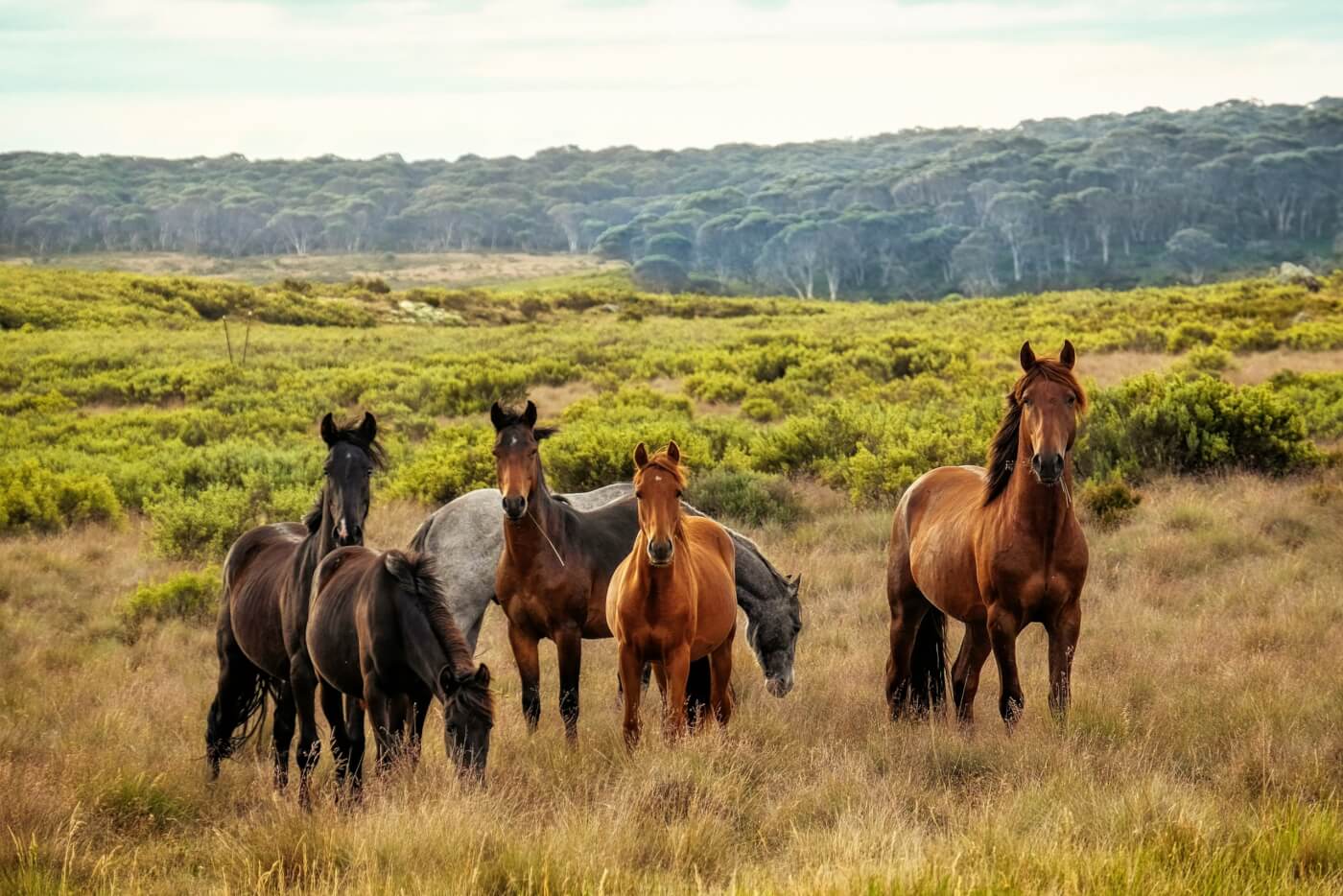
While federal law strictly prohibits United States officials from directly sending wild horses to slaughter, a long-standing loophole over the past two0 years has allowed federal agencies to sell the animals to intermediaries. These third parties subsequently transfer the mustangs to kill buyers who transport them across the northern border for slaughter.
The New York Times investigation documented mustangs routinely appearing at livestock auctions popular with kill buyers. At these sales, majestic animals have reportedly been auctioned off for as little as $25.
"Now we’re seeing a huge influx, and most of these horses are young—2 or 3 years old," said Clare Staples of the Skydog Ranch Sanctuary, who managed to rescue three young horses from a recent auction. "We are only able to save a few. Most go to the kill buyers."
Just days after the explosive report was made public, law enforcement officials intervened. New York State police arrested a Pennsylvania man who was allegedly transporting 25 horses destined for slaughter through New York State. The animals were successfully seized and placed into protective custody.
John Scheib of the New York State Humane Association issued a stern warning to traders following the arrest, stating that the era of operating in the shadows has officially come to an end.
Although commercial horse slaughterhouses do not currently operate within the borders of the United States, and the transportation of horses for human consumption is strictly prohibited under state laws in New York and California, American equines continue to be exported abroad in large numbers to meet foreign demand.
Advocates argue that the only permanent solution is the passage of the bipartisan Save America’s Forgotten Equines (SAFE) Act, designated as H.R. 1661 and S. 775. The proposed legislation would enact a permanent federal ban on horse slaughter operations nationwide, while also prohibiting the export of live horses for slaughter and human consumption. With public awareness surrounding the horse slaughter crisis at an all-time high, welfare organizations are urging citizens to maintain pressure on lawmakers and contact their federal legislators immediately.
How PETA Helped Save One Horse From Slaughter
Animal rights organizations have spent years working tirelessly to expose and dismantle the slaughter pipeline through targeted investigations and direct interventions. During a routine investigation at a public livestock auction where horses are frequently sold to commercial buyers, undercover operatives witnessed handlers beating and prodding the animals with aggressive force.
Amid the chaos, investigators spotted a frail, ailing gray horse that had just been purchased by a kill buyer for a mere $350. Recognizing the immediate danger, the team intervened, purchasing and rescuing the animal before he could be loaded onto a transport truck bound for a slaughterhouse.
The rescued animal was later identified as Royale With Speed, a Thoroughbred and a direct grandson of the legendary Triple Crown winner Secretariat. His life had once embodied the height of the racing industry, having won his very first career race at Keeneland in Kentucky and later competing at the prestigious Churchill Downs. Human handlers forced him through 23 grueling races, generating $127,526 in earnings before discarding him when his physical body was no longer deemed useful to the racing industry.
The Horror Royale With Speed Narrowly Escaped
Had it not been for the eleventh-hour intervention by investigators, Royale With Speed would likely have faced the same horrific fate documented by the Canadian Horse Defence Coalition inside foreign slaughterhouses—enduring extreme violence, systemic neglect, and botched killings in the final moments of his life.
Following his rescue, Royale With Speed was transported to a safe facility where veterinarians and caretakers nursed him back to health. Welfare advocates eventually placed him in a permanent, loving home where he continues to live out his retirement years in peace. He recently celebrated his 22nd birthday, reaching a major milestone that once seemed entirely out of reach for a horse discarded by the racing industry.
For countless other horses caught in the pipeline, the enactment of the SAFE Act represents the literal difference between facing a captive bolt gun in a slaughterhouse kill box and receiving lifelong legal protection. Animal advocates emphasize that public involvement remains crucial in giving future generations of horses a chance at a safe and secure future.