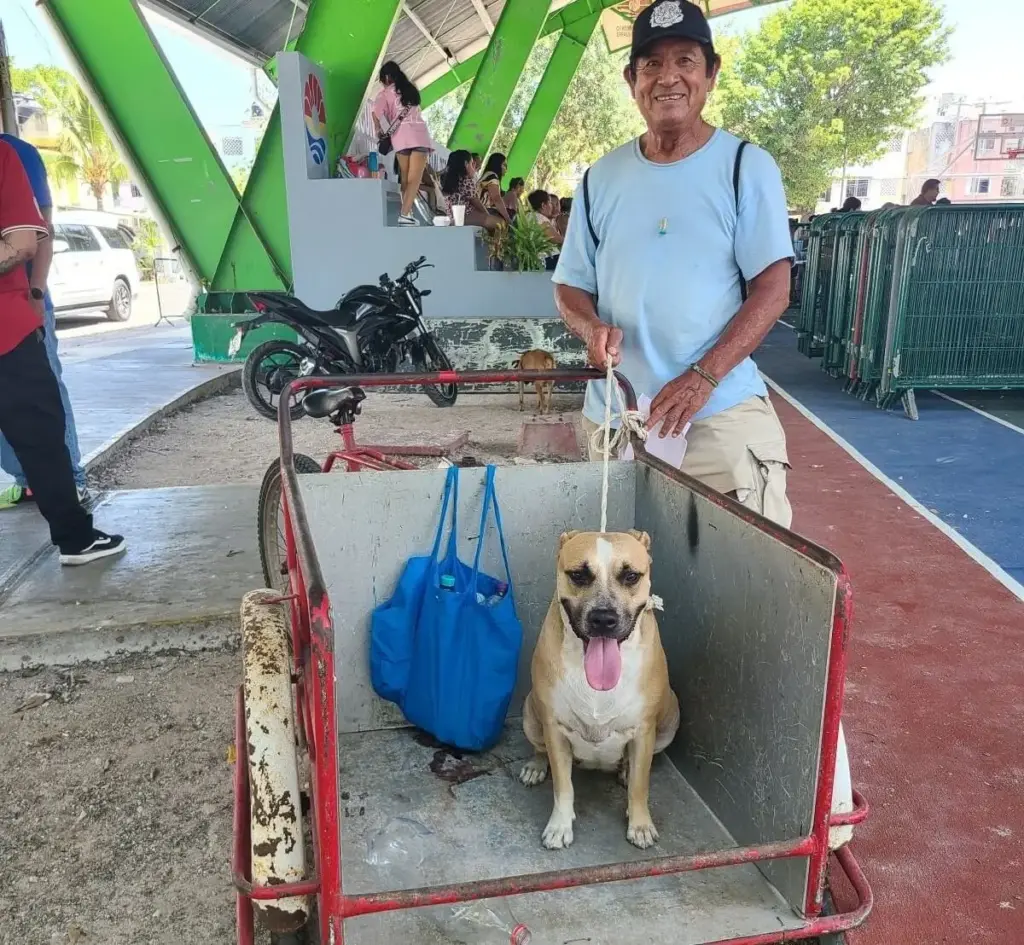
For many families living in the underserved communities supported by People for the Ethical Treatment of Animals (PETA), basic veterinary care remains exceptionally difficult to come by. Access to professional medical treatment, preventative medications, and safe surgical procedures is often entirely out of reach due to economic hardship, geographic isolation, and a severe shortage of local veterinary resources.
Before the blistering August sun had even begun to climb over Quintana Roo, Mexico, devoted animal guardians were already lining up outside with their companion animals for PETA’s 18th spay and neuter clinic in Cancún. When the organization’s team arrived at dawn to begin the extensive setup process, the queue was already forming. Some guardians stood patiently waiting with dogs secured on standard leashes, while others made do with improvised lengths of rope. Cats arrived safely housed in an array of makeshift containers, ranging from plastic crates to simple pillowcases that doubled as temporary carriers. In a testament to the community’s deep commitment to their animals, one family—comprising a mother, father, child, and their animal companion—pulled up together on a single motorcycle.
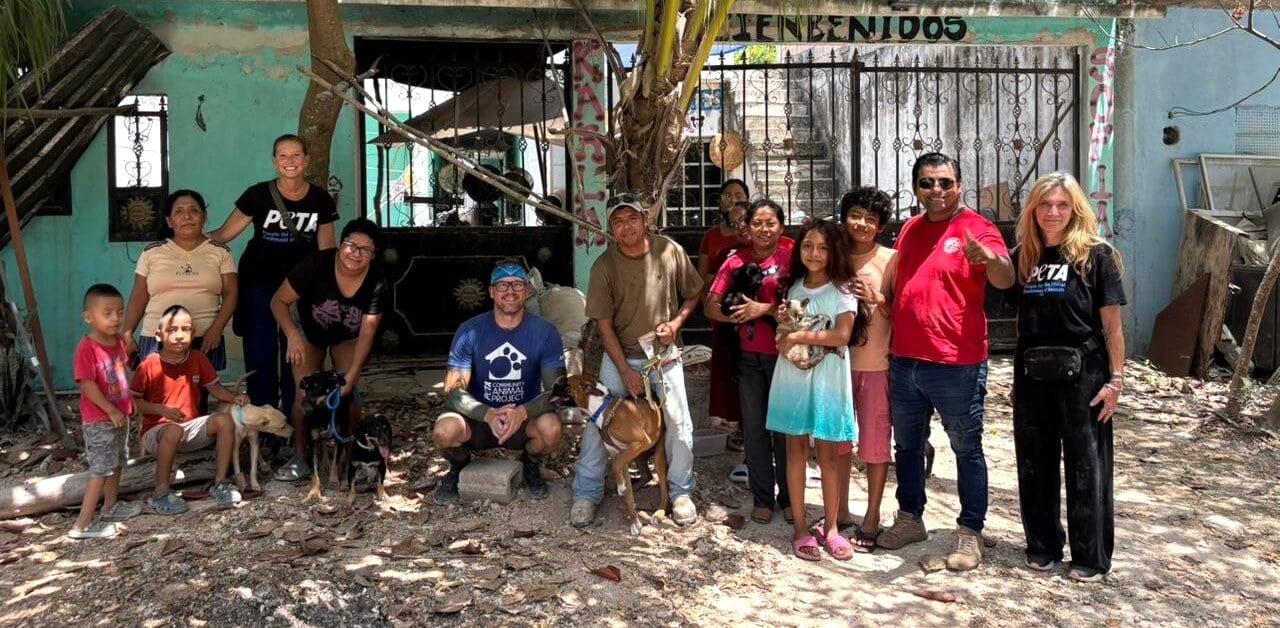
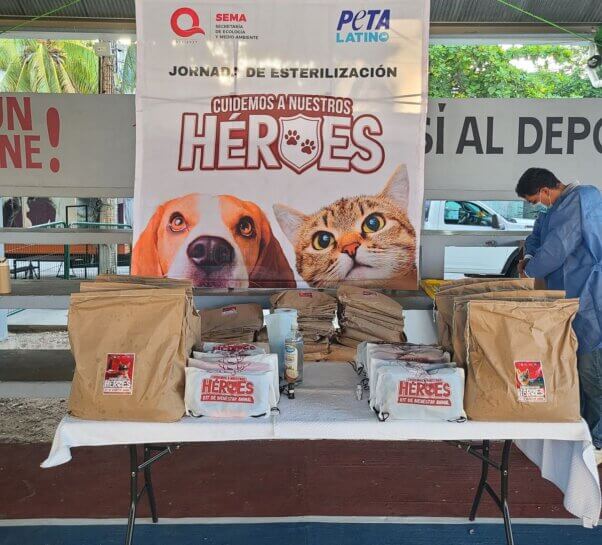
This historic initiative marked PETA’s second trip to Mexico this year, bringing critical free veterinary services directly to the communities of Corales and Rancho Viejo. These efforts were made possible through vital partnerships with the Secretary of Ecology and Environment for the state of Quintana Roo and the municipal government of Isla Mujeres. Over the course of two intensive two-day clinics, PETA and a dedicated team of volunteer and professional veterinary experts successfully sterilized 482 dogs and cats. This vital intervention helps prevent countless future generations of puppies and kittens from being born into communities that are already struggling with disproportionately large populations of homeless and neglected animals. With the conclusion of these latest clinics, a remarkable total of 5,670 animals have now been sterilized free of charge in Cancún and Chichimilá since the program’s inception in 2021.
However, the statistical achievements recorded inside the operating rooms were only part of the broader story unfolding across the region.
Hundreds of Animals, Hundreds of Stories
Veterinarians, veterinary technicians, and support staff who had traveled from diverse locations including Mexico City, Puebla, León, Mérida, Cancún, and surrounding areas worked at a steady, exhausting pace as animal after animal came through the doors. Guardians waited nearby, often enduring the heat for much of the day, until they could finally take their recovering companions back home.
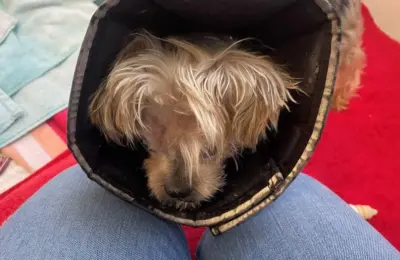
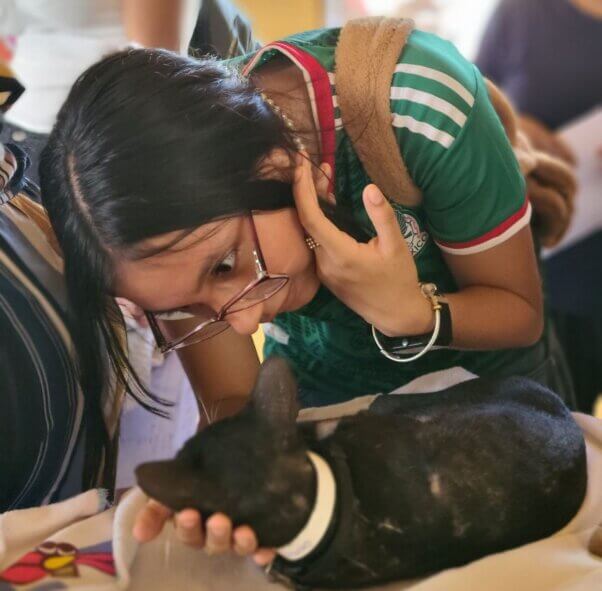
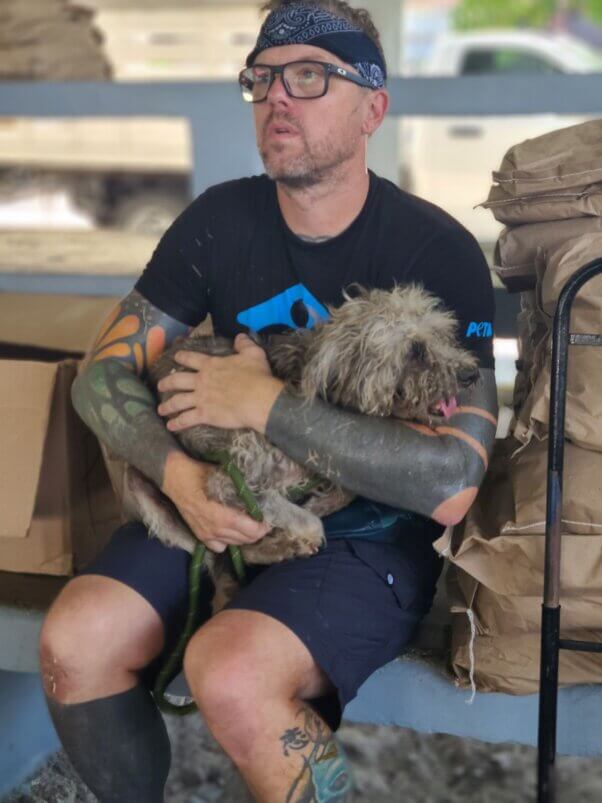
Not all of the patients arriving at the clinics had human guardians to advocate for them. Community dogs naturally roam the neighborhoods, and several of these free-roaming animals wandered into the clinic spaces—where PETA’s team ensured they received the same high standard of care. Among them was a severely matted dog who was not only safely neutered but also given a much-needed, life-changing shave to relieve the heavy, uncomfortable burden of tangled fur before returning to the neighborhood.
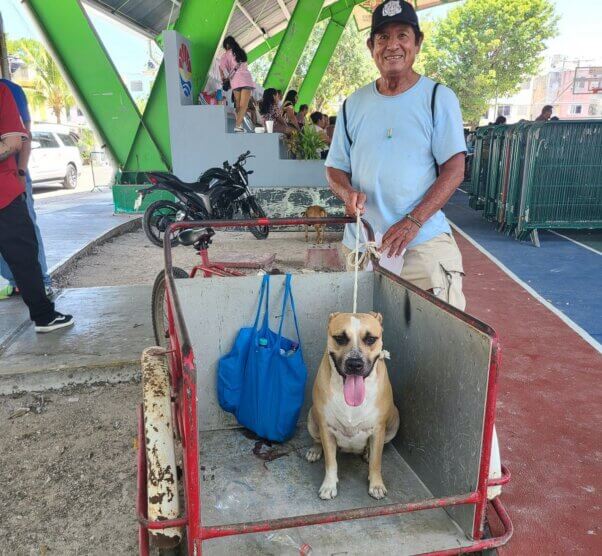
For an animal living on the streets, a single surgical procedure can fundamentally transform more than just an individual life. Spaying and neutering play a crucial, preventative role by stopping generation after generation of puppies and kittens from being born into environments where basic necessities like food, clean water, shelter, and professional veterinary care are exceptionally difficult, if not impossible, to find. Furthermore, these routine procedures significantly reduce the incidence of certain cancers and other serious health problems, ultimately helping animals live longer, healthier, and more comfortable lives.
PETA’s Work Goes Beyond the Clinic
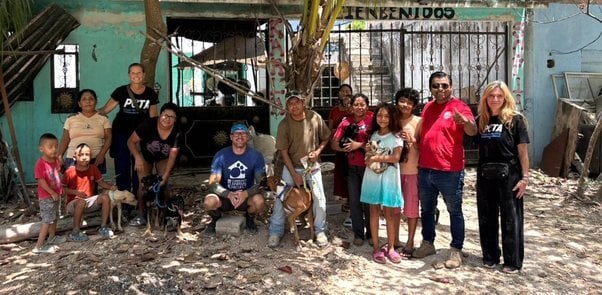
The mission extended far beyond the walls of the temporary clinics. Between the scheduled surgical days, the team ventured directly out into the surrounding communities to deliver care to animals who were unable to travel or whose guardians faced insurmountable barriers. Everywhere the staff went, local residents warmly welcomed them, eagerly introducing the animals they were already caring for and pointing the team toward other vulnerable creatures in the neighborhood who urgently needed assistance.
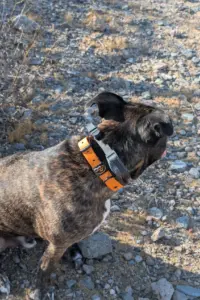
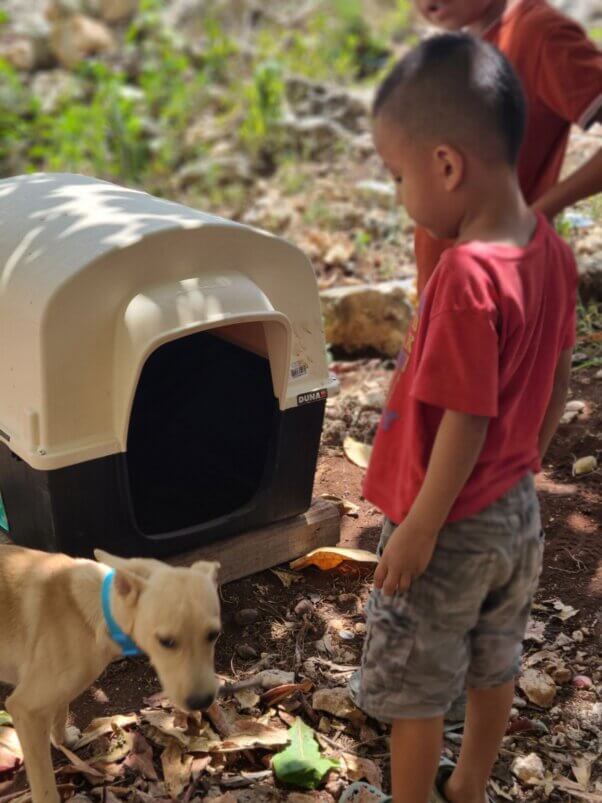
Staff members checked in on dogs that PETA personnel had first encountered during earlier visits, outfitting them with essential flea and tick preventatives, administering deworming medication, and replacing worn items with brand-new collars. To combat the harsh local climate, the team distributed sturdy new doghouses to three families, providing critical protection for their animal companions against the blazing tropical sun and heavy seasonal rains. The sight of those bright, clean new collars standing out sharply against the dusty environment remains a striking memory of the outreach effort.
At one particular residence, a local woman was shouldering the immense responsibility of caring for five personal dogs alongside a street dog who was suffering from a gaping, painful wound in his neck. PETA’s team immediately cleaned and medically treated the wounded dog while also providing necessary care for the others. Before the team departed, the woman emerged from her home bearing a tray of homemade fruit popsicles for everyone.

She had prepared them entirely by hand, and her pride in offering them was evident. Knowing how little resources the members of this community had to spare, her gesture of profound generosity was deeply moving to the visiting staff, cementing itself as one of the most memorable moments of the entire expedition.
This cooperative spirit extended seamlessly to local rescue organizations operating in the area. During the outreach, staff visited Isla Animals, an established local shelter dedicated to rescuing, sterilizing, and finding permanent homes for street dogs. When an abandoned dog was unexpectedly left at one of PETA’s clinics, a veterinary technician affiliated with the shelter quickly stepped in to transport the animal to their facility, ensuring she received the continuous care and security she required.
Compassion When It Matters Most
On the final day of the mission, the team encountered a heartbreaking situation by the side of a local road. A tiny black-and-white puppy was spotted attempting to eat a dead mouse. Emaciated, severely dehydrated, infested with ticks, and barely responsive, the young dog was in critical condition. Staff members scooped her up immediately, wrapped her gently in a sweatshirt, and rushed her to the clinic facilities. Tragically, her body had endured too much, and she was simply too far gone to save.
While the team could not undo the severe neglect and hardship she had suffered prior to their arrival, they made the compassionate decision to intervene and ensure she did not suffer any longer. Staff members humanely euthanized the puppy to end her pain, with one colleague gently rubbing her back while another stroked her tiny head. Having spent that morning completely alone beside a dangerous road, she was surrounded by comfort and gentleness when she passed away.
What the Numbers Can’t Show
That little puppy left an indelible mark on everyone present, much like the woman proudly distributing her homemade popsicles, the resilient animals sporting their bright new collars, and the hundreds of dedicated guardians who willingly dedicated an entire day to securing necessary medical care for their animal companions.
In the span of just four clinic days, 482 animals were successfully sterilized, while countless others received vital veterinary treatments, parasite preventatives, shelter enhancements, and emergency medical intervention. Animals suffering without any realistic hope of recovery were spared further agony, and PETA solidified important collaborative relationships with local and state government agencies committed to ongoing animal welfare initiatives.
The expedition reaffirmed that while statistical metrics are vital for measuring logistical success, they cannot fully capture the underlying compassion and the tangible difference made in the lives of individual animals whose futures were brightened simply because PETA was there.
Support PETA’s Work in Mexico
These vital, life-saving services would not be possible without the continued dedication and generosity of compassionate supporters. Contributions to PETA’s Global Compassion Fund directly enable the organization to bring essential veterinary care and protection to vulnerable animals in Mexico and communities around the world.