


An increasing number of dog owners are incorporating probiotic powders into their pets’ daily mealtime routines. The process appears straightforward: measure the recommended serving, mix it thoroughly into the food, and ensure the dog finishes the meal. While this simplicity makes powders an attractive option, the commercial market reveals that these supplements vary widely in their formulation, primary purpose, and overall health benefits.
Some probiotic powders are designed strictly to support digestive health, while others integrate beneficial microflora into broader, multifunctional daily supplements. Navigating these choices requires a clear understanding of what a dog’s specific health needs are, how different strains of bacteria and yeast function, and how to successfully manage daily supplement administration.
Understanding the Landscape of Canine Probiotic Powders
When choosing a probiotic powder, the first step is identifying the primary health goal. A veterinarian may recommend a highly targeted, gut-focused formulation to address specific digestive issues or to help recover intestinal balance after a course of medication. Alternatively, an owner may seek a daily preventative supplement that offers comprehensive, whole-body support with probiotics included as one of several active components.
There is no single probiotic formula that fits every dog perfectly. Comparing products solely by their colony-forming unit (CFU) count—the metric used to quantify active, viable microorganisms—can be misleading. A higher CFU count does not automatically make a product superior or more appropriate for an individual dog’s health profile. Instead, owners should look at the specific strains included, the presence of prebiotics or postbiotics, and any secondary active ingredients that target other areas of canine wellness.
A Detailed Comparison of Leading Probiotic Powders
To understand how these formulations differ in practice, it is helpful to look closely at three prominent options currently available to consumers. Each represents a distinct approach to canine supplementation, ranging from comprehensive, multi-organism daily support to highly concentrated, gut-only formulas.
1. PetLabCo. DF-14 Daily Foundation
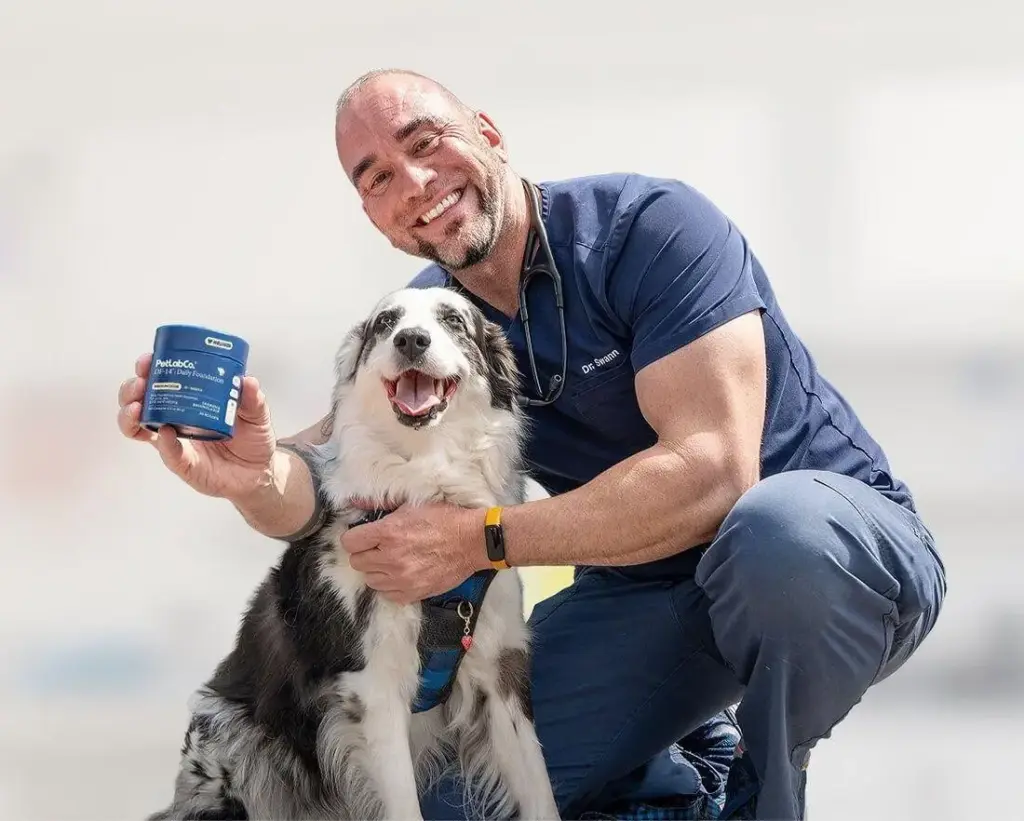
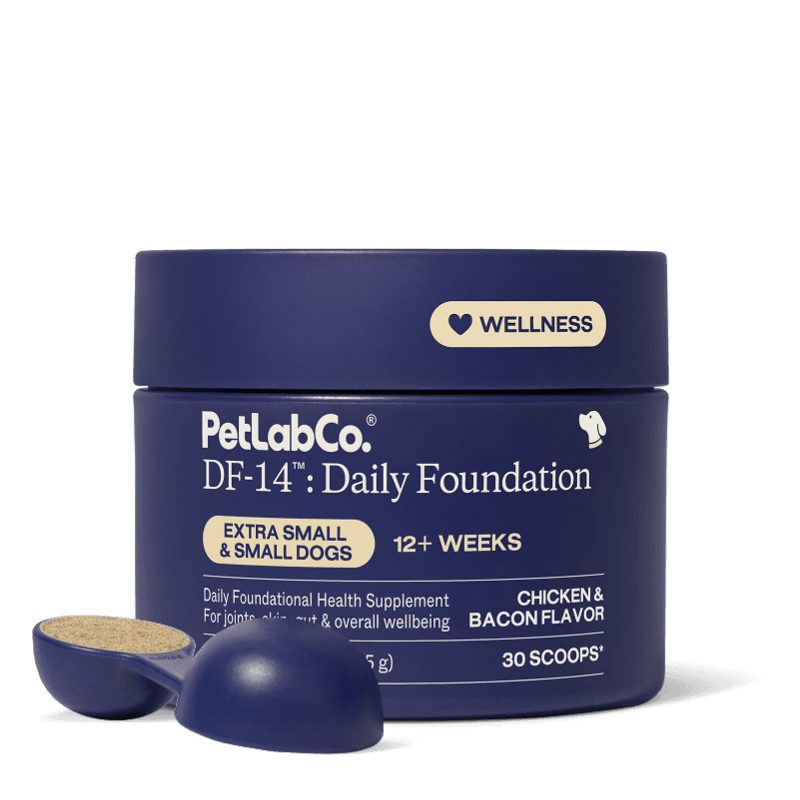
PetLabCo.’s DF-14 Daily Foundation represents the multifunctional approach to canine health. Rather than isolating gut support, this daily powder is formulated to address 14 distinct areas of canine wellness. Its probiotic blend features three primary organisms: Bacillus subtilis, Bifidobacterium animalis subsp. lactis, and the beneficial yeast Saccharomyces boulardii. Depending on the specific tub size and scoop utilized, the formula delivers between 14.5 million and 100 million CFUs per serving.
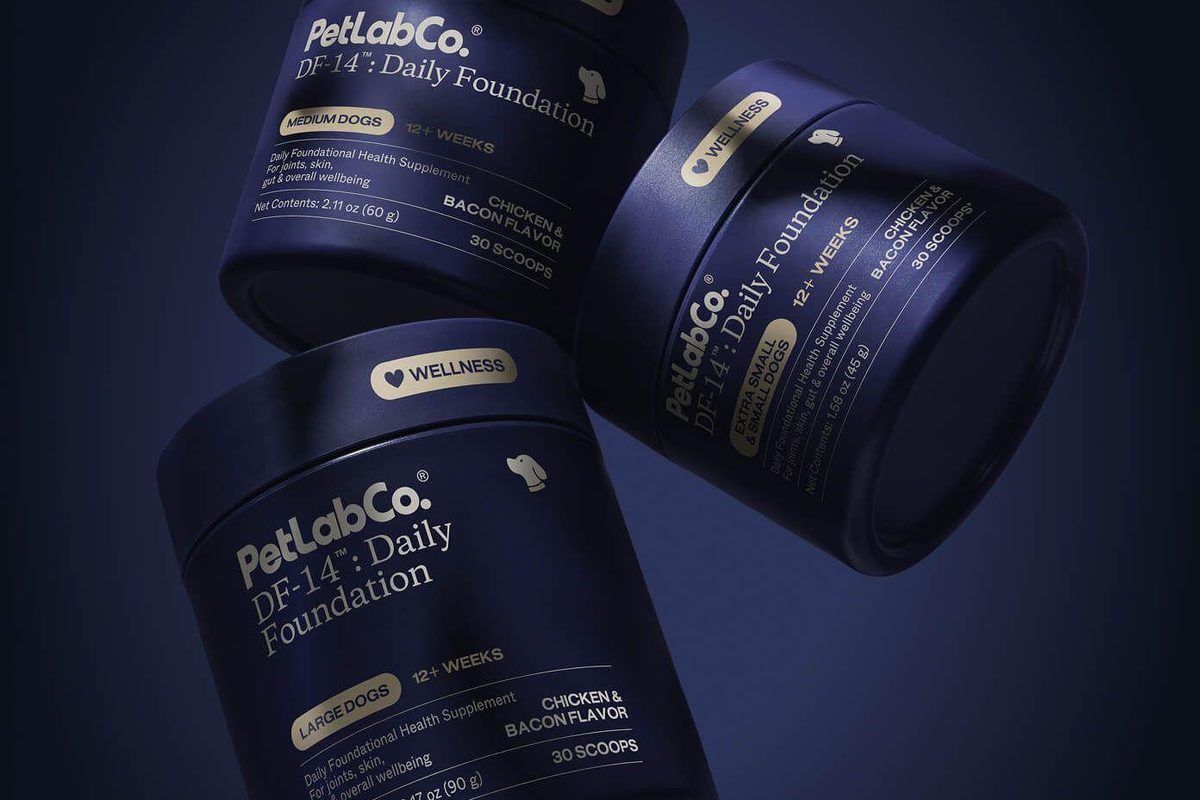
What sets DF-14 apart from targeted digestive powders is its extensive list of 11 additional active ingredients. To support joint mobility, the formula includes glucosamine, chondroitin, and krill. For cardiovascular and metabolic health, it incorporates taurine and L-carnitine. The immune system and cellular health are supported by astragalus, cranberry, lactoferrin, and antioxidant vitamins C and E, alongside beta-carotene. Dental health is also addressed through the inclusion of sodium hexametaphosphate. Additionally, fructooligosaccharides (FOS) act as prebiotics to nourish beneficial gut bacteria, complemented by a postbiotic yeast blend.
Because of this broad ingredient profile, DF-14 is designed for dogs at least 12 weeks of age. It features a savory chicken-and-bacon flavor, which appeals to most dogs but requires careful consideration for pets on strict hypoallergenic or single-protein diets due to its animal-derived ingredients.
2. Native Pet Probiotic
For owners seeking a highly concentrated, gut-focused supplement, Native Pet Probiotic offers a specialized alternative. This formula focuses exclusively on the digestive system and provides a robust 6 billion CFUs per scoop. It features a diverse, four-strain probiotic blend consisting of Bacillus coagulans, Enterococcus faecium, Bifidobacterium animalis, and Bifidobacterium bifidum.
To support these live microorganisms, Native Pet includes prebiotic fiber derived from organic inulin (Jerusalem artichoke) and organic pumpkin seed. These ingredients help create an optimal environment for beneficial bacteria to thrive in the digestive tract. The powder is set in a dehydrated beef-broth base, making it highly palatable for dogs. Designed for puppies and dogs over three months of age, this gut-only option is ideal for targeted digestive support but offers no active ingredients for joint, cardiovascular, or dental care.
3. Zesty Paws Probiotic Powder for Dogs
Zesty Paws Probiotic Powder offers a middle-ground option for targeted gut and immune support, packaged in convenient single-serve sachets rather than a bulk tub. This pumpkin-flavored powder provides 800 million CFUs per serving, utilizing a combination of Bacillus subtilis DE111 and Saccharomyces boulardii.
The formula is rounded out with digestive-friendly ingredients like inulin, flaxseed, and pumpkin powder. Marketed primarily for adult and senior dogs, this sachet format is highly convenient for travel or quick preparation. However, because it uses a uniform, pre-measured packet, it does not offer the precise, weight-based serving adjustments found in scoop-and-tub systems.
The Science of Canine Probiotics: Species, Strains, and Research
When evaluating probiotic labels, it is important to distinguish between broad species names and specific, researched strains. While scientific literature may demonstrate the efficacy of a particular patented strain for a specific condition, commercial supplements often list only the general species. Pet owners should not assume that a study conducted on one specific strain guarantees the same clinical results for another product containing a different strain of the same species.
For instance, Saccharomyces boulardii, a probiotic yeast featured in both DF-14 Daily Foundation and Zesty Paws, was evaluated in a small 2018 study published in canine veterinary literature. The clinical trial examined the yeast’s role as an adjunctive treatment for dogs diagnosed with chronic enteropathy. While the study showed promising results for managing chronic digestive issues, it was not a direct trial of any specific commercial powder. The findings illustrate the potential benefits of the organism but do not constitute direct clinical proof that a specific retail supplement will cure or treat a medical condition.
Veterinary institutions, including Cornell University’s Riney Canine Health Center, emphasize that the effectiveness of probiotics depends heavily on the quality, viability, and specific combination of the organisms used. Because of these nuances, consulting a veterinarian with the product’s full ingredient label is the most reliable way to determine if a supplement is appropriate for a dog’s unique health profile.
Practical Tips for Administering Probiotic Powders
A probiotic powder can only be effective if the dog actually consumes the correct dose. Successfully incorporating a powder into a daily feeding routine requires consistency, proper measurement, and careful observation.
Establishing a Reliable Feeding Routine
To ensure a smooth transition and accurate dosing, owners should establish a clear sequence at mealtime:
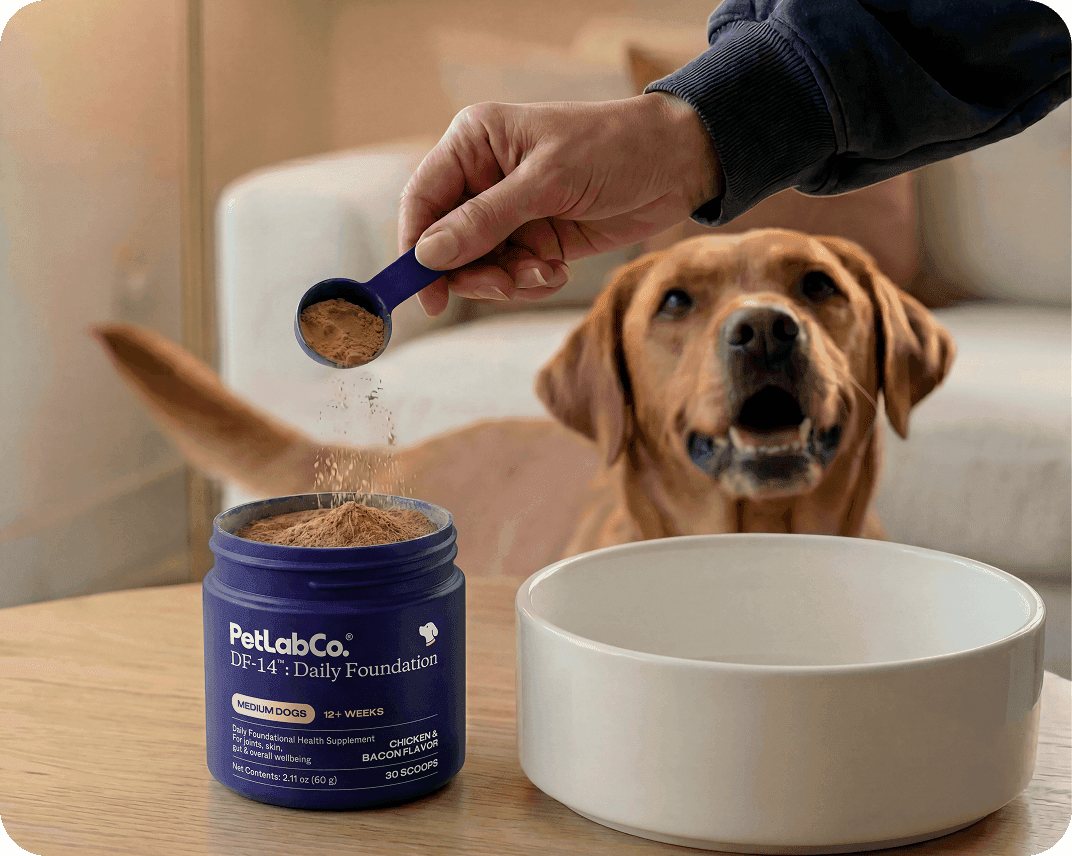
- Select the Correct Tub and Scoop: Multifunctional supplements like DF-14 utilize different tub and scoop sizes to match various canine weight classes. Always use the specific scoop provided with the container, rather than a generic household spoon, to prevent under- or over-dosing.
- Prepare the Food: Mix the measured powder directly with wet food or slightly moistened kibble. Moisture helps the powder adhere to the food, preventing the dog from inhaling the dry dust or leaving it at the bottom of the bowl.
- Observe the Meal: Choose a feeding time when a household member can monitor the dog. Ensure the dog finishes the entire portion of supplemented food. In multi-pet homes, separate animals during feeding to prevent bowl swapping and accidental double-dosing.
- Avoid Guesswork with Leftovers: If a dog occasionally leaves food behind, do not guess how much powder was consumed and add more to the next meal. This can lead to inconsistent dosing. If a dog is a persistent "grazer" who eats slowly throughout the day, a powder may not be the most practical choice.
Proper Product Storage
Maintaining the viability of live microorganisms requires proper storage. Most probiotic powders should be kept in a cool, dry place, sealed tightly, and protected from direct sunlight. Transferring the powder into an unlabeled decorative container is not recommended, as it separates the product from its expiration date, batch number, and specific serving instructions.
Powder vs. Soft Chew: Which Format Fits Your Dog?
Choosing between a probiotic powder and a soft chew is primarily a practical decision based on a dog’s eating habits and a household’s daily schedule. Neither format is universally superior, but each offers distinct advantages depending on the circumstances.
When to Choose a Probiotic Powder
Powders are highly effective for dogs with consistent, predictable appetites who reliably finish their meals in one sitting. They blend seamlessly into wet, raw, or moistened dry diets, acting as a nutritional topper. Powders also eliminate the need to administer a separate treat, simplifying the daily routine for owners who prefer to bundle health support directly into mealtime.
When to Choose a Soft Chew
Soft chews are often a better fit for dogs that graze on dry kibble throughout the day or frequently leave portions of their meals unfinished. Because a chew is given as an individual treat, the owner can easily verify that the entire dose was consumed immediately. Chews are also highly portable and do not require measuring scoops or food preparation, making them convenient for active owners or travel.
However, when transitioning between formats, owners must compare the full ingredient labels. Replacing a multifunctional powder with a simple, gut-only soft chew means the dog will lose the secondary joint, skin, and immune support provided by the powder. To maintain a consistent wellness plan, any format change should be discussed with a veterinarian.
Safety Guidelines, Age Limits, and Potential Side Effects
While probiotics are generally well-tolerated, introducing any new supplement carries potential risks that must be managed carefully.
Age Limits and Developmental Considerations
Puppies have highly sensitive, developing digestive and immune systems. Supplements like PetLabCo. DF-14 Daily Foundation are formulated for dogs 12 weeks of age and older, while Native Pet is approved for puppies over three months. Introducing complex, multi-ingredient supplements to very young puppies without veterinary approval can disrupt their natural digestive development.
Navigating Dietary Sensitivities and Allergies
Multifunctional powders frequently contain animal-derived proteins for flavoring and joint support. For example, DF-14 contains krill, crawfish-derived glucosamine, bovine chondroitin, and hydrolyzed chicken liver flavor. If a dog is undergoing a strict veterinary food trial to diagnose food allergies, or is on a highly restricted therapeutic diet, these ingredients could compromise the diagnostic process or trigger an allergic reaction. Owners must review the entire ingredient list, not just the active probiotic strains, before introducing a supplement.
Monitoring for Interactions and Side Effects
Some probiotic labels, including DF-14, note that the simultaneous administration of oral medications and fiber-rich or multi-ingredient supplements may occasionally delay drug absorption. If a dog is on prescription medication, consult a veterinarian to determine if the supplement should be given a few hours apart from the medication.
Additionally, some dogs may experience mild, temporary digestive changes, such as increased gas or slight changes in stool consistency, when first starting a probiotic. If these signs persist, or if a dog exhibits lethargy, vomiting, or a loss of appetite, the supplement should be discontinued, and a veterinarian should be consulted. Probiotics are intended to support healthy animals and should never be used as a substitute for professional veterinary care when a dog is acutely ill.