



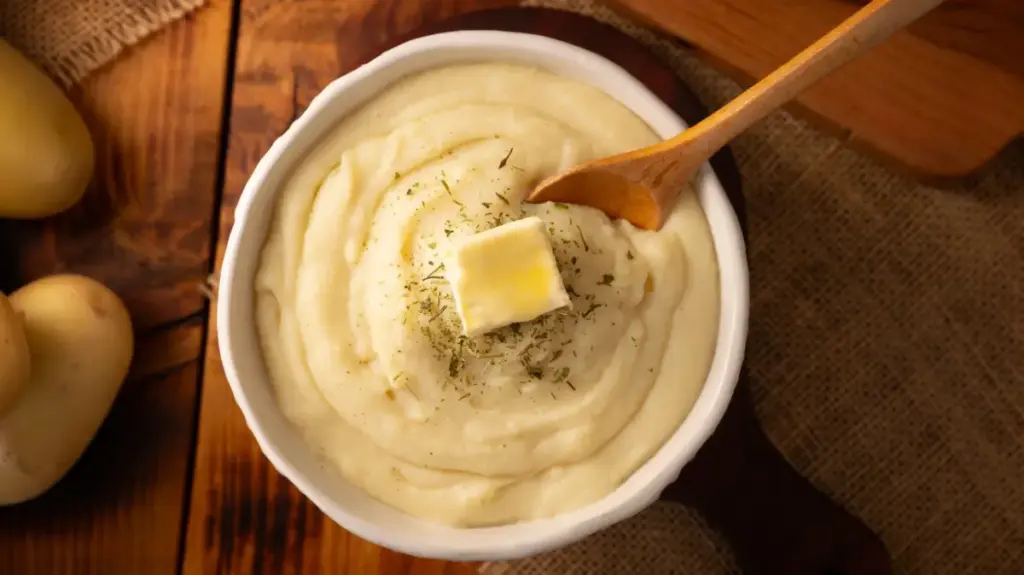
When it comes to culinary versatility, it is difficult to find a food that rivals the humble potato. The cooking opportunities for this starchy vegetable are practically endless, stretching across cultures and culinary traditions. Home cooks and professional chefs alike can fry them into crispy rounds, slice them for gratins, bake them twice with rich fillings, or transform them into velvety, comforting mashes. Yet, among the pantheon of popular potato dishes, good old-fashioned mashed potatoes prepared with generous amounts of butter and milk remain an enduring favorite across family dinner tables and restaurant menus.
While traditional mashed potatoes are frequently embellished with toppings like melted cheese or smoky bacon crumbles, culinary experts are now pointing to a surprisingly simple addition that transforms the side dish entirely: green peas. Stirring green peas directly into a batch of mashed potatoes introduces a unique dimension of flavor, a pleasing textural contrast, and a substantial boost of dietary fiber. This unassuming green vegetable, often relegated to a secondary role on the dinner plate, is finding new life as an integrated ingredient that elevates both the taste and the nutritional profile of a classic comfort food.
The addition of green peas introduces a sweet, mildly earthy flavor profile that effectively cuts through the thick, creamy richness of traditional mashed potatoes. Potatoes on their own are deeply savory and grounded, but they can occasionally feel heavy or monolithic on the palate. By incorporating peas, cooks introduce a hint of fresh brightness that lifts the dish. Furthermore, the peas offer an interesting pop of chewy texture, contrasting pleasantly against the ultra-smooth consistency of whipped spuds.
Beyond sensory enhancements, the nutritional advantages of this culinary tweak are significant. Boiled green peas offer approximately 9 grams of dietary fiber per cup. For individuals seeking to boost their daily fiber intake—a dietary goal frequently recommended by health professionals for supporting heart health, maintaining stable blood sugar levels, and promoting optimal digestive function—incorporating peas into a favorite starch represents an effortless dietary adjustment. Instead of turning to heavily processed supplements or completely altering meal plans, home cooks can leverage a familiar vegetable to achieve their wellness objectives without sacrificing flavor or comfort.
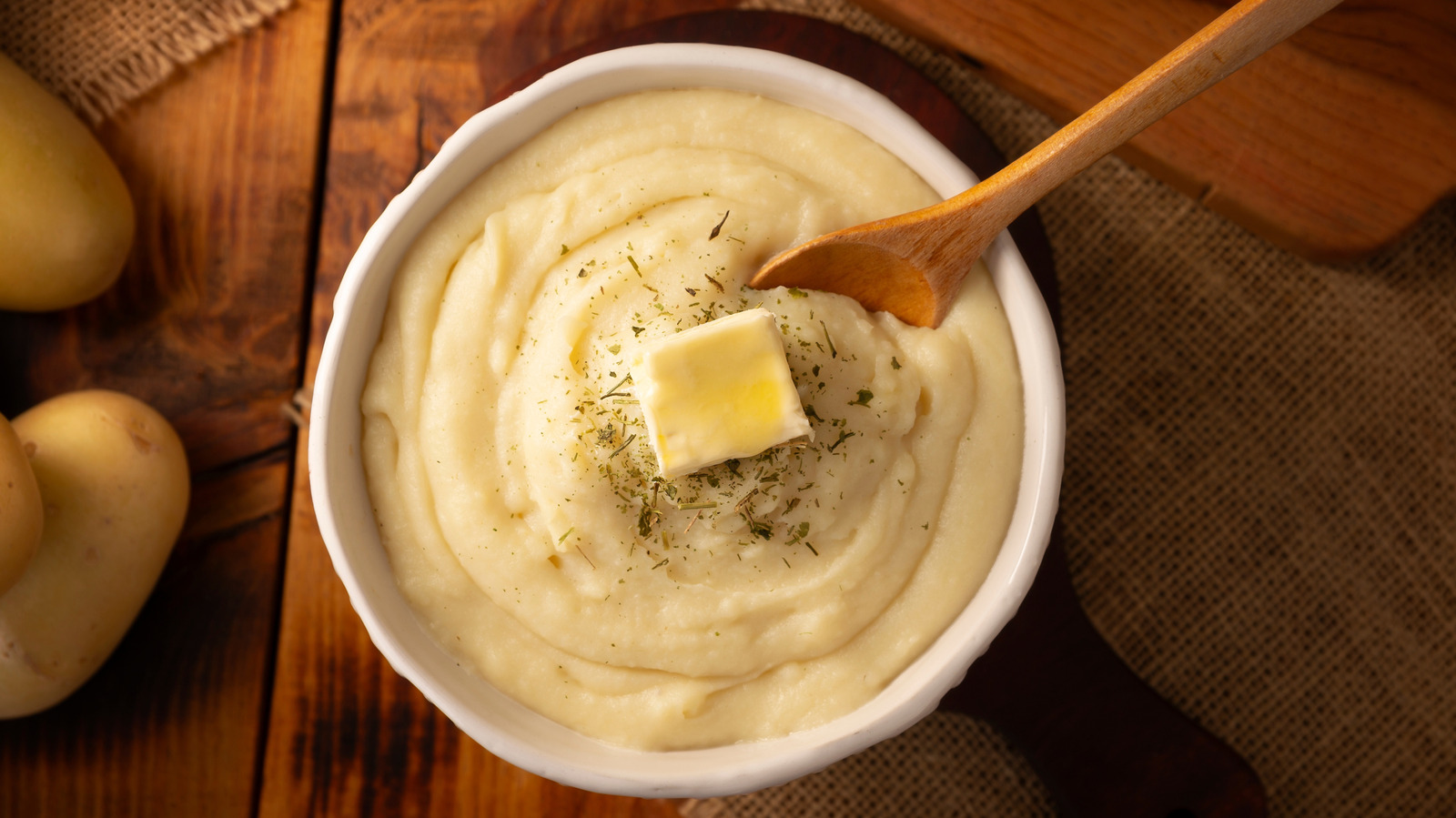
The culinary integration process is remarkably straightforward, requiring no specialized equipment or advanced cooking techniques. After boiling peeled and chopped potatoes in salted water until they are thoroughly tender, cooks can simply toss a batch of frozen green peas directly into the hot pot for about a minute. The residual heat of the water and the cooked potatoes is often sufficient to thaw and warm the peas through without turning them mushy. Once the minute has passed, the potatoes and peas are drained together in a colander.
From there, the ingredients return to the pot for the mashing phase. The potatoes and peas are mashed together until the desired consistency is achieved, after which butter and milk are folded in gradually until the mixture becomes soft, fluffy, and cohesive. Cooks are advised to adjust the quantities of butter and milk depending on whether they prefer a dense, rustic mash or a light, airy whipped texture. The peas distribute evenly throughout the pale potato matrix, creating a visually appealing speckled green-and-white appearance that hints at the fresh flavors within.
Delicious ideas for serving mashed potatoes and peas
Once prepared, this updated version of mashed potatoes and peas lends itself to a wide variety of serving methods and culinary applications. Some traditional recipes suggest that the finished dish can be dished out immediately, while others recommend covering the pot and letting the mixture rest for a few minutes before serving to allow the flavors to meld further. From that point, a simple sprinkling of salt, freshly cracked black pepper, or dried herbs across the top can enhance the overall profile, alongside an extra pat of butter for an added touch of richness.
For those who enjoy a richer, more complex flavor profile, covering the hot potatoes with a layer of shredded cheddar cheese offers a sharp, nutty dimension that melts deliciously into the nooks and crannies of the dish. Alternatively, mixing in a handful of crispy bacon crumbles or finely chopped scallions introduces a savory saltiness and an engaging crunch that complements the softness of the potatoes and the tender chew of the peas.
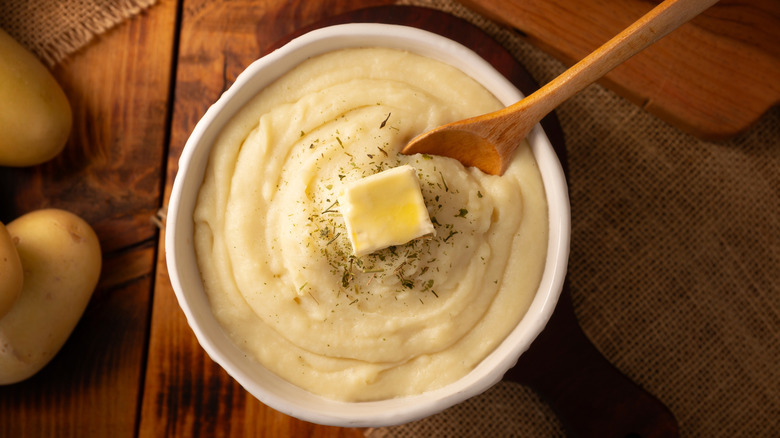
The green pea-mashed potato combination also serves as an exceptionally versatile side dish for main courses. It pairs wonderfully with a hearty, slow-cooked pot roast, absorbing the rich pan juices of the meat, or alongside a selection of roasted seasonal vegetables such as asparagus, squash, carrots, or zucchini. For a vegetarian-friendly meal with deep, savory notes, cooks can fold the peas into the potatoes and then top the heap with a rich mushroom stew, creating a deeply satisfying and comforting bite.
Creativity in the kitchen can extend even further. Cooks looking to experiment with texture and presentation can use these upgraded mashed potatoes as a creative soup topping, adding body and substance to a warm bowl of broth or cream-based soup to forge an ideal comfort meal for cooler weather. However, for everyday weeknight dining, the dish remains remarkably adaptable—pairing just as easily with simple comfort foods like classic fish sticks or golden chicken tenders as it does with elaborate holiday feasts.