When it comes to maintaining a clean and functional home, dealing with kitchen grease is universally acknowledged as one of the most frustrating household chores. Over time, microscopic airborne droplets of fat, oil, and cooking vapor steadily settle across horizontal and vertical surfaces. Because this accumulation happens gradually, homeowners often fail to notice it until they reach for a handle, push a door closed, or rest a hand on a counter and encounter a distinctly tacky, slimy, or grimy texture.
For generations, the commercial cleaning industry has capitalized on this domestic annoyance by marketing specialized degreasers. These products typically line grocery store shelves with bold promises of effortless cleaning, yet they often come with steep price tags and rely heavily on harsh, chemically questionable formulas. Many conventional commercial cleaners release volatile organic compounds (VOCs) into the indoor air, pose potential health risks to pets and children, and leave behind an environmental footprint that extends long after the bottle is empty and discarded.
Fortunately, abandoning expensive commercial chemicals does not mean surrendering your kitchen to grease and grime. Homeowners increasingly turn toward sustainable, eco-friendly alternatives that utilize common pantry staples, offering a method that is both economically sensible and environmentally responsible. Among the most effective and pleasant-smelling remedies for light kitchen grease accumulation is a simple combination of fresh lemons and ordinary table salt. This dynamic duo provides a cost-effective, hygienic, and thoroughly natural way to refresh kitchen surfaces without introducing synthetic toxins into the living space.
The scientific mechanism behind this household remedy relies on basic chemistry. Lemon juice contains high concentrations of citric acid, which naturally acts as an effective grease-cutting agent. When applied to kitchen surfaces, the citric acid actively breaks down alkaline grease compounds, effectively dissolving the chemical bonds that anchor the oily film to wood, laminate, or other cabinetry materials. Simultaneously, the mild abrasiveness of granulated salt provides the physical friction needed to lift the loosened residue away without gouging or scratching the underlying material. Beyond its degreasing properties, citric acid possesses well-documented antimicrobial characteristics, meaning that as it cuts through the grime, it simultaneously helps sterilize the surface by neutralizing bacteria.
Easy peasy lemon squeezy
Applying this natural cleaning method in a domestic setting involves straightforward techniques that require no special tools or protective gear. The most direct approach involves slicing a fresh lemon in half, dipping the exposed, juicy flesh directly into a dish of granulated salt, and gently rubbing the treated surface across the affected cabinet doors and handles. If the lemon begins to dry out during the process, a simple squeeze releases more natural juice to keep the improvised scrubber moist.
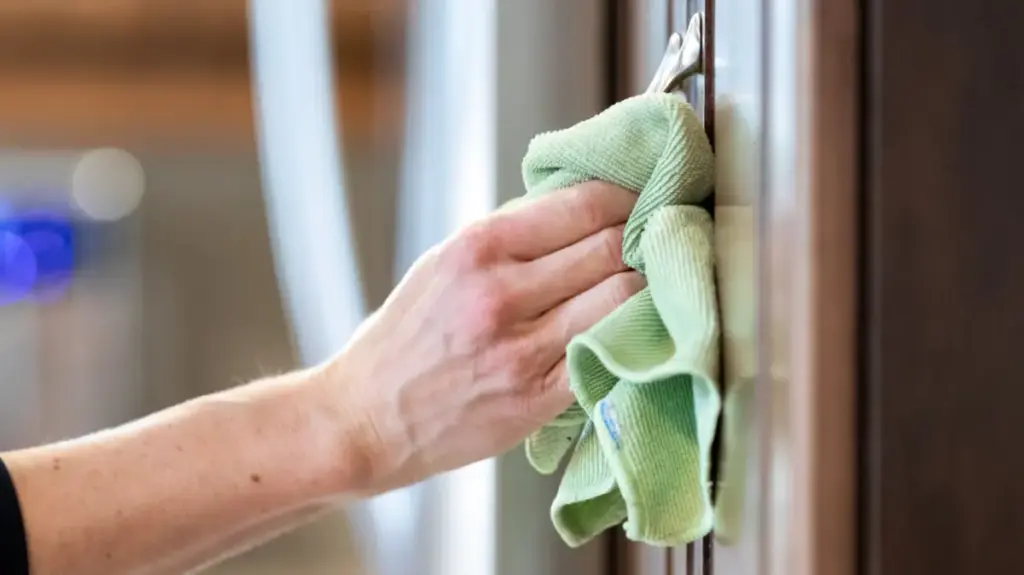
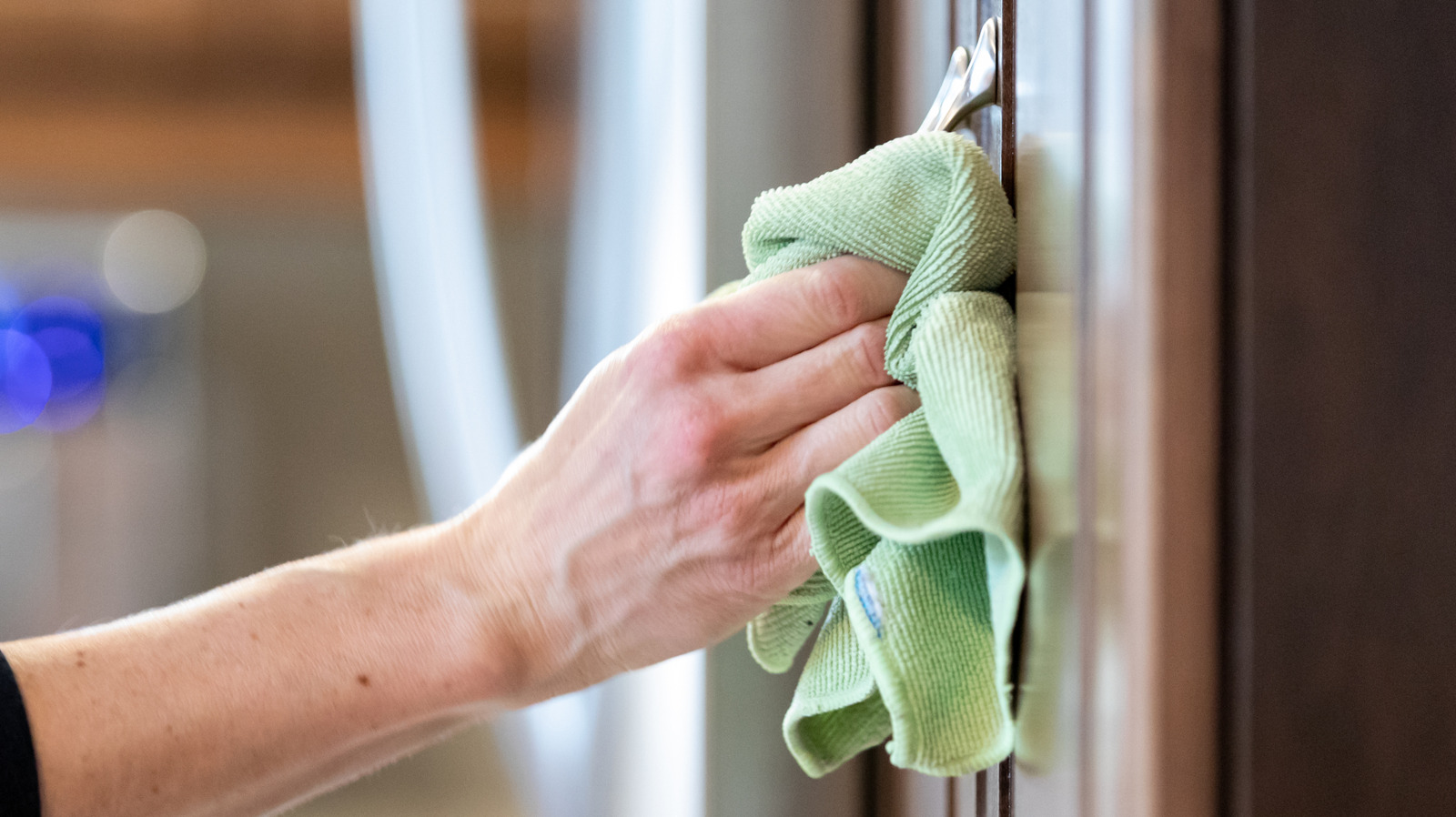
Alternative methods offer similar convenience depending on what supplies are readily available in the kitchen. Homeowners can extract lemon juice into a small bowl, dip a clean microfiber cloth into the liquid, and then dab the cloth into salt before wiping down the greasy areas. Another common variation involves pouring fresh lemon juice into a spray bottle, diluting it slightly with water, and applying a light mist to the cabinet surface before following up with a salt-dampened microfiber cloth. Regardless of the chosen application method, experts emphasize the importance of a gentle touch; scrubbing too aggressively can abrade finishes or damage the cabinet material.
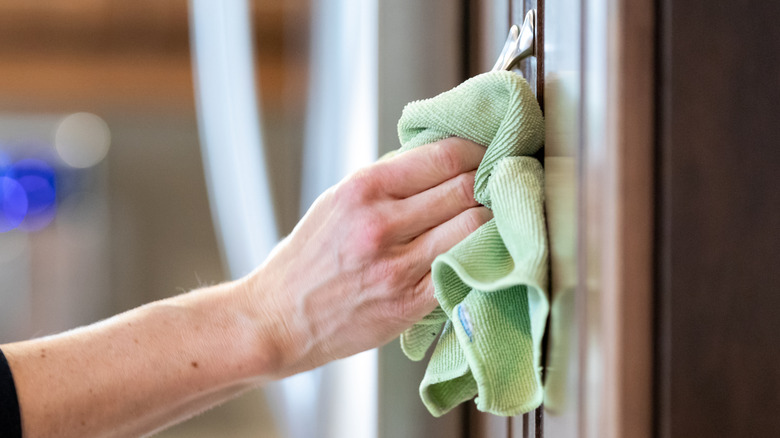
Once the grease has been successfully lifted, post-cleaning maintenance is crucial to protect the integrity of the kitchen cabinetry. Every treated area must be thoroughly wiped down with a clean, water-only cloth to remove any residual acid or salt, followed by complete drying with a soft towel. Leaving lemon juice on cabinetry surfaces for extended periods can result in a new sticky residue or expose sensitive finishes to corrosive acid damage. As a general rule of thumb, lemon juice should not remain in contact with cabinet surfaces for longer than one or two minutes.
While this natural method is remarkably effective on many kitchen surfaces, its acidic nature means it is not universally safe for every material found in a modern home. The very properties that make citric acid so effective at breaking down grease can also strip away or ruin conversion varnishes, destroy the glossy sheen of catalyzed lacquered finishes, and dull or discolor certain painted surfaces. Furthermore, unfinished wood can suffer irreversible damage to its natural color and grain smoothness if acidic juice penetrates deeply into the porous material.
Metals commonly used for kitchen hardware also require caution. Lemon juice can corrode or tarnish the surfaces of brass, copper, and aluminum. While cabinet handles and decorative fixtures are often treated to resist tarnishing, homeowners should remain aware of potential chemical reactions. To prevent accidental damage, anyone unsure about how a specific cabinet material will react should always perform a spot test before undertaking a broader cleaning project. This involves applying a small amount of lemon juice to an inconspicuous area for approximately two minutes, wiping it clean, and inspecting the finish for any signs of discoloration or dullness.
The utility of citric acid extends well beyond vertical cabinetry. The harsh, grease-cutting power of lemons can be similarly harnessed for deep-cleaning stubborn grime on stove grates and burners. For those who prefer to minimize food waste, leftover citrus peels can be repurposed to craft homemade eco-friendly cleaning solutions tailored for kitchen upkeep. Additional natural degreasing options are readily available using other common household ingredients, such as white vinegar and baking soda, allowing homeowners to maintain a clean kitchen using whatever accessible resources they have on hand.