


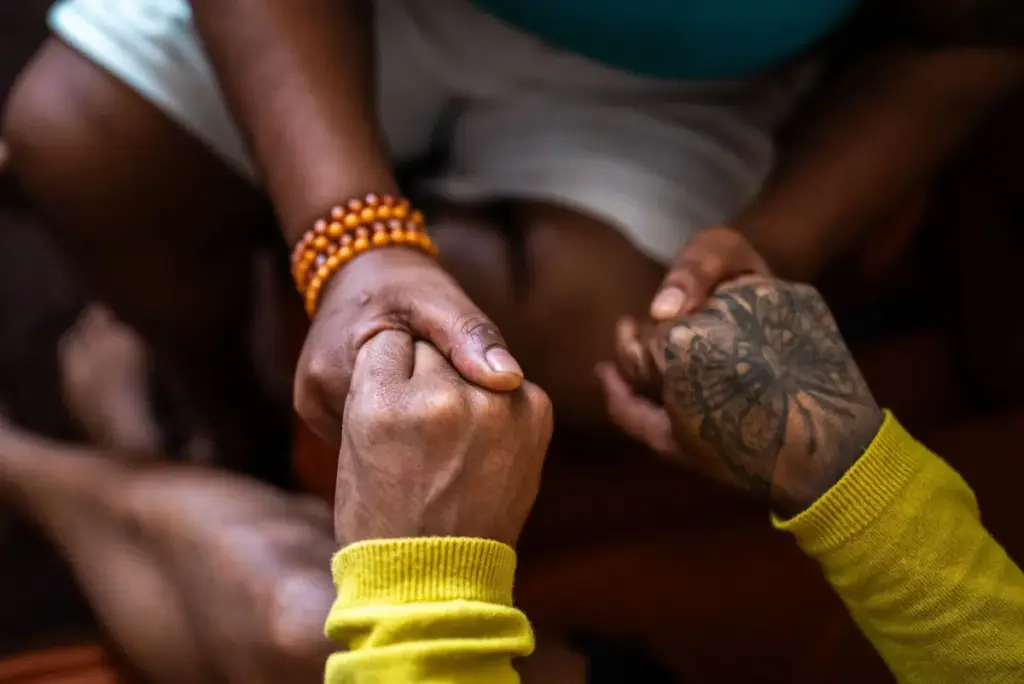
When it comes to Black women’s breast health, official healthcare statistics rarely tell a hopeful story. Public health data indicates that Black women are diagnosed with breast cancer at a younger median age—60 years old, compared to 62 for white women—and face a mortality rate that is 38% higher than their white peers. Furthermore, they experience the lowest survival rate across every known stage of the disease. Approximately one in five Black women diagnosed with breast cancer present with triple-negative breast cancer (TNBC), an aggressive, hard-to-treat form of the disease that appears more frequently in this demographic than in any other racial or ethnic group.
Yet, numbers alone can never fully capture the human experience of a diagnosis: the harrowing phone calls at three in the morning, the emotional head-shaving gatherings with loved ones, the therapy sessions that unearth deep-seated trauma, or the quiet, resolute moment when a woman gazes at her daughter or granddaughter and decides that they provide more than enough reason to fight. Black women have always been far more than a mere data point, and nowhere is that reality more evident than in the ways they confront, endure, and rebuild their lives following a breast cancer diagnosis.
The experiences detailed below belong to 13 Black women who refused to allow themselves to be reduced to statistical percentages. They are multifaceted individuals with demanding careers, children, sharp humor, unwavering faith, and deep reserves of both rage and joy. Their encounters with breast cancer changed them in ways that were simultaneously devastating and profound. By forging their own paths through aggressive medical treatments and beyond, they have constructed something that quantitative data cannot measure: a vibrant sense of community, a renewed sense of purpose, and a hard-won blueprint for survival that they are actively passing down to every woman who follows in their footsteps.
1. “I put my boxing gloves on and fought with everything I had.”
Monique Bass, 53, had always maintained a proactive approach to her personal health. As a single mother to twin sons and a grandmother of four, she began scheduling annual mammograms at the age of 40. However, it was a self-examination performed while lying in bed one night at age 47 that altered the trajectory of her life. She discovered a lump that felt distinctly abnormal.
What followed were three separate tissue biopsies of the lump spanning a three-year period, with each pathology report returning benign results. While medical professionals recommended continued monitoring, Bass pushed back against the wait-and-see approach. The mass was visibly growing, and she understood her own body well enough to recognize that something was fundamentally wrong. She insisted that physicians perform a lumpectomy to remove and comprehensively test the tissue. The subsequent diagnosis confirmed stage 1 invasive ductal carcinoma, which proved sufficiently aggressive to necessitate immediate chemotherapy.

Bass received the life-altering news while sitting inside a parked car at a local car wash. Reflecting on the moment, she notes that she felt as though she had stepped into another dimension, remarking that never in a million years did she anticipate hearing that she had cancer. The timing compounded the emotional toll, occurring in 2020 at the height of the COVID-19 pandemic, forcing her to navigate much of the ordeal in isolation. Compounding the distress, she was simultaneously navigating a divorce. Her rigorous medical protocol included four rounds of doxorubicin, four rounds of paclitaxel, and 21 individual radiation treatments. The loss of her hair proved to be the most emotionally taxing side effect, though she notes that it eventually grew back even more vibrantly following the conclusion of therapy.
Throughout the ordeal, her faith served as a steady anchor. Although not strictly religious, Bass maintains a strong belief in a higher power and felt consistently protected. Following her recovery, she established What’s Behind the Bra?, a New Jersey-based nonprofit organization that distributes comfort care packages to breast cancer patients throughout the year and hosts a weekly discussion podcast on Sunday evenings.
2. “I surrounded myself with love and laughter.”
Jaqueline Beale, 64, navigated her diagnosis with a family history deeply touched by cancer, including her mother, who had also battled breast cancer. Consequently, when she discovered a lump during a routine self-exam at age 40, the finding did not come as a complete shock. Although subsequent sonograms and mammograms produced clear results, her intuition signaled that something was amiss, prompting her to request a biopsy.
When the radiologist telephoned with the results—confirming stage 1 breast cancer, which had not spread beyond the initial cluster of abnormal cells—she could hear a bustling cityscape in the background. The physician casually noted that he was attempting to hail a taxicab in New York City while relaying the cancer diagnosis, advising her to secure a dedicated breast surgeon. Despite the blunt delivery, Beale found a strange humor in the delivery method, a perspective she maintained throughout her medical journey.
She emphasized the importance of fostering a joyful environment, instructing her family members that while she appreciated their affection, she specifically needed abundant laughter to endure the grueling treatments. She recalls an episode following a debilitating chemotherapy session when a stranger in an elevator expressed concern over her frail appearance. Her sister lightheartedly replied that Beale merely had "a little bit of cancer," prompting a horrified expression from the stranger and genuine amusement from Beale herself.

3. “What once felt like the end became the beginning of something greater.”
Annita White, 51, was five months overdue for her scheduled mammogram. Balancing the demands of being a single mother to two boys, a higher education administrator, and a first-year PhD student, she consistently found more pressing obligations. When she finally completed the screening, she anticipated receiving the standard notification letter indicating normal results. Instead, she received an urgent phone call revealing a newly developed mass.
By the time her biopsy appointment arrived, intuition had already prepared her. A technician remarked on the unusual hardness of the mass, and White internalized the diagnosis before physicians officially spoke the words. The confirmation arrived the following day, reducing her to tears of desperation as she grappled with the terrifying realization of the road ahead.
The subsequent phase of her life proved arduous across every dimension, involving chemotherapy alongside the surgical loss of her breasts and hair. Losing her hair left her feeling acutely vulnerable and insecure, while physical changes created a profound sense of disconnection from her own body. A persistent underlying fear throughout the process was the possibility of running out of time—failing to live long enough to witness her sons grow into adulthood or meet future grandchildren.
Her personal faith, which she had quietly questioned for years while seeking a deeper spiritual connection, sustained her through the darkest moments. Three years later, White remains cancer-free, has regained her hair, and successfully defended her doctoral dissertation. Operating professionally as Dr. Nita, she now participates in the African American Breast Cancer Alliance survivor network, offering mentorship and sharing her lived experience with others.
4. “The clouds are moving. The sun has decided to show itself.”
Marylande Regis, 38, had resided in her new Georgia home for just four months when her life pivoted dramatically. Working as a registered nurse and real estate agent while managing a household with her husband and three children, she had recently ceased breastfeeding her nine-month-old infant when she detected a lump. Because the infant had experienced difficulty latching on that specific side, her initial inquiry to an on-call medical provider yielded the suggestion that she was likely experiencing a clogged milk duct and was too young for serious concern.

Refusing to accept the dismissal, Regis initiated a second follow-up, prompting another obstetrician-gynecologist to schedule an immediate physical evaluation. Within two weeks, she received a formal diagnosis of aggressive stage 2B, BRCA1-positive breast cancer at age 36. Over the subsequent fortnight, what initially appeared as a single tumor and one affected lymph node progressed to three tumors and four impacted lymph nodes.
Despite the rapid advancement of the disease, Regis felt immense relief that she had forcefully advocated for her own health needs rather than allowing hesitation or fear to dictate her actions. Over an 18-month period, she underwent six months of chemotherapy, a bilateral mastectomy, six weeks of radiation, a complete hysterectomy to eliminate the body’s primary estrogen production, and subsequent reconstructive procedures. Along the way, she coped with the personal grief of losing friends and a cousin to the same disease, while her spiritual framework was severely tested.
The most challenging aspect of the ordeal was not any singular medical procedure, but rather the loss of personal control. Accustomed to managing every logistical detail for her family, relinquishing independence proved difficult. However, her mother relocated indefinitely to assist with household management, while her husband maintained steady support despite simultaneous professional setbacks. Today, Regis measures strength through daily milestones, such as walking her autistic son to the school bus and watching her older children pursue medical and nursing careers.
5. “Sickness had never been my world.”
Judy Fambrough-Billingsley, 75, had lived an exceptionally active life where illness played no role. Maintaining a routine of walking three miles daily, swimming laps seasonally, participating in Zumba classes, and playing soccer for three decades, she had never smoked, consumed alcohol, or required routine medications. Born in Germany and naturalized as a U.S. citizen, she regularly traveled internationally to visit relatives.
When she first detected a lump—followed by the appearance of another six months later—she initially dismissed the findings, particularly given her recent clean mammogram. However, observing their continued growth, she sought medical evaluation, leading to a surprising diagnosis. Finding herself suddenly immersed in a world of prescription medications, hospital visits, and clinical procedures marked an entirely unprecedented chapter in her life.

Her resilience was deeply rooted in her formative years during the Civil Rights Era. As the daughter of a prominent Black entrepreneur and a participant in the NAACP Youth Council and the Student Nonviolent Coordinating Committee, she understood the mechanics of resistance within institutional frameworks. Bringing that historical spirit of perseverance to her medical treatment, Fambrough-Billingsley approaches her ongoing breast cancer journey with the same tenacity that characterized her lifelong community advocacy.
6. “I was so used to always being the strong one.”
Taylor Johnson was approaching her 30th birthday when she discovered a lump in her left breast. As a mother and active content creator, she consulted her primary care physician, who recommended diagnostic imaging. Initially denied a mammogram due to her youth, Johnson pressed forward to secure a biopsy, which confirmed a diagnosis of stage 2 triple-negative breast cancer.
Processing the reality of the diagnosis prompted an intense emotional reaction, though she deliberately maintained emotional stability in the presence of her five-year-old daughter. Accustomed to functioning as an unwavering pillar of strength for others, Johnson found the experience tested her internal limits, though she relied heavily on a support network comprising weekly prayer circles, family visits, and a dedicated medical team at the Mayo Clinic in Arizona.
7. “I wanted to feel supported through it, not just survive it.”
Jessica Ncube, 41, spent her career serving others as a licensed clinical social worker and mental health practice co-owner. Her diagnosis was detected incidentally during a routine mammogram in the complete absence of physical symptoms, underscoring the critical value of preventive screenings. Following initial lumpectomy results that revealed unclear margins, Ncube elected to undergo a double mastectomy and reconstructive surgery.
Navigating the dual realities of gratitude for life-saving intervention and grief over bodily loss required a significant psychological shift. Accustomed to dispensing emotional support rather than receiving it, she had to unlearn cultural expectations surrounding the stoicism expected of Black women, learning instead to balance personal resilience with vulnerability and emotional rest.

8. “Cancer doesn’t define you. You define you.”
Ameiko Newman, 40, discovered her diagnosis under emergency circumstances after seeking hospital treatment for severe abdominal pain. Finding herself in the midst of a stressful personal period, she views the diagnosis as a catalyst that provided profound life direction and personal clarity.
Currently undergoing weekly cycles of chemotherapy and immunotherapy, Newman maintains her routine through daily prayer, church involvement, and physical fitness. Furthermore, she channeled her experience into professional advocacy, adapting her business ventures to design specialized headwear and scarves tailored specifically for patients undergoing chemotherapy.
9. “I shifted to being overly optimistic.”
Charlotte Connor, 38, detected a breast lump shortly after undergoing a breast augmentation procedure at age 30. Initial clinical dismissals based on her young age delayed advanced imaging, and by the time a biopsy was performed a year later, the mass had tripled in size, resulting in a diagnosis of stage 2A ductal carcinoma.
Choosing to maintain an optimistic outlook rather than yielding to despair, Connor focused mentally on her post-treatment future, driven primarily by the desire to model resilient coping mechanisms for her young daughter. A supportive circle of family and friends further sustained her through collaborative gatherings, including a pre-treatment head-shaving event.
10. “We have been through challenges our whole lives. This is just one more.”
Donna Culmer received a clean mammogram in 1999, only to detect a distinct lump on her right side months later. While that specific mass proved to be fibrocystic, diagnostic imaging revealed an asymptomatic, stage 1 cancerous spot on her opposite breast. At age 46, while serving as a U.S. Navy instructor training military personnel and raising three children, she navigated four months of debilitating chemotherapy followed by a mastectomy.

Supported by her father, who transported her to every medical appointment, and her local church community, Culmer completed her treatment successfully. Reflecting decades later at age 73, she emphasizes that the historical resilience demanded of Black women provides a strong framework for confronting medical crises with practical inquiry and determination.
11. “Therapy fortified me to get through cancer.”
Patricia Fox discovered a golf-ball-sized lump in her right breast at age 26. Initial medical consultations at the time attributed the finding to dense breast tissue and cysts common among young Black women, nearly resulting in her dismissal from the clinic. Trusting her intuition, she insisted on a biopsy, which confirmed estrogen receptor-positive stage 2A breast cancer.
While initial optimism sustained her early on, the cumulative toll of treatment eventually triggered deep emotional distress. Fox credits specialized psychological therapy with helping her process both the physical diagnosis and broader behavioral patterns in her life, ultimately breaking through cultural taboos surrounding mental health support within the Black community.
12. “I turned to prayer to remain calm.”
Annette Colden, 63, was inspired to maintain rigorous screening habits after witnessing her sister pass away from breast cancer following multiple prior diagnoses. Although initial annual mammograms remained clear, a subsequent scan revealed an anomaly that physicians initially dismissed as benign tissue changes. Trusting an internal sense of unease, Colden subsequently received a stage 0 diagnosis at age 42.
Leaning heavily on her faith and maintaining a calm demeanor throughout her medical care, Colden subsequently dedicated her time to supporting other patients through Roswell Park Comprehensive Cancer Center. Her volunteer work ranges from midnight check-ins during painful treatment phases to delivering care packages to homebound patients, fulfilling the supportive vision inspired by her late sister.

13. “I quit my life and started a new one as an advocate.”
Ricki Fairley received her stage 3A triple-negative breast cancer diagnosis at age 55 while standing in an airport security line for a business trip. Recognizing the aggressive nature of TNBC and its elevated prevalence among Black women, Fairley fundamentally restructured her life during her first year of treatment—which involved a double mastectomy, chemotherapy, and radiation—by resigning from her employment, filing for divorce, and launching a new enterprise focused on personal peace.
When a subsequent diagnosis of metastatic breast cancer introduced a grim prognosis, Fairley actively sought out specialized medical expertise that successfully cleared the disease a second time. Having reached a point of personal renewal, she co-founded The Black Breast Cancer Alliance, dedicating her platform to reducing systemic mortality disparities and empowering women facing similar diagnoses.