




U.S. consumers who purchased eligible iPhone models over the past couple of years may soon be entitled to financial compensation following a massive class-action settlement reached with Apple. The tech giant has agreed to pay $250 million to resolve allegations that it misled consumers regarding the timeline for rolling out its heavily promoted Apple Intelligence and AI-powered Siri features, which faced significant and prolonged delays following their initial announcement in the summer of 2024.
Under the terms of the proposed settlement, eligible customers could receive anywhere from $25 to $95 per qualifying device, depending on the total volume of valid claims submitted. While Apple has continuously denied any wrongdoing or admission of liability in the matter, the company chose to settle the litigation to resolve the dispute and avoid ongoing legal proceedings. To secure a payout, qualifying device owners must ensure their claims are submitted by the final deadline of December 21, 2026.
The Origins of the Class-Action Lawsuit
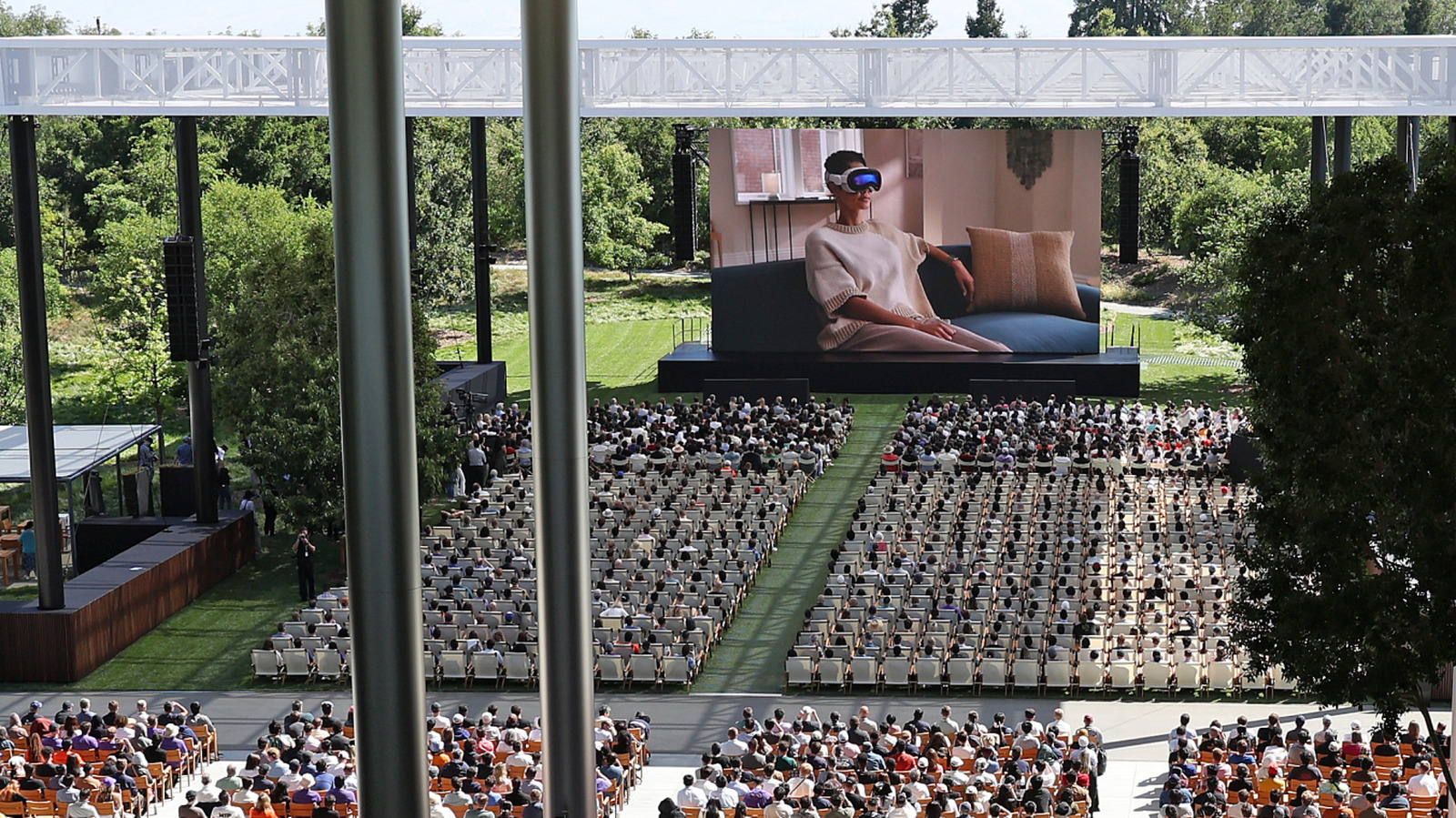
The legal scrutiny stems from Apple’s Worldwide Developers Conference (WWDC) in June 2024, where company executives took the stage to announce Apple Intelligence—a suite of artificial intelligence features designed to overhaul the Siri assistant and deeply integrate generative AI capabilities across the iOS ecosystem. At the time, the company indicated that these advanced capabilities would begin rolling out to users later that year.
Relying on these forward-looking announcements, millions of consumers rushed to upgrade their smartphones, purchasing new iPhone models between June 10, 2024, and March 29, 2025. However, as subsequent months unfolded, Apple’s internal development teams encountered major technical roadblocks. The AI features failed to materialize on the anticipated schedule, leading to a cascade of delays that pushed initial feature rollouts into 2025 and subsequent releases well into later quarters.
Frustrated by what they viewed as deceptive marketing designed to artificially boost device sales during a critical product cycle, consumers filed a class-action lawsuit spearheaded by the Clarkson Law Firm. The complaint argued that Apple deliberately induced customers into purchasing expensive hardware under the false pretense that the hardware would immediately or imminently support next-generation artificial intelligence capabilities.
As the delays mounted, internal friction within Apple’s leadership became apparent. John Giannandrea, the executive who had been leading Apple’s artificial intelligence initiatives, initiated his retirement process from the company. Simultaneously, Apple was forced to alter its strategic roadmap, eventually forming a partnership with Google to leverage Google Gemini technology to help bolster and accelerate its internal AI development efforts. Despite these pivots, the full realization of the original Apple Intelligence vision took much longer than initially promised to consumers.
What the Settlement Covers and Who Is Eligible
The $250 million settlement fund is structured specifically to compensate consumers who purchased qualifying hardware in the United States during the designated timeframe. Because the litigation was filed in the U.S. judicial system and pertains to American consumer protection laws, the agreement strictly extends to devices purchased within the U.S. Consequently, Apple customers residing in the United Kingdom, Canada, France, and other international jurisdictions are excluded from this particular class action.
To qualify for a payout, claimants must meet several specific criteria. Most importantly, they must be able to verify that they purchased an eligible iPhone model between June 10, 2024, and March 29, 2025. Furthermore, the device must have been acquired for personal or business use rather than for commercial resale, and the claimant must be the original purchaser of the device.
While the base payout is estimated at approximately $25 per qualifying device, the final amount distributed to individual claimants is subject to change. The actual financial compensation may fluctuate depending on the total number of successful claims processed. If a high volume of valid claims is filed, individual payouts may lean closer to the lower baseline estimate. Conversely, if relatively few consumers submit valid claims before the deadline, the payout per device could rise up to a maximum cap of $95.
It is also important to note that the $250 million total settlement figure is a gross amount. Before individual checks are distributed to consumers, a significant portion of the fund will be allocated toward covering mandatory legal fees, administrative expenses, taxes, and other court-approved deductions associated with managing the class-action administration.
How to Submit Your Claim
Eligible U.S. consumers who wish to receive financial compensation must proactively submit a claim through the official settlement administration website designated for the case, which can be found at SmartphoneAISettlement.com.
The claims process requires participants to provide specific verification details regarding their hardware purchase, including the unique serial number of their iPhone. Apple users can easily locate their device’s serial number by navigating through the iOS interface to Settings, selecting General, and tapping on About. Claimants must also be prepared to provide documentation or proof of purchase establishing that the transaction occurred within the qualifying window between June 10, 2024, and March 29, 2025.
The administrative window for filing claims is open, but consumers must act before the final cutoff date. All claims must be successfully submitted by December 21, 2026. Submissions received after this deadline will not be honored, meaning eligible device owners who fail to act within the allotted timeframe will forfeit their opportunity to secure a cut of the settlement funds.