


As the crisp air of autumn settles in, the seasonal ritual for winter sports enthusiasts begins. While the rest of the world leans into apple orchards and slow cookers, skiers shift their focus to gear hunts, fresh wax applications, and scouring the internet for lift ticket deals. This mounting excitement typically sustains itself from the first changing leaf of the season all the way until about 10 P.M. on opening day.

Then, morning arrives, bringing with it the reality of day two. Quads burn with a fierce intensity, calves feel as though they have been wound too tight, and skiers are left wondering why they completely neglected their hip and groin stretches during the off-season.
To understand why day two on the mountain hits the human body with such debilitating force, experts point to a unique combination of physiological stressors. Milica McDowell, a doctor of physical therapy and owner of Clearwater Physical Therapy in Bozeman, Montana, brings over two decades of clinical experience to the discussion. Growing up skiing at Alyeska Resort in Alaska and married to Paul Herberger—a retired Freeride World Tour skier turned coach—McDowell understands intimately why the body reacts so violently to the transition from pavement to powder.
According to McDowell, day one on the slopes is often a deceptive experience. Most skiers feel virtually nothing out of the ordinary, shielded entirely by a heavy surge of adrenaline. However, the tables turn dramatically by day two, leaving many feeling as though they have been directly struck by a heavy snowcat overnight. This inevitable discomfort is driven by three distinct physiological factors.
The primary culprit is eccentric loading, a biomechanical process that occurs when a muscle is forced to contract while simultaneously lengthening, much like the lowering phase of a deep squat. In a study examining the physical toll of downhill snowsports, 24 fit skiers spent four hours navigating the slopes. Even a full day later, testing revealed they still suffered from significantly reduced eccentric strength in both their hamstrings and their quads. McDowell describes the cellular result of this stress as tiny microtraumas distributed throughout the muscle tissue. Furthermore, a comprehensive 2019 research review highlights that muscle soreness stemming from unfamiliar eccentric movements typically peaks between 24 and 72 hours after the activity concludes.

The second major contributor is the distinct gap that frequently exists between general gym fitness and true ski-specific conditioning. While traditional strength training and cardiovascular routines are undoubtedly beneficial for overall health, McDowell notes that they are rarely specific enough to match the punishing demands of carving aggressive turns for hours on end. Research focusing on elite ski racers demonstrates that the sport relies heavily on slow, controlled lowering movements and long, sustained muscular holds. While physical therapists often recommend slow-tempo resistance work and wall sits to bridge this gap, McDowell emphasizes that preparing the body to spend hours locked in a flexed ankle and flexed knee position remains an immense challenge.
The third underlying factor is high altitude. The thin air found at mountain resorts makes it substantially harder for the cardiovascular system to deliver adequate oxygen to working muscles, causing physical fatigue to set in much earlier than it would at sea level. According to clinical data from the Cleveland Clinic, symptoms of altitude sickness, including persistent headaches and profound fatigue, often manifest within a day or so of arrival. As McDowell succinctly summarizes the cumulative effect, it is simply harder work to do the work at high elevations. While a certain degree of muscle soreness is entirely normal and rarely persists beyond five days, waking up feeling as though you endured a heavy night of celebrations without actually consuming any beverages is often a direct result of thin air.
Addressing these physical hurdles requires intentional preparation well before stepping into a binding. Rather than waiting for the season to expose structural weaknesses, experts recommend initiating a targeted conditioning plan four to six weeks prior to the first ski trip. This preparation generally incorporates a mix of lower-body strength movements and cardiovascular conditioning. Because introducing novel eccentric movements will inevitably generate some degree of initial soreness, it is wise to start with lighter loads and gradually build intensity over time.
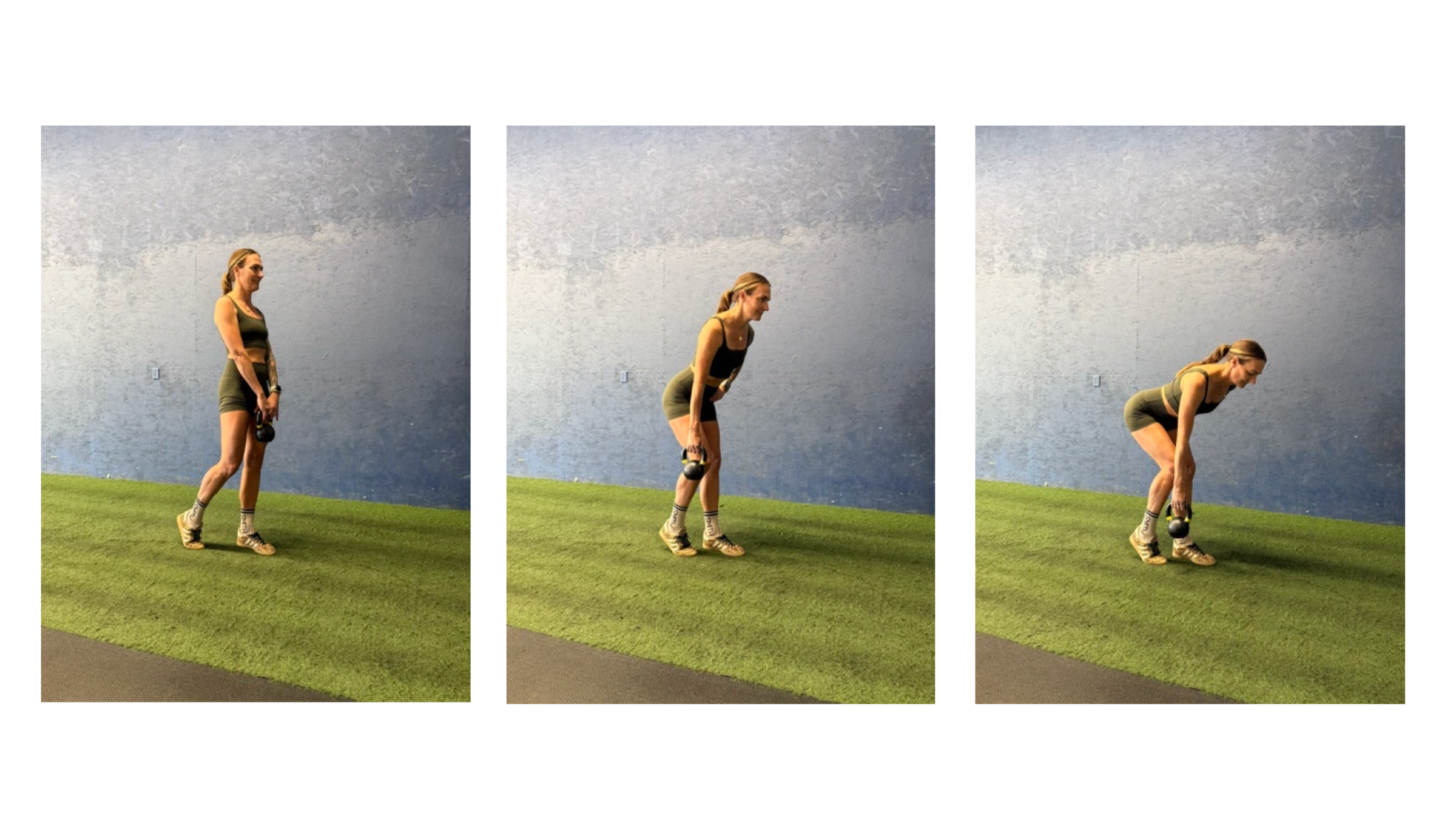
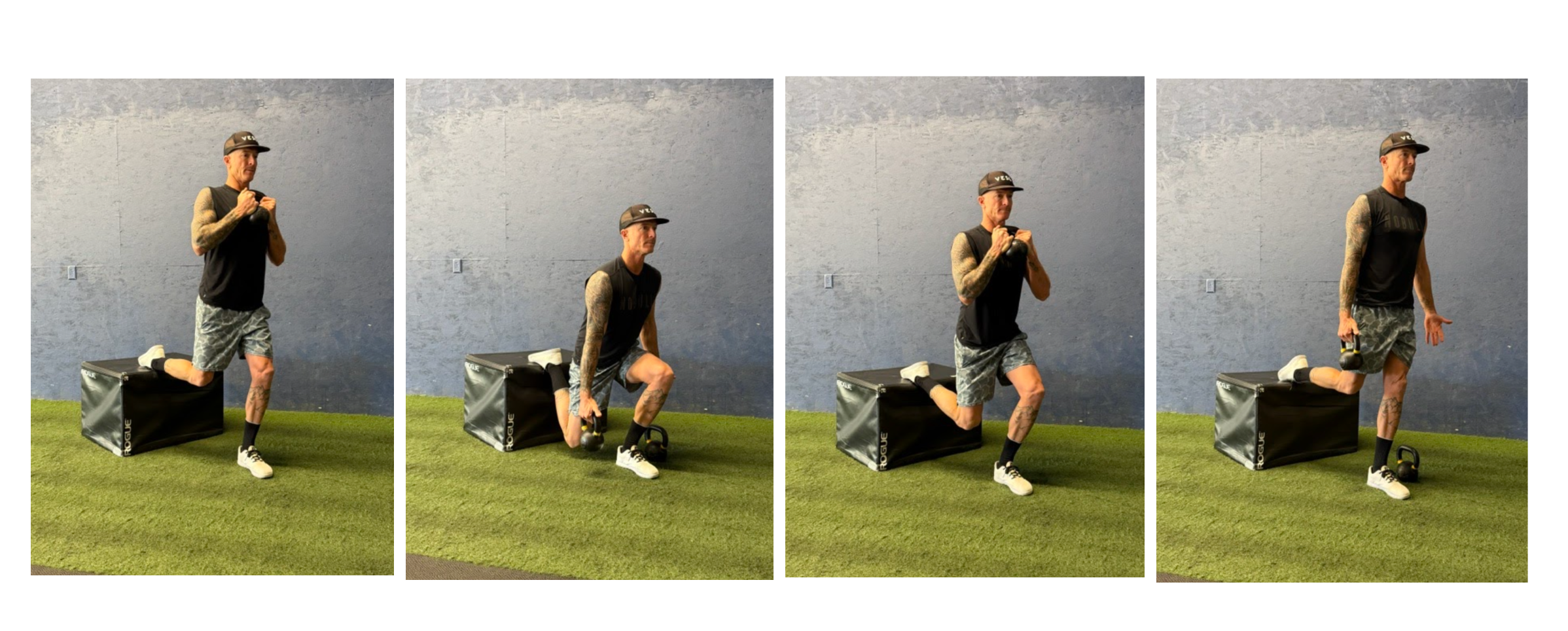
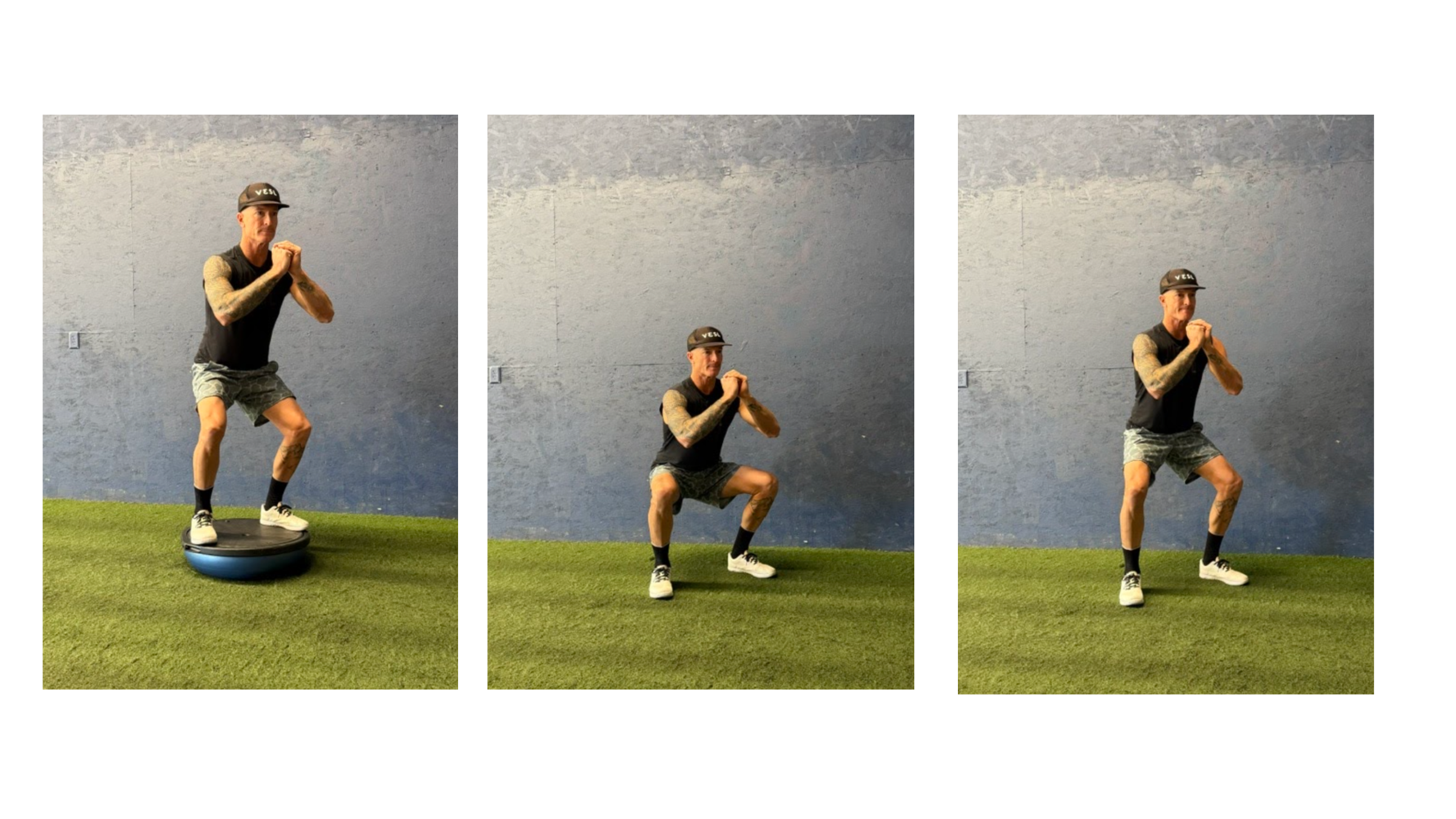
Incorporating specific movements into a routine can drastically alter how the body responds to the rigorous demands of downhill skiing. Exercises that mimic the exact angles and stressors of the sport help build the necessary muscular endurance. For instance, deep, continuous squat variations can effectively simulate the sustained strain of repeated turns on a steep descent. Similarly, unilateral leg movements help correct imbalances between the left and right sides, ensuring that each leg can independently handle the heavy loads transferred during a turn. Short bursts of cardiovascular exertion, interspersed with adequate recovery periods, help condition the heart and lungs to cope with both the physical output and the lower oxygen levels found at high altitudes.
A proper dynamic warm-up immediately before hitting the slopes can also prime the nervous system and musculature for action. Engaging in light calisthenics until the heart rate rises moderately above resting levels helps increase blood flow to the extremities. Following this with targeted mobility work for the calves, quads, and hips ensures that joints move through their full ranges of motion, mirroring the deep flexion required inside rigid ski boots. While research suggests that traditional stretching may not completely eliminate post-activity soreness, it contributes to overall comfort and flexibility, while light movement and walking between ski days can help maintain circulation and ease stiffness.
Ultimately, the physical cost of skiing is a bill that arrives regardless of whether a visitor has planned for it. Experienced veterans of the sport understand that longevity on the mountain is dictated by proactive choices made well before the snow starts to fall. At 73 years old, Joe Puchek has been skiing for 71 consecutive years, offering a simple philosophy for those hoping to follow in his footsteps: make the decisions today that allow you to ski tomorrow. While tuning gear and prepping equipment are essential autumn rituals, conditioning the body remains the one preparation that cannot be skipped.