


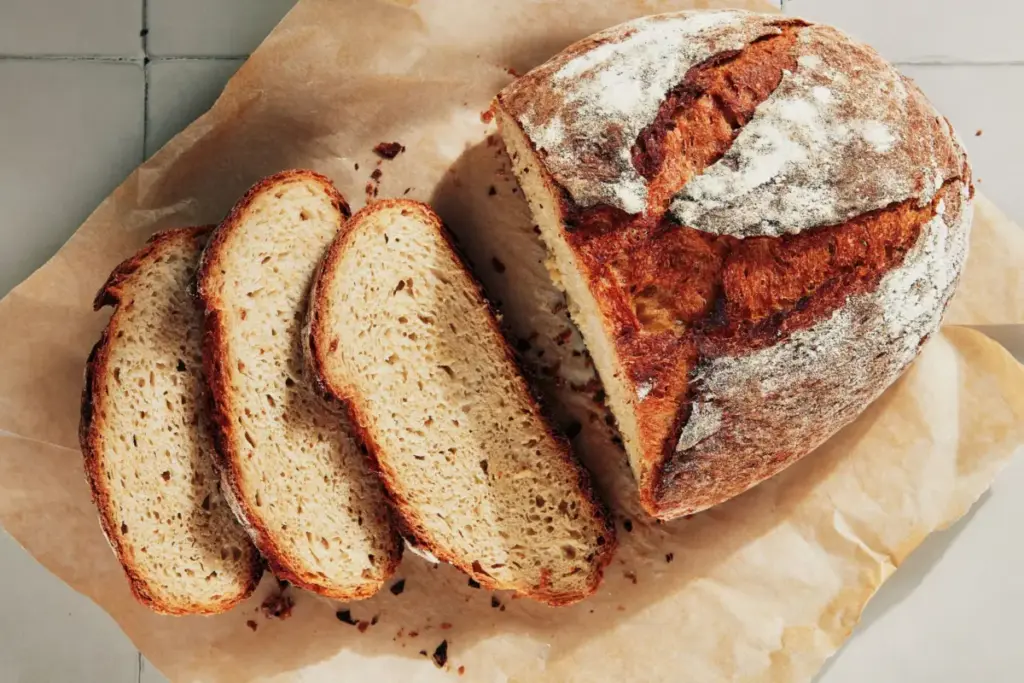
What a difference a single ingredient can make. By making one simple substitution from water to apple juice in a standard bread recipe, bakers can transform a basic white loaf into a subtly sweet creation that is entirely versatile. This reimagined bread is equally suited for a morning meal, where it can be torn apart and paired with a generous smear of good butter, or at midday, where it manages to elevate a humble peanut butter and jelly sandwich to an entirely new level.
The result is a culinary illusion of sorts. Visually and tactilely, the loaf appears and feels like any other soft white bread. Yet, upon the first bite, an unmistakable, delicate undercurrent of apple sweetness reveals itself, acting almost like a magic trick baked right into the crust and crumb.
The inspiration for this creative shift in baking originated far from a typical domestic kitchen. It was first encountered at a small, intimate four-seat teppanyaki restaurant tucked away in the back of the Suiran Hotel in Kyoto, Japan. There, chef Tsubasa Yamaguchi served the bread before the very first course of the meal, establishing it as an ideal and memorable way to set the tone for the dining experience.
Intrigued by the unique flavor profile and how it harmonized with the meal, the diner asked the chef what distinct methods or ingredients he used to prepare it. Chef Yamaguchi’s response was astonishingly straightforward: he simply took the exact same rustic bread recipe he used for baking elsewhere and substituted apple juice directly in place of water.
Incredulous at the simplicity of the answer, the diner pressed for details. Was it truly the same amount? Yes. Did he use the exact same technique? Yes again. That revelation was all it took to spark a lasting fascination.
As it turns out, this water-to-juice switcheroo introduces an inviting taste of autumn directly to the table without compromising any of the structural integrity, shape, or soft texture of the original loaf. Since that initial encounter in Kyoto, the technique has found a permanent home in domestic kitchens, quickly becoming an instant favorite for both breakfast and lunch routines. It is a modification so accessible that it is bound to find a similar following in homes far and wide.
Achieving this remarkable loaf does require a mindful approach during one specific part of the baking process. Bakers are advised to take careful care when lowering the shaped dough into a hot Dutch oven. While it admittedly stands out as a slightly nerve-wracking moment in the kitchen, requiring a steady hand and undivided attention, it is entirely manageable with a little bit of focus. With that single moment of caution navigated successfully, the rest of the process yields a rewarding culinary result that proves grand flavors often stem from the simplest changes.