


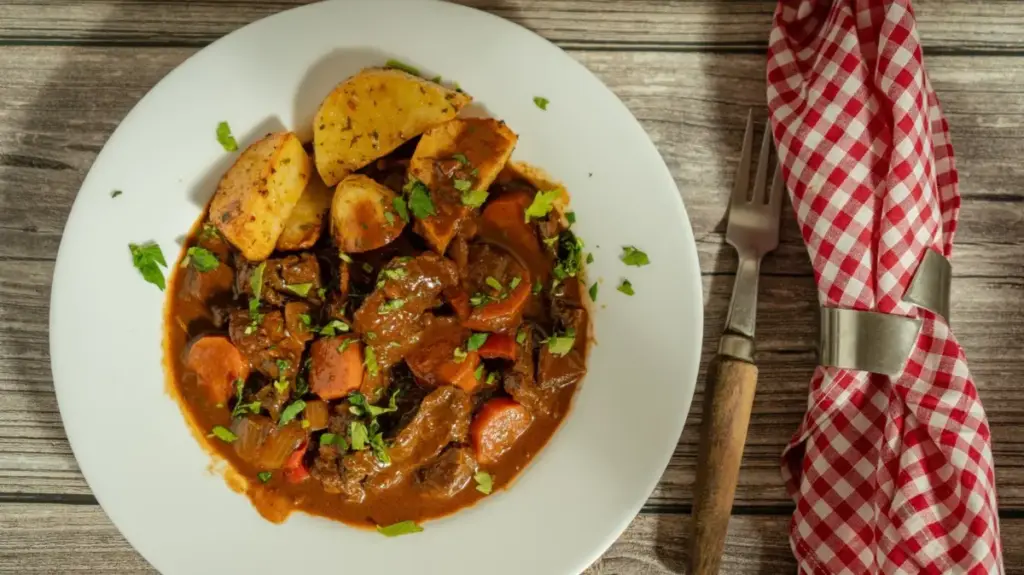
When cold weather settles in and the temperature outside begins to plummet, home cooks naturally gravitate toward the most comforting, robust dishes in their culinary repertoires. Few meals evoke the warmth and coziness of a traditional pot roast, simmering slowly for hours until the kitchen is filled with the rich, savory aromas of beef, root vegetables, and rich broth. Yet, for all its undeniable comfort, the classic family-style pot roast—usually anchored by a hefty, well-marbled slab of beef chuck—can occasionally feel heavy, overly rich, and remarkably sluggish on the palate. The sheer density of the dish, while deeply satisfying on a freezing evening, can sometimes leave diners feeling weighed down.
Fortunately, cooks do not have to abandon this beloved cold-weather staple to keep their meals feeling balanced. For centuries, traditional Norwegian kitchens have employed a distinct, aromatic ingredient to elevate heavy meats, cut through excess grease, and bring a refreshing sense of balance to long-simmered dishes: the juniper berry.
Though widely referred to as a berry in culinary and colloquial terms, the juniper berry is not actually a true botanical berry at all. Instead, it is the female seed cone produced by various species of juniper plants, featuring tightly flattened scales that bear a striking visual resemblance to an allspice or saskatoon berry. Despite this familiar appearance, anyone tempted to pop a raw juniper berry directly into their mouth in search of a juicy, sweet flavor profile akin to a blueberry or raspberry will be in for a sharp surprise. Juniper berries are intensely astringent, woody, and pungent, making them entirely unsuited for casual snacking. Instead, they function strictly as a potent spice, prized across northern Europe and Scandinavia for their unique, multifaceted flavor profile.
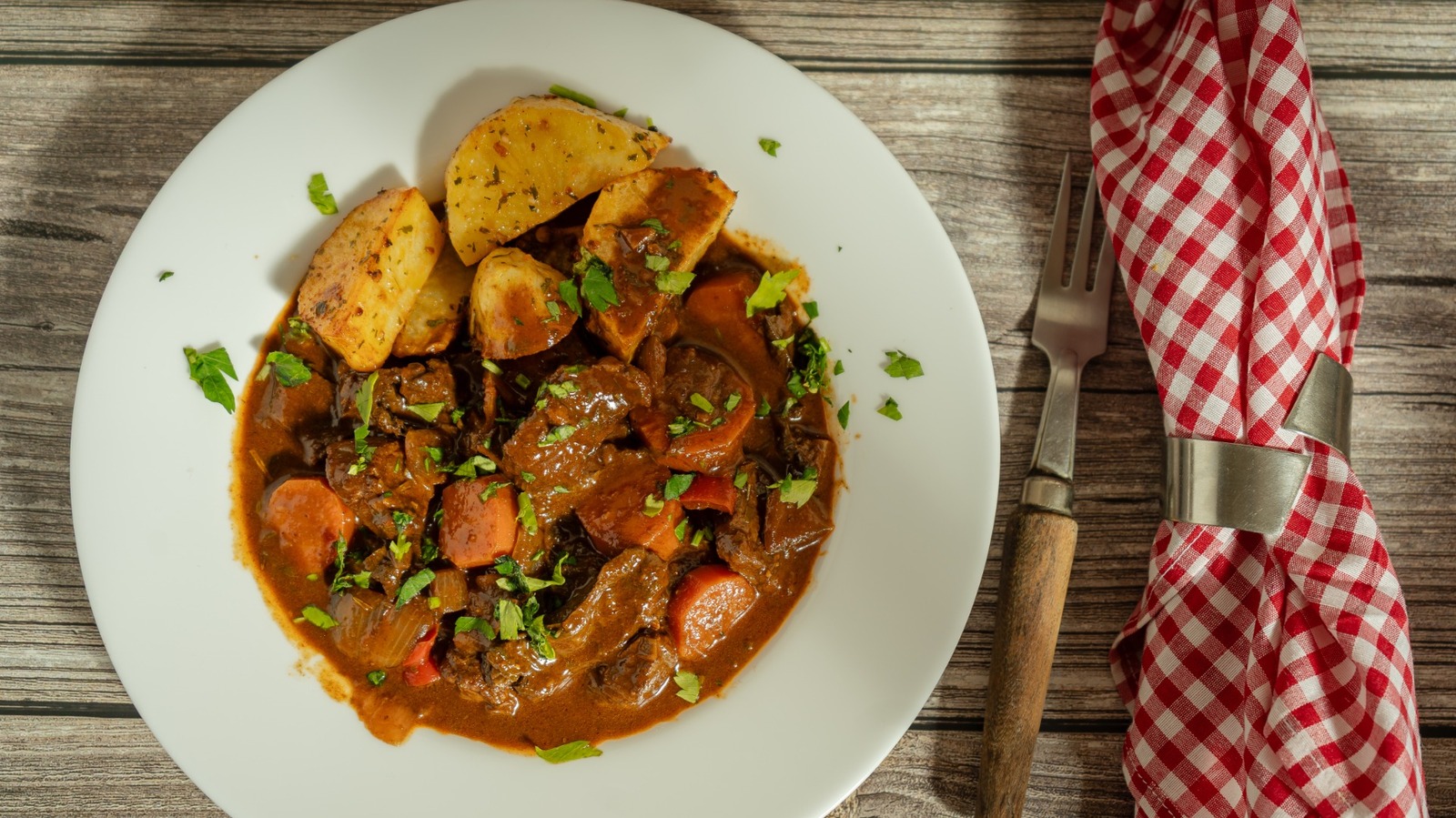
The botanical nature of juniper delivers a complex sensory experience, characterized by a distinct blend of citrusy brightness, sharp pepperiness, and clean, piney notes. This vibrant, floral aroma is perhaps most famously recognized across the globe as the foundational flavoring component that gives gin its signature taste. However, for centuries, northern European culinary traditions have harnessed this very same alpine brightness to cut through the heavy, often overwhelming richness of game meats and braised beef dishes.
In traditional Scandinavian cooking, juniper berries are frequently utilized in fresh, dried, or pulverized forms. Cooks routinely toss them into simmering stews and braises specifically to tame the strong, distinct gaminess of meats such as venison, rabbit, and duck. By introducing a sharp, woodsy counterbalance to proteins loaded with natural fats and deep, earthy flavors, the spice prevents the dish from tasting overly heavy or monotonous, lifting the entire flavor profile with a subtle, aromatic finish.
How to Elevate Your Pot Roast With Juniper Berries
Plants belonging to the genus Juniperus grow in remarkable abundance across vast regions of North America and Europe, thriving in varied climates and terrains. However, culinary experts and botanists alike caution against amateur foraging, advising home cooks against harvesting wild juniper unless they possess expert knowledge of plant identification. Not all varieties of juniper are safe for human consumption, and certain species can be toxic. Furthermore, medical professionals note that pregnant women are generally advised to steer clear of juniper berries entirely, as compounds within the seed cones can potentially stimulate uterine contractions. For safe and reliable cooking applications, culinary enthusiasts can easily source dried or powdered juniper berries from specialty spice merchants, well-stocked international grocers, and gourmet retailers.
When working with juniper berries in the kitchen, cooks must account for their extraordinary potency. Dried berries pack a significant aromatic punch, while fresh berries are even more potent, meaning a modest quantity goes an astonishingly long way. For a standard family pot roast, recipes typically call for a surprisingly conservative amount—usually ranging anywhere from just four to ten individual berries.
Incorporating the spice into a braised beef dinner requires very little deviation from standard cooking methods. After thoroughly searing the beef chuck to develop a rich, caramelized crust, the meat is transferred into a traditional Dutch oven, a modern slow cooker, or an electric pressure cooker alongside the customary supporting cast of root vegetables, including carrots, potatoes, and onions. As the braising liquid—typically a rich beef stock accompanied by standard aromatics like garlic, thyme, or rosemary—begins to simmer, the designated number of juniper berries is tossed directly into the pot.
As the pot roast bubbles away over several hours, the juniper berries slowly release their essential oils into the surrounding liquid. Rather than overpowering the dish, the spice melts seamlessly into the braise, imparting a sophisticated, woodsy aroma and a subtle, refreshing edge that cuts directly through the heavy fats of the beef. The result is a profoundly comforting winter meal that retains all its traditional heartiness while gaining an unexpected, bright complexity that prevents the palate from becoming fatigued.
Beyond the traditional beef pot roast, this versatile Scandinavian addition can easily find a home in a wide variety of comforting cold-weather recipes. Cooks can experiment by tossing a few crushed berries into simmering pots of chili to introduce a welcome touch of citrusy flair, or incorporate pulverized juniper into dry rubs, marinades, rich sauces, and sticky glazes designed for roasted meats. The spice also takes center stage in advanced culinary creations, anchoring complex dishes such as juniper-infused duck served alongside a sweet corn and sage relish. By looking to centuries-old northern European traditions and embracing the unique aromatic properties of juniper berries, home cooks can easily transform a standard, heavy winter meal into a balanced and deeply memorable dining experience.