


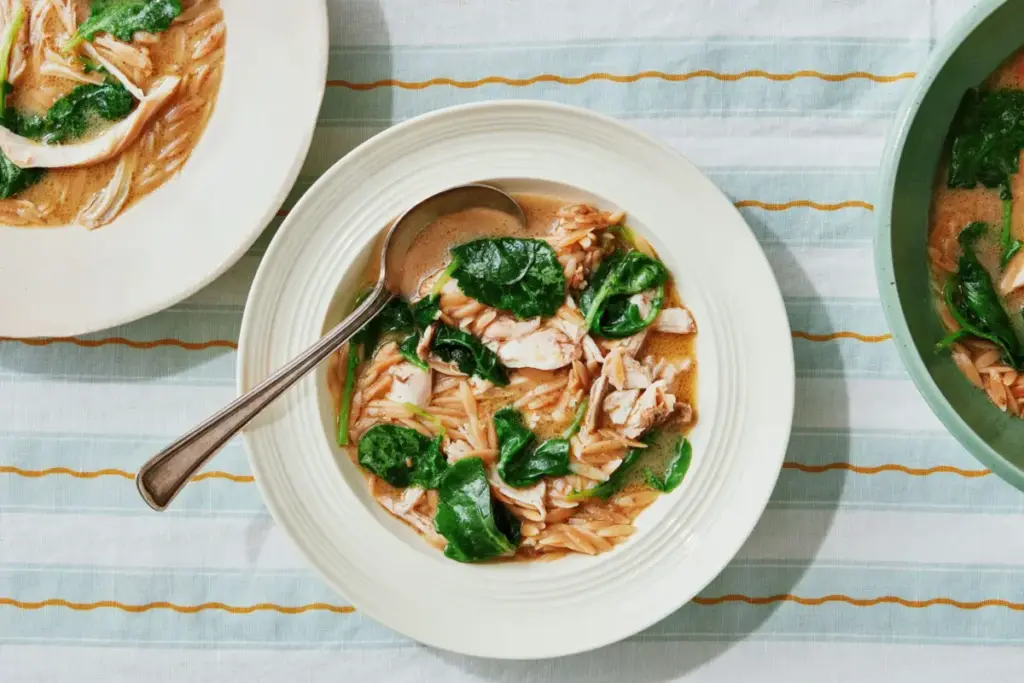
Chicken noodle soup has long held a sacred, universally recognized place in culinary culture as the ultimate remedy for everything from a stubborn winter cold to a homesick spirit. Across generations and global cuisines, the basic formula has remained largely unchanged: tender pieces of poultry, a clear savory broth, soft vegetables, and some form of boiled pasta or noodles floating in the bowl. Yet, culinary traditions are constantly evolving, and a fresh culinary approach is breathing new life into this humble comfort food by drawing inspiration from the rich, aromatic heritage of Egyptian bird tongue soup.
This modern take on a timeless classic maintains the deeply comforting properties of traditional chicken soup while infusing the broth with a complex, warming array of spices and a clever preparation technique that completely redefines the texture of the dish. At the heart of this revitalization is the humble orzo pasta, an ingredient that often plays a secondary role in soups. By breaking away from standard noodle preparation methods, home cooks and culinary enthusiasts are discovering how a simple shift in technique can elevate an everyday weeknight dinner into something remarkably distinct and memorable.
The secret to this elevated texture lies in a foundational step that transforms the orzo before it ever touches the liquid base. Rather than dropping raw pasta directly into simmering broth—a method that frequently results in overly soft noodles that continue to absorb liquid until they go completely limp—the orzo in this recipe undergoes a deliberate toasting process. Cooked in unsalted butter until it achieves a deeply golden hue and emits a rich, nutty fragrance, the pasta undergoes a chemical transformation. This browning not only builds a foundational layer of flavor built on toasted lipids and caramelized starches, but it also alters the structural integrity of the grain.
Well-toasted orzo behaves quite differently from plain, boiled pasta. In a hot soup, it maintains an al dente bite for a significantly longer duration, stubbornly holding its shape and distinct texture until the very last bowl is doled out. This prevents the common pitfall of soup turning into a thick, porridge-like consistency if it sits on the stove or in the refrigerator overnight. The nutty flavor profile imparted by the butter further bridges the gap between the savory poultry and the aromatic spices introduced in the broth.
Speaking of the broth, this reimagined recipe moves away from the reliance on water and chicken pieces alone, recognizing that modern palates demand a more robust flavor profile. While simmering chicken thighs in water creates a basic stock, store-bought chicken broth, high-quality stock, or concentrated bouillon paste offer an immediate, reliable boost of savory depth that home-cooked broths often lack unless simmered for many hours. For those seeking an even more nutrient-dense and intensely flavored option, chicken bone broth serves as an exceptional base. Its high collagen content gives the liquid a rich, velvety mouthfeel that coats the tongue and enhances the overall comfort of the dish.
The flavor profile of the broth itself is where the Egyptian inspiration truly shines, moving far beyond the standard mirepoix of carrots, celery, and onion typically found in Western comfort food. Instead, the soup is built upon a foundation of warming spices and aromatics that create a complex, fragrant steam. Crushed fennel seeds introduce a subtle anise-like sweetness, which is balanced by the sharp, pungent bite of freshly grated ginger. Ground cardamom and a whisper of ground cloves round out the spice blend, imparting an exotic warmth that feels both grounding and entirely unexpected in a traditional chicken noodle context.
This aromatic base interacts harmoniously with the protein components of the dish. Using skinless, boneless chicken thighs ensures that the meat remains tender and succulent throughout the simmering process, resisting the dryness that often plagues boneless chicken breasts when boiled. Seasoned meticulously with kosher salt and freshly ground pepper, the chicken absorbs the complex spices of the broth while simultaneously enriching the liquid with its own natural fats and savory juices.
To balance the richness of the buttery orzo and the spiced, warming broth, the recipe incorporates elements designed to brighten the flavor profile just before serving. Finely grated lemon zest and a generous splash of fresh lemon juice introduce a sharp, vibrant acidity that cuts through the heavier notes of butter and poultry fat. This citrusy lift prevents the soup from feeling heavy, ensuring that every spoonful remains lively and refreshing.
Furthermore, the addition of tender greens—such as baby kale or spinach—infuses the soup with vibrant color and a mild earthy flavor. Wilted gently in the hot broth at the final stage of preparation, these greens add nutritional value and visual appeal, transforming a monochromatic bowl of soup into a vibrant, multi-dimensional meal.
For those looking to expand their repertoire of nourishing, comforting soups beyond this spiced chicken and orzo variation, the culinary landscape offers a diverse array of creative options. Dishes like curried yellow squash soup provide a vibrant, vegetable-forward alternative with a gentle kick of spice, while broken lasagna noodle soup with spinach offers a playful, rustic take on pasta-based broths. Meanwhile, spicy cod and potato chowder demonstrates how seafood and warming spices can come together to create a hearty, satisfying bowl designed to combat the chill of colder days.
Ultimately, this modern interpretation of chicken noodle soup demonstrates how honoring global culinary traditions—such as the spiced broths of Egypt and the thoughtful manipulation of pasta textures—can breathe new life into familiar favorites. By combining simple, accessible ingredients with intentional techniques like butter-toasting and aromatic layering, home cooks can easily elevate a standard comfort food into an extraordinary dining experience.