


There is tired, and then there is the profound, systemic exhaustion that defines the current reality for modern mothers. It is not the kind of fleeting fatigue that can be remedied by a quick nap—a luxury that remains entirely out of reach for most—nor is it simply a byproduct of a busy schedule. Instead, it is the cumulative weight of running on empty for so long that the concept of feeling well-rested has faded into a distant memory. This week, a fresh wave of anonymous submissions to the popular online confessions platform curated by writer Julie Sprankles captures women at precisely this precarious emotional and physical crossroads, offering a candid look into the hidden burdens carried by mothers everywhere.
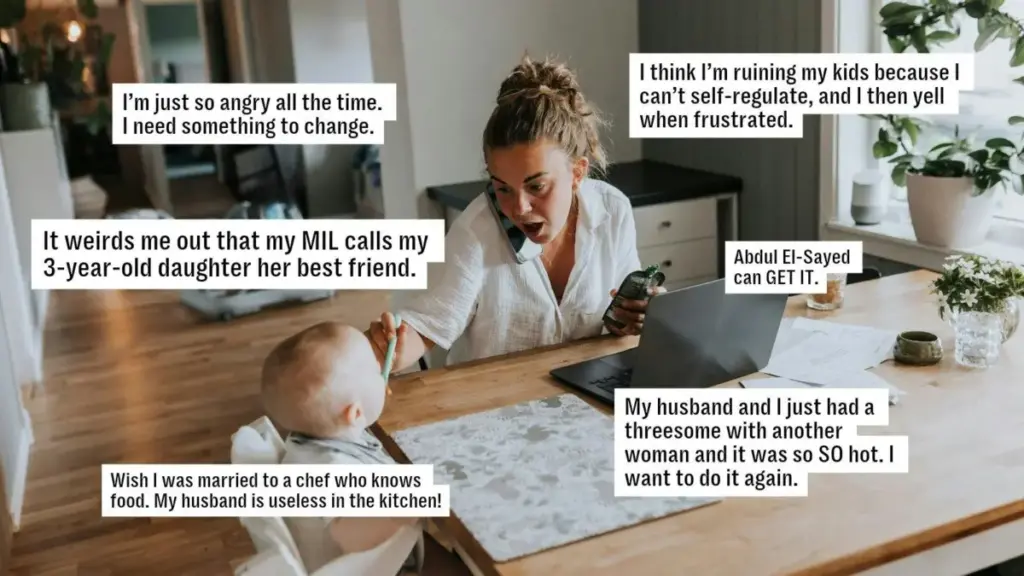
The latest compilation of anonymous disclosures paints a vivid, albeit heavy, picture of contemporary domestic life. Within the digital pages of this week’s roundup, readers encounter a mother yearning for a single, uninterrupted night of deep sleep; another pushed past her breaking point by a mother-in-law who consistently oversteps fundamental boundaries; and a woman consumed by a persistent, simmering anger, desperately searching for a catalyst for change in a life that feels increasingly unmanageable. The strain crosses socioeconomic and professional lines, touching high-stress fields as well as domestic spheres. Among the voices are a physician operating on the razor’s edge of professional and personal burnout, and a classroom teacher who discloses the demoralizing experience of being spat on by a student, leaving her stranded between a desire to walk away and a lack of viable alternatives.
Beneath the varied surface complaints—ranging from marital friction and the grueling dynamics of raising teenagers to the financial and emotional dread surrounding upcoming holiday seasons—lies a singular, unifying thread: a profound deficit of support. Many contributors report an acute absence of a functional safety net. There are no partners stepping up unprompted to share the invisible load of household management, and there is no extended "village" swinging by to offer relief or check in on their well-being. One contributor voiced a sentiment shared by many, noting a bitter jealousy toward anyone fortunate enough to access free, reliable childcare through family, rather than shouldering the exorbitant costs of modern care.
While the dominant tone of the collection leans heavily into distress, burnout, and disillusionment, glimpses of resilience and transition manage to break through the noise. Several participants reflect on the complexities of mid-life transformations, navigating the dating world decades after long-term marriages have ended, confronting the physical and emotional turbulence of perimenopause, or grappling with career shifts in their thirties and forties. A small subset of submissions even points toward light at the end of the tunnel, with individuals expressing cautious optimism about finally emerging on the other side of chronic overwhelm or finding unexpected solidarity in the workplace.
The ongoing series, a staple feature for the platform that invites anonymous disclosures via weekly social media prompts, continues to serve as an unfiltered barometer for the mental health of mothers navigating the complexities of modern society. By laying bare everything from marital disillusionment and fertility heartbreak to the mundane irritations of unhelpful spouses and the high-stakes pressures of parenting children through developmental milestones, these anonymous dispatches highlight the widespread desire for validation in a role that frequently demands near-total self-sacrifice. Whether readers find comfort in the shared struggles of sleep deprivation, boundary battles, or the universal urge to simply run away and hide for a while, the latest roundup underscores a vital truth: behind the polished facades of daily family life, millions of women are quietly fighting the same exhausting battle for equilibrium.