


In the modern landscape of lifestyle and personal finance commentary, few voices carry the distinctive pragmatic weight of Peter Adeney, better known to millions as Mr. Money Mustache. Over the years, his platform has expanded far beyond traditional financial independence and early retirement strategies, diving deep into the interconnected realms of health, physical fitness, and the psychology of happier living. Yet, according to Adeney, there is a singular domain where all these vital factors converge with an unprecedented level of synergy and effectiveness—an area so monumental that if he could have a single wish for the world, it would be this: an immediate shift toward designing cities and countries around people rather than automobiles.
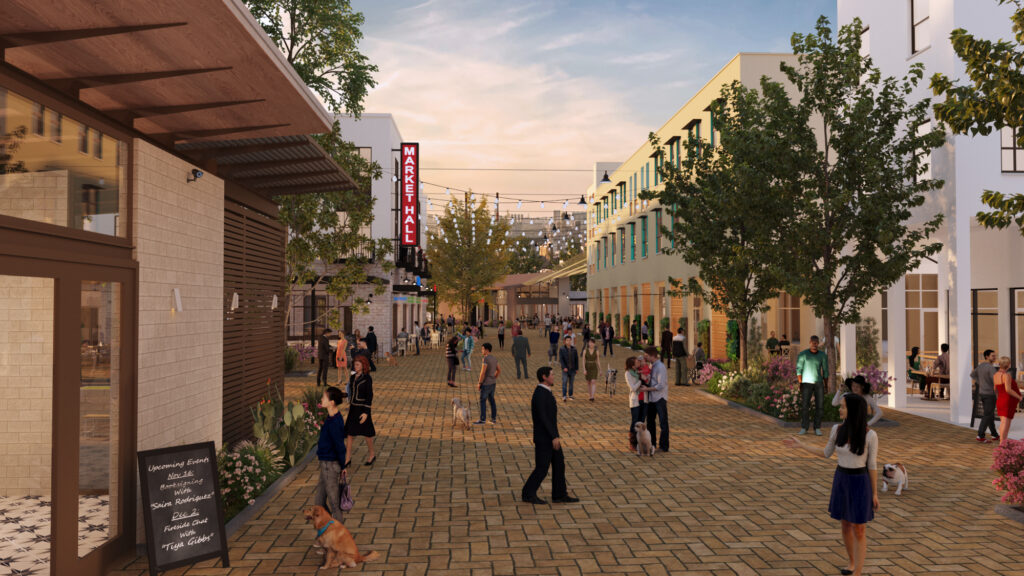
The argument extends far beyond the typical talking points of eliminating localized pollution, frustrating traffic congestion, or tragic traffic collisions. Instead, advocates for human-centric urban design point toward a fundamental redesign that fosters richer, healthier, and inherently more engaging everyday lives. When calculated on a conservative per-capita basis, the proposed transformation translates to an estimated life boost exceeding $20,000 per person annually, compounding into well over two million dollars over the course of an adult lifetime.
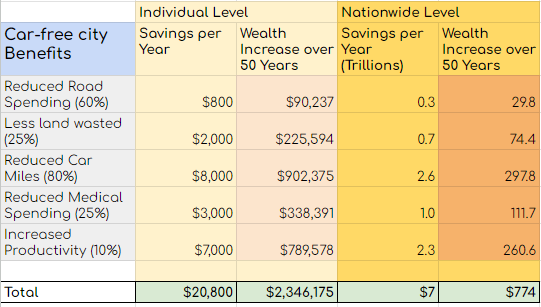
Scale these figures to a national level, and the financial implications become staggering. Such a transition could theoretically inject approximately seven trillion dollars per year into the United States economy alone, compounding to an astronomical 770 trillion dollars over the next five decades. To put that into perspective, that cumulative figure exceeds the current estimated total of all human wealth across the entire globe. Proponents argue that the dividends of this shift would manifest in homes that are simultaneously more affordable, spacious, and aesthetically pleasing, while human bodies and minds would grow stronger, healthier, and less reliant on costly medical interventions and time-consuming maintenance routines. Public and private financial portfolios alike would experience a historic boom driven by drastically reduced infrastructure expenses and surplus disposable income.
To the casual observer, urban planning often appears to be a mundane background administrative task managed quietly by municipal committees and city councils. Yet critics of the status quo argue that this exact detachment is the core of the problem. Contemporary cities are predominantly shaped by administrative bodies and legacy organizations whose primary objective is maintaining the status quo, avoiding major disruptions, and appeasing localized opposition rather than innovating for the future. Adeney contends that if the general public could see past the familiar haze of conventional automobile dependency, the realization would quickly set in that radically reimagining urban spaces is not merely an ambitious option, but an essential one.
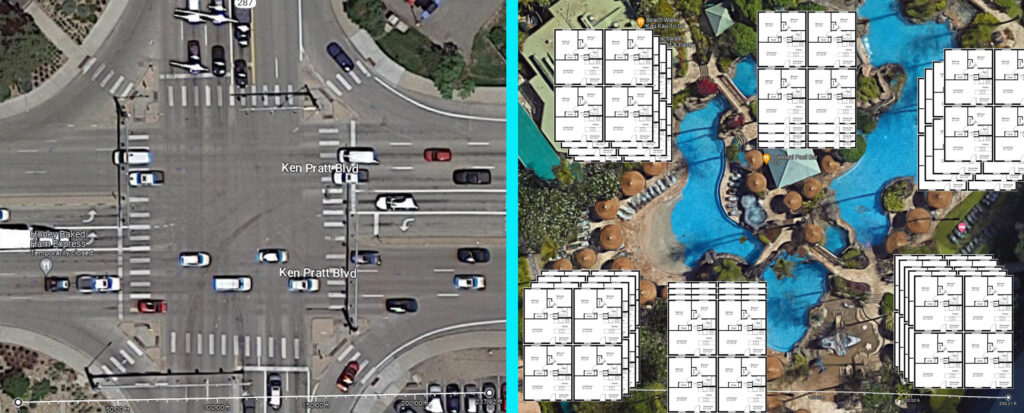
The mathematical inefficiency of modern car-centric infrastructure becomes glaringly apparent when evaluating spatial allocation. In a standard American city, the spatial footprint dedicated to storing and moving personal vehicles is immense. For instance, the exact square footage required to park and maneuver two compact cars can comfortably accommodate an entire, well-designed two-bedroom apartment.
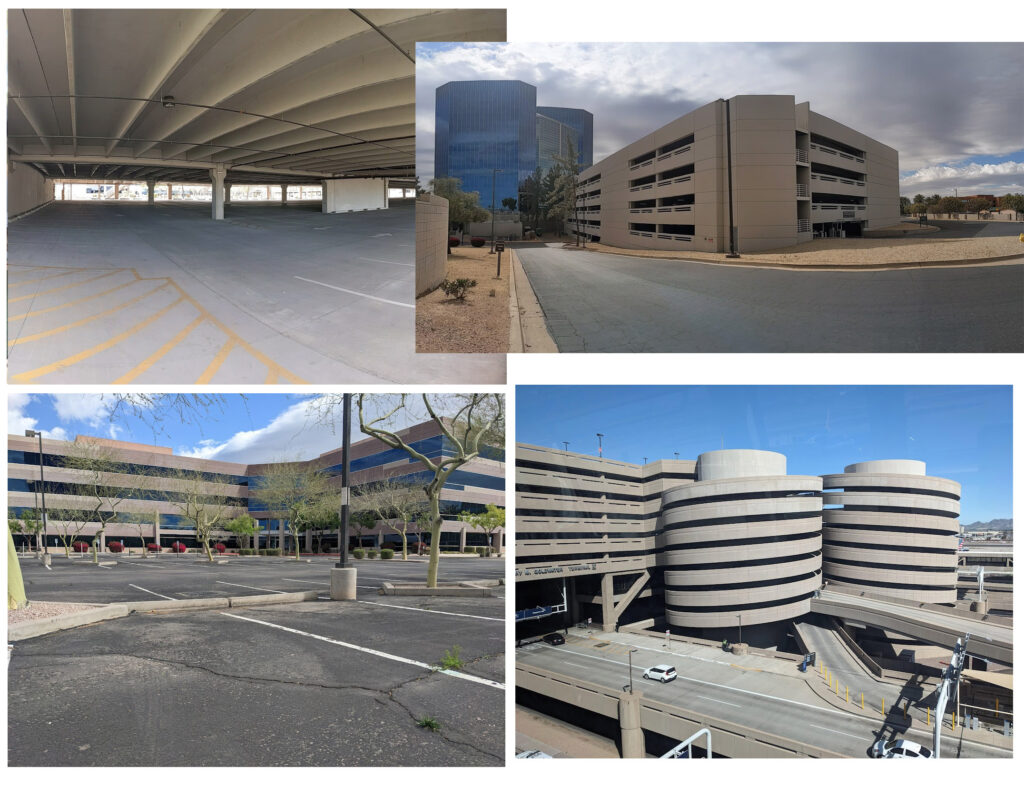
The inefficiency scales dramatically at major urban intersections. A standard large intersection measuring approximately 250 by 250 feet represents roughly 1.5 acres of space. While motorists breeze through these junctions during favorable traffic conditions, the footprint actually constitutes a massive waste of urban land—space that, under a human-centric model, could house hundreds of residents in resort-like comfort complete with green spaces, retail options, and community amenities. Because modern cities have dedicated the vast majority of their land to accommodating vehicles, urban sprawl has expanded to such a degree that distances have become hostile to walking or cycling, thereby creating a self-fulfilling prophecy of car dependency.

Whenever radical urban reforms are proposed, critics invariably raise practical objections centered around personal mobility and convenience. The most common pushback questions how populations can maintain their current driving habits without automobiles. However, urban planners emphasize that this objection fundamentally misunderstands the premise. The entire objective of eliminating massive car-oriented infrastructure is to liberate citizens from the necessity of constant driving. By weaving together mixed-use neighborhoods that incorporate residences, workspaces, grocery stores, and recreational facilities within short distances, the daily demand for vehicular travel plummets organically. While peripheral roads would remain necessary for emergency services, freight deliveries, and individuals requiring mobility assistance, the internal fabric of the community would prioritize human movement.
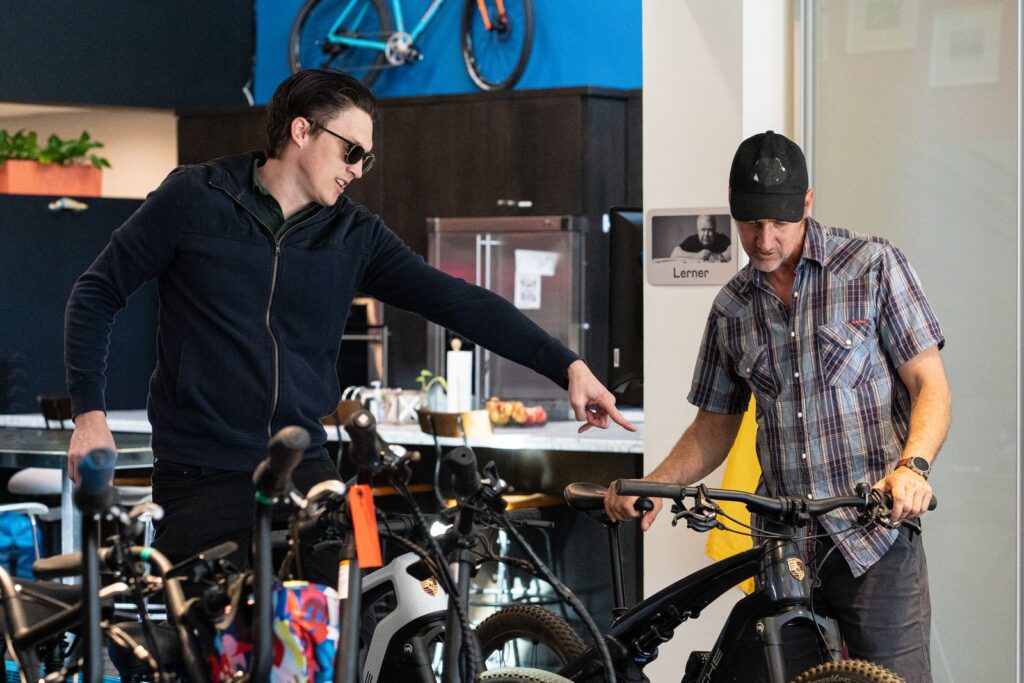
When it comes to alternative transit, public perception often leans heavily toward conventional buses and rail systems. While mass transit plays an essential role in regional connectivity, many urbanites express frustration with rigid schedules, waiting times, and station queues. Instead, personal micro-mobility—specifically bicycles and electric bicycles—emerges as a superior mode of urban transport for distances ranging from short neighborhood trips to commutes of up to fifteen miles. Far from being a slow alternative, e-bikes frequently outpace cars in dense urban environments while simultaneously providing physical exercise and recreational enjoyment, neatly bypassing the frustration of gridlocked traffic signals.
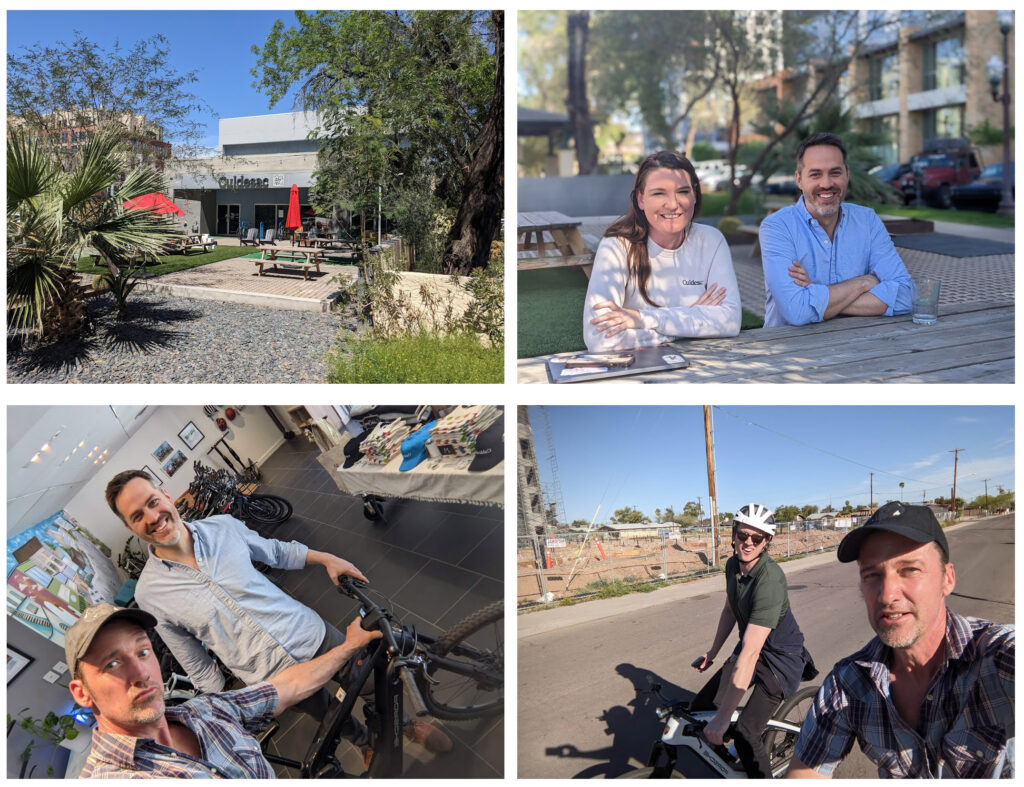
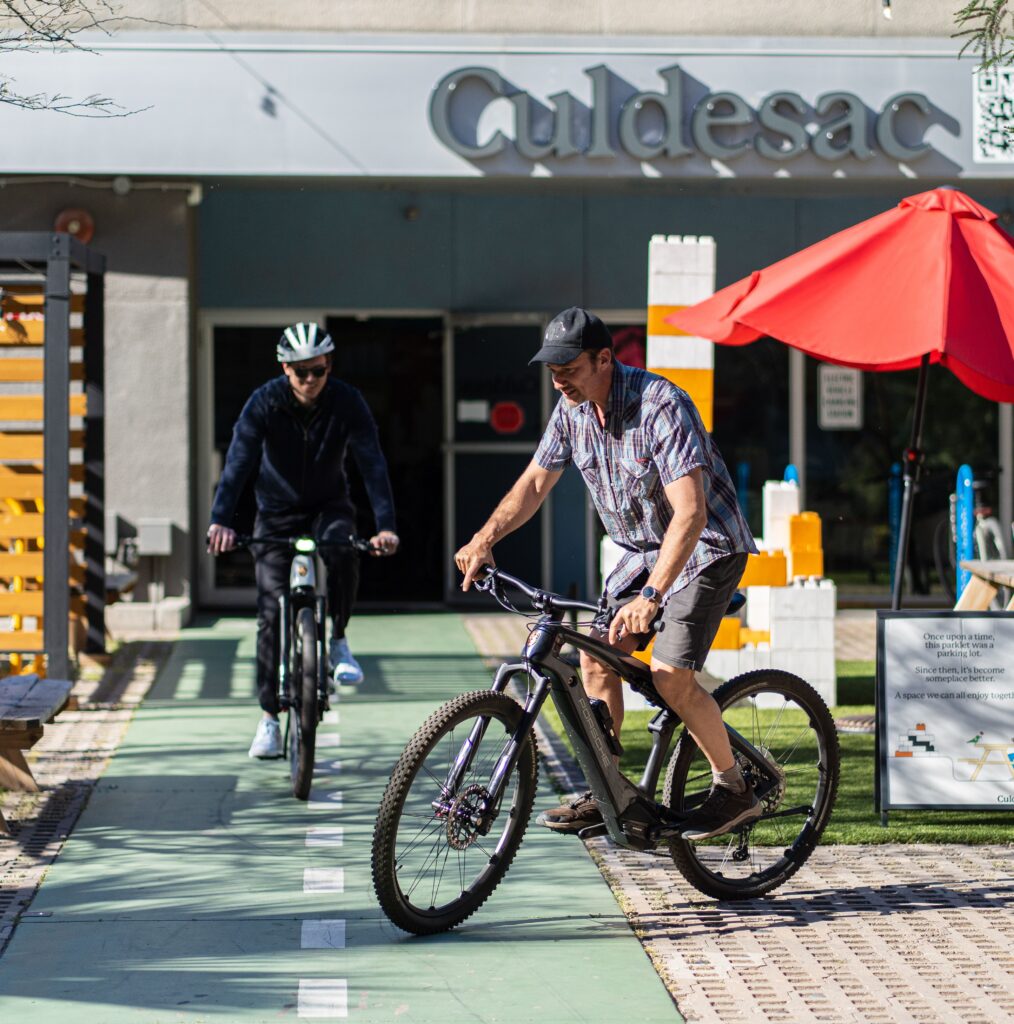
While municipal bureaucracy often stifles large-scale systemic change at the local government level, private enterprise and dedicated developers are beginning to demonstrate what is possible on a neighborhood scale. A prominent example of this movement is Culdesac Tempe, a pioneering car-free residential community located in the Phoenix metropolitan area. Spanning approximately 17 acres, the newly established neighborhood is designed to house roughly one thousand residents without private resident vehicles, offering an experimental blueprint for the future of American urban development.
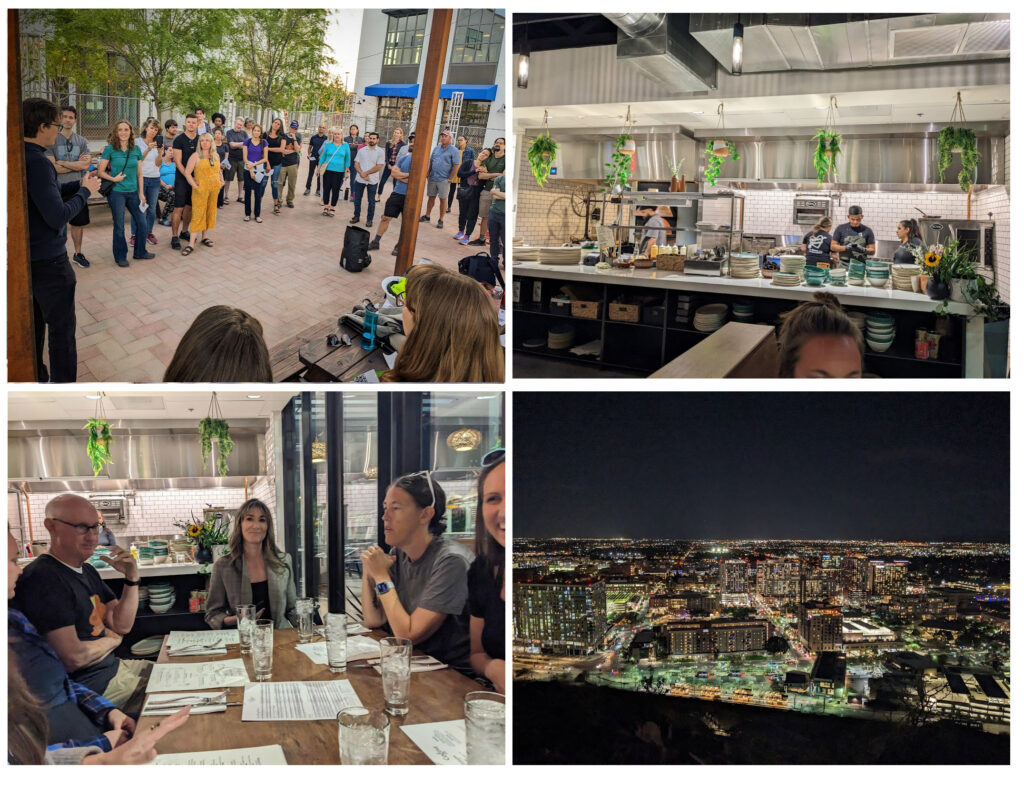
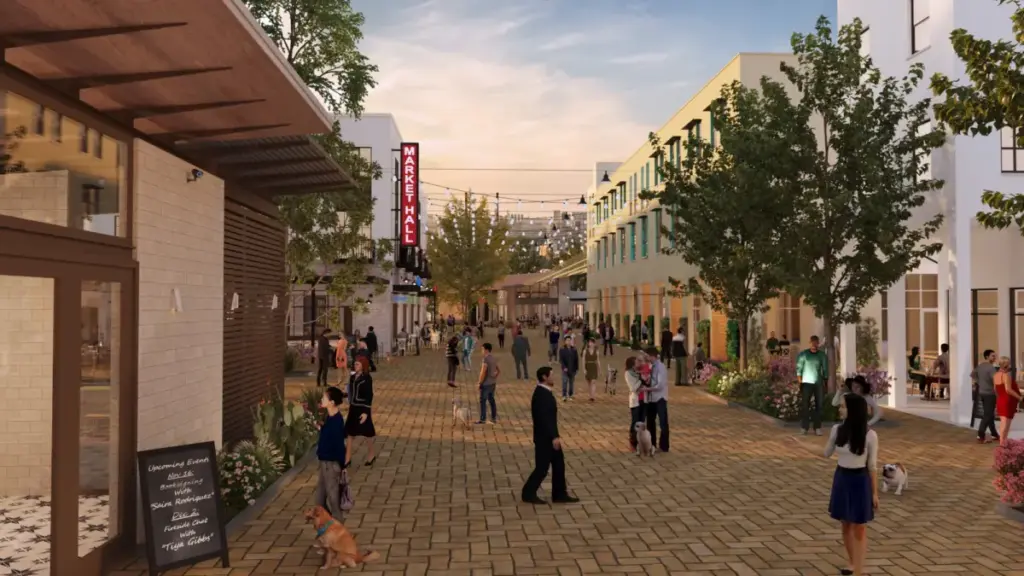
During recent exploratory visits and neighborhood tours, early visitors and housing advocates have highlighted the stark contrast between traditional housing developments and the human-first architecture of Culdesac. Rather than surrendering acres of land to asphalt parking lots, the development utilizes its spatial footprint for pedestrian plazas, shaded walkways, and community gathering spaces. Daily necessities are intentionally integrated directly into the neighborhood fabric, ensuring residents do not need to embark on a car journey simply to run basic errands.
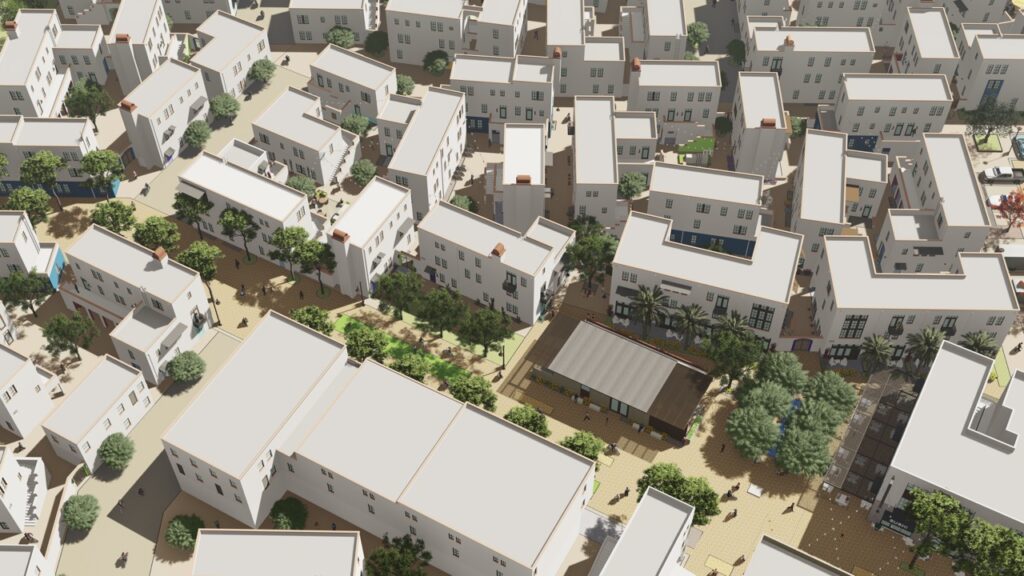
Furthermore, the architectural design responds directly to the regional climate of the Arizona desert by prioritizing shade, natural airflow, and heat-reflective materials, complemented by lush landscaping and palm-lined pedestrian pathways. Mobility within and beyond the neighborhood is supported through a multimodal approach. Located directly adjacent to a light rail station and within walking distance of a major university campus, residents have seamless access to regional transit, often aided by transit passes included with residency. Additionally, the neighborhood features extensive e-bike infrastructure, shared fleets of electric vehicles for longer excursions outside the city, and pedestrian-friendly streetscapes.
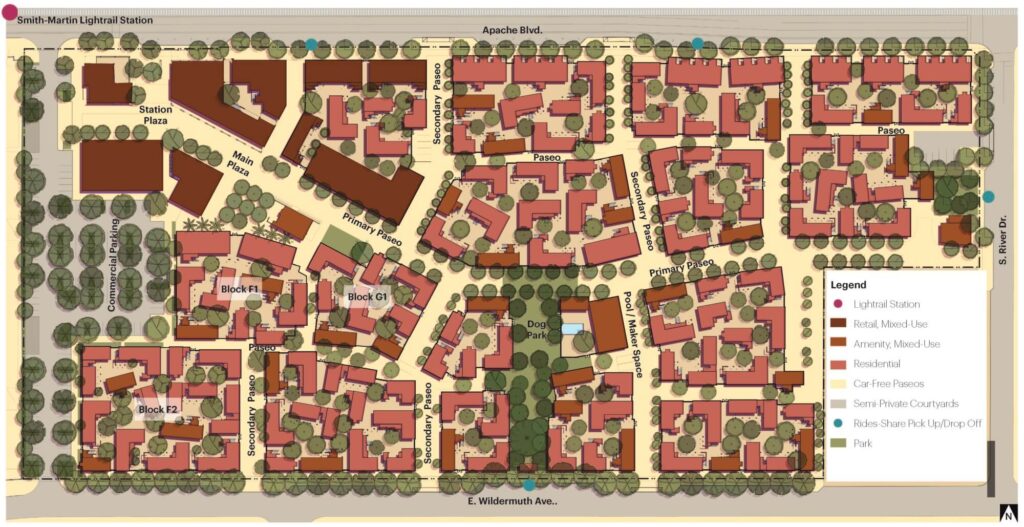
While Culdesac Tempe represents an early pilot project in the broader landscape of American real estate, it signals a growing appetite for alternative residential models. Urban advocates argue that embracing these planning principles on a national scale is comparable to diagnosing a chronic illness rooted entirely in poor lifestyle choices—once the root cause is identified and addressed, the potential for rapid recovery and generational prosperity is immense. As pioneering developments continue to prove the economic and social viability of car-free living, the conversation surrounding the future of urban centers is shifting rapidly from theoretical debate to tangible reality.