




For more than a decade, the prominent personal finance voice known as Mr. Money Mustache has championed a lifestyle rooted in extreme frugality, environmental consciousness, and a deep-seated disdain for conventional car culture. Having achieved early retirement 18 years ago through disciplined savings and a rejection of unnecessary consumerism, his gospel has always been that most people buy cars they cannot afford and drive them far more frequently than necessary.
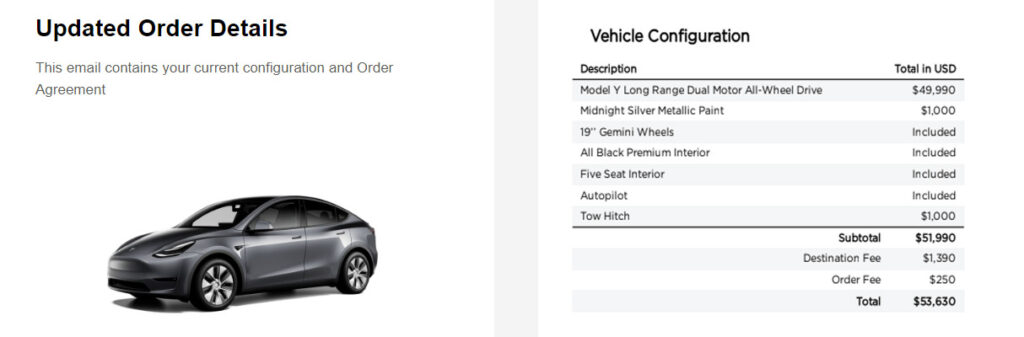
Yet, the internet’s most famous advocate for living on a tight budget recently shocked followers by navigating the bureaucratic hurdles required to purchase a brand-new, luxury 2023 Tesla Model Y.

The vehicle, a high-performance crossover equipped with all-wheel drive, lightning-fast acceleration, seating for seven, and an array of advanced computing technology, represents a stunning departure from the author’s previous mode of transportation. After taxes and applicable tax credits, the net cost of the Tesla sits at approximately $52,000.
This figure stands in stark contrast to the vehicle it replaces: a classic Honda van purchased off Craigslist twelve years prior for just $4,500. That trusty minivan served dutifully until recently, crisscrossing mountains and deserts while hauling materials to help rebuild houses in the author’s neighborhood, before finally suffering a terminal transmission failure on a mountain pass.

The purchase has ignited a wave of self-mockery and internal debate for a figure synonymous with anti-consumerist philosophy. To natural savers, the cognitive dissonance is palpable. Yet, the decision is not framed as a sudden abandonment of financial responsibility, but rather as an evolving philosophical question about how to balance a lifetime of disciplined saving with the reality of aging and the finite nature of life.
The core dilemma centers around a classic life maxim: "What got you here, won’t get you where you’re going." While aggressive frugality and hyper-optimization successfully secured early retirement and financial independence nearly two decades ago, continuing to apply those exact same restrictive habits indefinitely can lead to an unintended trap of scarcity mentality.
This psychological barrier often manifests in unexpected ways, such as engaging in mental battles over seemingly trivial expenses. A recent trip to a standard grocery store to purchase a loaf of specialty bread priced at $6.99—nearly double the cost typically found at bulk discount warehouses—triggered an internal protest against perceived corporate price gouging. After weighing competing brands and substitutes, the realization ultimately struck that no one looks back at their bank account on their deathbed and wishes they had an extra $2.49.
Discussions with peers who share similar backgrounds reveal that this psychological hurdle is remarkably common among early retirees. Individuals who built substantial net worths through decades of hard work and disciplined saving often continue to struggle with spending money on themselves, even when their portfolios far exceed what they could reasonably spend in a lifetime. While these same individuals frequently give generously to charitable causes, support local schools, and assist friends facing financial hardship, they paradoxically hesitate to permit themselves basic comforts, such as taking a rideshare to the airport instead of enduring a lengthy bus commute.
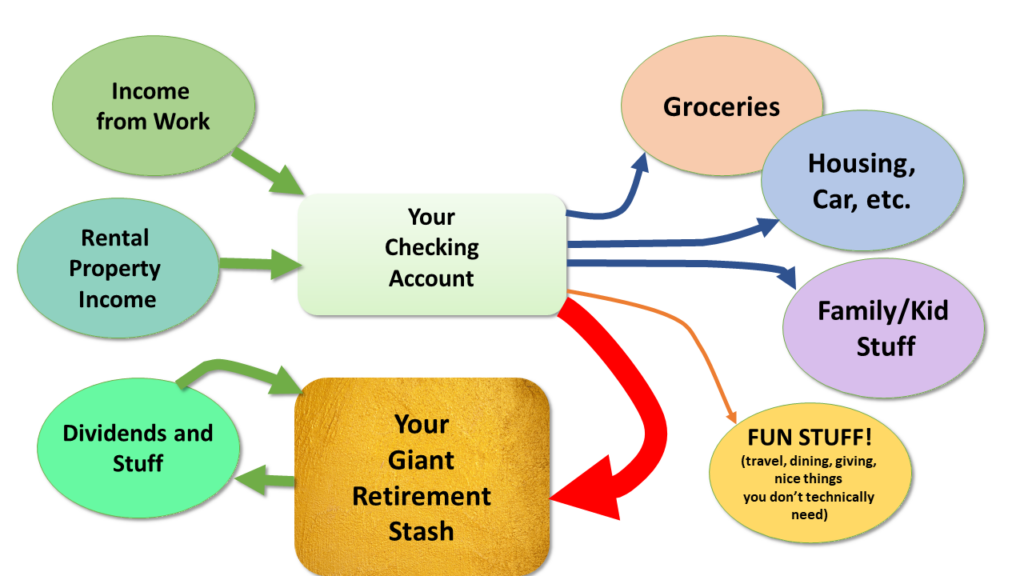
To address this internal friction, the financial blogger and his peers have outlined a conceptual framework designed to help long-term savers enjoy their wealth while they are still alive, rather than letting it accumulate indefinitely.
The first concept involves re-evaluating the minimum spending budget. Standard financial planning rules, such as the widely accepted four percent withdrawal rate, indicate that a person with a healthy two-million-dollar nest egg can safely spend up to $80,000 per year without depleting their principal, even without factoring in side businesses, inheritances, or social security. Yet, many disciplined savers continue to live on $40,000 or less per year out of habit, funneling every additional dollar back into an already oversized financial stockpile. Establishing a more realistic minimum spending floor helps align actual lifestyle expenditure with true financial capacity.
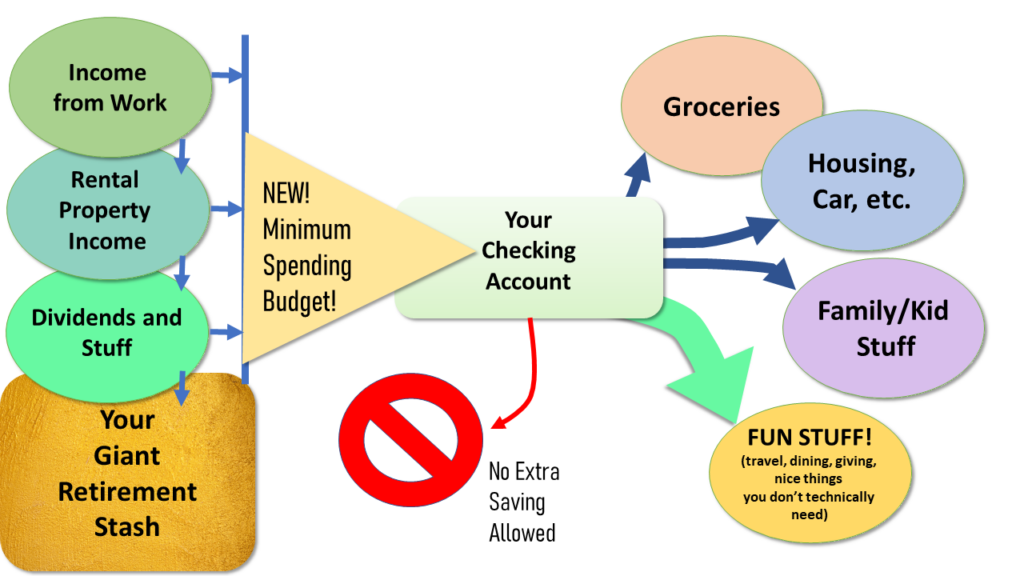
The second concept addresses the psychological difficulty of spending hard-earned money on personal luxuries by reframing how those funds are viewed. Drawing inspiration from the psychological ease with which people spend corporate money on business trips without glancing at the bill, savers can benefit from establishing a dedicated spending account specifically earmarked for guilt-free personal enjoyment.
The final concept emphasizes the value of a support network. Just as individuals seek accountability partners for fitness or career goals, having trusted friends who share a background of disciplined saving can help counteract excessive frugality. Such a circle can provide mutual permission to invest in home improvements, meaningful travel, and modern conveniences without falling back into paralyzing guilt.

For the Tesla purchase specifically, the transition is expected to increase annual vehicle-related costs by roughly $10,000 compared to the old minivan, factoring in depreciation, insurance, and charging. However, because the author’s previous spending deficit was substantially higher than that amount, the expenditure is viewed as a manageable and deliberate step toward enhancing personal experiences. The vehicle’s primary purpose will be facilitating long-distance road trips, camping excursions, and visits to a newly acquired vacation rental property in Salida, Colorado, thereby encouraging a richer engagement with travel and outdoor adventures.
While luxury purchases by wealthy commentators inevitably draw criticism from observers who argue the funds would be better directed toward charity, proponents of this balanced philosophy point out a false dichotomy. Philanthropy and personal enjoyment do not have to be mutually exclusive. Over the years, the author has publicly documented donating more than $500,000 to charitable causes. Yet, paradoxically, performing large-scale philanthropy sometimes exacerbates the scarcity mindset on a personal level, causing minor daily expenses—such as a dinner date or a grocery item—to feel disproportionately large by comparison.

The broader realization is that financial responsibility does not require a life of ascetic deprivation. Being a diligent steward of one’s savings and giving generously to charity can happily coexist with setting aside a portion of earned wealth for personal enjoyment. Whether it is paying extra for a better seat on an airplane to avoid airport congestion, purchasing convenient groceries to bypass logistical headaches, or finally replacing a clunky, unreliable gasoline vehicle with a modern electric car, spending money to eliminate chronic low-level stress can yield a profound return in overall life satisfaction.
With the old Honda van—affectionately dubbed "Vanna"—officially retired via an online car salvage service that paid out a modest cash sum that was promptly spent on celebratory dinners out, a new chapter has begun. An ongoing digital tracker page has been launched to monitor the long-term ownership experience, reliability, and service quality of the new crossover. Ultimately, trading the wheezing engine noise and manual gear shifting of the gasoline era for quiet electric transit marks a permanent shift away from mechanical anxiety and toward a more intentional, balanced approach to living.