As two of the largest and most influential chicken chains in the United States, Chick-fil-A and KFC demonstrate just how diverse and culturally significant American fried chicken can be. In recent years, chicken chains have firmly taken over the fast-food landscape, frequently eclipsing traditional burger joints in popularity and cultural footprint. At the center of this culinary shift is Chick-fil-A, which has exploded to nearly 3,300 locations nationwide. The brand is rapidly gaining ground on the historic stalwart KFC, which boasts roughly 3,500 domestic locations, having already overtaken its legacy rival in overall U.S. sales.
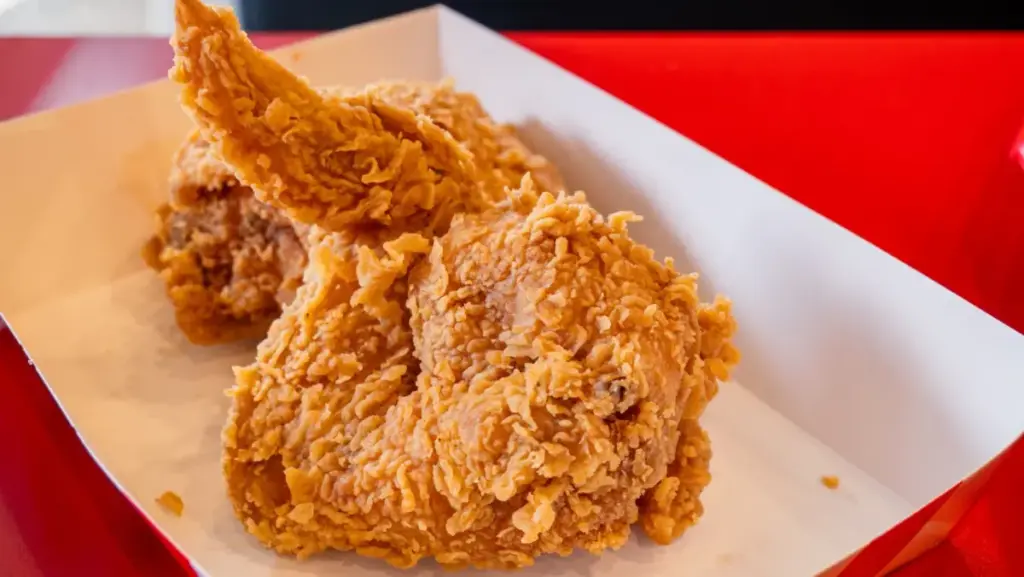
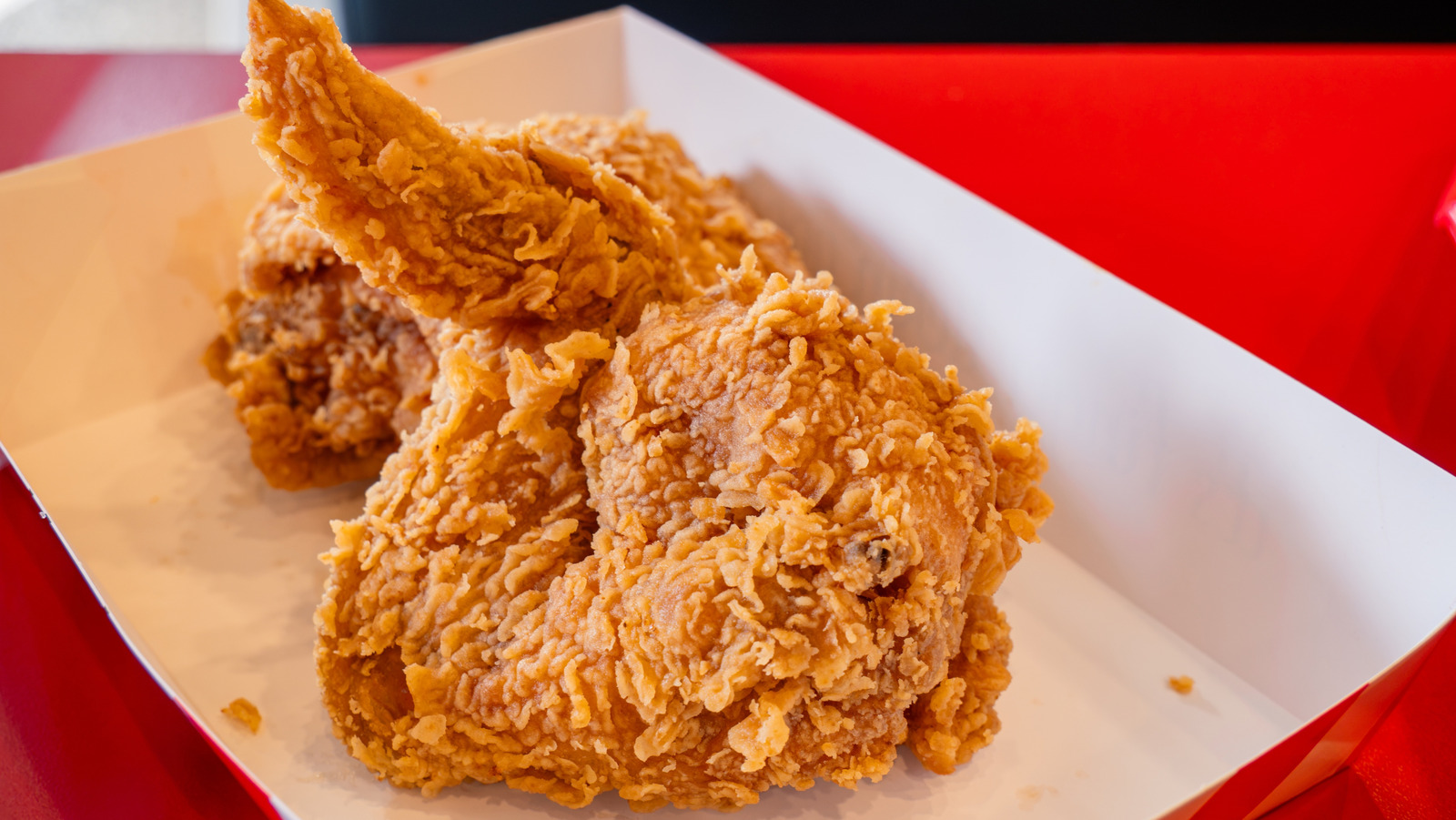
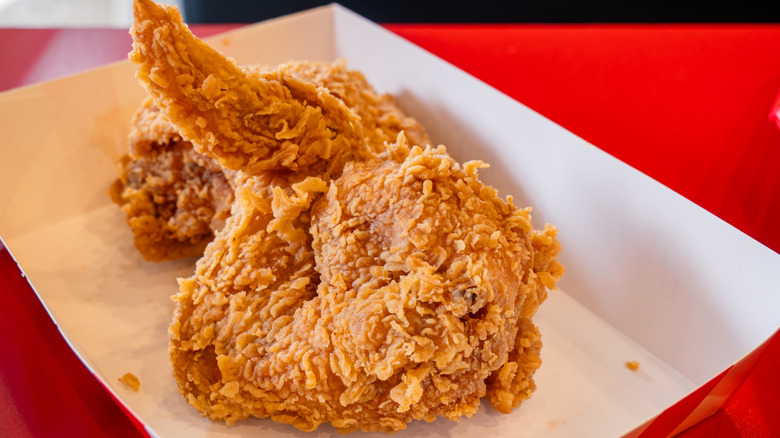
While both companies market themselves as purveyors of down-home, Southern-style comfort food, the end products are remarkably distinct. KFC’s crackly, bone-in chicken is a far cry from the thinly coated, tender boneless chicken sandwiches and strips offered by Chick-fil-A. Even to a casual fast-food consumer, the flavor profiles are unmistakable.
On the surface, the basic process of frying chicken might seem largely uniform across the industry. However, it is the small decisions, hidden variables, and minute techniques along the way that accumulate into massive differences in the final outcome. Everything matters: how the raw poultry is prepped, whether it is brined, the specific seasonings and spices utilized, the style of the dredge, and even the type of cooking oil in which the bird is submerged. Any one of these choices on its own would alter the product, but taken together, they forge the signature, highly guarded flavor profiles that fast-food corporations relentlessly strive to protect.
Both KFC and Chick-fil-A have mastered this complex industrial culinary process, carving out unique market spaces that countless competitors attempt to replicate. Yet, despite their shared popularity, their underlying methods and ingredients diverge in fascinating ways. Here are the five major differences between these popular fast-food chicken chains that help explain their enduring appeal and distinct identities.
Spices and Seasonings
If there is one culinary secret that nearly everyone recognizes—even those who rarely visit fast-food restaurants—it is KFC’s legendary blend of 11 herbs and spices. Anchored by one of the most famous secret recipes in American food history, this phrase has been heavily featured in KFC’s corporate marketing for decades, acquiring an almost mythic status in popular culture. The exact recipe has never been officially disclosed by corporate headquarters and is rumored to be known by only a select few executives. However, investigative reporting that revealed a supposedly authentic handwritten recipe from a family ledger decades ago has given food historians a compelling roadmap of the blend.
According to leaks and culinary analyses of the KFC recipe, the iconic spice mixture relies on a foundation of salt combined with several distinct botanical additions. These include three dried herbs—oregano, basil, and thyme—alongside both black and white pepper. Popular fried chicken staples like dried mustard and paprika are heavily represented, as are garlic salt and celery salt. Perhaps the most intriguing component of the profile is ground ginger. While many of these individual ingredients are common in kitchen pantries, it is this specific, peculiar spice combination that yields the savory, unmistakable flavor that defines KFC’s classic fried chicken.
By comparison, Chick-fil-A’s spice and seasoning mix is remarkably streamlined. The official ingredient list features paprika alongside a famously generic category of "spices." Corporate disclosures and independent food analyses have confirmed that Chick-fil-A’s spice profile primarily relies on black pepper, mustard, and paprika. However, Chick-fil-A introduces one major flavoring element that is notably absent from traditional KFC breading: sugar. The inclusion of sugar gives Chick-fil-A’s chicken its signature subtle sweetness, effectively balancing the savory notes and explaining why the overall flavor profile feels distinctly different from the deeply savory, herbaceous profile of KFC.
Brining the Chicken
Another critical phase of preparation where the two chains diverge involves brining, though public perception often confuses the reality of these processes. For years, a widespread rumor has persisted claiming that Chick-fil-A brines its chicken in pickle juice to achieve its signature tenderness and tang. However, extensive ingredient disclosures and internal documentation indicate this popular narrative is largely a myth. The most obvious clue is that no pickle-related ingredients appear in the ingredient deck for the standard fried chicken. Former employee testimony has similarly debunked the claim for the fried products. The rumor likely stems from the original preparation method for Chick-fil-A’s grilled chicken sandwich, which company history notes was historically marinated in pickle juice. While the grilled recipe has evolved over time, the brand does indeed brine its chicken, but the process relies on a proprietary water, sugar, and salt solution rather than leftover pickle brine.
KFC, on the other hand, does not utilize a traditional liquid brining step for its standard fried chicken, as water is notably absent from the front of its ingredient lists in the same manner. However, nutritional information reveals that the poultry is injected or marinated with a solution containing salt, sodium phosphate, and one crucial ingredient shared with Chick-fil-A: monosodium glutamate, commonly known as MSG. Despite historical consumer anxieties surrounding the flavor enhancer, modern nutritional research has repeatedly confirmed that MSG is safe for general consumption and serves as a powerful agent for amplifying deep umami flavors. Because MSG is utilized by both chains, the fundamental difference in the pre-cooking marination stage ultimately boils down to Chick-fil-A’s use of sugar to impart a hint of sweetness.
Creating the Breading
Despite the stark visual differences between a craggy, golden-brown piece of KFC bone-in chicken and a smooth, uniform Chick-fil-A chicken breast, the core dry ingredients are surprisingly similar. Both operations utilize a traditional flour dredge rather than a wet batter to coat the exterior of the bird. Furthermore, both chains incorporate their respective spice blends directly into the dry flour mixture prior to coating, though KFC also incorporates powdered eggs and milk solids into its dry blend.
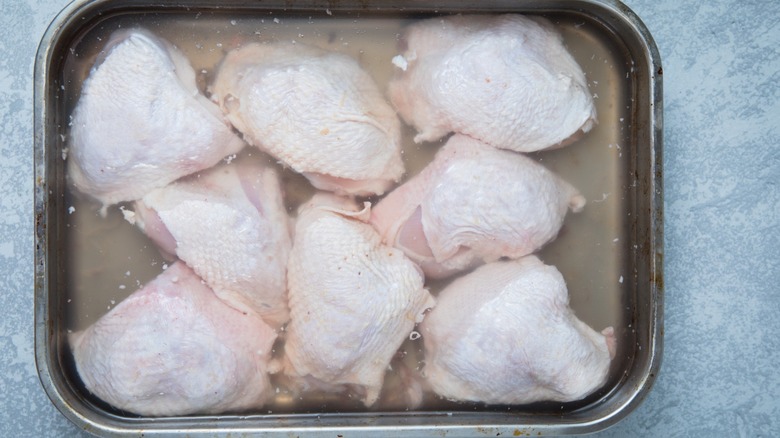
Where the processes truly diverge is in the application of liquids and the mechanical handling of the breading. KFC ensures its thick, textured breading adheres to the chicken by first dipping the pieces in water. The wet chicken is then dropped into the seasoned flour, where handlers repeatedly lift and fold the mixture—specifically seven times, according to company lore—to build up a heavy, craggy crust. The excess flour is briskly shaken off before the chicken is immediately dropped into the fryers.
Chick-fil-A takes a markedly different physical approach. Instead of plain water, employees submerge the chicken pieces in a rich milk and egg wash before transferring them to the seasoned flour. Rather than tossing and folding to create thick, jagged clumps, Chick-fil-A employees are trained to firmly press the chicken breasts directly into the dredge, compacting the flour into a much thinner, tighter coating. Excess clumps are actively smoothed out to maintain a uniform texture. This subtle mechanical difference dramatically alters the mouthfeel and structural crunch of the final product, setting the two styles apart.
Cooking Oil
When it comes to the medium used to fry their products, the two corporations take distinctly different public stances. Chick-fil-A is exceptionally transparent about its reliance on 100% pure peanut oil. Corporate history notes that founder Truett Cathy utilized peanut oil from the inception of the original sandwich recipe, maintaining that the clean, high-heat oil enhances the natural flavor of the meat without imparting heavy, competing tastes. Peanut oil is widely favored in commercial frying because it boasts a high smoke point and resists absorbing and transferring food flavors, making it economically efficient for large-scale operations. Notably, Chick-fil-A uses refined peanut oil, a process that strips away the proteins responsible for peanut allergies, though consumers with severe allergies are still advised to exercise personal discretion.
KFC has historically been more reserved regarding its frying oils, and certain regional or legacy menu items have occasionally omitted specific oil disclosures. However, primary offerings such as its chicken sandwiches explicitly list a blend of soybean and canola oil. This formulation aligns with a major corporate shift made by KFC to eliminate artificial trans fats by transitioning to low-linolenic soybean oil. Because the culinary goal at the time was to preserve the legacy flavor profile without altering the taste of the chicken, KFC clearly considers its choice of vegetable-based oils to be an integral component of its secret formula.
Ultimately, this is one area where the functional differences between the two brands narrow. While both companies view their frying oil as a crucial element of product consistency, refined peanut oil and highly refined soybean oil both function as relatively neutral cooking mediums that do not aggressively overpower the underlying seasonings.
The Actual Chicken
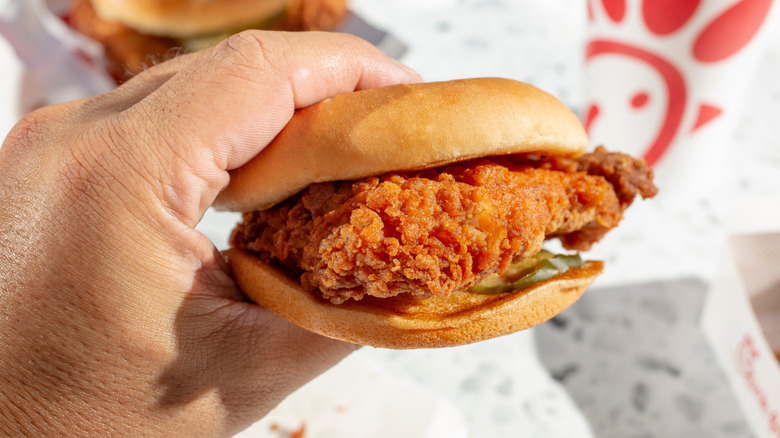
The most fundamental structural difference between the two chains lies in the cuts and types of poultry offered to consumers. When ordering at Chick-fil-A, customers receive strictly all-white breast meat across the core menu. This focus on lean breast meat is largely mirrored in KFC’s growing lineup of boneless offerings, including tenders and chicken sandwiches. KFC’s boneless nuggets also feature white meat. However, the defining differentiator is that KFC continues to offer traditional, bone-in chicken options, allowing consumers to choose dark meat cuts such as thighs and drumsticks. While many quick-service chains heavily market the lean health benefits of white-meat chicken, dark meat inherently delivers a richer, juicier, and more intensely flavorful dining experience.
At the same time, both corporate giants have faced significant scrutiny regarding their supply chains and animal welfare commitments. In recent years, both Chick-fil-A and KFC have faced criticism after scaling back or adjusting previous ethical pledges. Chick-fil-A previously walked back its promise to serve chicken raised completely without antibiotics and has encountered challenges meeting its timeline for transitioning exclusively to cage-free eggs. Similarly, KFC has faced pressure from animal advocacy groups after modifying commitments to phase out faster-growing chicken breeds associated with health and mobility issues. For consumers prioritizing ethically sourced poultry, both major chains continue to navigate ongoing industry hurdles.