

As strange as it may seem from a modern perspective defined by blockbuster franchises and tightly coordinated cinematic universes, there was a point in time when filmmaker Christopher McQuarrie did not work hand-in-hand with Hollywood superstar Tom Cruise. Long before McQuarrie took the helm of four consecutive entries in the juggernaut Mission: Impossible franchise, he firmly established himself on the radar of moviegoers and industry executives alike by writing the critically acclaimed, Oscar-winning screenplay for the 1995 neo-noir masterpiece The Usual Suspects.
While The Usual Suspects is not discussed quite as frequently in contemporary cultural conversations as it once was—largely due to the enduring controversy surrounding its standout star, Kevin Spacey—it remains widely recognized as one of the defining pillars of the 1990s neo-noir crime revival. In theory, delivering a universally lauded script and winning an Academy Award should have provided a young writer with an immediate, proverbial blank check to pursue any project of his choosing within the studio system. Instead, following that monumental early success, McQuarrie found himself completely unemployed and struggling to secure work for the next five years.
Christopher McQuarrie’s 2000 Directorial Debut Is Streaming Free on Tubi
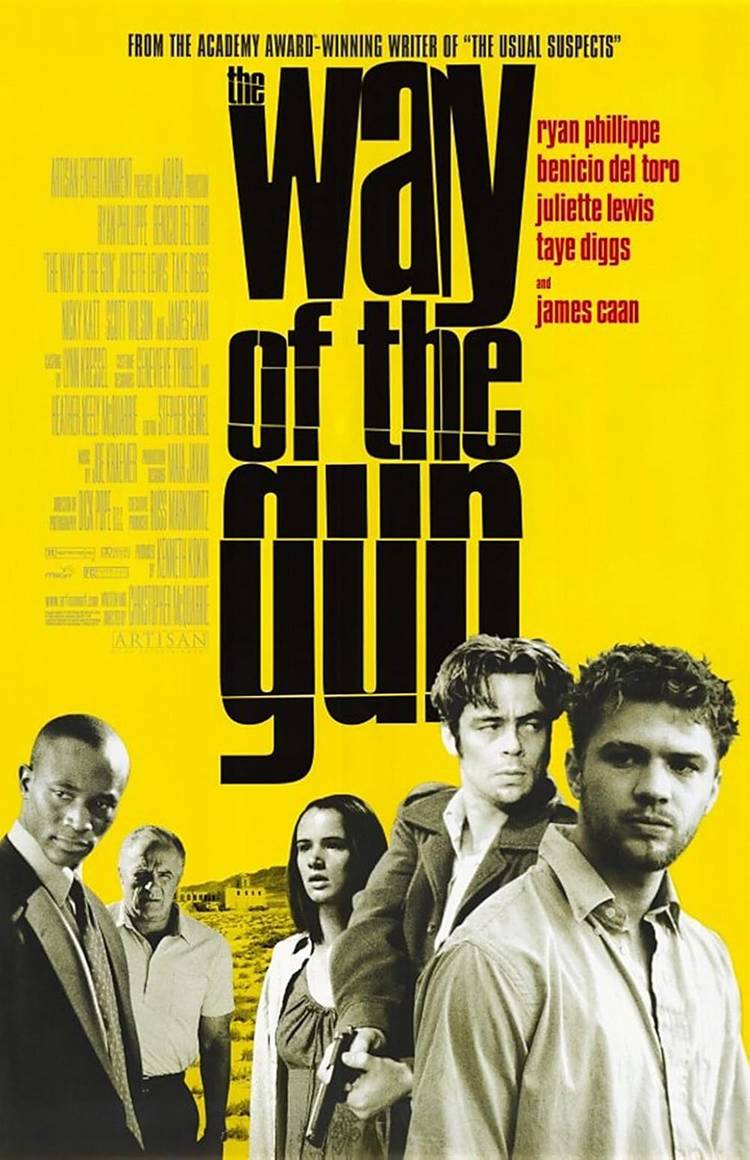
To break through the professional standstill and forcefully put himself back on the industry’s radar, McQuarrie eventually took matters into his own hands by writing and directing his own feature film. Released in the year 2000, The Way of the Gun served as an overtly angry, uncompromising reaction to his frustrating years spent navigating the politics and stagnation of Hollywood. It was intentionally crafted as an action film that deliberately defied every standard expectation a mainstream studio executive would ever want to see cross their desk.
From its opening moments, the film embraced elements that conventional Hollywood gatekeepers traditionally avoided: long stretches of unbroken silence, remarkably subtle plot developments that required active audience engagement, and a pair of the most deliberately unsympathetic protagonists in the history of American cinema. If a modern studio executive were to review a pitch embodying the uncompromising ethos of The Way of the Gun today, the collision of creative defiance would likely spark an immediate and chaotic industry debate.
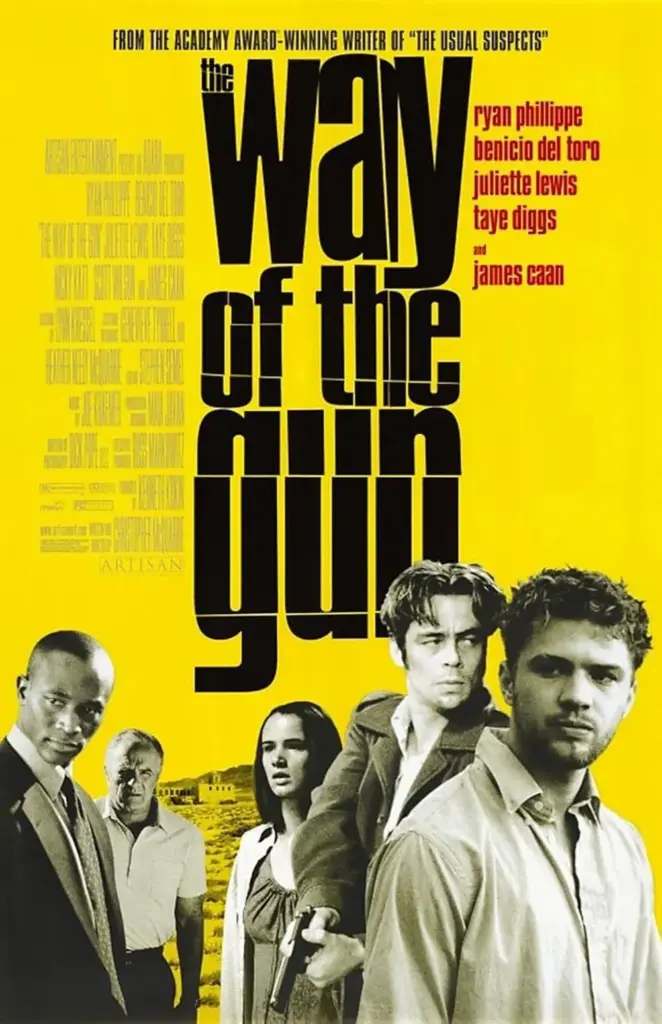
At the time of its initial theatrical release, however, neither mainstream critics nor general moviegoers quite knew how to process or categorize The Way of the Gun. The confusion was further compounded by its distributor, Artisan Entertainment, which attempted to market the picture as just another quirky, post-Tarantino crime caper—precisely at the historical moment when that specific subgenre was rapidly falling out of favor with audiences and critics.
In the decades since its quiet box-office exit, a succession of new generations of film enthusiasts has periodically rediscovered the movie, particularly as McQuarrie has achieved mainstream renown through his blockbuster successes. For viewers eager to explore the roots of McQuarrie’s directorial career and experience one of the most abrasive yet technically proficient action films of the turn of the century, The Way of the Gun is currently available to stream for free on Tubi.
There’s Always Free Cheese in a Mousetrap
The narrative of The Way of the Gun centers on Parker, played by Ryan Phillippe in a concerted effort to break away from his post-Cruel Intentions teen-idol persona, and Longbaugh, portrayed with brooding intensity by Benicio del Toro. The two men are small-time, petty criminals constantly searching for a single, life-changing score. Their fortunes appear to change when they overhear a conversation detailing the activities of Robin, played by Juliette Lewis, a surrogate mother who is being paid a staggering one million dollars for her services.
Sensing an opportunity, Parker and Longbaugh instantly decide to kidnap her and demand a massive ransom. At no point during their hasty planning do they pause to consider what kind of powerful, dangerous individual might be willing to invest that kind of capital into a surrogate arrangement, but operating with a cynical worldview, they figure they have nothing left to lose.

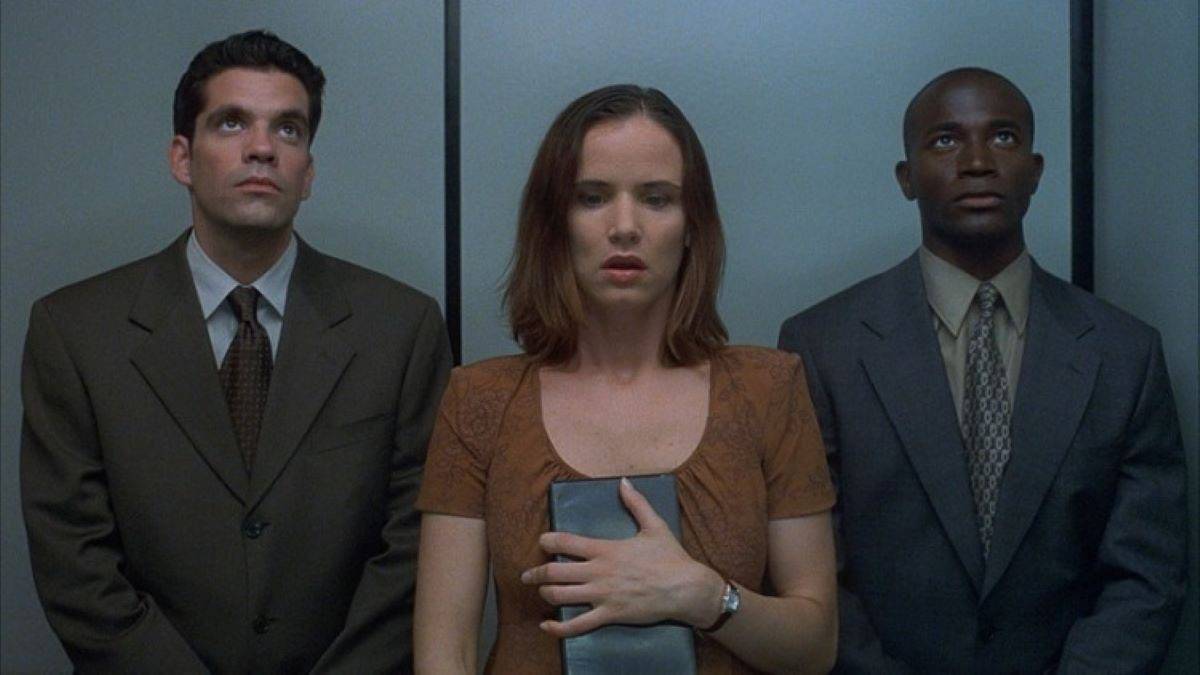
This reckless decision thrusts Parker and Longbaugh directly into a volatile conflict against a local money launderer, his calculating enforcer Sarno, played by veteran actor James Caan, and their uniquely dedicated bodyguards, brought to life by Taye Diggs and Nicky Katt. Unwittingly, the two petty criminals find themselves standing at the center of a complex web of deceit where almost every major player had already formulated an intricate plan to betray everyone else in the room. The unexpected intercession of Parker and Longbaugh acts as the ultimate spark that causes the entire criminal powder keg to violently ignite.
The first major hurdle The Way of the Gun presents to the viewer is the fact that virtually none of the characters are written to be likable—a creative choice that is entirely intentional on McQuarrie’s part. The film occupies a narrative space halfway between a gritty road-movie Western and a classic film noir, populated exclusively by individuals whose hands were never clean to begin with. Parker, in particular, establishes his abrasive nature within the very first five minutes of the film by committing an unprovoked act of violence against a woman, quickly doubling down on his hostility through a series of inflammatory remarks. For audiences searching for an unproblematic protagonist to root for, The Way of the Gun offers little comfort, requiring viewers to either broaden their cinematic standards or accept a steady stream of narrative friction.
Beyond its cynical tone and challenging characters, The Way of the Gun has consistently failed to receive adequate recognition for its groundbreaking action choreography, which was years ahead of its contemporary peers. To ensure authenticity, McQuarrie enlisted his brother Doug, who was an active-duty Navy SEAL at the time of production, to serve as the film’s tactical and weapons consultant. As a result, every character in the movie operates with a high level of proficiency regarding their chosen firearms, employing realistic tactical movements and making deliberate choices to minimize exposure to danger.
Even the central protagonists, Parker and Longbaugh, utilize cover, positioning, and tactical teamwork during firefights with the synchronized precision of trained special operations personnel. This meticulous attention to combat detail and spatial awareness did not find widespread application in Hollywood action cinema again until the release of the first John Wick film fourteen years later.
Furthermore, a defining trait of The Way of the Gun is that none of the characters behave foolishly for the sake of moving the plot forward. Parker and Longbaugh, despite their frequent miscalculations, possess a strange, competent professionalism in their criminal endeavors. No character arbitrarily picks up what screenwriters refer to as the "idiot ball," and when individuals meet their demise, it is almost invariably the result of unpredictable circumstances or miscalculations they could not realistically have prevented.
This subtle quality separates McQuarrie’s debut from standard, lower-budget American action fare, maintaining an even keel across all opposing factions rather than reducing any single group to a helpless narrative sacrifice.
Ultimately, The Way of the Gun remains an undisputed acquired taste. It is an action-oriented thriller specifically designed for viewers who have grown weary of traditional genre conventions, actively going out of its way to contradict and subvert expected cinematic tropes. While certain aspects of the production have undeniably aged poorly—most notably its confrontational opening sequence—much of what makes the film unique continues to function as an unconventional point of interest for modern viewers.
The Way of the Gun is currently streaming on Tubi.